6 Beauty Marketing Predictions For 2026: Anti-Ambition, Emotion-First Branding, Ownable Rituals And More
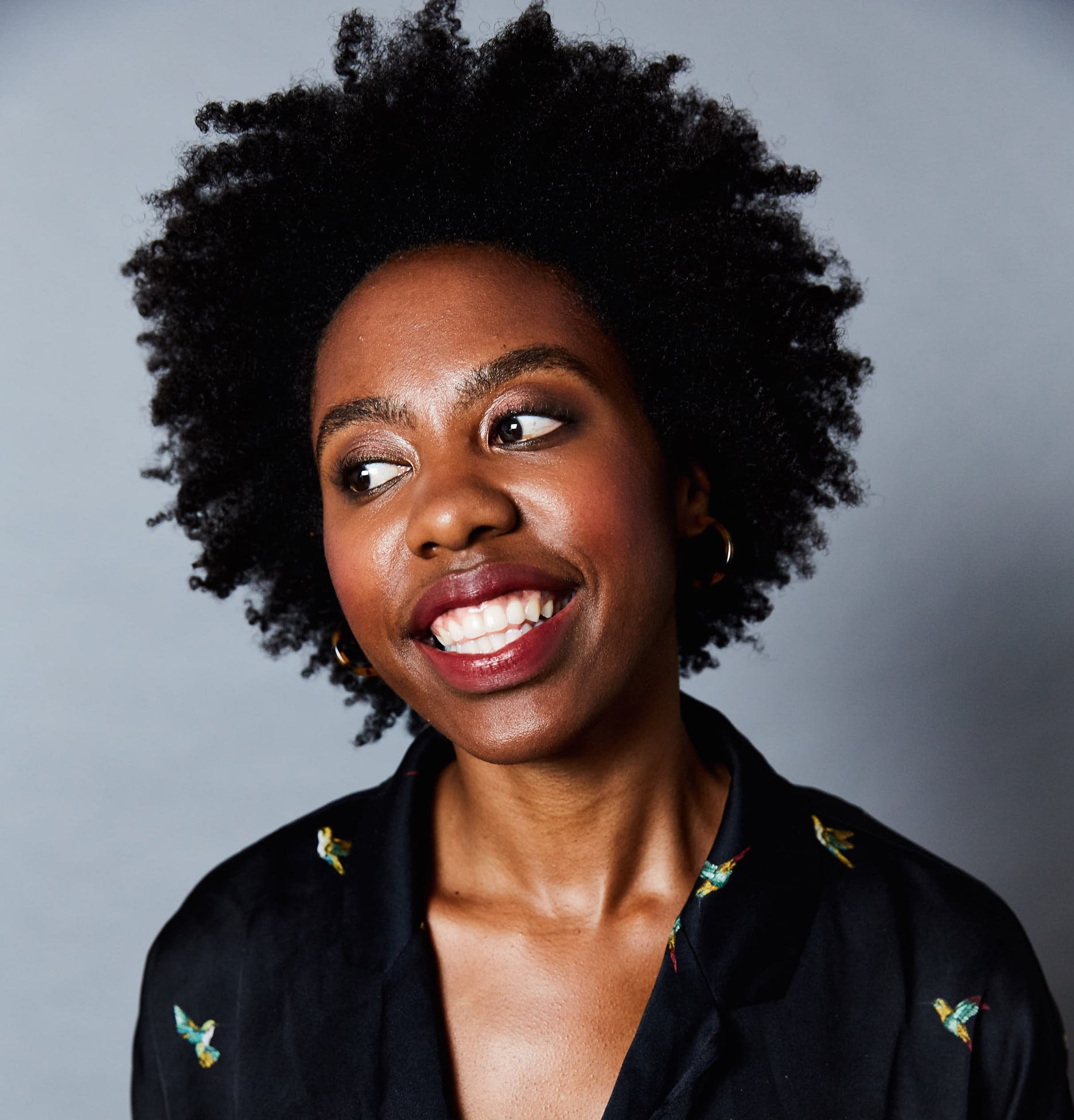
“People talk a lot about community, but nobody really knows how to build one,” says Naomi Emiko, co-founder of marketing agency TNGE Global.
Even if the infrastructure behind it is a mystery, she predicts “community” will remain a buzzword for brands this year. To figure it out, she envisions them more actively participating in conversations to flesh out where and when they fit into consumers’ lives and speak with their audience rather than at them. “Brands need to understand that they’re part of an ecosystem,” she says. “They’re not an entity that exists on an island.”
That philosophy underpins the work of TNGE Global, the Berlin-based marketing agency Emiko started in 2022 with Tracy Gabrielle. The firm operates at the intersection of creative direction, growth marketing and strategy, an approach shaped by the co-founders’ years in roles across beauty, fashion and media. TNGE Global works with a mix of indie upstarts, celebrity brands and global beauty companies, including nail care brand Gitti, sunscreen startup My Block Skin, Primally Pure, The Outset and Sonsie.
Below, Emiko expounds on how brands should be thinking about marketing in 2026, touching on six major themes she believes will underpin how beauty companies drive influence, loyalty and long-term growth in a packed market.
1. Ritual as ownable brand equity
The days of solely strategizing around stunning visuals are in the past. Emiko stresses brands must market around rituals or repeatable micro-moments. “We’re entering the era where beauty brands need to excel at behavioral resonance,” she explains. “Any brand that wants to retain a share of the conversations needs to ask, ‘What role do we play in the customer’s emotional ecosystem?’”
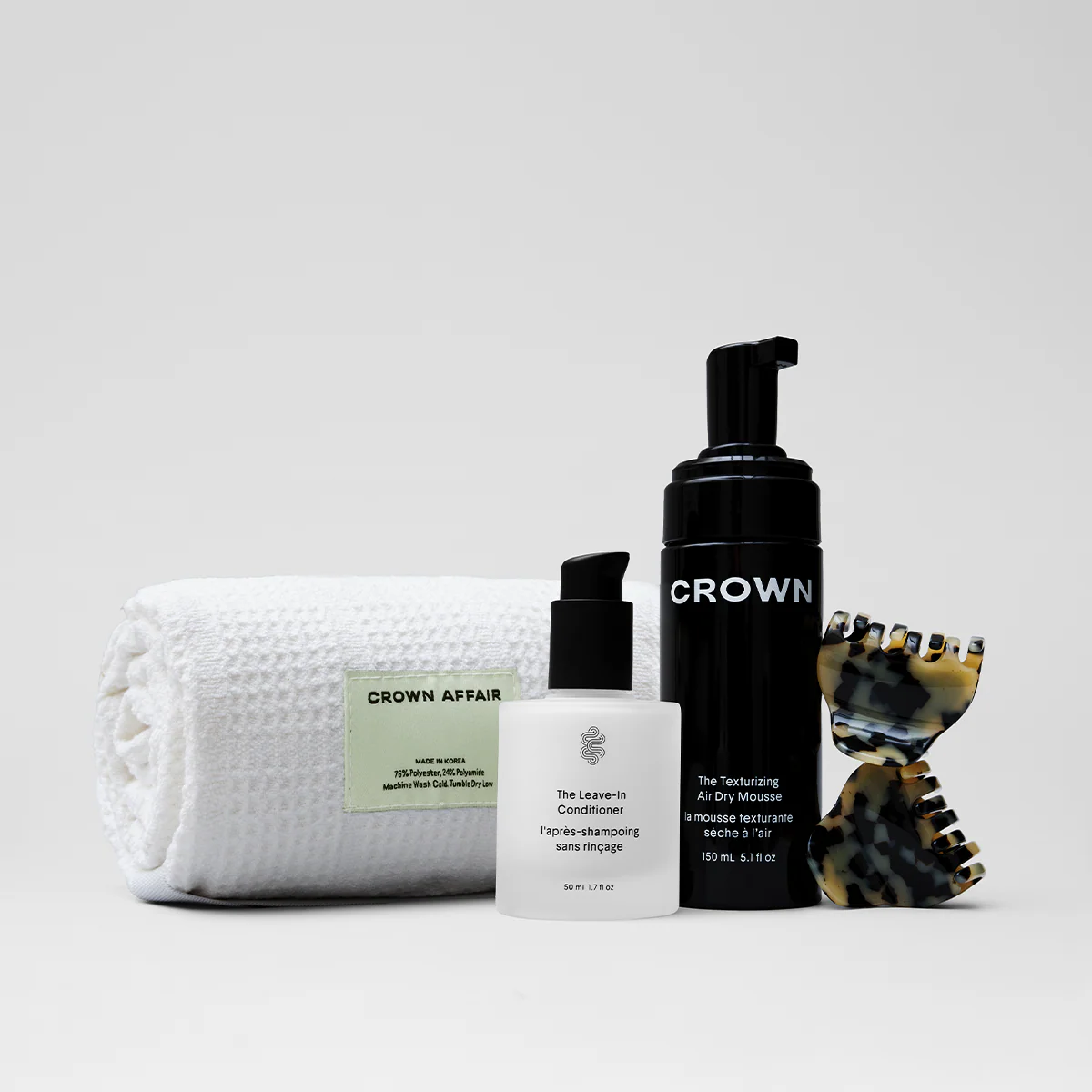
She points to Crown Affair as an example. She commends the prestige haircare brand for becoming synonymous with heat-free hair rituals, embodying those rituals in its imagery and entire product portfolio. “You need to really own a share of your consumer’s life, and how do you do that? You need to be incorporated into that routine,” says Emiko. “You need to understand where you fit in and how you can brand that moment beyond just giving them the product to be used in that moment.”
Emiko argues owning a moment is doable for both new and existing brands. For the latter, it’s worth looking at bestselling products and hero categories, spaces that the brand can have real authority in, and zooming out from there. “Even if you’re not a big corporate, you need to understand, where do people perceive your strengths? And not just say, OK, I want to be in that category or I want to brand this ritual,” she says. “It really needs to make sense from an organic consumer perspective.”
2. Authority over influence
Emiko doesn’t foresee the demise of influencers, but she posits that there will be a dramatic power shift toward creators with credibility, including educators, chemists, clinicians and researchers. “We’ll see the rise of ‘functional fame,’ people who become culturally dominant because they help us make sense of the world,” she says. “These will eclipse aesthetics-only influencers.”
Emiko cautions, however, that partnerships with authorities tend to be scrutinized more heavily than standard influencer deals. She suggests brands treat expert partnerships as trust-based collaborations rather than mere media placement.
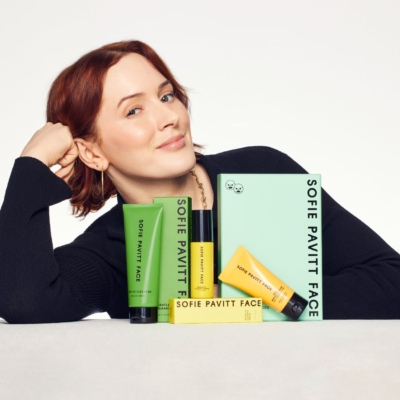
Parallel to the shift, Emiko predicts a new wave of expert brand founders. They’ll be aestheticians, celebrity makeup artists and hairstylists. She highlights facialist Sofie Pavitt as an exemplar of the new wave.
“The next crop of celebrity founders won’t come from Hollywood, but from labs and longevity clinics. Authority becomes the new entertainment and comes with an almost inevitable trust factor,” says Emiko. “It’s really going to be those who also have a lot of social cred because they work with celebrities or aesthetically have amassed a substantial following or credibility in that space.”
3. The potential of “problems”
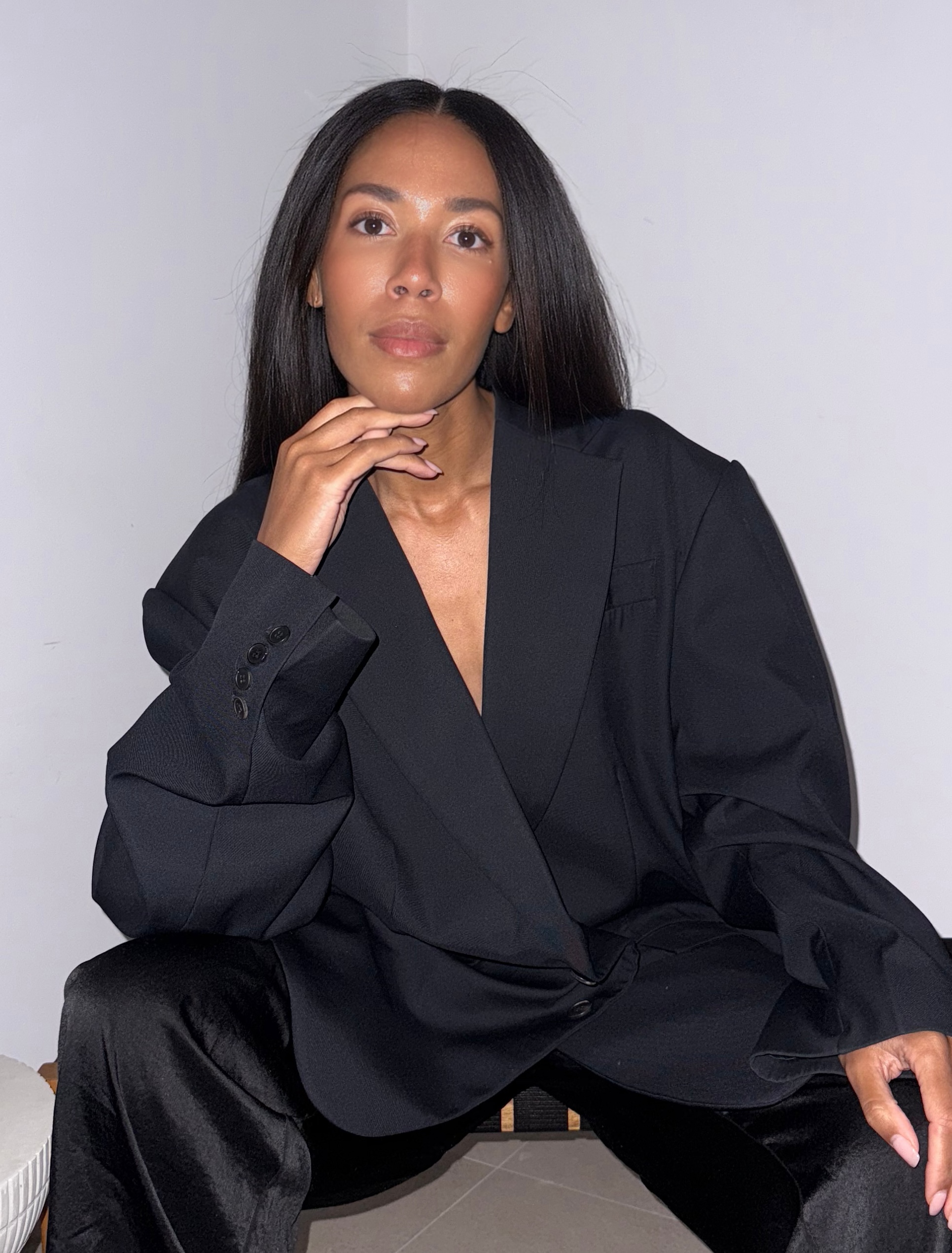
Starface, Topicals and Soft Services have focused on skin issues once viewed as taboo. With consumers more open about those taboo concerns, Emiko says brands have an opportunity to meet that candor with products, rituals and messaging designed around acceptance rather than concealment.
She points to preventative aging and conditions such as rosacea as fertile ground. She says, “There’s a lot of ‘we’re sensitive skin friendly’ or ‘we’re rosacea friendly,’ but if you really dig deep, I think there’s a lot of room for a brand to tap into.”
4. Marketing as emotional diagnostics
Instead of promoting products as hydrating or brightening, Emiko predicts that brands will shift to marketing that concentrates on emotional states and moments. She lists descriptions like the “post-train emotional reset” and the “morning clarity primer” as examples. She says, “Brands need to look at if they can own the post-gym moment or the pre-gym moment or the touchup moment before the office or the moment where you want to just hear nothing and be unplugged and not be overstimulated.”
5. From personalized to hyperpersonal
Emiko believes data-driven product recommendations will become more prevalent, sophisticated and relevant. “Recommendations will become increasingly non-generic,” she says. “With the help of AI, brands and retailers will have to hyperpersonalize their CRM to deepen emotional connection and increase loyalty.” She adds, “You need to find a way to get closer to your consumer and to try to understand them more on an individual level, and I think that’s where AI can really truly help.”
6. The opposite of optimization
“After years of optimization culture, consumers are trending toward softness, recovery and anti-performance. Instead of constantly marketing the striving for self-improvement, brands that speak to ‘enoughness’ will outperform those pushing the hustle,” says Emiko. “The term ‘self-care’ is so overused, but I think it’s really about getting customers to understand, OK, I don’t need this cream to fit into a certain beauty standard or to look a certain way or to make my makeup glow. I want this cream because I’m doing something for myself through an ingredient or through a sensory experience.”


Leave a Reply
You must be logged in to post a comment.