In A Noisy World, Founders Reprioritize Their Roles To Focus As Their Brands Grow
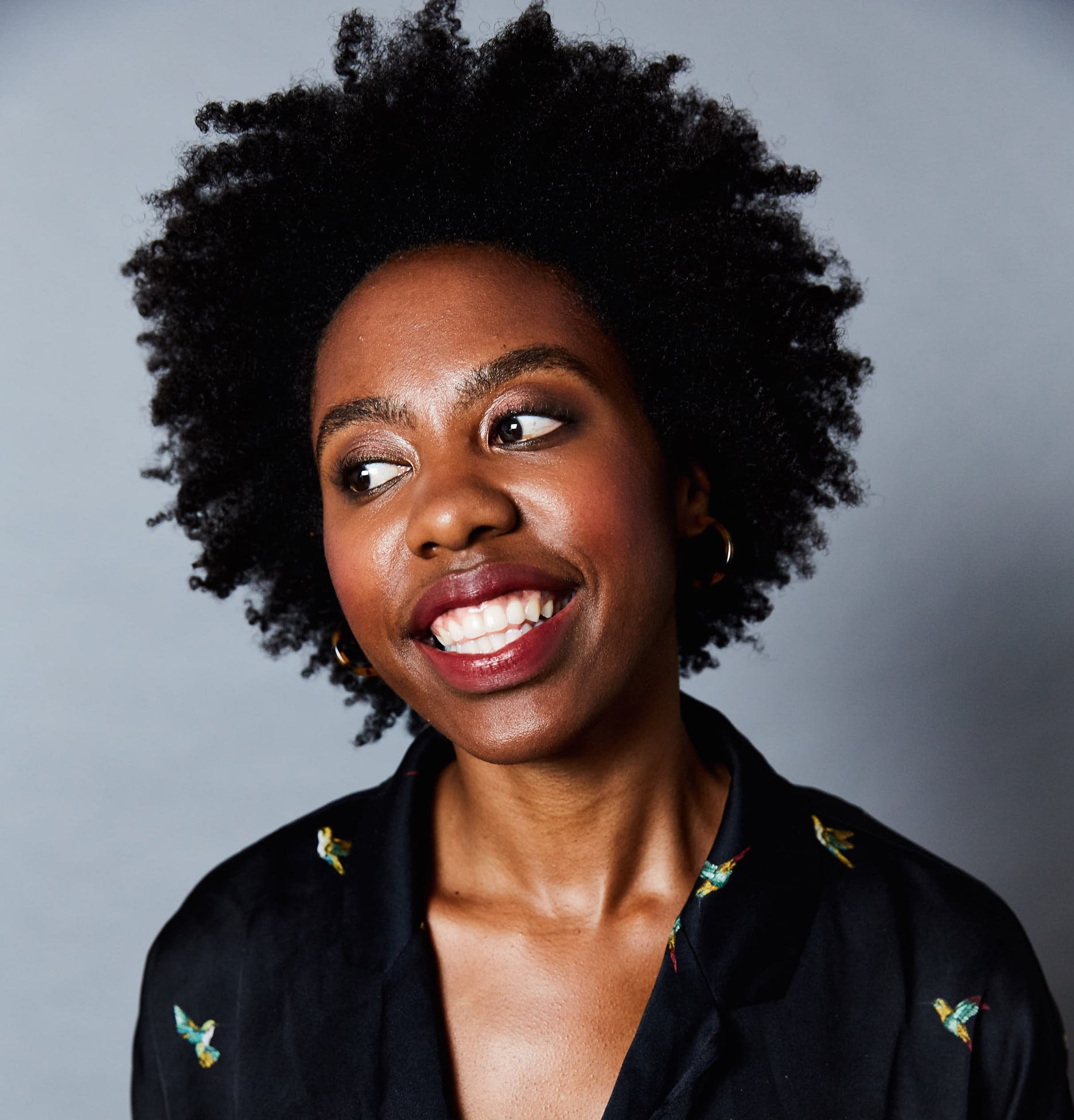
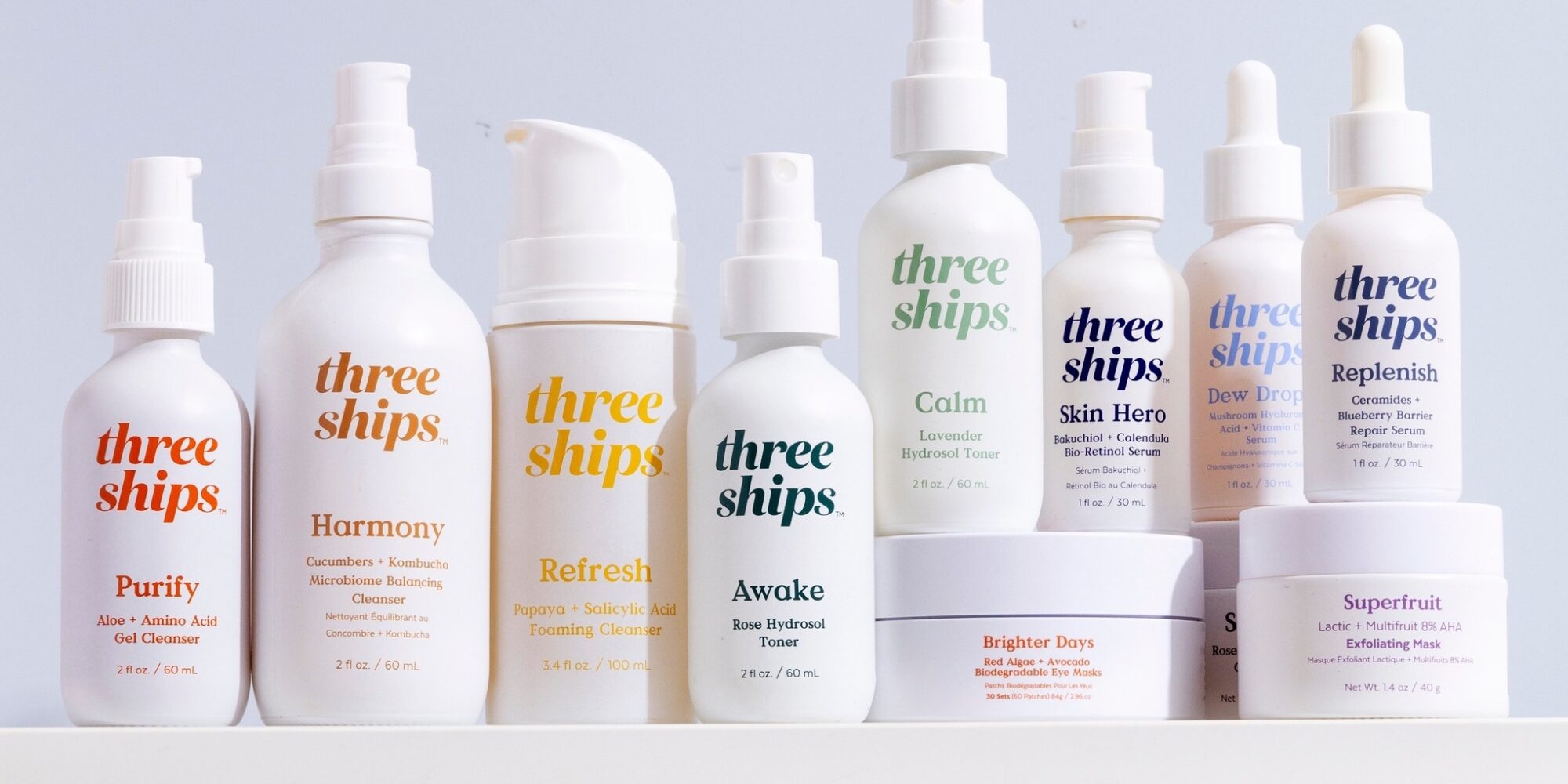
Six years into Three Ships Beauty, Connie Lo is shifting from a scrappy co-founder to a true co-CEO to help scale the skincare brand from $16 million in sales to $50 million over the next two to three years.
Outlined in a Feb. 22 Substack post, some of the changes she’s making to support the brand’s next growth phase include fewer meetings, skipping misaligned speaker events and podcasts, participating in intentional networking, building her presence as a thought leader and blocking off calendar slots for periods of deep focus.
“I can outwork just about anyone. But that only gets you so far,” she writes in the post. “I know (and have experienced) that working hard instead of smart for too long leads to burnout, and I don’t want to be the reason my company is held back from truly scalable growth that doesn’t rely entirely on the founders’ direct output.”
Inspired by Lo’s Substack post, for the latest edition of our No Stupid Questions series, we asked 17 founders the following: What are some ways you’re reprioritizing work as your brand scales?
-
 Quynh Mai Founder, Qulture Agency
 1. Sharing my point of view publicly.
Culture, technology and brands are shifting quickly. I’ve always had strong opinions about where things are going, I just haven’t always shared them. Historically, I’ve been comfortable operating behind the scenes. That’s changing.
I’m stepping forward with more visible thought leadership through newsletters, events and first-person POV videos, not because I need visibility for its own sake, but because I believe founders and operators benefit from grounded, real perspectives, especially from those of us building in real time. If I have insight that can sharpen someone else’s thinking, it’s my responsibility to contribute it.
2. Leading with questions, not just answers.
As CEO, there’s an implicit expectation that I should have direction, clarity and conviction. That part doesn’t change. What has evolved is how I get there. I’ve deliberately cultivated a posture of curiosity. I try to ask as many questions as I answer. I want to hear opposing views, emerging ideas and perspectives that challenge my own assumptions. That discipline strengthens my strategic thinking. Clarity is rarely born from certainty alone; it’s formed through synthesis.
3. Redefining “hard work.”
As a founder, I’ve always prided myself on being the hardest worker in the room. That identity served me well in earlier stages. But this phase requires something different. We’re entering an era where ideas, discernment and original thinking carry more leverage than sheer output. With so much AI slop flooding the market, creativity and perspective are becoming premium assets.
Scaling myself now means working smarter, not simply harder. It means protecting my thinking capacity as intentionally as I once protected execution.
4. Making space to think.
Blocking time to think, dream and create used to feel indulgent, especially with a mile-long to-do list. Now, I treat it as non-negotiable. Strategic clarity does not emerge in between meetings. Vision does not happen reactively. The future of the business requires spaciousness: Mental, emotional and creative. That time is where I reconnect to why I’m building in the first place. It’s where new paths form. And it’s what allows me to stay energized enough to keep loving the work.
- Maya Smith Co-Founder, The Doux
As we scale, I’m getting back to what brought me here in the first place—haircare, culture and education—while also being more disciplined about where my time goes. That means spending more time behind the chair and inside the stylist community. That’s where the real feedback lives.
It keeps me connected to the professionals and consumers we serve, and it ensures our products and messaging stay rooted in truth, not trend. Service through education has always been part of my assignment, and I’m leaning into that even more.
At the same time, I’m protecting my calendar. I don’t need to be in every meeting. I need to be in the rooms where I’m shaping vision, developing product and preserving the culture of the brand. As CEO, my role is clarity and direction. When the right people own their lanes, I can focus on the few things only I can do.
- Lindsay Holden Co-Founder, Odele
I so can appreciate Connie’s transparency as well as the founder journey she is on. With a full leadership team at Odele now in place, my co-founders and I have had to look at each of our roles with scrutiny and, frankly, with brutal honesty about what it is we want as well as what the business needs from us moving forward.
For me, that means actively getting out of working in the business to creating the space and time to more proactively work on the business. Thinking one, two, three years ahead, painting that brand vision across all touchpoints and trusting/empowering the team to go after and realize the ambitious goals we establish.
I loved the early founder stage. It’s scrappy, it’s fast-moving, it’s high risk and high reward. I truly think it’s in the details where the magic can happen, so letting go of these details is a big shift. That being said, staying there is not at all scalable or sustainable.
Similar to Connie, I am reprioritizing how my time is spent to focus on where I can have the most impact, add the most value and get out of the way for the stellar team we’ve built so they can run.
Things I’m doing more of and therefore what I'm doing less of include: Owning my calendar versus letting it own me, networking, mentoring, reading, learning, leaning in on earned, establishing Odele as leader and fantastic partner in carving out what it means to elevate what a mass brand can deliver.
- Alicia Yoon Founder and CEO, Peach + Lily
As our business scales, I’m spending more time evaluating and setting high-impact, measurable objectives that deliver value to our bottom line and long-term mission. Our approach has always been an inch wide and a mile deep: leveraging strategic focus to effectively penetrate our white space in efficient ways.
We're a lean team so clarity is key because we can't boil the ocean. Tactically, this translates to deep collaboration with my leadership team, rolling up my sleeves and digging into insights, aligning on the highest-impact initiatives and reviewing greenfield experimentation through the lens of clear KPIs.
- Jamie Chandlee Co-Founder, Erly
In year one, I said yes to almost everything. My co-founder and I traveled constantly, took every intro meeting, chased every opportunity. It was scrappy and necessary, but not sustainable as we began to scale.
Now, I’m much more intentional, taking fewer meetings and protecting bigger blocks of time for real decision making. I’ve learned that I’m most productive when I’m at my desk all day, heads down on strategy and then fully present with my family in the evening. That rhythm makes me a better operator and a better leader.
I’m also more thoughtful about traveling. If I’m getting on a plane, it has to be high impact versus reactively jumping around. I’ll stack the schedule, load up meetings and make sure that every trip meaningfully moves the business forward.
And across the board as founders, we are choosing depth over volume. We are strategic in aligning with fewer, more aligned, brand-right partners. We are looking to step away from distractions and instead move toward focusing on what truly builds long-term brand equity.
For me, working smarter has meant realizing that growth doesn’t require more noise. It requires clarity, discipline and protecting the energy that actually drives the brand forward.
- Sarah Chung Park Founder and CEO, Landing International
Fewer, deeper relationships over broad networking. I used to say yes to every coffee and intro call. Now, I'm much more intentional. I’d rather go deep with 10 people who are genuinely aligned with where we're going than stay surface-level with 100.
Saying no to things that don't compound. One-off opportunities are everywhere in this industry. I've learned to ask, does this build toward something bigger or does it just feel productive? If it's the latter, it's probably a no.
- Sejal Patel Founder and CEO, Plantkos
As CEO, I’ve had to fundamentally rethink how I spend my time as the brand scales. In the early stages, my role was deeply operational: product development, messaging, partnerships and even day-to-day marketing decisions.
That level of involvement was necessary to build the foundation of the brand, but growth has required a different kind of discipline. I’ve had to shift from executing the work to designing the conditions for the work to succeed.
Today, I’m intentionally prioritizing long-term decisions over short-term urgency. That includes focusing on strategic positioning, strengthening retail and distribution relationships, shaping our capital strategy and building systems that support where the brand needs to be three to five years from now, not just next quarter.
One of the biggest mindset changes has been learning to let go of areas I once held closely. Making deliberate strategic hires has allowed me to step back from execution and ensure the right experts are leading key functions with clarity and accountability. My role is evolving from operator to architect.
I’ve also become much more protective of thinking time. As a founder, the instinct is to respond immediately to every email, every problem, every request, but scaling a brand requires space to think, not just react. Learning to pause and distinguish between what feels urgent and what is actually important has been one of the hardest and most valuable lessons I’m still practicing every day.
- Carrie Sporer Co-Founder, Swair
Similar to Connie Lo, we’ve become much more intentional about protecting our time and energy. We now block Mondays for deep work with no calls, allowing us to focus on strategy at the start of the week instead of reacting to emails and meetings. That shift alone has helped us move faster on delayed projects, such as revamping our ambassador program and finally starting a blog.
For the end of the week, we formalized dedicated co-founder time every Friday to review upcoming deadlines and priorities for the coming month. By batching these conversations, we save time and brain power. We've found that clearly defining the beginning and end of our week creates a rhythm that protects momentum and makes us significantly more productive.
Additionally, we're leaning heavily into AI to streamline workflows across marketing, content and operations, allowing us to scale output without requiring more time. It eliminates hours of manual lift each week, which has been an absolute game changer. The extra time in our workday has improved our mental health, allows us to network more frequently and frees us from much of the minutiae of the business.
- Mandys Peña Founder and CEO, Simply Mandys
As Simply Mandys continues to grow, I’m learning how to be more intentional with my time. I’m focusing on the things that move the business forward, and for me, that means staying close to our customers, especially through TikTok Lives. This is where I get real feedback, understand what they really want and make improvements quickly. This connection with my customers really helps me make better decisions faster.
I’m also prioritizing delegating and building the right team and partners around me to ensure we can continue to scale in a way that is strong and also sustainable. For me, working smarter means protecting my energy for the things that will make the biggest difference.
- Ashley Edwards Founder and CEO, MindRight Health
As we scale, I’m intentional about protecting time for uninterrupted thinking and deep, focused work. It’s easy to get pulled into day-to-day decisions, but, as CEO, my role is to ensure I’m making thoughtful, strategic choices that position us for sustainable, impactful growth, not just fast growth.
- Kiku Chaudhuri Co-Founder, Shaz & Kiks
At Shaz & Kiks, we have a small and intentional team, so we have set up frameworks around focus, not frenzy and being overwhelmed.
The One-Focus Principle. We don't multitask larger initiatives. At any given time, the business has one primary focus. Everything else is either queued or dropped. This keeps us from the trap so many founders fall into, being busy but not being effective.
The Effort/Return Matrix. Before we commit to anything, we score it. We rate each task or project on a simple one-to-three scale for effort required and expected return or impact. A one-effort, three-return? We do it immediately. A three-effort, one-return? It goes to the bottom of the list. It removes emotion from prioritization and makes it data-driven, even at our scale.
Time Off Is Just As Important as Time On. Every Friday evening, we encourage our marketing/social team to remove Instagram and TikTok from the home screen (or at least don't get on the brand's account). They don't come back until Monday morning. This is a much-needed regular built-in break for both personal and professional socials, clogging up our brains. We come back on Mondays with actual energy and excitement, and we are more effective in those five working days.
We Stay In Our Lanes. As co-founders, we exercise trusting each other and allow the other one to make executive decisions without wasting too much time discussing it. No death by committee here. We left our corporate jobs so we can be agile decision-makers, and we allow each other to do that.
- Colleen Rothschild Founder, Colleen Rothschild Beauty
One of the biggest ways we work smarter, not harder, is through strong project management and cross-team collaboration. As our company has grown, we’ve implemented a centralized project management system using Monday.com across every department, from product development and marketing to e-commerce and operations.
All of our boards are connected, which allows teams to see how projects move from concept to launch in real time. This level of visibility keeps everyone aligned, reduces duplicated effort and helps us prioritize what truly moves the business forward. Ultimately, the more clarity and collaboration you create internally, the more efficiently your team can execute.
- Katie Sturino Founder, Megababe
Honestly, scaling smarter for us has meant cutting the busywork and focusing on what we know actually moves the needle. It’s not about piling on meetings or launching for the sake of launching; it’s about fewer, bigger hero products, strong retail partners and staying in constant conversation with our community. If something doesn’t clearly help the customer or grow the business, it’s a no. Staying focused and scrappy has always been our edge.
- Cece Meadows Founder and CEO, Prados Beauty
In the early days, I did everything. Now, scaling requires restraint. I’m prioritizing strategy over hustle: fewer meetings, more intentional partnerships, stronger systems and clearer boundaries. Growth isn’t about doing more; it’s about doing what actually moves the brand forward. Working smarter means being disciplined about where my energy goes because, as a founder, my focus is one of the company’s most valuable assets.
- Alexandra Fine Founder and CEO, Dame
One thing I’m doing is reducing internal meetings. Getting really clear on what my priorities are and only taking meetings that align with those, which is so hard! I love sparkly ideas, and I always want to do more, but right now I want to optimize our inventory procurement with AI and improve our supply chain. So, if you email me about a new marketing tool, I’m not responding.
Lastly, and I think this is the biggest hack, just putting the pen down. If it's 6 p.m. and a parent night (a night I want to parent), and I said I'd get something of medium priority done and it isn't done, well, I didn't get it done, and that's OK. That is a really hard lesson as a boss. For me, this is less about working smarter and more about making sure I'm prioritizing life outside of work.
- Jack Jia Founder and CEO, Musely
Agreeing on the networking part. Yes, it is the CEO’s job to be out there to represent and promote your brand. I don’t think that the CEO can work less hard or know fewer details needed to make critical decisions as you scale, at least not for an innovation-driven company. As a company scales, it is quite easy to lose touch and lose that founder-mode mentality, therefore the business will suffer.
Uniqlo founder/CEO Tadashi Yanai at age 77, who is the richest person in Japan, still runs the company like when he was young. His hands-off professional CEO successors didn’t work out. Capital One founder and CEO Richard Fairbank at age 75 shares the same insights on being hands-on to beat American Express and other big traditional banks.
- Colby Mitchell Co-Founder and CEO, Swan Beauty
As co-founder and CEO of Swan Beauty, I’ve come to understand that the pace of startup life is relentless and time is your most finite resource. As a mother of three boys, I’ve also learned the importance of working smarter rather than harder, and that being present means more than just showing up physically. It requires being mentally engaged across every area of your life.
To build a healthier relationship with both work and home, I’ve adopted strategies that have genuinely changed how I operate: empowering my team through meaningful delegation, trusting the people I’ve hired to own their responsibilities, making decisions grounded in data rather than instinct alone, cultivating networks that are intentional and reciprocal, and using time-blocking alongside feedback to stay both focused and adaptable. These aren’t just productivity tactics. They’re how I’ve learned to lead with intention.
If you have a question you want Beauty Independent to ask founders, send it to [email protected].