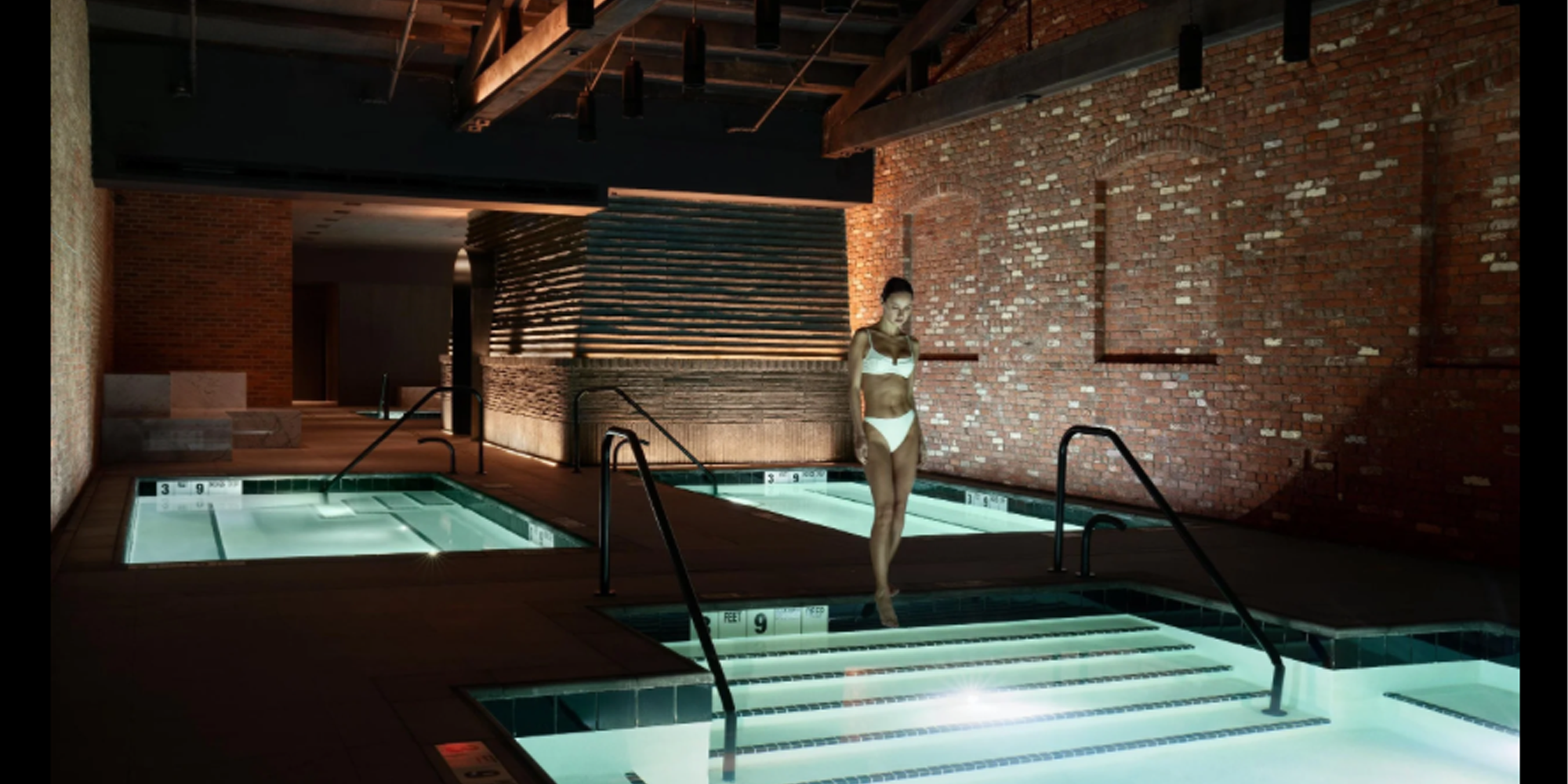

Already an “it” sauna destination for Manhattan’s wellness cognoscenti, Bathhouse has raised $35 million from Imaginary Ventures and other investors as it looks to take its in-demand concept to more markets.
The funding, disclosed in filings with the United States Securities and Exchange Commission last May, gives the company an advantage in what Vanity Fair has called New York City’s “sauna wars,” pitting it against competitors including Othership, which has raised about $20 million in total; Lore Bathing Club, Schwet and Altar, which appear to be bootstrapped so far; and Remedy Place, a bi-coastal broader wellness format incorporating private sauna suites that has raised roughly $5 million. The round included 28 investors, among them members of celebrity venture capital advisory firm Plus Capital’s collective such as Klay Thompson, Marcus Smart and DK Metcalf, as well as Imaginary Ventures, an investor in Westman Atelier, Glossier, Reale Actives, Point of View and Kosas.
Bathhouse was founded in 2019 in Williamsburg, Brooklyn, by real estate investor Travis Talmadge and hospitality operator Jason Goodman, longtime friends who set out to modernize bathhouse culture for a performance-driven, social wellness audience. Five years later, it opened a second location in the Flatiron neighborhood. The company told Forbes late last year that it plans to expand soon to 10 locations nationwide.
Bathhouse day passes start at about $39, with pricing varying by time and demand, while memberships range from roughly $145 to $225 per month, and treatments like massages can cost $130 to $260 or more. Developed with Rockwell Group and Colberg Architecture, the company’s New York City locations each span about 35,000 square feet and feature thermal pools, dry saunas, steam rooms, cold plunges, a café and treatment rooms. Goodman told Forbes the design has a “Dune, John Wick” sensibility.
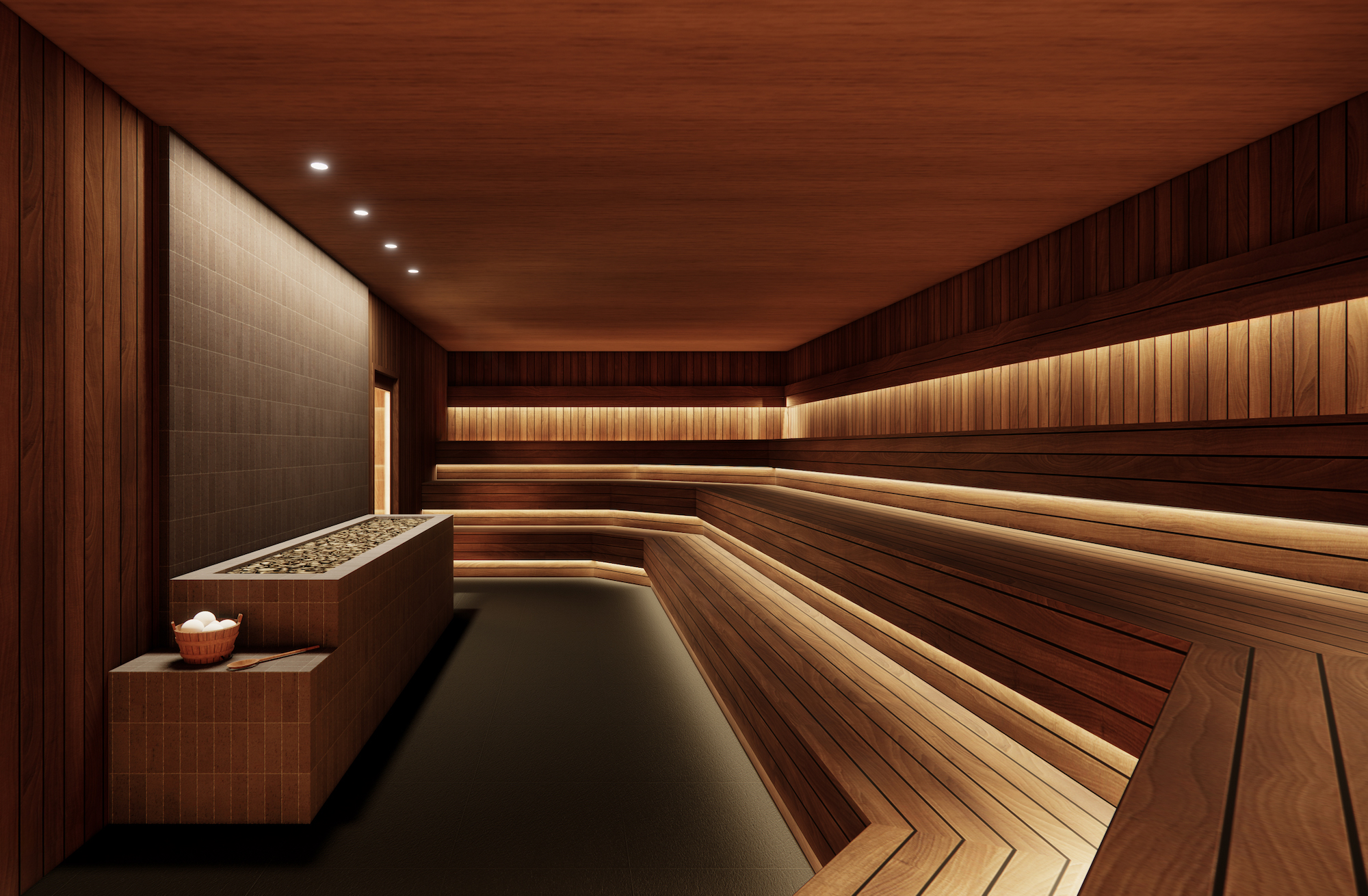
One of Bathhouse’s next moves is in Los Angeles, where it’s taking over Amoeba Records’ Sunset Boulevard location to occupy 85,000 square feet, encompassing 30,000 square feet of outdoor space, according to Los Angeles Magazine. Chicago and Nashville are on Bathhouse’s roadmap, too, along with additional locations slated for New York City and the tri-state area. Across its markets, Bathhouse competes with older bathhouse formats, like Korean spas in LA, that have long attracted patrons with affordable, stripped-down offerings.
New York’s contrast therapy aficionados will always name-check the 130-year-old Russian & Turkish Baths on Manhattan’s Lower East Side or the more clandestine Coney Island spot Mermaid Spa, but many sauna neophytes and athletes are gravitating toward the luxe experiences of emerging concepts like Bathhouse, Lore Bathing Club and Othership. These upstart bathhouses are part of a broader social wellness movement, where consumers, often sober or sober-curious, are swapping bars and nightclubs for communal wellness experiences.
Upscale bathhouse, sauna and contrast studio concepts have proliferated in the U.S. in recent years as the multitrillion-dollar wellness industry brings sauna culture, a tradition in many Asian and European countries for centuries, to the market. While North America boasts the largest spa industry in the world, about double the size of the next biggest market, China, the $1.61 billion thermal and mineral springs industry here is dwarfed by those in the Asia-Pacific and Europe regions, which were valued at over $37 billion and $29 billion, respectively, in 2024, according to data from the Global Wellness Institute. North America’s segment, by comparison, was valued at just over $1.6 billion.
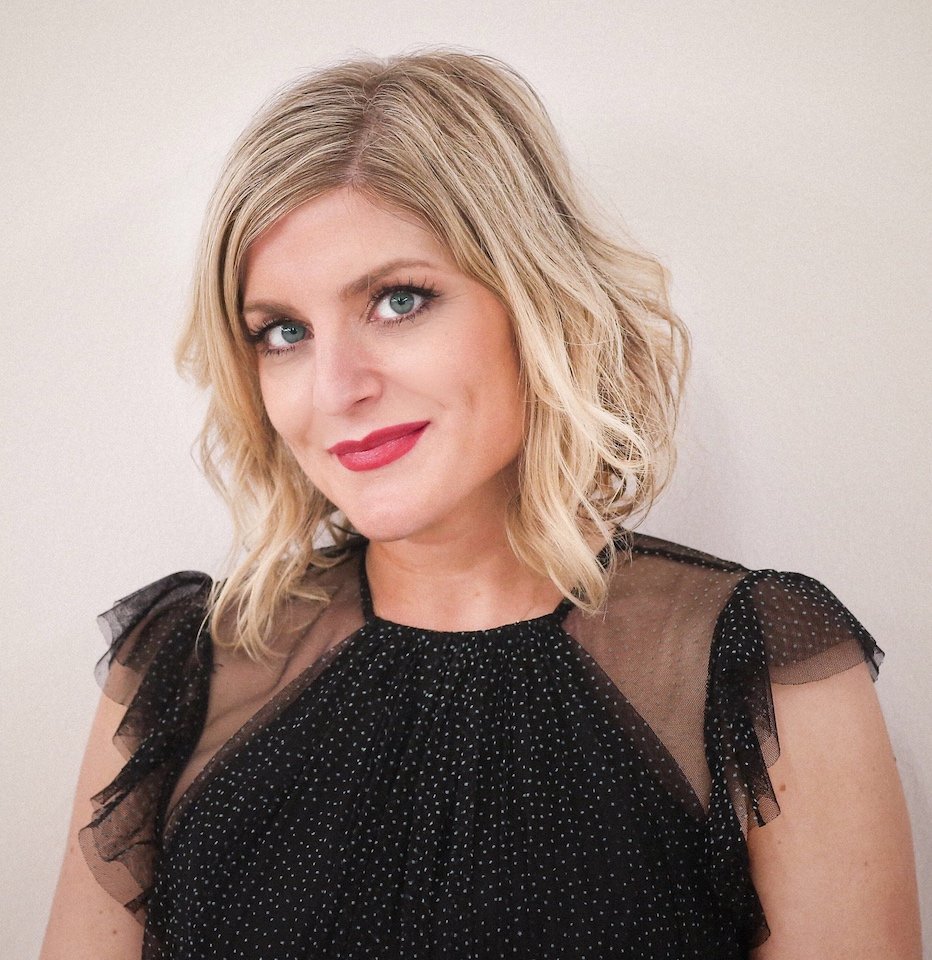
Courtney Wittich, author of bathing-focused Substack S.P.A. Newsletter, argues North America is far from hitting peak sauna. “The wave of new options is a useful catalyst giving people access to figure out what style of bathing actually suits them, their wallets and their wants/needs,” she says. “The next frontier is pricing. As more locations open, competition will drive costs down, and the practice will finally become as routine as it should be.”
Click here to learn more about Dealmaker Summit running from June 8 to 9 in New York.