Bubble Founder Shai Eisenman On Winning Across Generations, Gen Alpha And Not Selling (For Now)
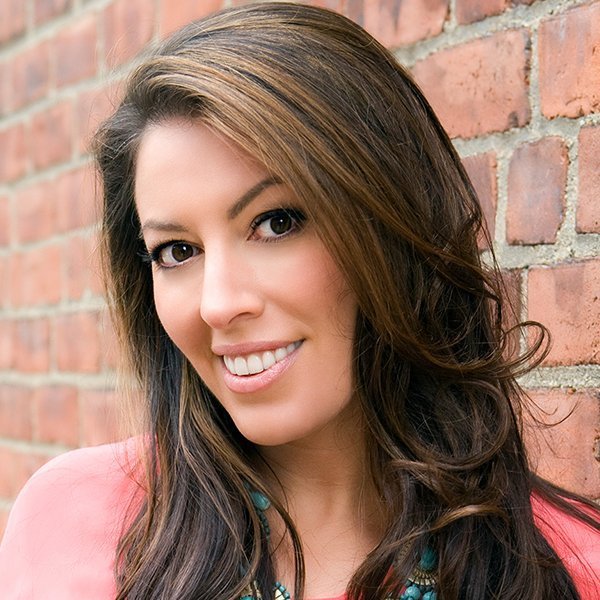
Five years ago, Shai Eisenman looked at the skincare aisle and saw a disconnect.
Prestige brands were delivering innovation, but often at prices out of reach for younger consumers. Meanwhile, mass skincare was dominated by legacy products that hadn’t evolved much from when previous generations grew up using them. Eisenman felt there was room for something different: prestige-quality skincare at mass-market prices. That thesis became Bubble.
Launched in 2020, the brand entered a crowded category with an unconventional strategy. Instead of relying on celebrity founders or splashy marketing, Bubble focused on affordability, efficacy, community and the guidance of dermatologists through its dermatology advisory board. Consumers helped shape the brand from the beginning, weighing in on everything from its name to product development and partnerships.
Over five years later, the approach appears to be working. Bubble has surpassed $500 million in lifetime retail sales and expanded to 17,000 doors across Walmart, Target, Ulta Beauty and CVS. The brand was estimated to reach around $170 million in annual sales when it hired Centerview last year to explore strategic options. Bubble has also grown its ambassador community to more than 100,000 members, giving Eisenman an unusually close view of how younger consumers discover, evaluate and purchase beauty products.
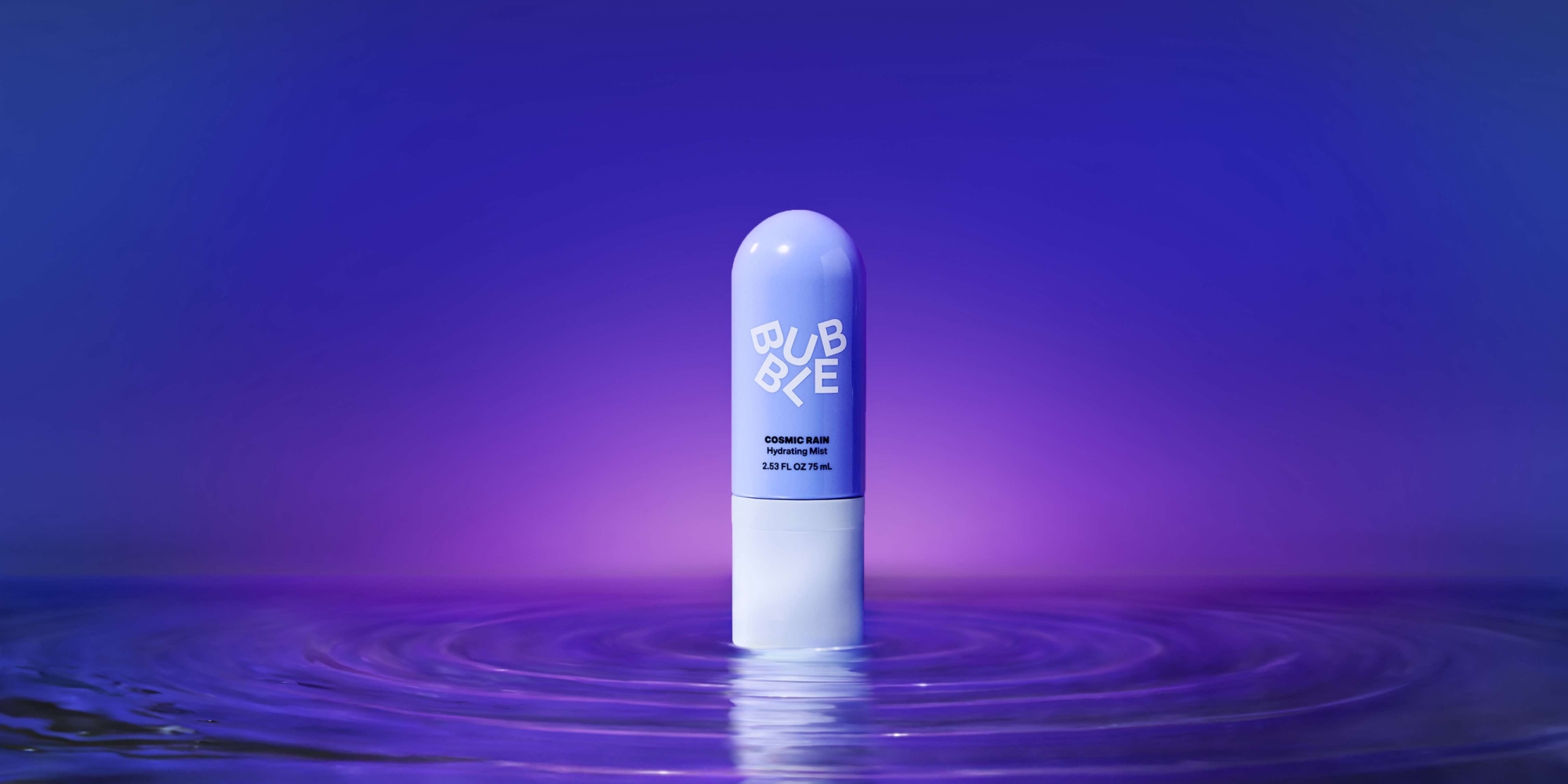
Those insights led to Bubble’s newest launch, Cosmic Rain, a $16 dermatologist-developed hydration mist debuting today. Inspired by the success of Bubble’s bestselling Cosmic Silk moisturizer, the mist combines aquaxyl, glycerin, hyaluronic acid, ceramides, allantoin and rice bran water in a milky spray designed to deliver hydration and support the skin barrier. For Eisenman, the launch is less about a single new item and more about what it reveals about where consumers are headed.
After years of increasingly elaborate routines and viral product cycles, she believes beauty may be entering a period of simplification. She argues consumers are more value-conscious and interested in products that solve multiple needs at once. As consumers simplify, Bubble is navigating its own next chapter. Despite industry speculation about a potential transaction, the brand has opted against a sale (for now), instead continuing to pursue what Eisenman describes as a singular goal: becoming the leading brand in mass skincare.
In a conversation with Beauty Independent, Eisenman discusses gen alpha’s worldview, beauty fatigue, TikTok Shop and the realities of scaling without private equity.
Bubble recently crossed $500 million in lifetime retail sales. Looking back, what did the industry get wrong about the opportunity you saw?
What surprised me most is how strongly consumers responded to the idea that they don’t have to choose between affordability and efficacy. Consumers had access to innovative skincare, but often only at prestige price points. At the same time, many of the affordable products available to younger consumers were the same products their parents had used for decades. We believed consumers shouldn’t have to choose between affordability and efficacy.
A lot of people still associated price with quality. Millennials were really raised on that idea. If something cost more, it had to be better. We believed younger consumers were beginning to challenge that assumption.
Today, we’ve crossed $500 million in lifetime retail sales, sold more than 15 million moisturizers and expanded to 17,000 retail doors across Walmart, Ulta Beauty, Target and CVS. To me, that validates the idea that consumers want prestige-quality products at accessible prices.
Bubble has built one of the largest ambassador communities in beauty. How central has that community been to the brand’s growth?
It’s everything. We have more than 100,000 ambassadors, and they’ve been involved since the very beginning. They helped choose the packaging, the branding, the name, the mood boards. They influenced product development, marketing and partnerships.
I genuinely believe Bubble is one of the only brands that was built alongside its community from day one. Even today, we conduct research with them every two weeks. We ask what they’re excited about, which brands they’re paying attention to, what they’re seeing on social media, which creators they follow and what trends they’re noticing. Our ambassador community remains our biggest growth driver.
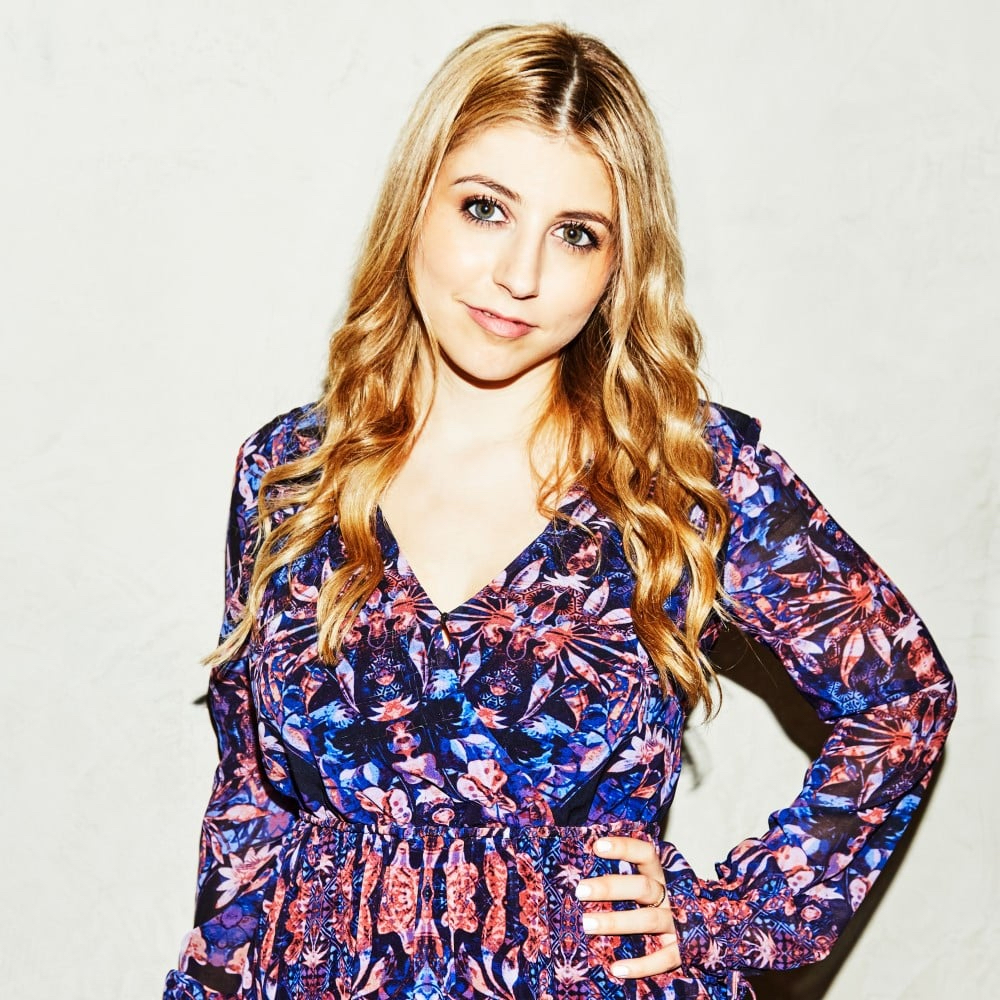
How does that feedback inform actual business decisions?
We’re looking for patterns. When we repeatedly heard consumers talking about Poppi prebiotic soda, that eventually led to our collaboration. The same thing happened with American Eagle.
The American Eagle partnership was particularly interesting because our community wanted to engage with Bubble beyond skincare. We knew apparel wasn’t our expertise, but we thought American Eagle could help us bring the Bubble aesthetic into a category they know extremely well. The collection has been incredibly successful and is now available in more than 200 stores.
You have a unique vantage point on both gen Z and gen alpha. What does gen alpha understand that the industry doesn’t?
Gen Z fundamentally changed how consumers think about value. They were the generation that challenged the idea that expensive automatically means better. Gen alpha understands that, too, but I think they’re different emotionally. They’re less cynical. They’re less sarcastic. They’re more optimistic.
Part of that may be because they weren’t in their formative years during COVID. They seem more excited about the future and more open to possibility. I see it through our consumers, but I also see it at home. My daughter was 2 years old when I started working on Bubble. Today, she’s 10. Watching how her generation approaches the world compared to older gen Z consumers is fascinating.
The beauty industry often describes younger consumers as fickle. Do you agree?
I don’t think they’re fickle. I think they’re curious. They’re willing to experiment. They’re willing to try new things. They’re very engaged with trends. But curiosity and disloyalty aren’t the same thing. When they find a brand they genuinely connect with, that brand becomes part of their routine.
They’re also incredibly self-aware. They’ll tell you they bought something because it went viral on TikTok, and then immediately joke about the fact that they were influenced. I think people mistake openness for inconsistency.
How do you appeal to multiple generations?
No matter your age, the only question that really matters is whether a product actually works, and that obsession is what makes Bubble cross generations. We spend over two years on each formulation. We test every one against prestige products, including $200 ones, and we don’t stop until ours outperforms them. A formula that good doesn’t work for one age. It works for skin.
We don’t take an off-shelf base and rebrand it. We have our own in-house chemists, product developers and clinicians building every formula from the ground up. That in-house team works hand in hand with our dermatologists. Our advisory board is involved through the entire development process, guiding ingredients, shaping formulation, making sure every product is high-performing and gentle enough for sensitive skin, with 115-plus clinical trials across a wide range of skin tones and types.
The line is designed to grow with you. The core, our orange cap cleansers and moisturizers, is where everyone starts, suitable and clinically tested for safety for skin ages eight and up, but built to grow with you. From there, the collections go deeper into specific concerns.
So, it was never about repositioning for older consumers. We built formulas that genuinely outperform their price, and great formulas resonate at every age and are meant to grow with the consumer based on their needs and skin concerns.
Five years ago, many people believed e-commerce would eventually replace physical retail. What’s your take?
They misunderstood the relationship between digital and physical retail. People treated them as competing channels when they’re actually complementary.
Today’s consumers research products online. They read reviews. They validate purchases digitally. They watch content. Then they often go buy the product in a physical store. We call them the new DTC consumer. That fluid movement between digital and physical environments is something previous generations didn’t really do in the same way.
Bubble is launching Cosmic Rain today. What does the product tell us about where skincare innovation is headed?
Cosmic Rain exists because consumers asked for it. When we launched Cosmic Silk, the response was incredible. Almost immediately, consumers started asking for different formats. They wanted something portable. They wanted a mist. They wanted something they could use throughout the day. That feedback directly influenced the product.
For us, Cosmic Rain is part of the broader Cosmic Silk franchise, but it also reflects a larger shift we’re seeing. Consumers want products that fit seamlessly into their lives. They don’t necessarily want more steps. They want products that work harder.
Cosmic Rain is designed to deliver immediate hydration and long-term barrier support in a format that’s easy to use throughout the day. The clinical results were some of the strongest we’ve ever seen. We saw significant improvements in hydration, radiance, plumpness and barrier function, but the bigger takeaway is that consumers increasingly want versatility.
You’ve predicted an era of beauty fatigue. What do you mean by that?
Consumers are overwhelmed. For years, we’ve watched routines become increasingly complicated. People were layering product after product after product. Twenty-step routines became normalized.
I think we’re entering a period where consumers are asking, “Do I actually need all of this?” That doesn’t mean innovation disappears. It means consumers become more selective. They want products that genuinely earn a place in their routines.
I also think we’re entering a more challenging economic environment, and that will accelerate the trend. Consumers are going to gravitate toward brands they trust and routines they can rely on.
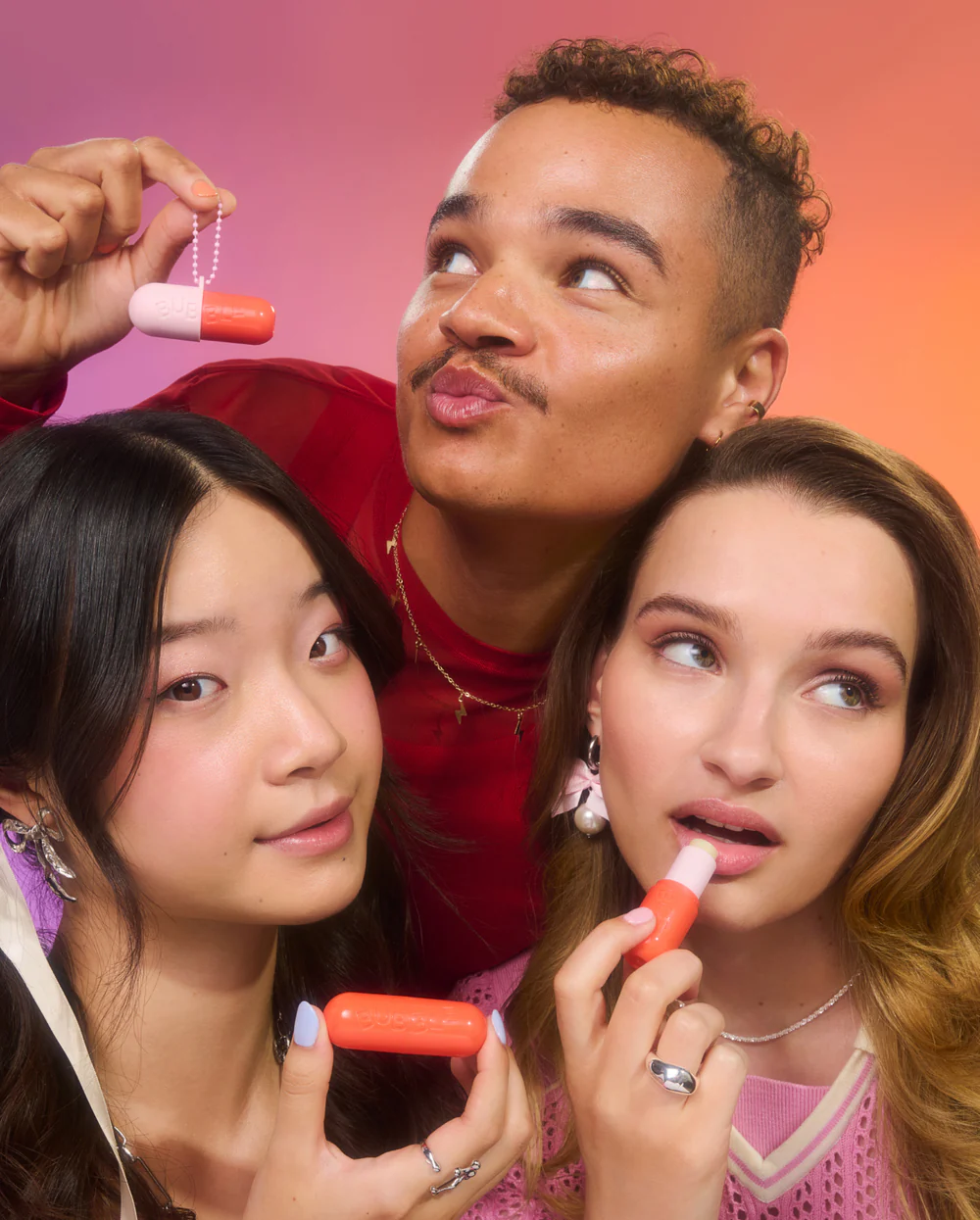
What role does TikTok Shop play in the future of beauty?
TikTok Shop’s influence is impossible to ignore. It’s probably the fastest-growing retailer in the world today. At the same time, we have to be realistic about the economics. Bubble’s formulations are much closer to prestige brands from a cost-of-goods perspective than people realize. That makes some of the aggressive discounting strategies you see on TikTok Shop more challenging.
We’re constantly evaluating the opportunity. We’re one of the most-followed beauty brands on TikTok, with more than 4 million followers, so the platform is incredibly important to us, but we’re also an independent company. We care deeply about cash flow, profitability and long-term sustainability.
How did you think about the process of exploring strategic options?
It’s not a secret that we explored options. Ultimately, we decided the right path was to remain independent and continue building the business ourselves. Right now, our focus is becoming the No. 1 brand in mass skincare. That’s where our energy is. We have an incredible leadership team, we’re continuing to make key hires, and we’re focused on building the organization for the next phase of growth.
Bubble has achieved remarkable scale without private equity. What have you learned about building independently?
It comes with challenges. Sometimes it feels like you’re reinventing the wheel because you don’t have the same infrastructure larger organizations have. At the same time, it gives you tremendous freedom.
We became profitable relatively early, and I’m still the majority owner. That allows us to make decisions quickly, stay focused on consumers and prioritize long-term brand building.
We’ve also had incredible advisors and mentors helping us along the way, but we’re trying to do something very few brands have done independently at this scale. That’s challenging, but it’s also incredibly exciting.
When you think about Bubble five years from now, what does success look like?
Continuing to grow responsibly. Continuing to create exceptional products. Continuing to listen to our community. I often say that Bubble grew from a toddler into a full-grown adult almost overnight. The last several years have been about building the infrastructure to support that growth. Now, it’s about taking the brand to the next level.
We’ve built something special because consumers genuinely feel ownership over the brand. They helped create it, and they continue to shape where it goes next. Our job is to keep earning that trust.

Leave a Reply
You must be logged in to post a comment.