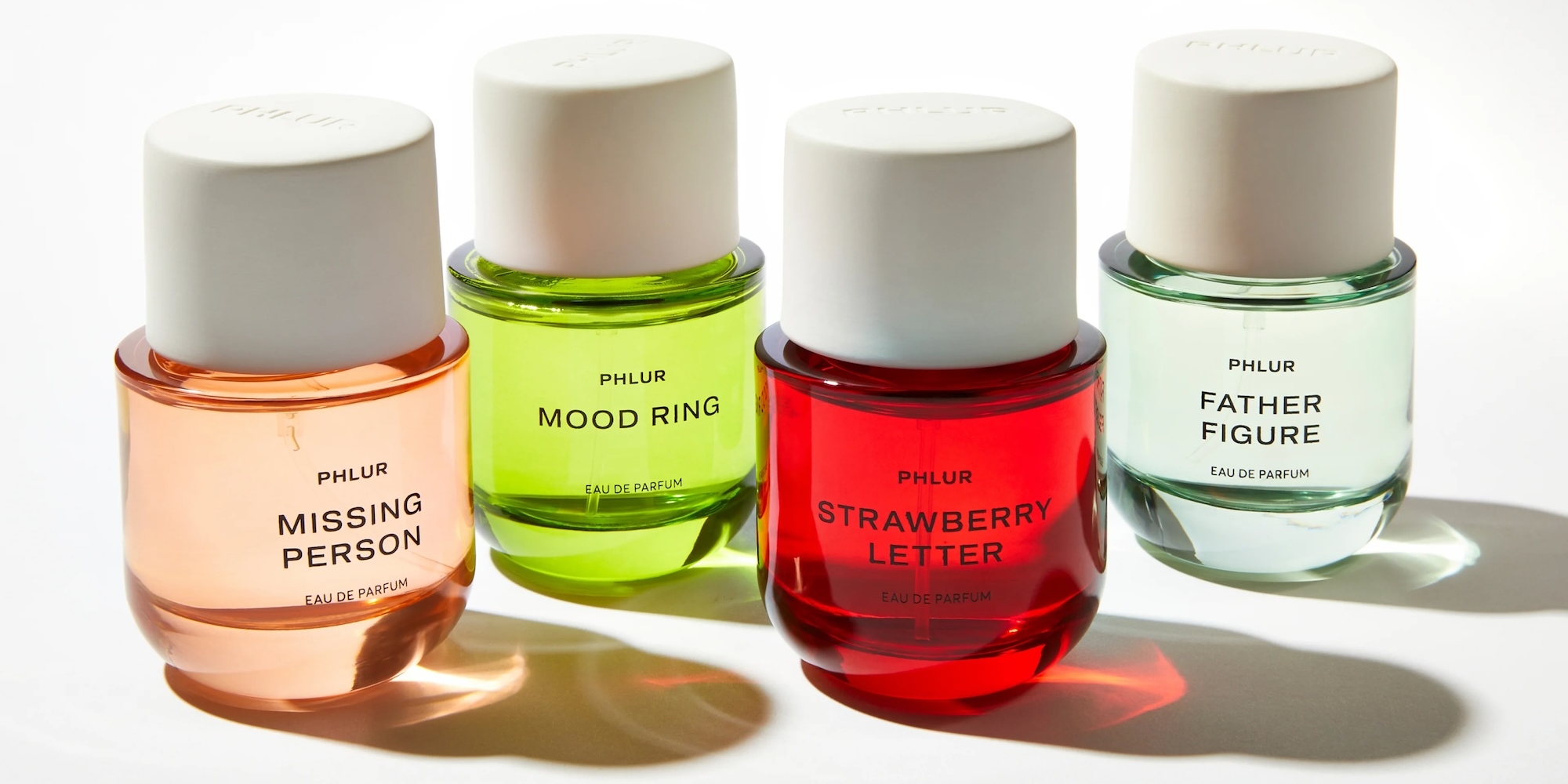

In part one of this two-part series on fragrance, I argued that the consumer industry’s sudden enthusiasm for fragrance benefits challengers more than incumbents. The reason: consumer permission. Large brands can build fragrance capabilities, but they cannot override 20-, 30-, 40-plus years of shelf placement with a new perfume brief. That takes time, distribution choices and a founding decision to put scent at the center.
Here, we get specific. What do you actually do with this, depending on where you sit?
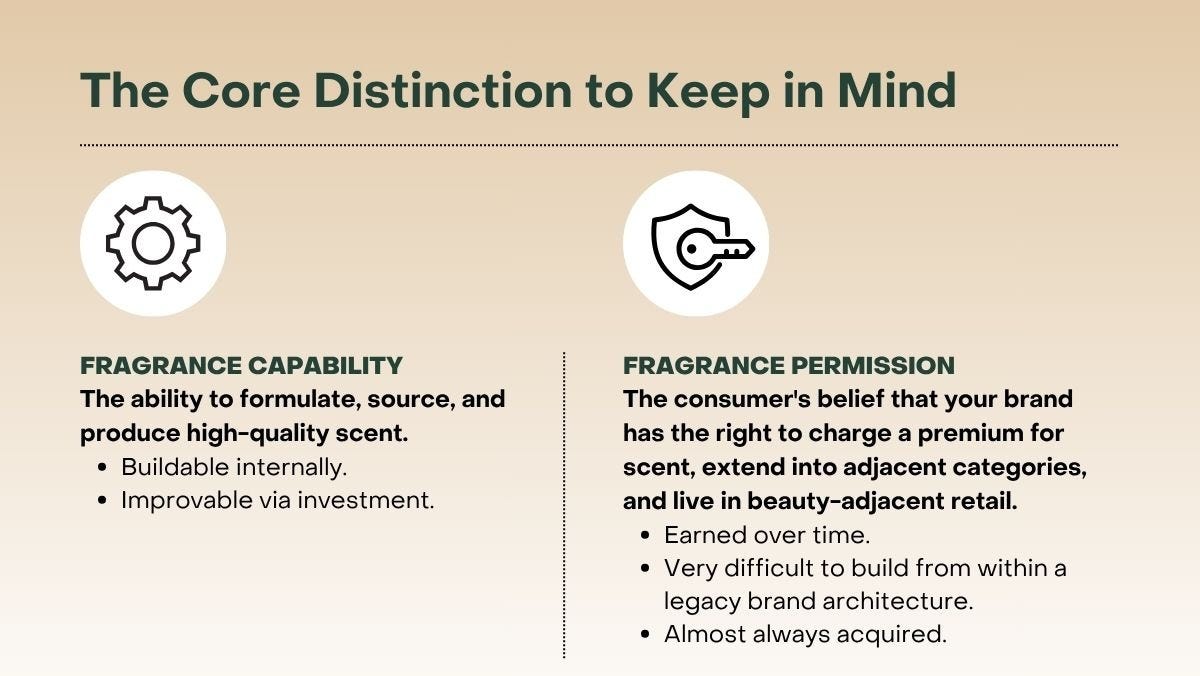
Large brands are investing heavily in the former. Most acquisition activity is a pursuit of the latter.
If You Are Building
Whether you’re pre-revenue, scaling through growth equity or incubating in a large CPG, the foundational question is the same: Is scent structural or decorative to the brand? The answer determines your price architecture, distribution sequencing, category extension options, content strategy and ultimately your exit value. Make the call consciously and early because everything downstream follows from it.
How to tell the difference in your own brand:
- Can you describe your scent in the same language a fine fragrance brand would use: with a name, a mood, a world?
- Or do you describe it as “fresh” and “clean” with no further specificity?
The former is a platform. The latter is a feature.
If you’re building fragrance as a platform, four things need to be true across every stage of your growth:
- A named and owned scent architecture. “Missing Person” is a brand decision, “lavender-scented” is not. Your scent names should speak to the world your brand inhabits, not describe the ingredient. Customers return for a named scent with a world behind it. They do not return for “lavender.” Don’t just extend one scent, build a family of them.
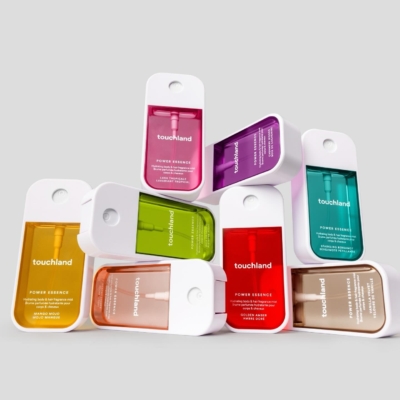
- Distribution that signals premium permission. Where your product lives tells consumers what your brand is. Sephora, Ulta, specialty retail and DTC editorial placements say: this is worth paying for. Mass grocery and club retail say something else, and once that association is set, it’s hard to reverse it. Touchland was at Target early, made a deliberate decision to move to Sephora, and traded mass volume for prestige permission. When you expand, protect the premium channel first.
- A content strategy organized around fragrance identity. Touchland’s Scent Universe, which is a content calendar built entirely around a monthly featured fragrance, is the model. Every piece of content, every collaboration, every limited edition reinforces the same thing: the smell is the point. Your social presence should make that argument without saying it. The category extension test is simple: could you launch a room spray, a body mist and a candle, and would your existing customers immediately expect it, not just accept it? If yes, your scent architecture is doing its job. If not, you have work to do before you extend.
- Price that reflects sensorial value. There is a cognitive dissonance in premium scent positioning at commodity price points. The price is part of the permission signal. If your fragrance is a platform, your price should act like it across every SKU, at every stage.

5 or more: You have platform potential. Protect it with distribution and pricing discipline.
3 to 4: You have the foundation. The gaps are fixable.
Fewer than 3: Fragrance is currently a feature. Decide consciously whether to change that.
One Risk Most Founders Underweight: Reformulation
The International Fragrance Association (IFRA) regularly updates its standards, restricting or banning specific fragrance molecules, often with limited lead time. If your brand identity is tied to a specific scent and that scent relies on a restricted ingredient, you have a crisis, not a reformulation project. Know which molecules in your formulation are on the IFRA watch list. Build a relationship with your fragrance supplier that includes early warning on regulatory changes and build a scent architecture that includes multiple named expressions rather than betting everything on a single signature.

If You Are A Corporate
Two separate questions that require genuinely different answers:
1. What to Build Internally?
Internal fragrance investment is worth making. The mistake is expecting it to do more than it can.
What internal capability actually gives you:
- Better formulation control
- Faster R&D cycles
- Reduced supplier dependency
- Improved gross margin
Unilever’s 100 million euros or around $115 million fragrance house is a real competitive advantage. It just isn’t a brand permission advantage. P&G’s internal perfume innovation on Downy Intense delivered real product results and genuine category share gains. What it didn’t deliver was the ability to move Downy into prestige retail or command the cultural relevance that a brand built around fragrance from day one attracts naturally.
Build internal capability around:
- Proprietary molecule development and exclusivity agreements with fragrance suppliers.
- In-house perfumers embedded early in product development rather than brought in at the end.
- Regulatory intelligence (an IFRA watch function that protects your existing portfolio)
- AI-assisted formulation tooling, which IFF and others are investing in heavily and which is becoming a meaningful efficiency driver.
What internal capability will not give you:
- Consumer trust
- Editorial credibility
- Prestige retail distribution
- Cultural associations that a challenger brand has spent years building
Those are not formulation problems, they are identity problems, and identity, once set, is very hard to change from the inside.

2. What to Look For in an Acquisition Target?
The acquisition strategy is probably right. The diligence question is whether the target’s fragrance permission is genuinely structural—built around scent from the start—or whether it’s lifestyle positioning that will fade post-acquisition when integrated into your supply chain and distribution infrastructure.
Four questions that matter more than most deal teams realize:
- Is the scent architecture named, proprietary and protected? Off-the-shelf fragrance from a supplier with no exclusivity agreement is not a moat. If a competitor can order the same scent from the same supplier tomorrow, the fragrance “identity” is pure marketing. Named scents, exclusivity clauses and proprietary formulations are what make the architecture defensible and what survives integration.
- What does repurchase look like, segmented by scent? Fragrance loyalty is measurable. Are customers returning for a specific scent or just returning for the brand? High scent-specific repurchase is a strong signal of platform architecture. Cross-sell between scents—customers who try one, then buy another—signals scent universe depth.
- Does the brand have editorial credibility it didn’t pay for? Earned media in Architectural Digest, Goop, Sephora’s editorial or equivalent channels is a proxy for permission. These placements signal that the brand has crossed from product to cultural object, and that’s exactly what you’re trying to acquire.
- Will the permission survive integration? This is the most underestimated question in M&A right now (we wrote a bit about pitfalls here). The fragrance permission in a brand like Aesop lives in the retail environment: the minimalist aesthetic, curated product portfolio and the fact that every store smells the same. That is not easily preserved at scale inside a large CPG. L’Oréal has largely honored it, so far. Most acquisition value is lost in integration, not diligence.
In our opinion, an acquisition target should have:
- A founding story in which scent is primary, not added.
- Price architecture that supports premium positioning across the full portfolio.
- Distribution relationships with prestige retailers that your existing brands cannot access.
- Retail partners who want this brand on their shelves because of what it is, not because it’s cheap to carry.
The former survives acquisition, the latter often doesn’t.
The Closing Argument: Nose Before Brand, Not Brand Before Nose
The brands navigating fragrance as a platform strategy successfully have a common origin story: they started with the smell.
Not “let’s make a cleaning product and make it smell nice,” not “let’s hire a famous perfumer and ask for something premium.” They started with a considered answer to the question: What sensory world does this brand live in, and what does it smell like inside that world?
Touchland smells like a beauty brand, not a hospital. Aesop smells like a considered life, not a bathroom vanity. The fragrance is the premise, the functional product is what delivers it.
The large brands, for all their fragrance investment, are largely working in the opposite direction. They start with a product that has a brand identity and ask how to make it smell more premium. That is a feature upgrade, not a platform strategy. And consumers, even if they can’t articulate the difference, can smell it.
The window for founders to build genuine fragrance permission—before the acquirers move through the category looking to buy what they can’t build—is open. CAGNY 2026 told us the large caps have noticed. Build the permission now, while you still can. The large caps are already looking.
Diana Melencio, general partner of XRC Ventures’ Brand Capital Fund, manages the entire investment process and team across the firm’s family of funds. She also writes for XRC Ventures’ Substack, where this piece appeared first. Previously, Melencio was an investor at WISE Ventures and helped start FirstGeneration.vc, an initiative aimed at helping first-generation founders.



Leave a Reply
You must be logged in to post a comment.