Cosmetic Chemist AJ Addae On 5 Beauty Trends For 2026 As The Industry Wrestles With Its Limits
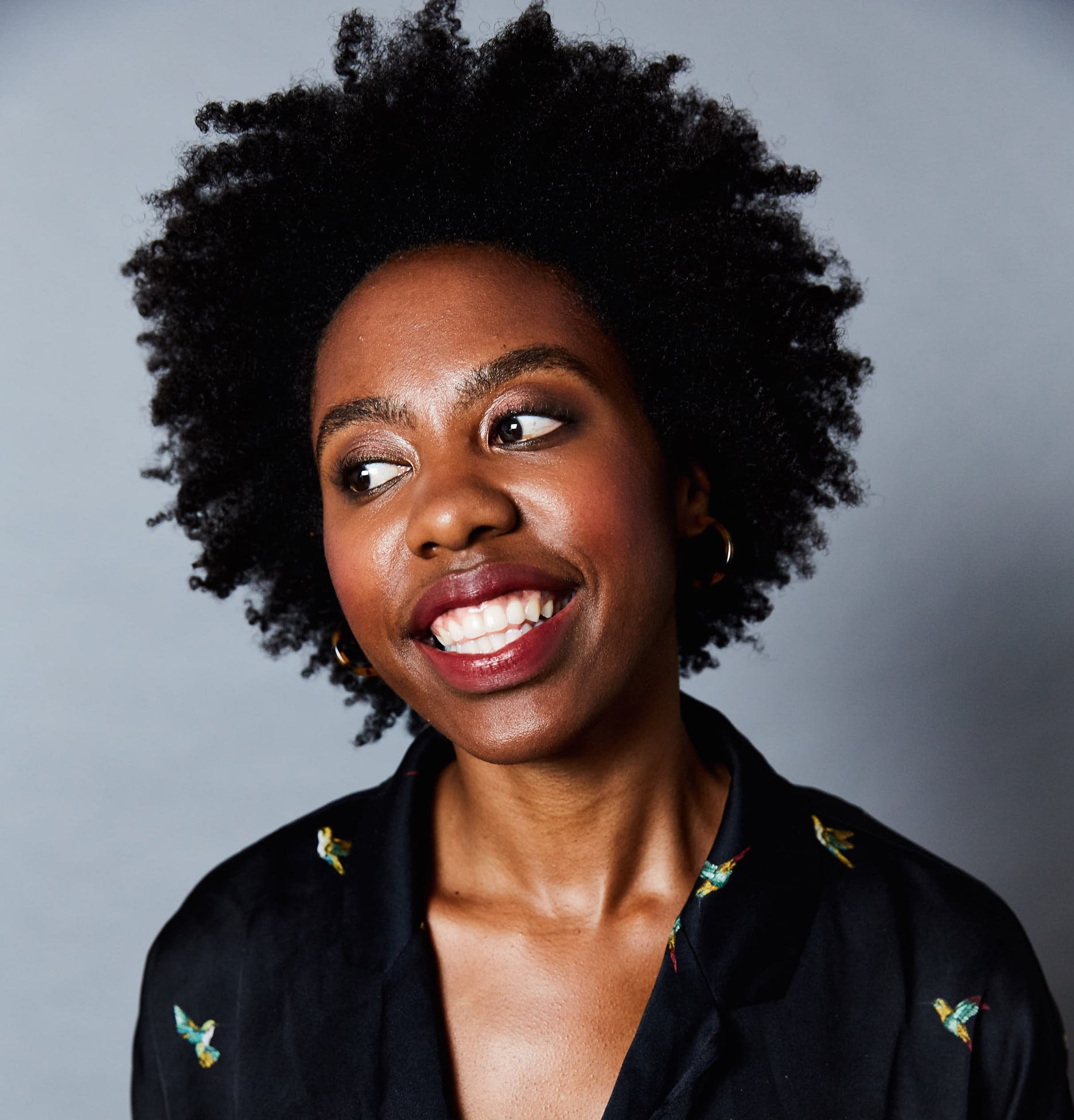
Last year, cosmetic chemist and Sula Labs founder AJ Addae prophesied that prices would rise and collaborations would dominate, both of which have played out across the beauty industry in 2025.
Now in her fourth year of forecasting for Beauty Independent, Addae’s outlook reflects an industry reckoning with its own limits. As sunscreen controversies dominate headlines and “perfect” formulas prove elusive, she sees brands moving away from lofty, often unattainable claims and toward more realistic, transparent conversations with consumers. At the same time, education is no longer optional, she argues, with clinical validation and clearly articulated claims increasingly central to earning consumer trust in a tight economy.
“There was a time when you just had to sell really good vibes, and that is leveling out,” says Addae.
Those convictions are influencing the next chapter of Sula Labs. Fresh off winning Pharrell Williams’ $100,000 Black Ambition prize, Addae, who scored a compliment on her skin from the musician, is expanding the R&D company beyond traditional formulation and testing. Her goal is to build what she describes as a long-term research engine for melanin-rich skin and textured hair, positioning Sula Labs as a knowledge hub for the category, with a client base spanning brands, manufacturers and ingredient suppliers.
“For us, the research isn’t just the development and testing,” she says. “It’s also holding the knowledge of this space and collecting the total market data that will be relevant for decades to come.”
Looking ahead, Addae identifies five trends that will shape beauty in 2026, from SPF to AI.
1. Brands Will Market More Realistic SPF Expectations
From Tower28’s mineral sunscreen kerfuffle to Ultra Violette’s testing issues, sunscreens were in the headlines more than ever this year. Responding to the SPF scandals, Addae believes that brands are exercising greater caution around marketing sunscreens. “Consumers, through these types of problems that we’ve seen this year, are learning more about just how complex it is to develop the perfect sunscreens,” she says. “And, in response, we’re going to start seeing a new way of conversation around sunscreens that doesn’t position brands in such a way that they’re over promising.”
In the same vein, Addae notices brands are starting to take a harder stance on education as a sales lever. She praises The Ordinary’s launch earlier this year of UV Filters SPF 45 Serum, a chemical sunscreen that followed the discontinuation of a prior mineral formula that netted mixed reviews for having a thick texture and visible white cast, for its campaign around prioritizing sunscreens that people will wear, which generally are easily absorbable, lightweight chemical sunscreens with less white cast. Addae says, “That education was necessary in order to sell the product.”
The brand itself can be the primary educator, and it can partner with experts like cosmetic chemists, doctors and aestheticians. Addae often suggests clients meet with her for two to three hours before bringing a product to market to flesh out the claims. “Sometimes brands will come to us and say, ‘We want this ingredient,’ and the ingredient is doing a lot of great work selling the product, but there’s actually some other really interesting tricks and technologies and stuff in there that may not be as intuitive to the customer that also deliver the efficacy of the products,” she says. “And I think it brings an aspect of uniqueness to be able to showcase that.”
2. AI Will Proliferate In Product Development And Testing
Addae has imposed a strict company-wide rule against using AI to do science on behalf of Sula Labs, but she’s employed it to gather data about best practices, product formats, and ingredients that benefit melanin-rich skin and textured hair specifically, among other beauty-related queries. Others aren’t limiting AI usage, and even biotechnology-powered beauty brands are turning to it as a product development aide, a role she anticipates will explode.
“When you bring in claims testing, you introduce human risk, and you introduce entropy,” says Addae. “While AI cannot eliminate the need for human testing, it can help accelerate the time that it takes to determine whether a product works.”
She explains that subjects in clinical testing can take anywhere from 30 days to 12 weeks to spot improvements in their skin, and AI can predict improvements with a shorter time horizon. It can also save money for equipment and study incentives.
“I really want to emphasize that this does not in any way replace the need for human testing,” says Addae. “When it comes to this conversation, what’s most important is responsibility on how data sets are handled. Right now, it’s too early in the AI-sphere to tell how this information is handled in the long term.”
As AI’s prevalence in product development and testing grows, Addae anticipates consumers will rally against it. “People are going to start to feel fatigued with the idea of having to interact with AI over a real person from a brand to talk about something or interacting with a human rep at a store versus having a skin scanner that tells you information,” she says. “And what will come out on top is that sense of humanness that people are here for in the first place.”
3. Brands Will Double Down On Hero Products
Welcome to the age of beauty superheroes! Coping with strained budgets, Addae has observed brands tamping down on experimenting with innovation, already at a low ebb in the beauty industry, and doubling down on strong performers. Although half of Sula Labs’ business is driven by product development, analytical and claims testing and consulting has become just as important this year.
“Testing really helps with proof of concepts and customers do really care about seeing that evidence,” says Addae. “We used to be so formulation heavy and now its like, oh, now I have to test a lot of things, which is great. We’re also seeing brands with their product’s already done coming to us being like, OK, let’s find exciting ways to prove that efficacy.”
4. The Natural Hair Movement Will See Further Democratization
In an exception to the general trend of dampening innovation, Addae has detected an uptick in innovation in the natural hair space. There’s been a significant push into haircare products catering to protective styles like braids this year. Beyoncé’s haircare brand Cécred, for example, released a Protection Collection intended to keep hair healthy during the install and take-down process. Sula Labs has been conducting testing in the natural hair space as it moves to science-backed products for textured hair. She envisions the product arsenal widening to offerings such as scalp wipes and liquids for braid take-down.
“We’re seeing a huge democratization in terms of giving us healthy wellness-oriented options and also high tech options for how we do our hair,” says Addae. “I really do think there’s some exciting stuff ahead for cutting down on how sometimes inconvenient doing our hair can be.”
5. Vanilla Will Move Outside Of Fragrance
Gourmand fragrances and particularly vanilla have been trending in recent years. Addae doesn’t foresee consumers’ vanilla obsession cooling soon, and she conjectures vanilla will cascade across an array of products like deodorants, lip products and haircare items. Sula Labs has been building a vanilla wardrobe for its clients, including Tahitian, buttercream and Madagascar.
“In terms of universality of fragrance, everyone just loves warm, cozy soft notes,” says Addae.

Leave a Reply
You must be logged in to post a comment.