How The Creative Agency Behind Reale Actives And Rare Beauty Builds Successful Beauty Brands
What do Rare Beauty, Fenty Beauty, Isima, Tilt Beauty, Marc Jacobs Beauty, One/Size, Point of View, R.e.m. Beauty and Reale Actives have in common? Beyond appearing on beauty inspiration boards everywhere, they were all built by Established.
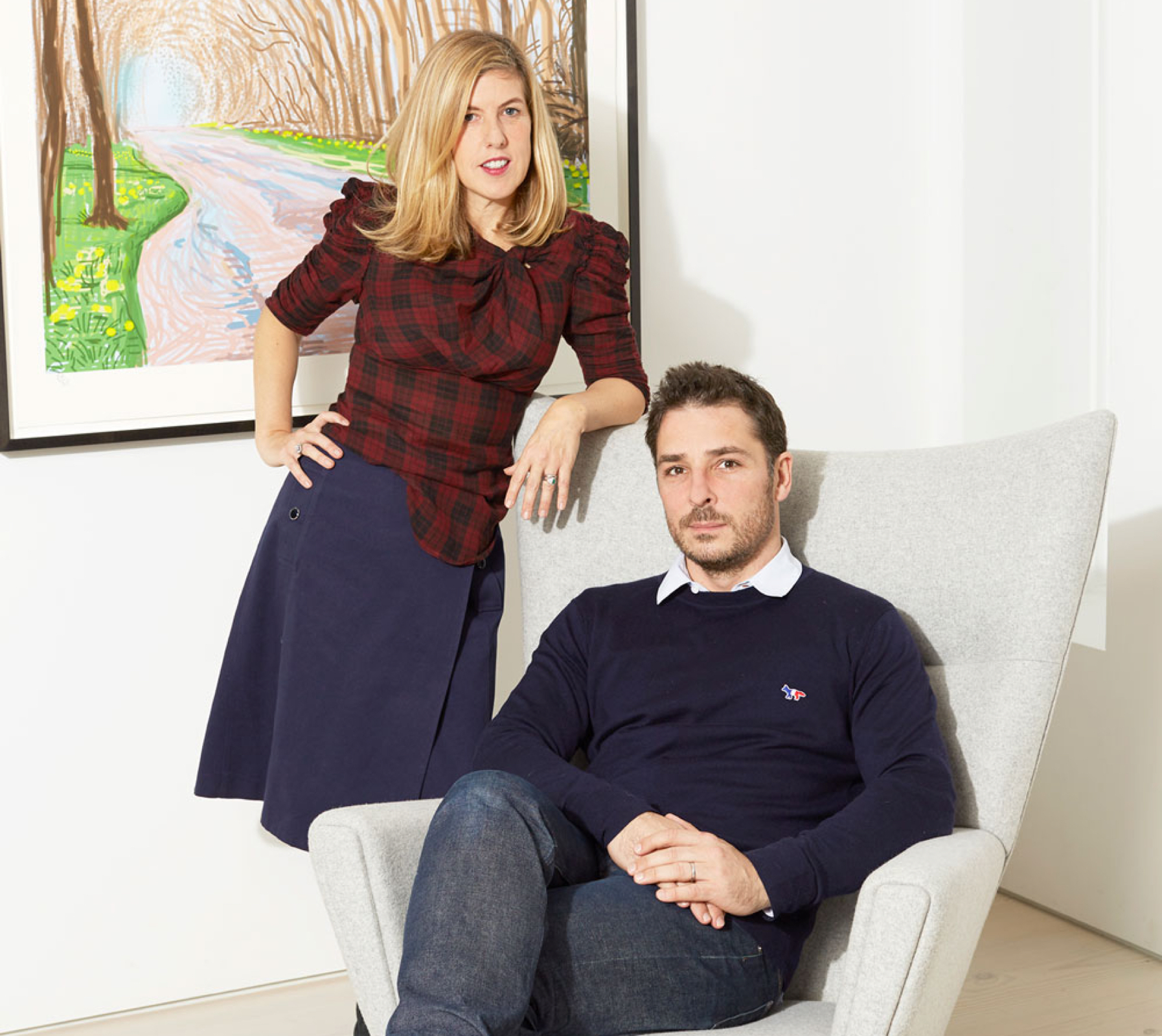
Husband-and-wife duo Sam O’Donahue and Rebecca Jones founded the creative agency in 2007 with attention to detail and a broad purview encompassing everything from brand identity and strategy to packaging, website design and art direction. Though it’s helped create some of beauty’s marquee brands, Established has largely stayed behind the scenes, relying on word of mouth rather than publicity. While the agency has earned more than 80 awards, it defines success not by accolades but by whether its brand clients thrive financially.
“If we were to launch a brand that was gorgeous and everybody talked about it, and then it failed on a business level shortly after launching, I would feel that we had done a real disservice,” says O’Donahue, former creative director at branding agency Desgrippes Gobe, who was trained as an industrial designer. “I’m interested in creating something that lives.”
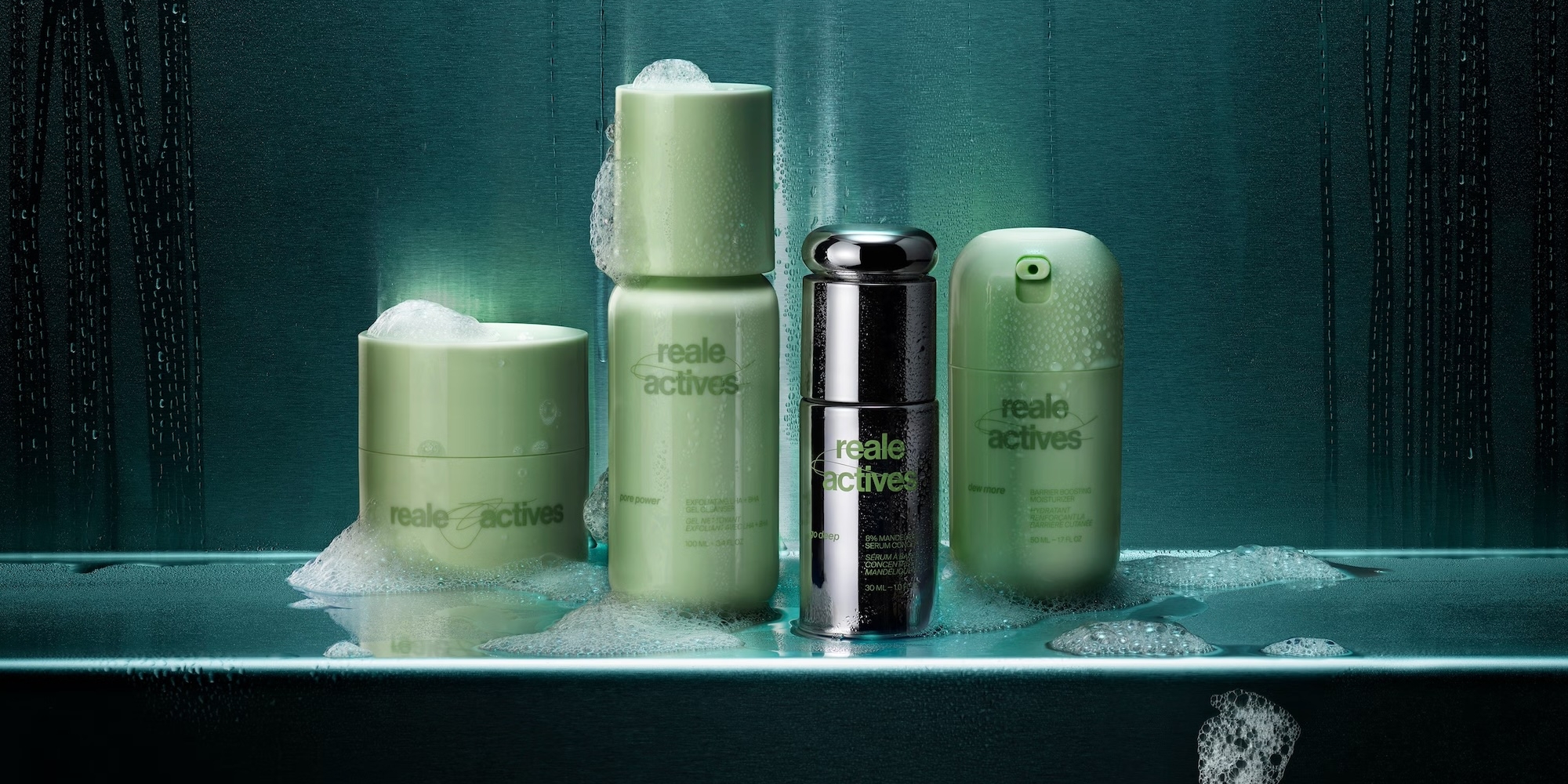
At least so far, Alix Earle’s Reale Actives has met that standard. According to reporting by Puck, the acne brand hit $1 million in sales in under five minutes and reached $5 million by midafternoon on its first day, March 31, giving it one of the biggest celebrity beauty brand debuts ever. Elsewhere, Selena Gomez’s Rare Beauty and Rihanna’s Fenty Beauty have become billion dollar brands.
We spoke with O’Donahue about how Established started, the original Rare Beauty concept that was scrapped, what the agency looks for in clients, and the hardest part of the brand-building process.
What did Established start out as?
I had been in a studio where there were 70 employees in New York. In order to run through enough work to feed 70 employees, you’re just taking on project after project after project. Then, what happens is the senior people in the studio are so busy because you’re dealing with 20 projects that you are just bouncing from meeting to meeting to meeting rather than being in the studio doing the design work. I became quite frustrated by that.
We wanted to set up Established where the most talented people are very connected to the work. The way to do that is to have a small team. In the world of studios, if you grow past 20 people, you end up having to have layers, design directors and weekly meetings. We set up with a very clear vision, which was to never be more than 15 people and never be in a situation where I’m not looking at the design work on an hourly basis. That ends up being a great fit for a client who wants excellent results, not OK results, and all of the resources of the studio focusing on their problem.
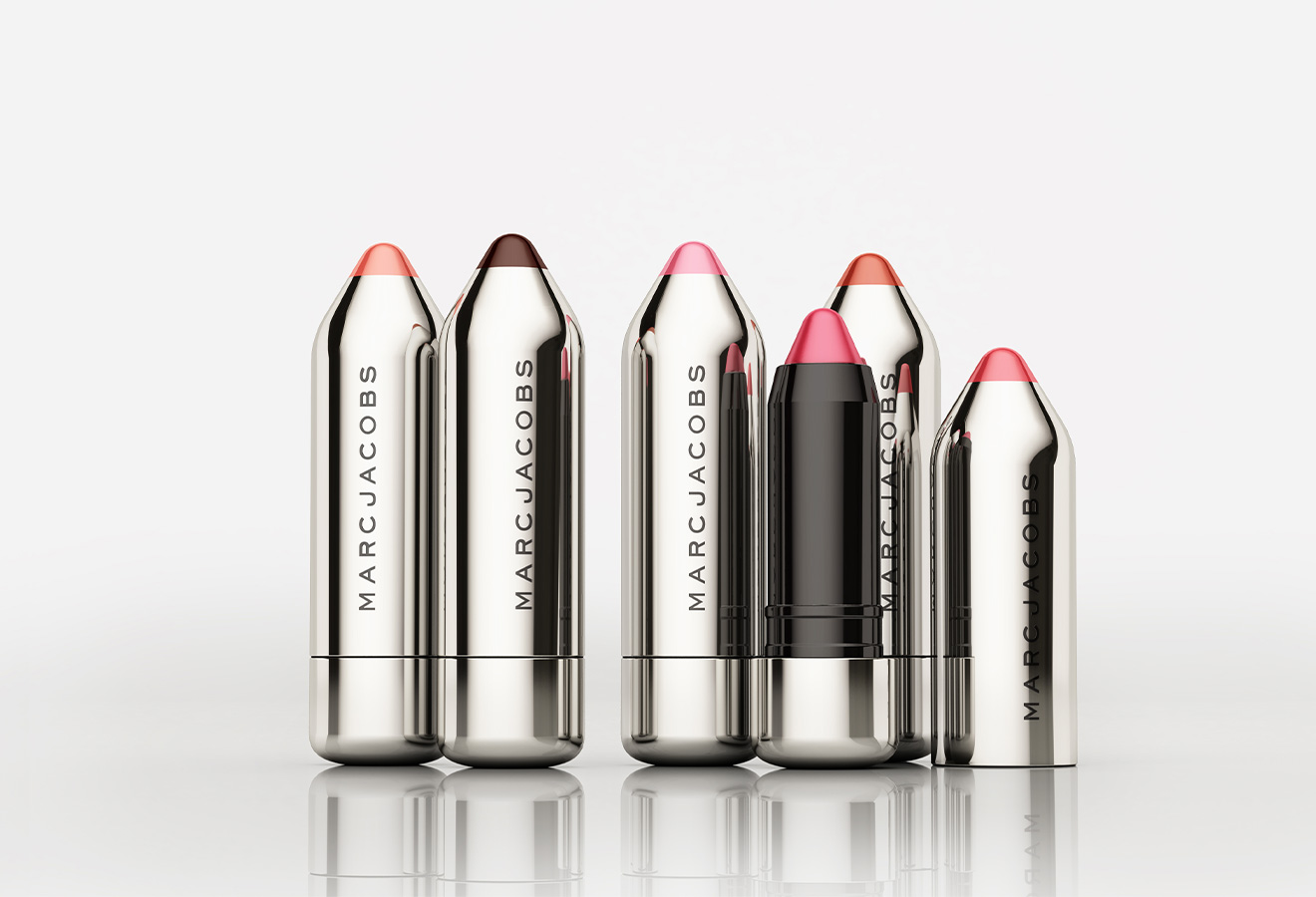
One of our first big projects was Marc Jacobs. When Marc Jacobs wants to go into cosmetics, his concern is, excuse my French, but don’t screw it up. The potential embarrassment of getting it wrong is really a significant question. So, they kind of don’t care what it costs or how long it takes. What we wanted to do was take on fewer projects and spend longer working on them rather than getting it out the door, which is the model for bigger studios.
If you’re Rihanna, there’s an opportunity cost. One thing is she doesn’t want the embarrassment of being involved with something that wasn’t a success. On the other hand, she just expects that it’s a success because she’s a premium entity unto herself. There’s also an opportunity cost where, if it’s not a success, then they don’t end up making a billion dollars. The focus on getting it right is everybody’s objective.
Whenever you’re doing a beauty project, a lot of design studios will be focused on graphic design, and they might have a subcontractor do some industrial design, whereas we really understand engineering and manufacturing, and it’s something we take very seriously. That’s a perfect fit with the beauty industry. Your compact or your lipstick, it has to function.
How did you get on Marc Jacobs’ radar?
I had done some fragrance work for Banana Republic at my previous studio. The head of marketing in charge of that project at Banana Republic moved and took a job at Marc Jacobs. She found me because she had enjoyed working with me on that Banana Republic project. Established had already been around, and we were working with Bath & Body Works. She introduced us to Marc.
That was the first big cosmetics brand that we did that was soup to nuts, and it was an amazing experience. He’s an incredible designer, such a nice guy, just so generous with his spirit.
Was there a client or a moment where you felt like, OK, we’re really cooking right now when it comes to beauty?
It was the work with Marc. We designed every beauty product he ever did. When the cosmetics brand hit the shelves, it was so well received globally. At the time, Fenty didn’t exist. If you look at the landscape of beauty brands back then, they were either very old-fashioned brands that had been in the beauty industry forever, like Chanel, Dior or Armani, or other fashion brands that hadn’t been in the beauty industry that were able to do fragrance successfully, but when they tried cosmetics, they struggled.
Calvin Klein did CK One, and cosmetics didn’t work. Armani struggled, and Michael Kors tried to launch. Marc Jacobs Beauty gave permission to all of these other brands that have since been launched by people who aren’t makeup artists.
That project led to Fenty because they were both created by Kendo. The big thing with Fenty at the time, coming off the Marc project, was, can we launch this big brand with somebody who’s not a makeup artist? Senior people at LVMH, Sephora and Kendo were all really worried about that. Now it seems ridiculous because Alix Earle is launching a brand and nobody questions it. But it was a big risk on the business side. Can we launch a credible makeup brand with a pop star?
How do you determine whether to work with a client?
We turn down a lot of people because it’s not just us that make something a success. It’s a pretty simple formula. We are interested in people who’ve got an interesting business plan. For example, with Alix Earle, nobody has really tackled the acne market with a lifestyle acne brand. It’s all doctor-led brands and very prescriptive. So, we look at what the business idea is and whether we think it’s smart.
The other main thing is the level of commitment from the client side. Launching brands from scratch requires a lot of money and time. Some people underestimate that. If somebody wants to launch something eight months later, we’re not going to take it on because we know that’s not long enough. If somebody wants to cut corners and do things in stock packaging, we’re not interested because it’s likely to fail. We are looking for people who want to do the brand in the right way with real integrity.
What’s the hardest part of the brand-building process?
The difference between success and failure is not a pretty color and a nice font that go together to be very tasteful. That’s kind of irrelevant. What’s relevant is: What is our story? What’s our unique position in this market?
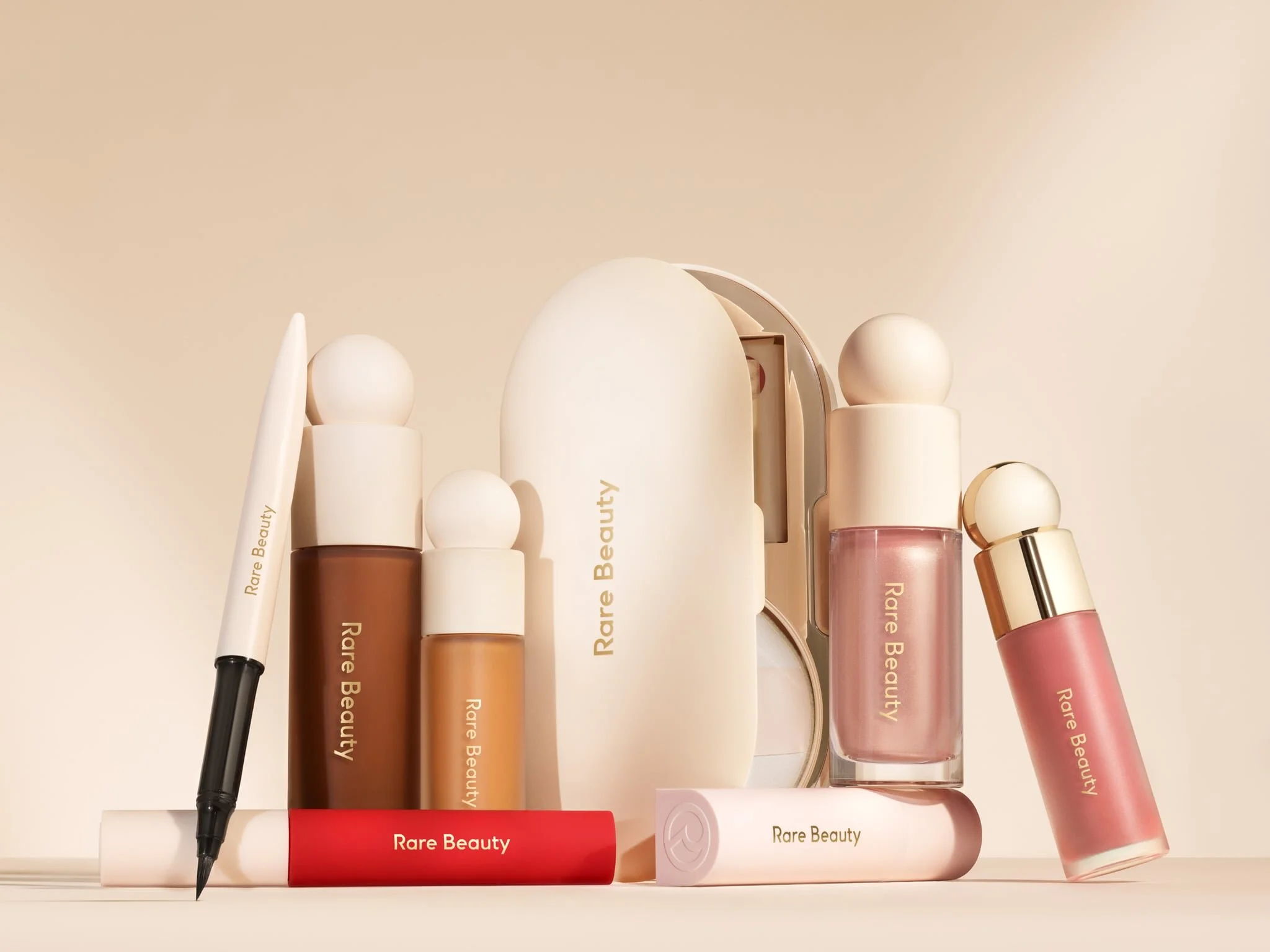
Take Rare Beauty, for example. At the beginning of the project, we were like, it could be interesting if the brand was based on a cool LA style. Selena [Gomez] is from LA. There are New York brands and Paris brands and London brands, but there isn’t a brand that captures the easygoing free spirit of LA. That’s what we call having a brand idea. That idea affects everything that the consumer sees.
We had been shown a photograph of Selena that she posted of her eating spaghetti. She looks dreadful and her eyes are closed. She’s got sauce on her cheek. The great thing about Selena is that she’s like, yeah, I look like crap in this image, and that’s OK. As a young woman in society today, you don’t have to be perfect all the time. I’m not perfect. Look at this picture of me.
We took that authentic aspect of Selena and said, what happens if we build the whole brand around that? Meaning it’s not about Selena, let me hear your story. I’m interested in these young women and their well-being. That’s where the whole idea of their focus on mental health came from.
Rare was going to be called something completely different. Then, she wrote the song “Rare,” and we heard an early cut of the song. Her agent said, “Do you think that this fits?” I was like, “This is perfect.” The whole song is that you should feel as though you are rare and special. So, we changed the whole company to be called Rare, and that idea affects the colors, the name, the font. That brand’s got a script, and it feels very personal.
The brand is very understated, it’s about you. We wanted to design the packages to be as simple and basic as they possibly could be because the idea was it’s not about the brand. So, we really struggled, actually, with that packaging because it still had to stand out and have an identity. All of the packaging is very, very simple cylinders, circles and squares, the basic building blocks of industrial design, but they go together in ways that are very distinctive.
Do you usually work on one brand at a time?
We launch no more than five big brands a year. We have to be very careful that we don’t take on too many projects at the same time. We get booked up pretty quickly because we’re very much in demand. If I’ve committed to a project, then I don’t have the bandwidth to take on others. That’s one of the downsides of being a smaller studio, but we’re committed to excellence rather than just churning things out.
How do you measure success?
Some brands become billion-dollar brands—Rare, Fenty, Ariana Grande—and they don’t all have to do that. Success can be measured differently. They may not want to sell in every country in the world, and that’s OK. So long as they stay in business and achieve their business goals, I consider that a success.
That’s because it means the consumer likes it, and that’s what we are trying to do. We’re trying to build financial success for our clients, but that comes because people like what we created. When the average person walks into Sephora and chooses one of our products, that’s what’s most rewarding rather than the press saying we did a good job or design awards.
What do you think is the next frontier for beauty brands?
We worked on [accessible, refillable makeup brand] Tilt for five years, and the client was in the fortunate financial position to be able to invest for five years until we got it right. It was a hard thing to get right. From our perspective, it was nice to do something for all the right reasons.
When you talk about refillable packaging in the beauty industry, that started 10 or 15 years ago with a few small independent companies. Kjaer Weis was one of the first. The same thing happened with clean formulas or vegan formulas. Those things were started by small independent companies, entrepreneurs who were brave enough to take them on, but then it affected the whole industry.
Now, every brief that we get includes refillable components. There was a time eight years ago when people said, “Well, we can’t do it. Sephora can’t accommodate that.” These small, brave independent companies started it, and then they forced the big companies to follow suit.
I’m hoping that with a project like Tilt, it’s a proof point to bigger brands that they need to incorporate awareness of disability into all of their brands. That’s what I hope that project leads to.
I think the next frontier of the beauty industry is paying attention to different physical challenges. I hope in 10 years’ time that everybody’s doing that.
Anything else you’d like to add?
I feel very lucky to be trusted by people to take on these projects. It’s funny because clients come to us at the beginning nervous, and they’re like, “What guarantees do we have?” And I say, “My reputation’s on the line here as well.”
We haven’t really been involved in creating a brand from scratch that wasn’t a success. Some of that is because of the people we’ve been lucky enough to be hired by, but a lot of it is also to do with how seriously we take it.
This interview has been edited slightly for brevity and clarity.

Leave a Reply
You must be logged in to post a comment.