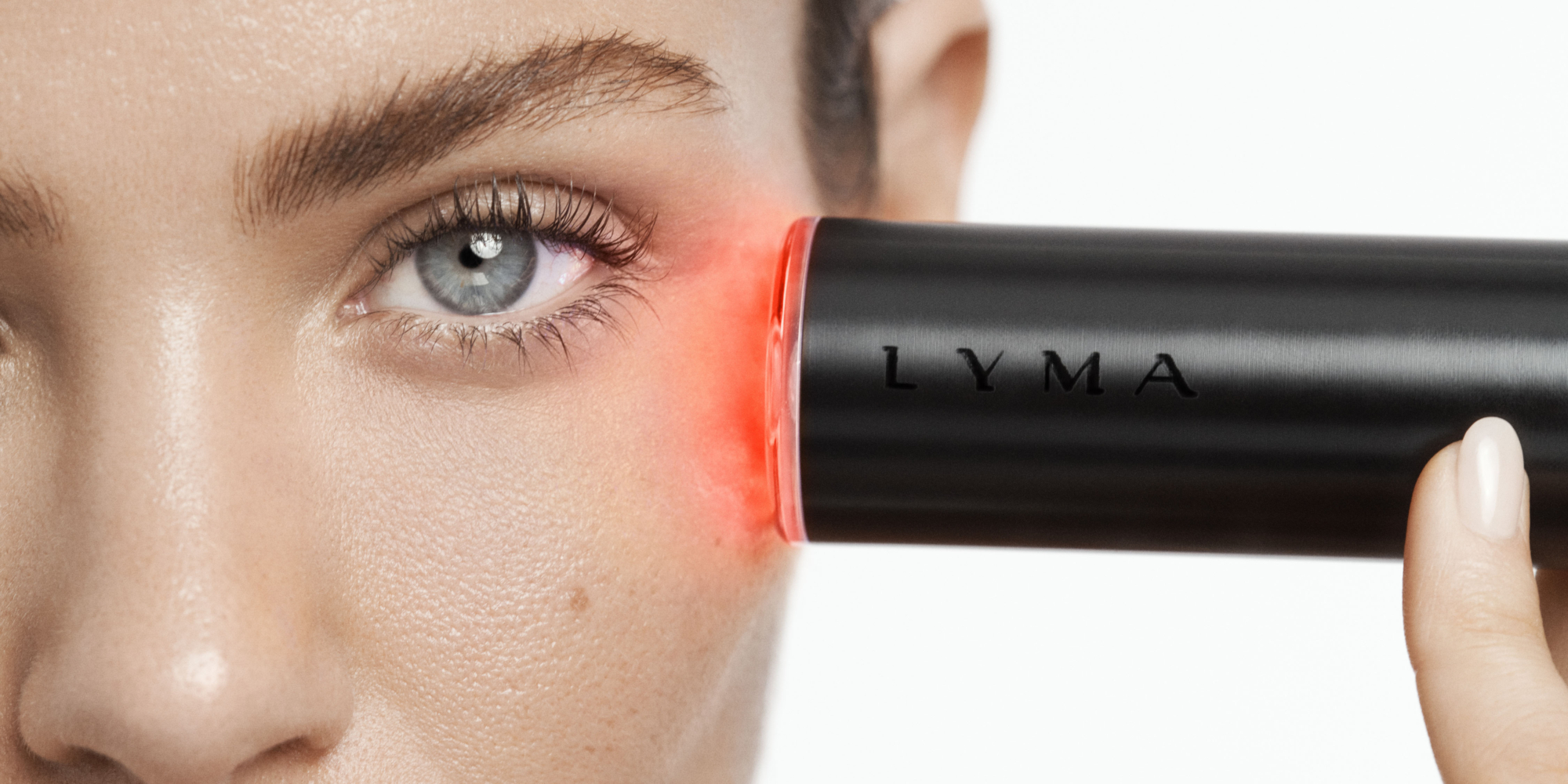

The beauty device market is notoriously tough, with high upfront development costs, tricky margin profiles and the reality that many products end up unused in a customer’s bottom drawer or are returned.
Lyma, which started with supplements in 2018, is navigating those challenges. The London-based company entered the U.S. beauty device market in 2022 with its first laser device, about a year after the product launched in Europe. Lyma has operated in the U.S. since its debut, initially selling only supplements. At a steep $2,700 price tag, its laser device occupies another stratosphere of luxury. The brand’s larger Pro laser device, introduced in the U.S. last year, retails for $6,000.
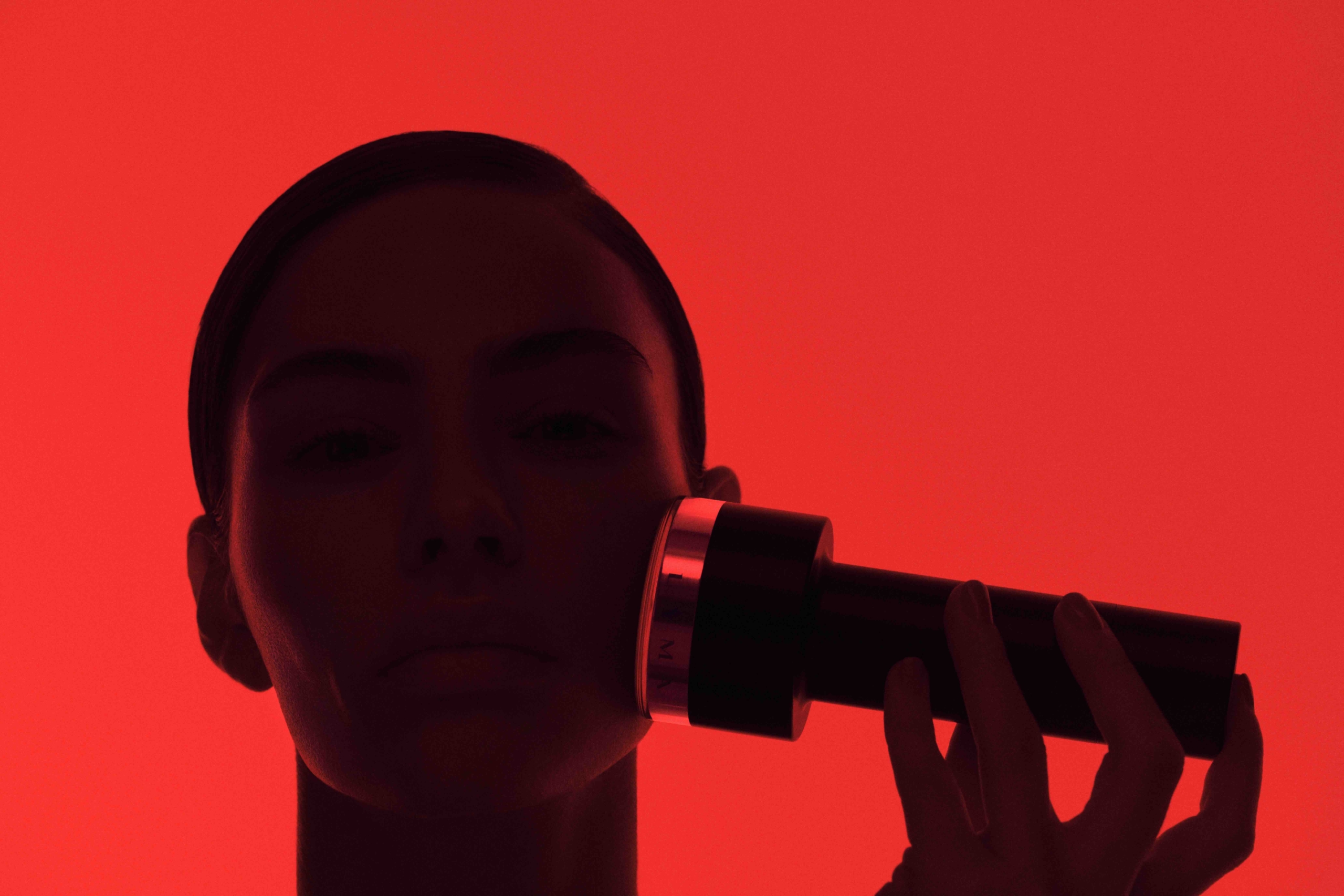
Lyma’s cylindrical black laser device promises to make skin look brighter and plumper. The brand claims its laser light therapy is painless and penetrates the skin more deeply than other popular at-home technologies such as LED masks. Its popularity has been bolstered by a long list of celebrity fans, including Hailey Bieber, Gwyneth Paltrow and Cynthia Erivo.
Demand extends beyond celebrity fans. Lyma generated $48 million in sales in 2025, up from roughly $40 million in revenue reported for 2023 in public filings from the United Kingdom. Last year, its earnings before interest, taxes, depreciation and amortization (EBITDA) were $7 million. Direct-to-consumer accounts for 70% of Lyma’s sales, with retail contributing 20% and the professional channel driving 10%. In 2018, Lyma raised $2 million in outside venture funding from Pembroke VCT, but has no plans to raise extra capital, according to founder and CEO Lucy Goff.
Beauty Independent chatted with Goff about why customers are plunking down thousands for Lyma’s devices, the growth opportunity in the professional channel and how consumer attitudes toward devices are changing.
What is the key driver to convert people into buying a $2,700 or $6,000 device?
We know the biggest trigger for buying the Lyma Pro is your 49th birthday because it’s kind of the perfect storm. Your skin has visibly aged, you have tried other technologies that haven’t worked or delivered the results you are looking for, and you are giving yourself permission to invest in a beauty device like the Lyma.
It’s a different consideration window, depending on who you are and what you’re using the Lyma to help with. You will have a shorter consideration window if you need to change your skin for an event versus someone who’s more voyeuristic and doesn’t have that deadline. It can be up to 120 days [between exposure to purchase], but it also depends on the channel. Ultimately, the website is our biggest driver of conversion.

How do you reach customers?
It’s an ever-changing mix. It’s Meta [ads], PR, partnerships, doctors or facialists. [Our customer] is never just in one place. You have to penetrate her entire bubble so she trusts this is not a gimmick and that it’s actually worth the investment.
Word of mouth will only go so far. People are looking for more. At the moment, people are seeking hard evidence. So, that’s either looking at your friend’s jowls that were sagging and now aren’t or reading up on the science and learning about longevity, about epigenetics. Media consumption has changed. With that, you’ve got the rise of the self-directed cosmetic [customer].
Are you focusing more on the professional channel moving forward?
We will strategically sell into halo professional clinics in the U.S. to work as partners to both use the device in clinic and then retail it to for their clients to use at home. We’ve received amazing endorsements from the likes of Joanna Czech and Dr. Jason Diamond, the plastic surgeon. It’s about building on those A-list professionals who are really the ones responsible for transforming the skin of the A-list.
I can’t really think of another [device] that a clinician uses in clinic and that you are actually retailing to the client to continue use at home. We are a unique product offering in a new category that straddles a professional clinic setting and lets you take the exact same device home to use every day.
What changes are you seeing in the U.S. device market?
Customer feedback indicates a clear shift toward more evidence-based technologies. They’re shifting from gimmicks to effective technologies, from a published, peer-reviewed perspective. When I say gimmick, I mean something that’s led by marketing rather than something that’s scientifically led.
Micro needling is amazing if you have an event, and you want your face to look more lifted, but that’s not actually rebuilding your skin. LED is effective at giving you a glow, but it’s not actually rebuilding your skin. And non-Fraxel and ablative lasers damage the skin to stimulate collagen production.
What about “longevity” products, including yours?
Longevity is a buzzword, but that’s the shame of it. Longevity shouldn’t be a buzzword. It shouldn’t be a marketing word. It should be a scientifically evidence-based term, and unless you have proven that you have longevity technology in published, peer-reviewed clinical trials, then you shouldn’t be allowed to say it.
It’s like wellness. It doesn’t really mean anything. What is wellness? It’s not like it’s a specific formula. I think today’s consumer is prepared to pay or invest more in devices if they’re proven to deliver the results they’re seeking.
This interview has been edited for clarity and brevity.