
In a market defined by compressed exit timelines, tighter capital, omnichannel fragmentation and digital disruption, the CEO hire may be the single most consequential decision a board makes. It’s no longer enough to simply steer a brand. As channels splinter and multiply, CEOs are expected to create value everywhere their brand shows up.
True has become one of the most active architects of that leadership bench. Since 2016, the firm’s beauty and personal care practice has placed over 70 CEOs and presidents globally. Nearly half of its recent work has been in skincare, underscoring where capital and innovation remain most concentrated.
True is operating in a beauty landscape that looks a lot different than it did a decade ago. Back then, executive search in beauty largely revolved around established conglomerates.
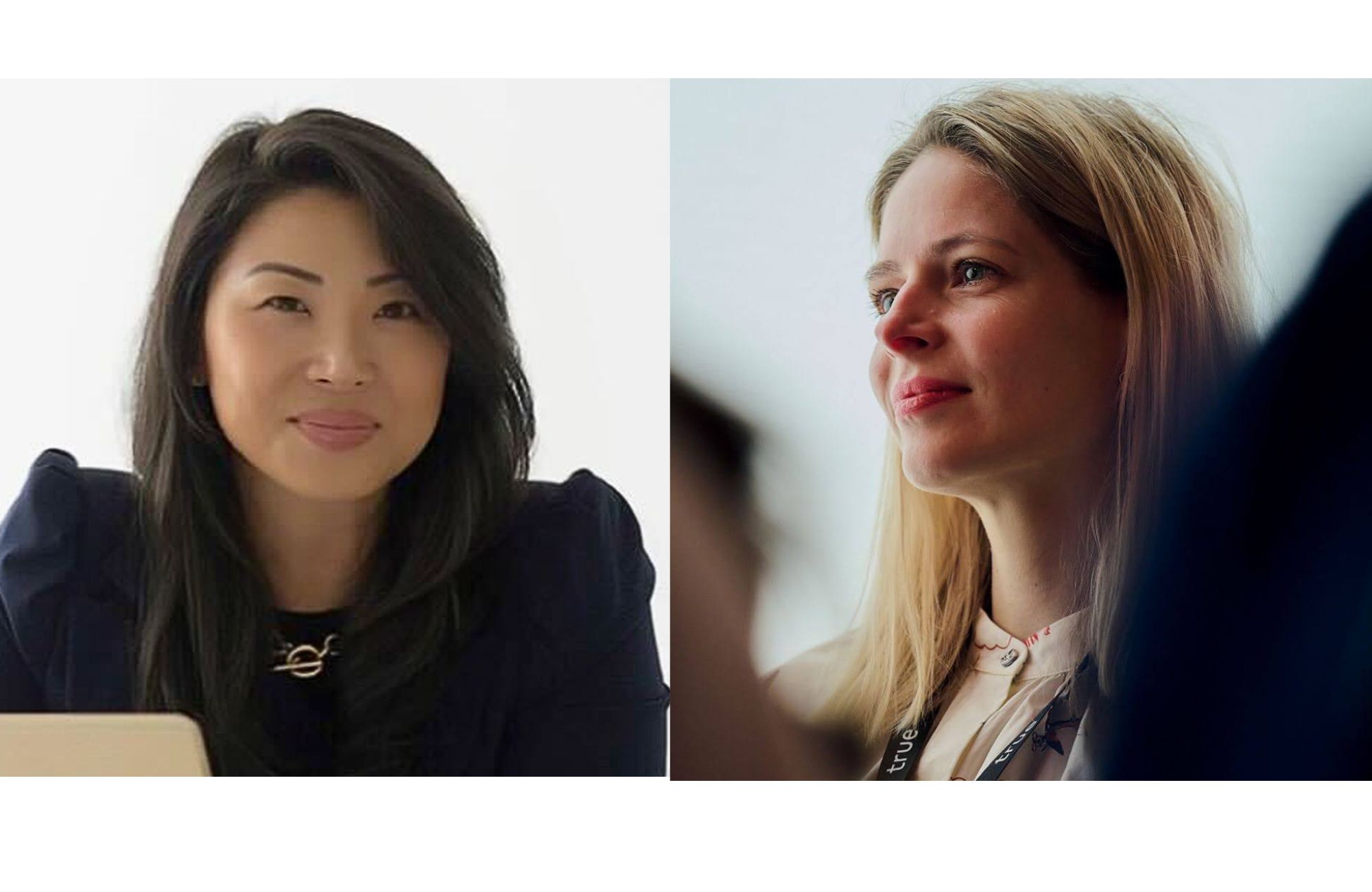
“What made it uniquely challenging was that we weren’t placing a CEO or president into a layered, billion-dollar infrastructure,” explains Shella Abe, managing director, co-founder and co-head of consumer practice at True. “These were lean, financial sponsor-backed businesses with P&Ls ranging from under $50 million to under $200 million, businesses where growth expectations often outpace infrastructure. In that environment, the buck truly stops with the CEO. The pressure is immense, and the margin for error is razor thin.”
To meet this pressure, Kristyna Smetanova, managing director at True with a focus on beauty, fashion and lifestyle, identifies the ideal CEO candidate as what she calls a “plus one.” This profile requires a foundation built at a best-in-class brand, but adds the essential “plus” of proven value creation experience inside a private equity-backed or growth-stage company, managing everything from supply chain and finance to often complex founder dynamics.
While this hybrid profile is the new gold standard, it remains rare given the number of successful exits. Many sitting leaders are tied to pending liquidity events and are understandably reluctant to move before an exit, while restrictive non-competes can further narrow an already lean pool of available candidates.
Omnichannel fluency is now table stakes and artificial intelligence literacy is quickly moving into that category. “It would be very difficult to be an effective CEO without a strong understanding of AI and how to leverage it,” says Smetanova. “Fluency in AI will help define the next generation of beauty leaders.”
Abe elaborates, “At earlier stage brands, AI capabilities are often embedded within marketing or operations rather than formalized under a chief technology officer. Larger groups, by contrast, are institutionalizing data and AI leadership roles. Either way, boards increasingly expect CEOs to understand where AI can drive efficiencies across supply chain, forecasting, product development and personalization.”
That expectation reflects broader capital realities. Some brands once positioned as rocket ships are recalibrating growth expectations. Most CEO searches in PE contexts are tied to a clear objective: professionalize operations, build a scalable leadership bench, accelerate growth and position the company for an exit within two to five years. Abe says, “When I think about yesterday’s PE-backed profiles to today’s, the one thing that hasn’t changed is the mandate: unlock value and drive rapid EBITDA growth.”
What has shifted is the environment around that mandate. Labor markets are tighter, employees are more attuned to purpose and culture, and remote flexibility has reset expectations. In compressed exit cycles, a wrong hire isn’t just expensive; it can derail the entire investment thesis. “It’s not just about growth at all costs,” says Abe. “You have to build a culture and bring your people along.”
To mitigate the risks, True embeds leadership assessment directly into the search process, prioritizing adaptability, resilience, excellence and motivation. Smetanova points out that the ability to pivot and adapt quickly, without destabilizing the organization, often carries as much weight as prior revenue milestones.
True’s vantage point from New York and London reveals a contrast in how boards on opposite sides of the pond approach risk. The American market demonstrates a greater appetite for first-time CEOs. European searches often demand narrower criteria such as specific revenue growth journeys and prior exits or defined channel or category experience.
Compensation differentials further complicate cross-border mobility, notably through compensation gaps where packages in the United States can run 30% to 40% higher. Stricter in-office expectations in parts of Europe have further narrowed candidate interest post-COVID, while a smaller cohort of “repeat exit” CEOs in Europe means boards must increasingly consider high-performing CMOS or CCOs for their first CEO role.
“Context is everything,” says Smetanova. “Before we design a search strategy, we really need to understand the next three to five years of the brand’s journey. That defines everything.”
As capital moves into white space segments, the demand for sophisticated leadership will only intensify. While skincare represents 47% of True’s recent work, the partners see significant momentum in hair and scalp wellness, longevity, nail wellness and service-adjacent models that blend at-home and in-salon experiences. There’s momentum as well in fragrance-body hybrids, at-home beauty devices like LED and AI-driven personalization, from shade matching to bespoke formulation.
“Beauty has always been innovation-driven, but the pace of change today requires a different kind of leader,” says Abe. “The CEOs who will create the most value are the ones who can translate emerging categories and shifting consumer behavior into scalable, enduring businesses.”