Many women have some version of Jacqueline Raich’s wedding makeup disaster story. She wanted to wear a spunky green eyeshadow look to her friend’s wedding in May last year and searched for the perfect online tutorial to recreate it, only for the eyeshadow to end up a mess.
“I literally looked like a raccoon. I have told my friend to delete all the photos of me, and I never show anyone the photos of me at her wedding,” says Raich. “I truly thought to myself, there must be a better way.”
Raich scoured the consumer goods and digital universes for a better way to help people execute their desired beauty looks and came up empty. There are tens of millions of beauty tutorials watched billions of times, but Raich has discovered through consumer research that women still don’t feel confident doing makeup. In a consumer study she conducted, 60% of women confess they can’t replicate tutorials on their faces.
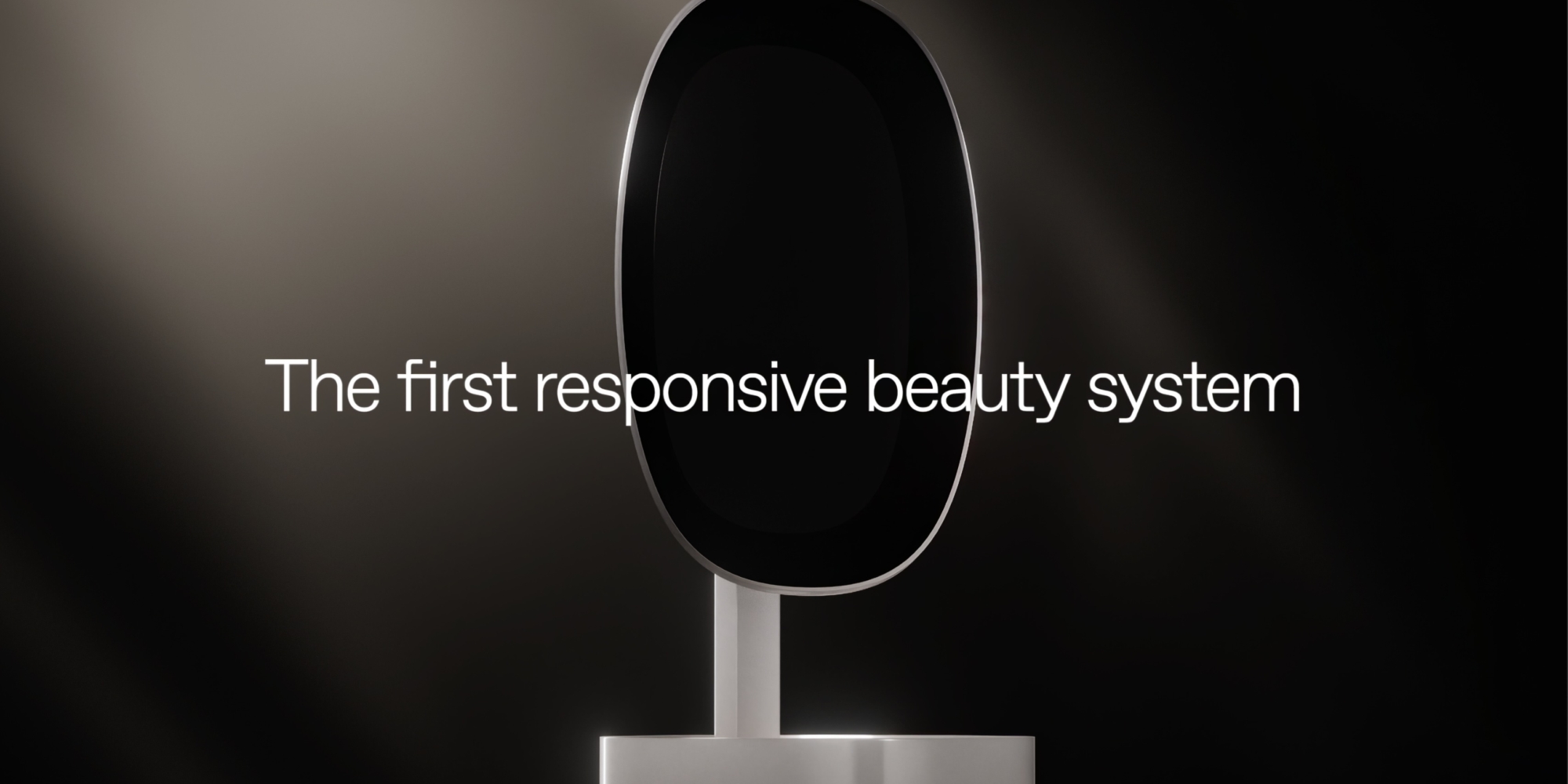
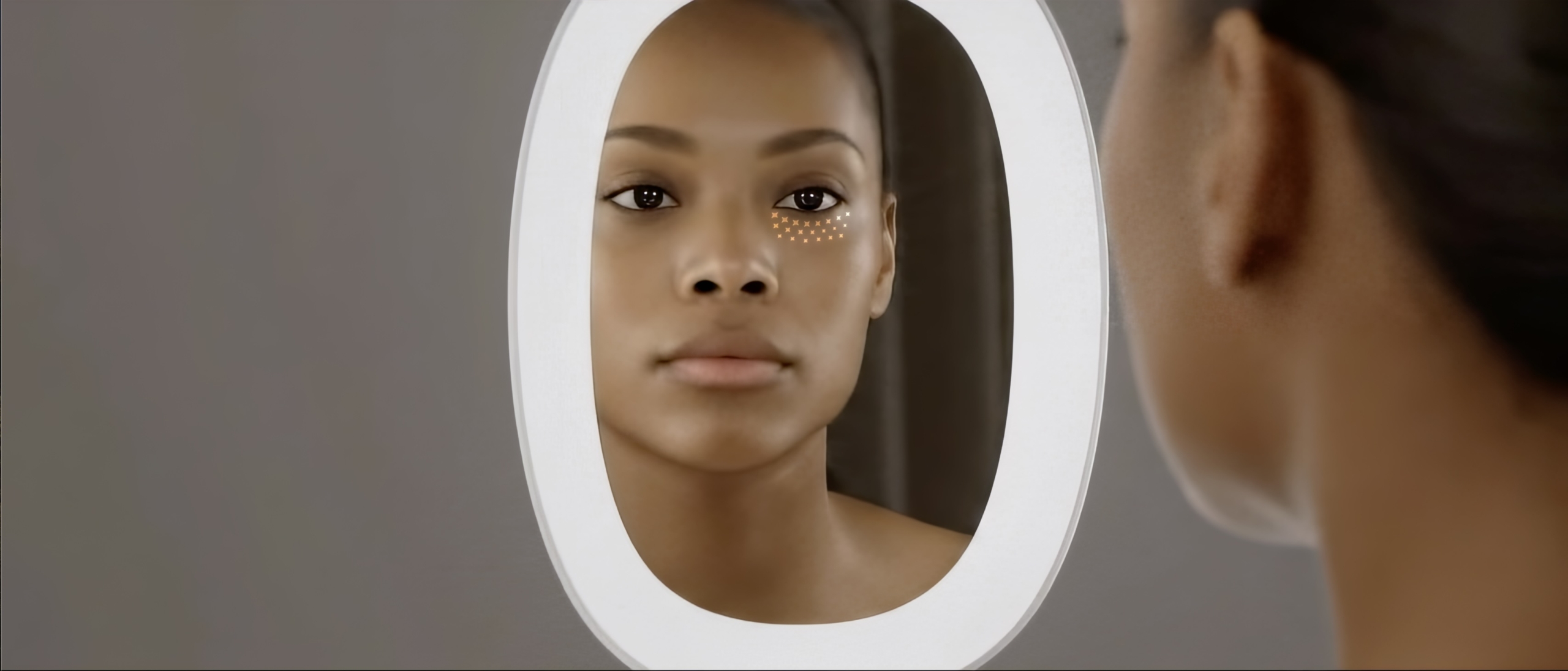
By June last year, Raich, a longtime department store buyer, quit her job as director of business strategy at Bloomingdale’s to build the better way the market was missing: A smart mirror powered by augmented reality and artificial intelligence that maps users’ faces, suggests makeup tutorials appropriate for their features, preferences and skill level, and guides them through the makeup application process. Called Primer, a name that nods to the mirror’s role and could change, the mirror is currently scheduled for delivery in late 2027 or early 2028.
Brad Augustine, former VP of hardware at Mirror, where he was instrumental in scaling the now-defunct home fitness device before Lululemon acquired it in 2020, leads Primer’s engineering. Augustine and Raich are working with design and engineering services group Sigma Connectivity on its prototype. The mirror is linked to an app that essentially acts as a remote control. Users scan looks on the app to select them for the mirror.
Primer’s mirror is expected to be priced at between $500 and $1,000, and it’s likely users will pay a $5.99 monthly subscription fee. They’ll have access to eight to 10 basic looks as well as two complementary monthly looks and premium looks from influencers. Primer plans to develop a user-generated content marketplace with a revenue-share model for influencers producing looks and product recommendations. Brand partnerships are also a potential revenue stream. For example, brands could provide looks related to product launches or special events.
Primer has a provisional patent. Raich says it combines “the hardware power of Mirror, the content creator economy of OnlyFans and the product engine of ShopMy in one place with the idea that, for makeup right now, everything is disparate. Discovery, purchasing, mastery, all of those things happen in different places. We’re putting them into one place, the most comfortable place for women, which is a traditional analog mirror in their home.” Her consumer research found 95% of women use an analog mirror to do their makeup.
Because Primer is geared toward individual users, not the worldwide audience of makeup consumers, its personalized guidance avoids the problems of tutorials that are too complicated or not a fit for the person attempting to follow them. Raich explains, “If you’re doing it incorrectly, the mirror is going to be able to tell you that.”
“If you’re doing it incorrectly, the mirror is going to be able to tell you that.”
Primer’s AI capabilities enable it to learn from users, and it will level up guidance as users’ makeup skills improve. “We talk a lot about the mirror as a mentor,” says Raich. “What happens when you interact with a mentor? They don’t continue to guide you to the same degree they did when you first started. They ease up over time. AI allows you to do that, and we’ll be using the data certainly to implement that.”
What Primer won’t be using data for is selling it for commercial gain. Raich stresses the startup is intent on cultivating a relationship of trust with its users and is sensitive to their data privacy concerns. “We’re going to be in people’s bathrooms,” she says. “I think we have to be extra careful about what data we’re collecting and what we are sharing.”
Raich imagines a community emerging among Primer’s user base encouraged by gamification tactics that dole out perks for participation. While it’s notoriously difficult to form communities outside of established digital destinations for them, she believes Primer can foster camaraderie among makeup amateurs and experts alike excited about the looks they’ve accomplished and the products involved. Users can record tutorials on Primer and upload before-and-after images.

“I’m not trying to migrate the discussion of makeup off of Reddit,” she says. “It’s more a place to share for beauty fans about what makeup’s good, what looks are good in their opinion and how they did them, kind of like people who comment on recipes.”
Self-funding Primer so far, Raich is fundraising with the goal of securing $8 million to bring the mirror to market. Although wearable hardware companies like Oura are drawing big bucks—the ring health monitor has raised over $900 million last month in a series E round at an $11 billion valuation—she encounters investors wary of the financial model of technology-fueled hardware. Hardware companies tend to lose or not make sufficient money on the hardware alone and face challenges hinging their financial health on ancillary offerings.
That’s not Primer’s model, and Raich counters investor skepticism with numbers. She says Primer will be first-order profitable, including the cost of customer acquisition. For the business overall, she anticipates it becoming profitable roughly two and a half years out. Several smart beauty mirrors already exist from companies like Swan Beauty, Samsung and Vercon, generally with more rudimentary concepts focused on skin analysis. Primer will have to better them to win over savvy beauty consumers.
Raich acknowledges the customer experience will make or break the smart mirror. “If it’s glitchy, if there’s latency, if it doesn’t look cool, then it’s a no go. That being said, I would never release a product like that,” she says, adding, “What I’m an expert at is what people want. As a buyer, you’re ultimately making monetary bets on what the future holds and what people will want in the future. To some degree, I’ve funneled all that knowledge into this one product.”

Leave a Reply
You must be logged in to post a comment.