
In beauty, brand DNA is simultaneously the most valuable and most fragile asset, yet history proves it can erode easily.
After buying the trademarks for Juice Beauty in 2005, I built the brand from scratch, obsessively protecting its DNA and growing its sales for 19 years, the only exception to the growth was during the height of the pandemic. The brand was a top 15 prestige skincare brand at Ulta Beauty for several consecutive years.
But Juice Beauty’s hard-earned identity and reputation unraveled in 2025 when the brand I spent two decades building was unfortunately liquidated by a private equity firm, which I had sold a majority stake to 10 years earlier. I stopped running the brand in 2023 when the firm brought in a new CEO and management team.
When massive management changes happen in any company, Board members should carefully watch for signs that could destroy the brand DNA to avoid customer confusion, employee disillusionment, and financial decline. Signs often include:
- Planogram branding changes constantly, confusing loyal shoppers
- Reformulations driven solely by margin gains
- Supply-chain shortcuts that compromise quality
- Abandonment of the storytelling that originally built the customer base
Before Juice Beauty, I built two other businesses, and I’ve also consulted for private equity, served on boards of fitness and wellness companies, and through it all, had a front seat to both tremendous successes and utter failures. The brands that survive and thrive following transitions, including sales, share a common thread: They have intergenerational DNA that withstands any single leader, product or campaign.
One jaw-dropping moment stands out in my mind from a previous post-acquisition consulting experience: I once sat in a boardroom watching a brand’s CEO, CFO and three private equity professionals, all men with minimal direct beauty experience, pick packaging colors for women’s products that would represent a radical change in branding. No customer input. No retailer feedback. No reflection on brand history. No live mock-ups on planograms. No gender or age diversity in the room. That was a memorable moment when I realized just how far a brand can drift from reality.
What Brand DNA Really Means in Beauty
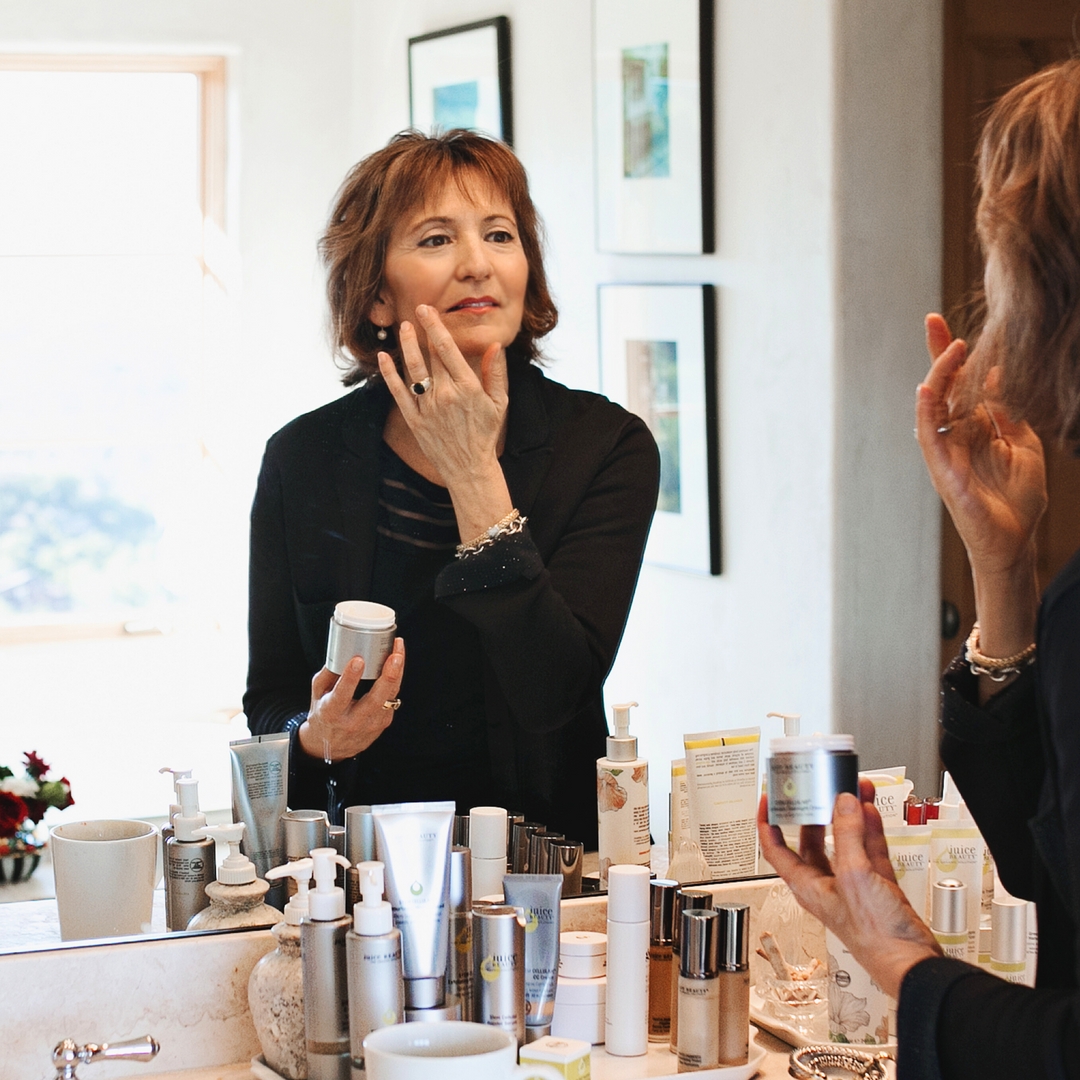
Benjamin Lord, founder of consultancy Antidote and former GM at Juice Beauty, where he greatly increased e-commerce profitability, observes that the brand’s 40% repeat purchase rates were an indicator of customer loyalty and made scaling profitable. “Customer lifetime value was exceptional because customers genuinely believed in the brand’s mission,” he says. “That kind of loyalty doesn’t come from clever marketing; it comes from authentic brand DNA that customers can feel in every interaction.”
Juice Beauty’s mission was specific: create clinically validated skincare with certified organic ingredients in formulations that performed as well as conventional chemical beauty without using ingredients harmful to people, animals or the planet. It never occurred to me to build a brand any other way. This mission, almost an obsession, sometimes drove my team crazy, but it was the foundation of fierce loyalty.
Consider these stats:
According to Mobiloud and Kitewheel/Vision Critical, the average beauty brand repeat purchase rate is 25.9%, but mission-driven brands with strong DNA achieve 40%-plus repeat rates, generating 12% to 18% more revenue annually than non-mission-driven brands.
Per the SAP Emarsys Customer Loyalty Index 2025, 42% of consumers remained loyal to beauty and skincare brands in 2025, a 10% increase from 2023, but only when brands demonstrate genuine values and transparent practices.
Loyalty isn’t luck. It is the direct result of protecting the brand ethos throughout the company with the products and brand always taking center stage.
The clean beauty market, where brand DNA and authenticity are particularly critical, is projected to grow from $8.1 billion in 2024 to $33.2 billion by 2034, at a 15.2% annual growth rate, according to Insight Ace Analytics. The firm estimates that 78% of consumers feel a deeper connection to brands that authentically communicate their mission.
As companies get bigger, the mission atrophies unless it’s felt deeply by leaders and translated into every level of decision-making via:
- Relentless focus on product and formulation
- Uncompromising ingredient integrity
- Consistent brand values with voice and visuals
- Customer-first thinking at every touch point
The Competitive Edge of Resourcefulness and Determination
Brands rarely fail from lack of funding or perfect distribution, but they can fail from lack of resourcefulness and determination.
Around 2008, a visionary Sephora buyer launched a natural beauty wall in select stores, and Juice Beauty was chosen for it. It was thrilling for about a minute until Sephora realized it was too early to natural beauty and eliminated the wall. For a young brand like Juice, that could have been the end.
To make sure it wasn’t, for over a year, I persistently pursued Chuck Rubin, then CEO of Ulta. After wearing down his assistant with my calls and emails, she finally told me where Chuck would be having breakfast and informed me I could have 10 minutes of his time.
In early 2010, I took a risk and flew to Chicago and grabbed those 10 minutes. Chuck believed that the country was ready for clinically validated and authentically organic products. He agreed to test Juice Beauty in 50 stores scattered across the United States, making field sales visits incredibly challenging. Nevertheless, I seized the opportunity.
Pre-influencer era and with no field staff, the company relied on public relations, clinical proof and crystal-clear branding. The test was a hit, and Ulta rolled out the brand nationwide. Despite intense competition and the rise of savvy private equity-owned brands and beauty giants surrounding us, the brand did well.
Another instance of determination comes to mind: In 2020, as the pandemic was emerging, I discovered that, despite years of running our finances through enterprise software, we had never fully implemented its automated inventory planning module. We relied instead on a patchwork of spreadsheets that caused overstock of slower-moving products and potential shortages of bestsellers.
Experts told us fixing it would take months and was practically impossible. With a solutions-focused financial manager and a seasoned warehouse manager, the three of us ignored that noise insisting that a Material Requirements Planning (MRP) system would take years to complete, and we got the system up and running in under a month, protecting margins and customer experience when other brands were floundering.
What Happens When Brand DNA Is Discarded
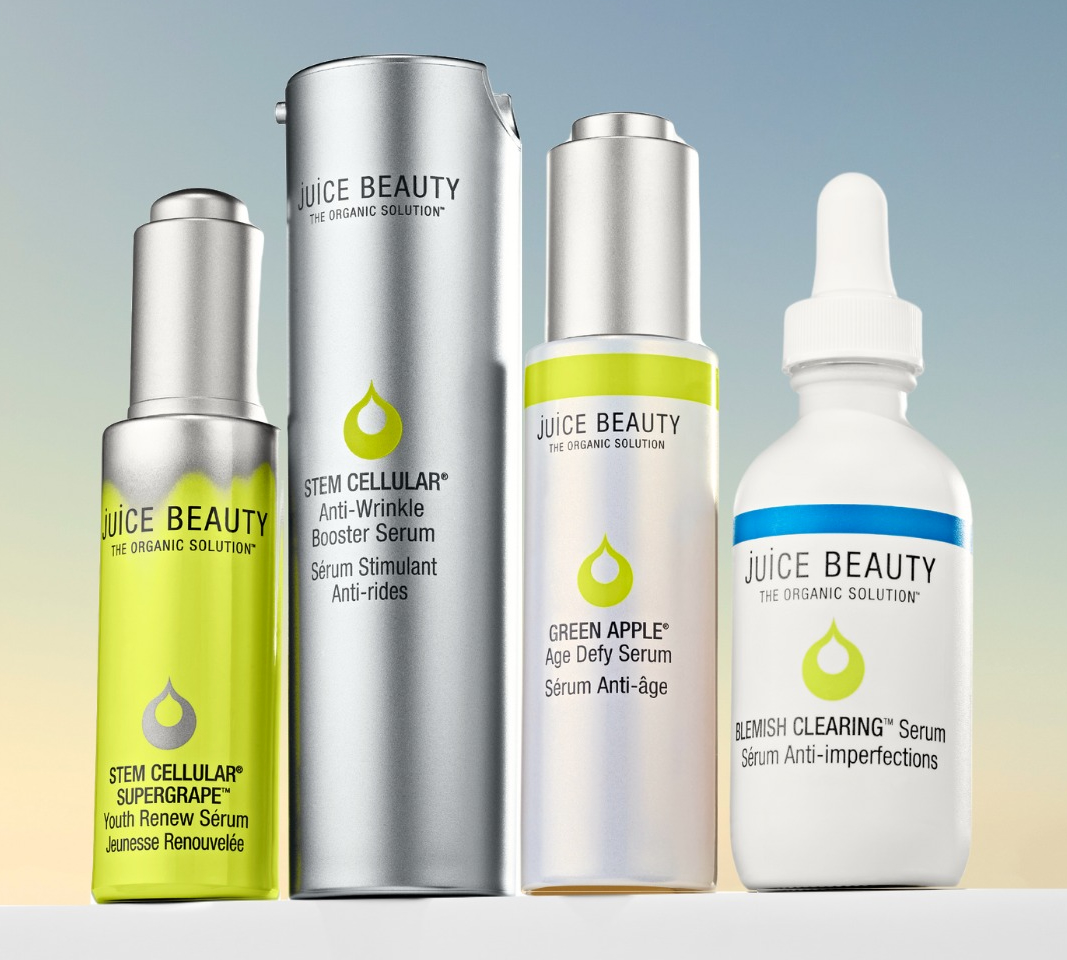
For almost 20 years, I spent considerable time in Ulta stores nationwide interacting with customers, one of my absolute favorite and most valuable activities as a leader. Customers appreciate products that work, a clear vision and a recognizable identity. They notice quickly when formulas change, branding becomes inconsistent or store teams seem confused about what a brand stands for.
When a brand is acquired, sometimes its mission lives on beautifully, as with Tatcha and Ilia following acquisitions by Unilever and Clarins, respectively. More often, I’ve watched that mission weaken with devastating financial consequences. Customers and retailers always notice.
The beauty industry’s brand graveyard tells the story. H2O+, Ren Clean Skincare, Becca Cosmetics, Bite Beauty and Clarisonic shuttered after private equity investment or strategic acquisition. Beautycounter collapsed under Carlyle before being revived under original founder Gregg Renfrew.
Early signs a brand is losing its core after a transition include:
- Loyal customers asking what changed
- Retailers reducing support or shelf space
- Increased discounting to move inventory
- Higher leadership and staff turnover
- Inconsistent messaging across channels
- Hero products losing quality or relevance
- Falling repeat purchase rates and weaker word-of-mouth
What Savvy Leaders Understand and Protect
When brand DNA frays, customers notice quickly. SAP Emarsys found 60% of consumers switched from brands they had been loyal to because of quality concerns. GWI reported 56% stopped buying from brands they considered unethical. Separate research from Deloitte and AMRA & Elma suggests purpose-led brands enjoy stronger loyalty and faster growth.
E.l.f. Beauty’s Rhode acquisition for up to $1 billion and L’Oréal’s reported around $1 billion purchase of Medik8 happened in part because the founders remained closely involved in protecting each brand’s core identity, whether through Hailey Bieber’s continuing creative role at Rhode or innovation at Medik8. Both brands brought strong profitability to the table as well. These weren’t hype plays. They were brands with proven DNA and margins.
Savvy leaders understand the importance of:
- Leadership that truly understands the brand’s ethos
- Protecting original values rather than diluting them
- Resourcefulness and discipline at every level
- Obsessively listening to customers and focusing on product
- Written guardrails that preserve both brand equity and financial discipline
- Using outside agencies as advisors, not owners of the vision
- Securing formulation knowledge, ingredient contracts and other operational assets before leadership transitions
Brand DNA isn’t just an asset. It’s a long-term promise to customers. Once lost, it’s rarely recovered.
Karen Behnke is the founder and former CEO of Juice Beauty, which she led from 2005 to 2023, and a longtime entrepreneur, investment adviser and board member across beauty, wellness and fitness. She’s launching a new beauty brand next month.