
Here are the fragrance notes from this year: The category reigned atop beauty for growth, but momentum softened.
In the first nine months of the year, prestige fragrance sales rose 6%, while mass-market fragrances, accounting for roughly 10% of the category, jumped 17%, according to data from market research firm Circana. By comparison, for the full year in 2024, fragrance sales increased 12% in prestige and 9% in the mass market.
In the all-important fourth quarter, which typically drives roughly 40% of annual fragrance sales, Circana expects the category to post low single-digit growth and surpass $4 billion in United States sales. The firm anticipates demand will be bifurcated between premium and affordable tiers, with higher juice concentrations such as parfums on one end and lower-priced formats like minis and body sprays on the other. While prestige fragrance dominates the category overall, Circana predicts mass-market fragrance will play an outsized role in holiday gifting.
Against that backdrop, we were curious how fragrance company founders and executives see the category evolving. For the latest edition of our ongoing series posing questions relevant to indie beauty, we asked 14 of them the following: What fragrance trends will rise next year? What trends will be over?
-
 Wonny Lee Co-Founder, Elorea
 There’s a direct correlation between the global economy and how consumers engage with brands. As wallets tighten, purchasing behavior shifts, and perfume is no exception. In 2026, we’ll see a duality emerge: On one side, brands under pressure will respond with more promotions, lower price points and reformulations, often driven by cost rather than creativity. This will look like frequent sales, simplified compositions and an emphasis on accessibility.
On the other side, brands with strong core audiences will move in the opposite direction. They’ll double down on creativity and value, not by discounting, but by redefining what the product offers. That means better storytelling, more intentional formulations, multiuse or layered concepts and experiences that feel worth the investment.
Value will be the defining word, not just price, but the balance of quality, quantity and overall emotional return on investment. The brands that win won’t be the cheapest; they’ll be the most thoughtful.
I don’t think any trend will disappear overnight, especially while demand for fragrance discovery remains incredibly high. However, there will be a fundamental shift in how sampling works online.
Traditional discovery sets and sample programs are quietly becoming unsustainable. The cost of producing, fulfilling and marketing samples is extremely high, and, in most cases, they operate as loss leaders. At the same time, consumers are increasingly questioning why they’re paying so much just to try something. Something has to give.
In 2026, we’ll see brands rethink sampling entirely, moving away from bloated discovery kits toward more intentional, personalized or utility-driven approaches. Fewer samples, but more relevance. Less volume, more precision. The future isn’t about more sampling, it’s about smarter sampling that respects both the customer’s wallet and the business's metrics.
- Marie du Petit Thouars Founder and Creative Director, Maison Louis Marie
I believe fragrance will become much more rooted in ritual rather than a singular scent identity. People seem to be moving away from the idea of a single defining scent and instead building daily practices around fragrance like layering an EDP with body care, a mist or even a home scent to shape the atmosphere they want to live in.
I think we’ll see fragrance expressed across multiple formats working in harmony, creating continuity from the skin to the space around you. People aren’t just wearing perfume anymore; they’re creating entire scent environments that support mood, grounding, and a sense of place.
I think (hope -haha!) we’re nearing the end of an era where brands over-rely on repetitive influencer content and social-listening formulas that make everything feel the same. I strongly feel consumers are craving more intimacy, honesty and a distinct point of view like something that feels created by humans, not algorithms and market research.
The constant wave of new launches and interchangeable creator partnerships has also created real fatigue. There’s simply too much noise in the market. Going forward, fewer but more meaningful releases will matter, and brands with true personality or even imperfections will feel most relevant. The shift is toward storytelling with texture and truth.
- Malaika Jones Founder and CEO, Brown Girl Jane
Trends Rising Next Year
Gourmand grows up.
We are moving into a more sophisticated phase of gourmand fragrance. Consumers are still drawn to edible notes, but the demand is shifting away from overtly sweet, novelty gourmands and toward compositions that feel textured, layered and grounded. Think rum cake rather than frosting, caramelized fruit rather than candy, espresso with woods instead of sugar. The appeal is indulgence without juvenility, and it reflects a consumer who wants pleasure that feels intentional and adult.
Fragrance as identity, not mood.
There is a noticeable move away from vague emotional storytelling toward scent profiles that communicate something specific about the wearer. Consumers are becoming more fluent in notes and structures, and they want fragrances that say something about taste, culture and point of view. This has pushed brands to be more precise and honest in how they describe scent, rather than leaning on abstract language.
Travel through ingredients, not destinations.
Rather than literal place-based marketing, we are seeing stronger engagement when brands evoke travel through raw materials and rituals. Ingredients like tropical fruits, resins, spices and woods are doing more work than overt geographic references. It feels less like escapism and more like cultural fluency.
Discovery as a primary entry point.
Discovery sets and travel sizes are no longer just sampling tools, they are how many consumers meaningfully participate in fragrance. Rising prices and a more educated customer have made exploration part of the value exchange. Brands that design discovery intentionally, not as an afterthought, are seeing deeper long-term engagement.
Founder credibility over influencer volume.
From a business standpoint, founder-led storytelling is increasingly important, especially in fragrance where trust and taste matter. Consumers respond to real expertise, lived experience and point of view more than to large-scale influencer saturation. This does not mean influencers disappear, but their role becomes more selective and additive.
Trends Over Next Year
Trend-chasing launches without depth.
The market is oversaturated, and consumers are quicker to disengage from fragrances that feel rushed or purely reactive to social trends. Without a clear reason for existing, many launches struggle to build repeat purchase or long-term loyalty.
Overly abstract, mood-only language.
Phrases that say little about how a fragrance actually smells are losing effectiveness. Consumers want clarity. If the scent is warm, decadent or juicy, they expect that to be reflected accurately. Brands that hide behind poetry without substance are being tuned out.
One-note sweetness.
Simple sugar-forward profiles are starting to feel flat. As palates mature, consumers want contrast, bitterness, depth and evolution on skin. Sweetness still has a place, but it needs tension to feel compelling.
Influencer volume as a growth strategy.
Spray-and-pray gifting and transactional influencer relationships are delivering diminishing returns. We are seeing more brands pull back and invest in fewer, more meaningful partnerships or shift resources toward owned channels and community.
- Daniel Patrick Giles Founder and CEO, Perfumehead
Trends Rising Next Year
Slow Perfumery
Like wine, fragrance can be mass-produced, or it can be aged, macerated and crafted with intention. Slow perfumery celebrates patience, depth and complexity. Perfumehead was early to this movement with our extrait collection, proving that people are craving nuance and artistry.
The Coltrait Category
Last year, I introduced the Coltrait category with 1272, a hybrid that merges the freshness of a cologne with the depth of an extrait. These olfactive mashups are the future. They create a tension between ingredients, notes and textures that feels entirely new. Playing with dark and light.
Scent as Emotion
Fragrance is shifting from something you wear to something you feel. People are choosing scents to regulate mood, shift energy or amplify emotion. This emotional connection is becoming the new luxury. This is not going away and it’s not a trend.
Scensory Experiences
We’re entering an era where scent becomes immersive and multi-sensory. Fragrance will increasingly intersect with touch, sound, ritual and technology, transforming environments and experiences. I just finished a project with Kelly Wearstler called Side Hustle, where scent was the backdrop to an art installation.
The Osmocosm
The “osmocosm” is a term I trademarked and at the core of everything we do at Perfumehead. It defines the Perfumehead universe: a playground of scent that extends far beyond a single bottle. When people love a fragrance, they want it expressed through hair fragrance, body care, oils, mists and solids. It’s about building a world around scent.
Green Science
Climate change poses one of the biggest risks to fragrance houses that rely on natural materials. Green chemistry, biotechnology, and AI will play major roles in protecting both creativity and the planet. The future is where sustainability and craftsmanship meet. This is what keeps me up at night.
New Concepts in Environmental Scenting
I’m deeply focused on new technologies and delivery systems for environmental fragrance. Life beyond the traditional candle. There’s extraordinary innovation happening in this space, and it will shape the next chapter of our osmocosm.
Trends Fading Next Year
Gourmands
The gourmand wave has reached saturation. The “sugar high” is coming to an end. We’ll see a return to bright, fresh, sparkling compositions with clarity and lift. Brands like Perfumehead will still use ingredients such as vanilla absolute, but as part of a more complex layered structure, not as the lone star.
The Signature Scent
Rest in peace. Today’s consumer uses fragrance as a tool for self-expression. They build fragrance wardrobes the way they build their closets, choosing scents based on mood, moment and emotion. It is not a trend. It’s a way of life.
Functional Fragrance
I spend a great deal of time researching notes that genuinely interact with the olfactory system, partly because I lost my sense of smell during COVID and partly because my mother passed away from Alzheimer’s. Real olfactive impact exists, but “functional fragrance” as a marketing concept is reductive. The science points to specific notes, not slogans.
Cheap Synthetics
There is going to be a reckoning with cheap, unregulated synthetics that people are putting on their skin. Customers often ask why certain fragrances give them headaches. It’s low-grade synthetics are almost always the culprit. As consumers become more educated, brands will be forced toward safer, higher-quality materials.
Smelling Like Everyone Else
Not new, but increasingly urgent. Customers tell me constantly, “I don’t want to smell like everyone else.” They immediately mention the usual suspects like Santal 33 and Baccarat Rouge. Individuality is the new luxury.
Everyone Launching a Fragrance Brand
Like every cycle in beauty, we’ve hit a moment where everyone is launching a fragrance brand or trying to create their own “signature scent.” The category is oversaturated, and consumers are becoming more discerning. They’re gravitating toward authenticity, craftsmanship, storytelling and creators with a real point of view. The market will correct itself, and the brands with true artistry and intention will rise above the clutter.
- Lynn King Founder and CCO, Fleurit Parfums
The overarching theme for next year sits at the intersection of relatability and aspiration. While viral trends will always exist, we are seeing massive fatigue with "smelling like everyone else." Consumers no longer want to buy a pre-packaged identity; they want the tools to articulate their own, ever-changing one.
Fragrance Trends Rising In 2026
The Wardrobe Economy Replacing the Signature Scent
The era of the signature scent, one perfume worn faithfully for a lifetime, is fading. We are seeing a massive shift toward fragrance wardrobing, where consumers treat scent like fashion, rotating options based on their mood or outfit.
This changes the business model from selling one hero product to selling a library of options. Brands that succeed next year will be the ones teaching consumers how to style their scents, pairing a woody base with a floral top note, rather than just selling a static bottle. This increases units per transaction (UPT) as customers naturally buy pairs rather than singles.
The Renaissance of Niche Brick-and-Mortar
While e-commerce is convenient, high-end fragrance remains a visceral experience. We are seeing a pivot away from the grab-and-go environment of massive beauty halls toward intimate, multi-brand niche boutiques.
Consumers suffering from viral fatigue are seeking out independent retailers specifically for their curation of exclusive, hard-to-find brands. These spaces function less like stores and more like tasting rooms. In a high-churn market, this high-touch education is the only thing that creates true retention.
Smart Sizing as the New Standard
As consumers build wardrobes of five, 10 or 15 scents, the 100-ml. bottle becomes an impractical commitment. The 50-ml. bottle is emerging as the new industry standard, the "Goldilocks" size that is substantial enough to feel like a luxury vessel on the vanity, but accessible enough to allow for multiple purchases. Strategies that focus on 50-ml. formats and robust discovery sets rather than pushing giant volumes align better with how modern consumers actually use and finish their products.
Community-Led Mixology
Social media is shifting from reviews to recipes. We are seeing a massive appetite for content that answers, "What happens if I mix X with Y?" This turns the customer into a creator. Expect a rise in brands using user-generated content (UGC) not just for testimonials, but to showcase layering combinations. The brand provides the paint; the community paints the picture.
Fragrance Trends Over In 2026
The "Monogamous" Perfume Consumer
The romantic notion of finding "the one" is officially over. In a world of hyper-individualism, asking a gen Z or millennial consumer to smell the same way every day is like asking them to listen to only one genre of music. It feels restrictive. The blind loyalty model is dying, replaced by a loyalty to variety model where consumers are loyal to brands that allow them to experiment.
100-ml. Bottles as the Default
Mathematically, the 100-ml. bottle doesn't make sense for the modern user. If a consumer rotates through a wardrobe of scents, a 100-ml. bottle takes over a decade to finish. We predict a slowdown in large-format launches. The future belongs to the 50-ml. bottle, the perfect balance of presence and practicality, and the discovery sets that lead to them.
Kitchen Sink Complexity
Fragrances that are too dense, heavy, or comprised of 50 competing notes are losing ground to cleaner, more linear structures. Why? Because you can’t layer a "shouting" fragrance. To facilitate the wardrobe concept, scents need to play well with others. We will see a decline in olfactory chaos and a rise in streamlined, high-quality compositions that leave room for the wearer’s own chemistry.
Gendered Binaries
The pour homme/pour femme divide is becoming commercially obsolete. The modern nose knows what it likes—be it vetiver, rose or oud—regardless of the label. Brands that strictly segregate their lines are effectively cutting their potential audience in half. The future of fragrance is fluid, just like the consumers wearing it.
The industry is thriving because fragrance offers an emotional utility that other beauty categories cannot match. As I often say, when life is good, fragrance is an accessory. When life is hard, fragrance is armor. Either way, it is the last luxury we give up.
- Douglas Little Founder, Heretic Parfum
Next year, fragrance will move beyond the singular scent and into curated wardrobes that invite layering, personalization and mood-based ritual. Consumers are craving function with finesse, perfumes that offer emotional nuance without sacrificing sophistication, while sustainable innovation through naturals, upcycled materials and biotech ingredients shifts from obligation to creative opportunity.
Success will hinge on culture-driven storytelling that feels lived-in rather than marketed, meeting audiences where they gather and learn online. In 2026, fragrance isn’t merely something you wear; it’s something you inhabit, an atmospheric architecture shaping identity, emotion and daily experience.
Next year will mark the decline of one-note perfumes and overly sweet gourmands, both of which now feel too simplistic for consumers seeking depth, tension and narrative in scent. The era of “clean perfume” as a hollow marketing device is also fading as audiences demand true transparency, craftsmanship and provenance rather than fear-based purity claims.
- Kelly Kussman Founder and CEO, Cayla Gray
Trends Rising Next Year
AI as the new fragrance guide: AI-driven fragrance mapping is poised to become a standard part of online fragrance discovery. These tools help shoppers understand their scent preferences, identify their ideal fragrance families and make more confident blind buys, making online shopping for fragrance easier. While it doesn’t replace the magic of smelling something in person, it does make digital discovery feel more intuitive and personalized.
Functional fragrance steps forward: I’m seeing more of a shift towards fragrances with purpose and function. Consumers are looking for scents that do more than smell good, whether that means supporting focus, boosting mood, a good night's sleep or creating a calming environment. As research around scent neuroscience and emotional mapping advances, functional fragrance is moving from a niche idea to something people are incorporating into their everyday rituals as supportive tools that help people reconnect with themselves.
Biotech expands the palette: Innovations in biotech are opening new doors for perfumers. Lab-grown naturals, sustainable aroma molecules and even regenerated extinct notes that we thought were lost forever become more prominent in 2026. This gives brands a way to offer unique olfactive profiles while reducing reliance on scarce or resource-heavy materials.
Trends Over Next Year
The single signature scent: The idea that one scent should define a person is fading fast. We’re all multidimensional and our scent choices are starting to reflect that more and more. Consumers are moving toward scent wardrobes that shift with mood, season and setting. The one-size-fits-all signature scent feels increasingly limiting in a landscape where personal expression and versatility matter more. In 2026, fragrance is less about declaring a single identity and more about building a collection that reflects the many versions of yourself.
Overly sugary gourmands: Vanilla will be a forever favorite of consumers, but the hyper-sweet gourmands that dominated the last few years are losing momentum. The category is evolving and overly sugary, candy-inspired profiles are starting to feel dated. Today’s consumer is looking for more sophistication, nuance and texture, and less syrup. I think we’ll see more gourmands with mineral tones, herbal accents and subtle woody depth that keep the sweetness in check. As gourmands evolve into richer, more balanced interpretations, the ultra-sweet, cupcake-leaning scents are making their exit.
- Thomas Saujet Founder and CEO, Saujet Fragrances Group
Overall, the niche fragrance industry is going to continue to grow. We’ll see a major trend in super luxe fragrances that are priced well over the standard $250 to $350 price tag. There’s a growing gap in the market between super exclusive niche houses and luxury fragrances at a lower price point. There's no middle ground.
As the economy continues to highlight disparities between consumers, the divide between “super luxe and rare” and “accessible luxury” is becoming more pronounced. Like most beauty trends, it mirrors what's going on in the world and the luxury fragrance business is indicative of the disparity in the market.
Niche, almost one-of-a-kind fragrances are addressing the luxury consumers desire to wear something no one else has and the niche fragrances with a lower than usual price point is fueling a masstige consumers desire for something aspirational.
- Renee Stuart Founder and Co-CEO, Maison&Muse
We spend a lot of time watching how people actually use fragrance, not just what’s on shelf, but what shows up in homes, handbags, cars and on TikTok. Fragrance is more than just a product, it’s an extension of our identity, a mood enhancer, a conversation starter and a way to relive moments and memories. It’s why at Maison&Muse we love it’s now being built into everything to elevate our everyday rituals.
We see a clear shift that fragrance is becoming more layered, more gender‑neutral, more edible‑but‑elevated and much more integrated across your home, car and personal care products.
Here’s what is going to be in for fragrance in 2026, and what is on the way out.
5 Things That Will Be In for Fragrance in 2026
Scent‑Maxxing and Layering as a Lifestyle
2026 will belong to the “scent‑maxxing” generation. Born on PerfumeTok, this isn’t about a single signature fragrance, it’s about building a personal scent wardrobe and layering across your products to create one coherent, multi‑dimensional trail. Mists, lotions, hair and body sprays, home and car fragrances are all part of the same ritual. Fragrance will be treated the way we treat our makeup: custom, playful, combinable and endlessly shareable.
Genderless Woods, Leather and Amber
The rise of “masculine” notes is only just beginning. Santals, woods, leather, amber are being recoded as the new luxury neutrals and combined unexpectedly with bright florals and juicy fruits. In 2026, expect to see more leather–floral pairings, woody vanillas and boozy ambers positioned for everyone, not just men.
Modern Nostalgia: Fruit with Feelings
Nostalgic notes aren’t going anywhere, they’re just getting sharper tailoring. Fig, guava, lychee and tropical florals are being modernized with musk, patchouli, florals and woods for “grown‑up playful” rather than artificial and sweet. People will want scents that nod to childhood memories, but look and smell sophisticated enough to live on their bathroom shelf or car dash. The next wave of fruity florals will be fresh, juicy and unexpected.
Neo‑Gourmands: Edible, But Elevated
Gourmand is evolving from obvious scents to elevated combinations to indulge in. Vanilla, caramel and chocolate will be joined with maple syrup, nuts, buttery pastry, milk, honey and even subtle savory warmth. In 2026, gourmands will smell less like a cupcake and more like an elevated dessert bar or bougie bakery: layered, textured and slightly unexpected.
Fragrance Everywhere: Cars as Your Second Home
The car is no longer just a place you mask with a “new car smell.” Consumers now treat it as a second living room, and they want the same level of curation. Premium vent clips, hanging scents and on‑the‑go mists are moving towards home‑fragrance‑level complex fragrances, with longer‑lasting formulas and premium aesthetics that blend with car interiors rather than clash. In 2026, the brands that win will be the ones that let you match your car to your home, your mood, or even your outfit, turning elevated car care into the final step in your fragrance routine and something your passengers will now be expecting.
5 Things That Will Be Out for Fragrance in 2026
One‑Bottle Fragrance Identity
The idea that you pick a single bottle in your twenties and wear it for life is fading fast. In a layering, scent‑maxxing world, one‑and‑done fragrance behavior feels dated. Static signature scents will give way to signature scent profiles built across categories—body, hair, home, car—and switched up by season, mood and social moment.
Artificial, Candy‑Fake Fruits
Loud, artificial fruit notes that smell more like neon candy than the real ingredient are on their way out. As fig, guava, strawberry and tropical fruits trend up, people are demanding true‑to‑life profiles: juicy, textured and grounded in woods, musk or florals. In 2026, obviously synthetic fruit accords will feel cheap and dated next to modern fruity compositions that balance ripeness with freshness and realism.
Flat, Basic Gourmand “Cupcake” Scents
Old‑school gourmands that lean on one flat vanilla with no sophistication will feel tired next to neo‑gourmands that layer wild caramels, nuts, butter, fruits and florals. People will still want to smell like dessert, but they also will want complexity and richer indulgence.
Generic Car Fresheners and Pine Tree-Only Vibes
The days when a car freshener meant a flimsy pine tree or candy hanging from the mirror are numbered. People are actively looking for car fragrance products that fit the aesthetic and fragrance standard of their homes, more sophisticated scent profiles and modern design. Visibly jarring, harsh‑smelling, obviously synthetic car fresheners will look and smell out of place in a world where the car is an extension of your personal brand.
The Too-Precious-to-Burn Candle
The era of the expensive, aspirational candle that sits on a shelf, burned only three times a year for fear of wasting it is officially over. In 2026, fragrance is about experience and integration, not untouchable luxury. Consumers are seeking scents that enhance their daily lives, creating an atmosphere that is both sophisticated and accessible. The focus has shifted from owning a status symbol to actively enjoying and using products that contribute to a holistic, scented lifestyle. If it's too precious to burn, it's too precious to buy.
- Libby Gray Co-Founder, Cerato
The fragrance landscape has evolved over the past year, with more brands embracing functional scents designed to elevate mood and energy. It feels like a shift that’s not only growing, but becoming a lasting part of how people use fragrance. They are realizing that it doesn’t have just one application, it can be used as a tool to feel good. It’s cool to see how brands have interpreted and embodied this new approach in their own unique ways.
Genderless fragrances seem to be a new standard and a trend that will continue to rise in 2026. People are choosing scents based on self-expression and individuality rather than gender cues. We’re seeing men, for example, gravitate towards florals which traditionally have been marketed towards and chosen by women.
We expect more fragrance brands to move beyond traditional content and embrace deeper, more meaningful and evocative storytelling. Consumers today are craving brands with soul, ones they can genuinely connect with, feel inspired by and see themselves reflected in.
- Stephanie Diamond Co-Founder, Cerato
Brands that lack transparency around packaging, sustainability and sourcing will lose relevance as consumers increasingly look for clarity and accountability. People want to feel good about what they spend their money on and trust that the brands they support are mindful and intentional.
This trend has been fading for some time, but we think we’ll see people continuing to move away from one signature scent as fragrance wardrobing becomes more and more popular.
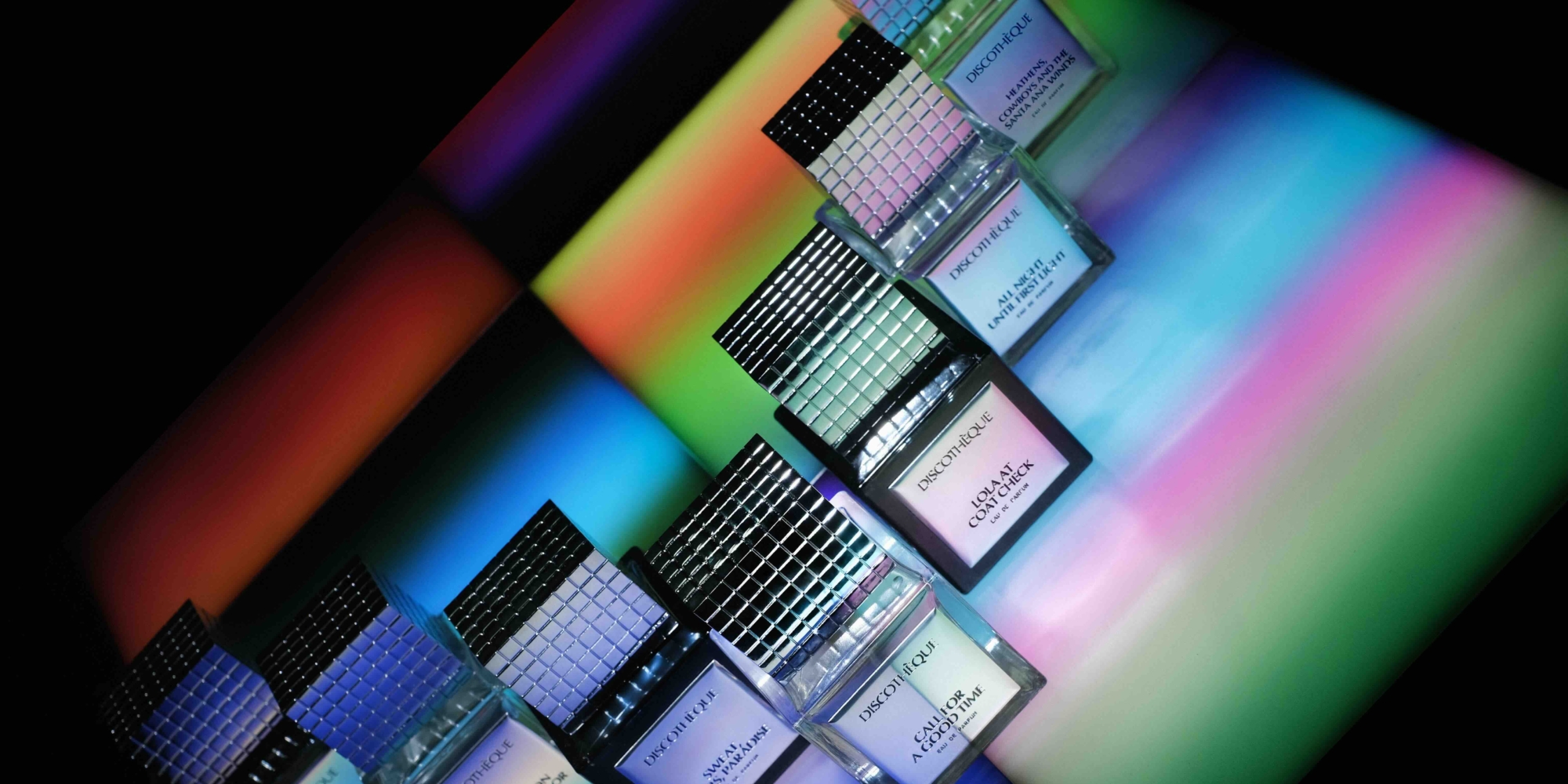
- Jessie Willner Co-Founder and Creative Director, Discothèque
I hope we see a rise in functional fragrance, scents designed to affect your mood or transport you somewhere. Fragrance should make you feel alive!
There's also been a huge shift toward stronger, longer-lasting fragrances. People want something that performs and stays with them all day, not just something that smells nice for an hour.
And, on the reverse side, I think we'll see less ultra-minimal fragrances. I think people are craving complexity and emotion rather than just being inoffensive. Fragrance is at its best when it's transportive and experiential.
- Ahmed ElburFounder, Maliqe
In 2025, fragrance will move further away from novelty and toward depth, restraint and emotional resonance.
Fragrances that will continue to trend in 2026:
Refined gourmands will continue, but with more maturity: vanilla paired with woods, resins or tonka rather than heavy sugar. I also see growing global appreciation for modern interpretations of Arabian notes, especially softer, more wearable oud blended with amber, musk or florals. Green, botanical and tea-inspired scents will keep rising as consumers lean into calming, “quiet luxury” fragrance profiles.
Fragrances on the way out:
Overly sweet, candy-like gourmands feel played out. Loud, heavily projecting perfumes will lose favor for everyday wear as people prioritize intimacy and versatility. I also think trend-driven, one-dimensional or gimmick fragrances will struggle to hold attention as consumers become more educated and discerning.
Fragrance feels like it’s entering a more thoughtful, intentional era focused on soul, balance and storytelling rather than shock value.
- Tedrick Green Founder, Ted Green
Trends That Will Continue
- Culture-Rooted Storytelling Remains a Defining Marker of Luxury
Authentic cultural storytelling will keep reshaping modern luxury. Consumers increasingly want scents that reflect real heritage rooted in specific places, family memories, regional botanicals and genuine lived experiences. In 2026, the premium marker won’t be a French-sounding name, but a scent with a story that feels deeply personal, place-based, and sincere.
- “Clean” Becomes the Cover Charge, Not the Selling Point
Clean formulations will remain essential, but no longer persuasive. Consumers now see safety and transparency as standard. The real point of difference comes from storytelling depth, surprise in design, and emotional resonance. In 2026, if “clean” is still your headline story, you’re already behind.
- Fragrance as Emotional Ritual Continues Its Rise
Fragrance will remain a tool for mood regulation and emotional well-being. Consumers are using scent to ground themselves, reset energy or support sleep, and they gravitate to fragrances that feel like rituals, not just accessories. The brands that frame scent as emotional ergonomics rather than aesthetic adornment will continue to thrive.
New or Accelerating Trends
Region-Rooted Ingredients and Equitable Value Chains
2026 will bring a deeper shift: consumers won’t just want African pepper in an “Africa-inspired” fragrance; they’ll want that pepper grown, processed and profit-shared within African value chains. The same applies to Caribbean vetiver or Middle Eastern resins. Provenance matters, but so does economic agency. Who benefits from the story? The next wave of prestige fragrance will focus on ingredient integrity and community inclusion, not just cultural aesthetics.
Creativity Meets CFO Discipline: Profitable Growth Becomes the Bar
As capital tightens and DTC acquisition costs climb, indie brands need to combine artistry with financial discipline. The era of growth at any cost is behind us. Now, the focus is on margins, disciplined SKU architectures, smarter batch planning and hybrid retail models that reduce CAC. In 2026, the romance of perfumery will increasingly coexist with spreadsheets, and the brands able to balance both will outlast the hype cycle.
A Shift from Minimalism to Cultural Character in Aesthetics
The beige-on-beige era of ultra-minimal packaging is shifting to bolder, more culturally rich designs. Consumers still appreciate refinement, but they’re over interchangeable visual identities. Expect to see more color, symbolism, craftsmanship and storytelling elements that show where a fragrance originates. Personality, not perfection, becomes the new focus in design currency.
Trends Losing Momentum
Virtue-Signaling “Clean” and Hollow Sustainability Claims
Consumers are increasingly skeptical of vague green language and moralistic “clean” positioning. They want proof: supply-chain transparency, safety data and genuine sustainability over aesthetics. In 2026, clean remains expected, but performative eco-messaging without measurable results will continue to lose credibility.
Overly Literal Gourmands and One-Note Tropes
The era of syrupy, simplistic gourmands will keep fading. Consumers still love indulgence, but they want it matured, anchored with bitterness, wood smoke, minerals or savory contrasts. Sweet isn’t going away, but, in 2026, it needs sophistication and tension, not dessert literalism.
Dupe Culture Declines, But Value Consciousness Rises
The peak of “smell-like-X-for-less” culture is behind us. As consumers grow more confident in their taste, they want originality and emotional specificity, not smelling like everyone else on TikTok. But they’re also more cost-conscious. The willingness to pay $200-plus for a bottle is declining. The opportunity in 2026 is for brands offering distinctive, culturally rich, high-quality scents with grounded, rational pricing—originality without elitism.
If you have a question you'd like Beauty Independent to ask beauty brand founders and executives, send it to [email protected].

Leave a Reply
You must be logged in to post a comment.