
After the golden age of glossy magazines, social media leveled the playing field in beauty, fueling the rise of brands like NYX, Anastasia Beverly Hills and Morphe. To bypass rigid retail gatekeepers, direct-to-consumer distribution once again leveled the playing field, ushering in brands like Glossier, Honest and Drunk Elephant.
Now, artificial intelligence is catalyzing another industry disruption, and emerging brands that deploy it effectively may find themselves competing on firmer ground with bigger companies and becoming central to the future of beauty and commerce. Already, savvy upstarts are using AI to act at breakneck speed and at significantly lower costs.
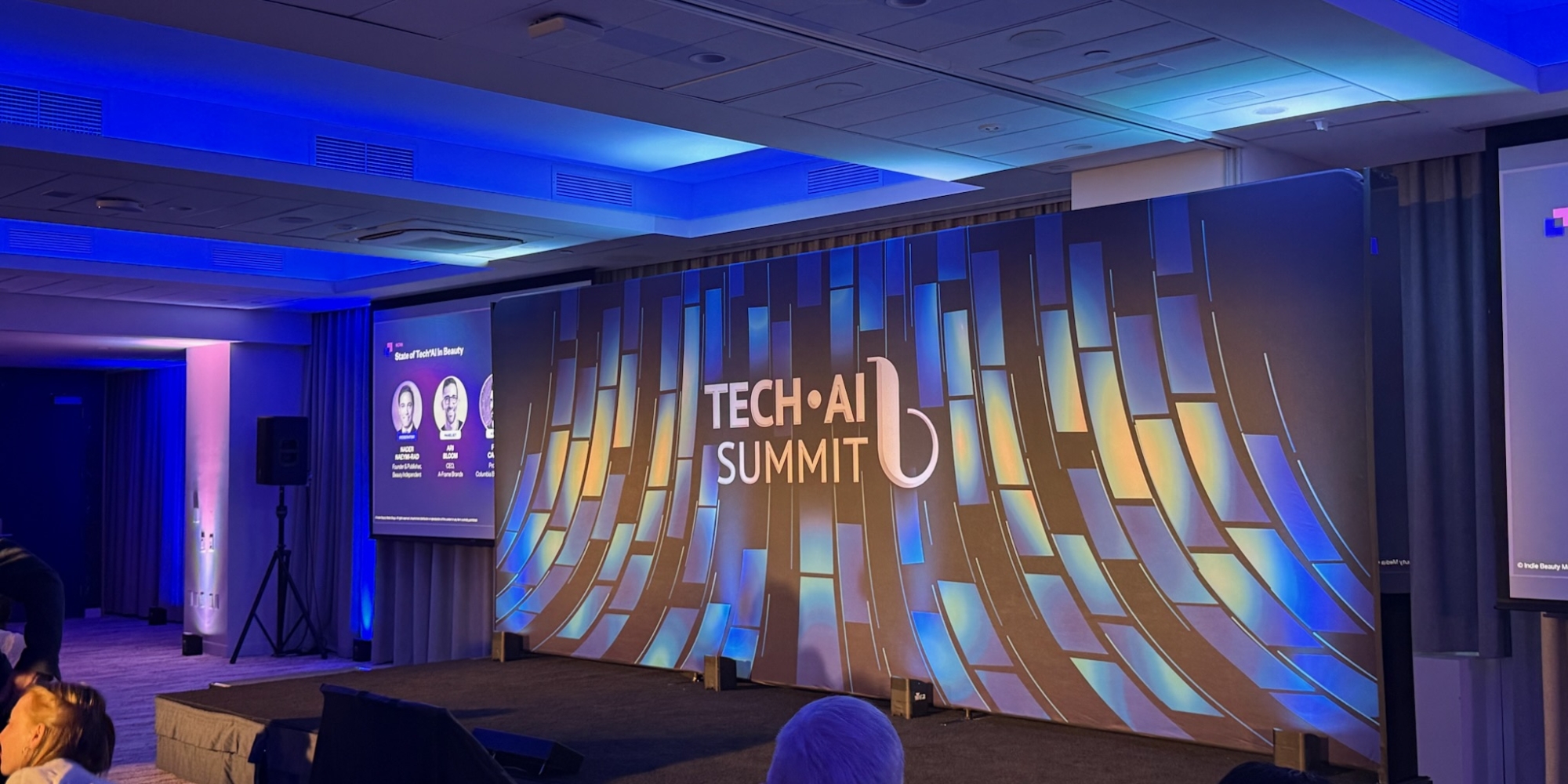
At Beauty Independent’s Tech*AI Summit in New York City last week, beauty business leaders and AI entrepreneurs discussed the impact of AI on everything from organizational structure and workflow to fundraising and investing. Throughout the one-day event, speakers underscored that brands that don’t operationalize AI across their businesses risk becoming this era’s has-beens.
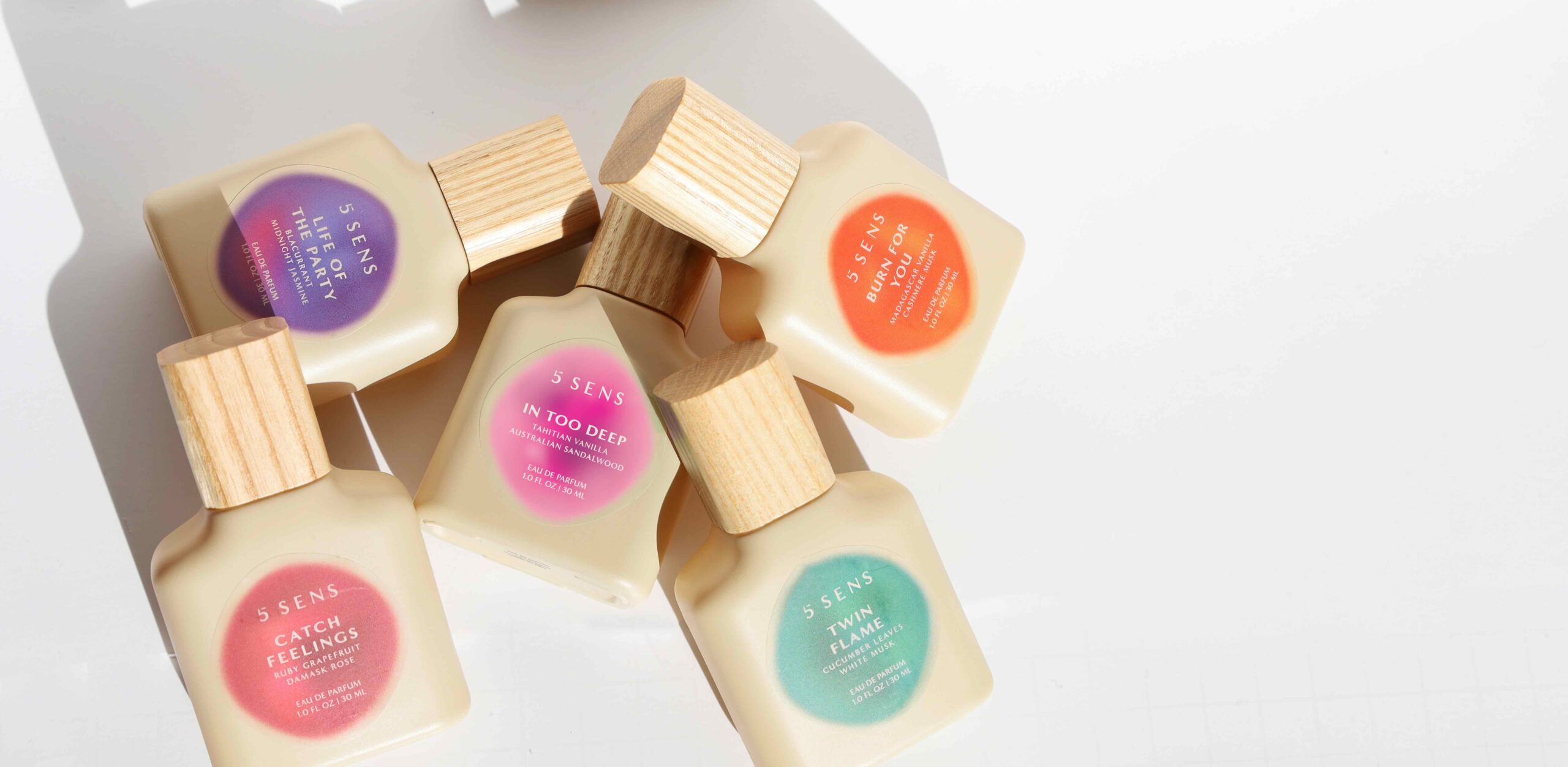
“All of us are just so productive now versus where we were even two years ago,” said serial entrepreneur Divya Gugnani, founder of 5 Sens, co-founder of Wander Beauty and founder of investment firm Concept To Co. “I’m developing, creating an agent here, doing research and sending it to my team, and doing it so often so quickly.”
Below, we gathered the top takeaways from Tech*AI Summit panels on AI’s transformation of sales, marketing and business development functions. Along with Gugnani, the panels featured insights from Lars Fredriksson, CEO of skincare brand Verso Skincare, Shay Bennaim, global brand president at Tata Harper, Jeff Lee, CEO of DIBS Beauty, James Jacobe, COO of Seen, and Dave Skaff, co-founder of skincare brand Geologie.
Personalization and Loyalty
AI is becoming a critical engine for accumulating shopper data, revealing needs and preferences that brands can leverage to guide product and marketing strategies. In a costly direct-to-consumer market, it can be the difference between profitability and falling behind.
After consultations with human skin therapists proved too costly and challenging to scale, Verso Skincare partnered with beauty AI provider Inference Beauty to create a personalized diagnostics tool for its website that helps shoppers understand the Verso products that work best for their skin types. The technology took about two weeks to implement, reduced costs and boosted loyalty, according to Fredriksson. Noting the brand’s customer return rate surpasses 60%, he said, “Our challenge now is, how do we recruit new customers?”
Creative Production
Gugnani pointed to AI video generators like Higgsfield and Flora as examples of how the technology is transforming the creative production process. “What we can do today with AI is mind-blowing,” she said. “It’s not just getting images from NanoBanana or ChatGPT. I’m talking about creating extraordinary, cinematic-quality video, work that would have cost hundreds of thousands of dollars to produce at a fraction of the price for a young brand.”
While developing 5 Sens, Gugnani used AI as a virtual assistant across brand-building and storytelling. She said, “AI was a part of that, from naming fragrances and analyzing data to identifying customer segments, deciding which fragrance families to invest in and supporting demand planning.”
Data Infrastructure
Panelists at Tech*AI repeatedly emphasized the importance of centralized data in a complex omnichannel landscape. Seen employs an enterprise resource planning system called Zoho One to compile data from wholesalers, Shopify and the customer relationship management software it uses to track its broad network of 9,000 professional accounts, providing a full view of the customer.
“Everything from a decision-making standpoint centers around data and making sure that you have optimal data in the right place at the right time to make decisions,” said Jacobe. “Too many organizations make decisions on emotions or gut feelings. Once you grab the data and justify the decision with it, it’s the right decision.”
Financial modeling is becoming increasingly foundational to beauty brand strategy from the outset. Geologie works with AI-driven financial planning company Drivepoint.
“Before we ever sold our first product, we had a full working financial model to project whether we thought this would be a good idea to even start,” said Skaff. “When I talk to many founders now, they often don’t have any financial model whatsoever.”

Leaner Teams
AI can enable brands to scale with smaller, more technical teams. Beauty brands are turning to it to diminish the heavy lift of broad teams, which Skaff believes has become table stakes. Relying on AI, he shared that Geologie decreased its customer service team from eight to three people before it was acquired by Megalabs last year. Tata Harper similarly reduced its customer service team to one, and Bennaim estimates that AI now manages between 80% and 85% of the brand’s inquiries.
At DIBS Beauty, Lee has taken an all-or-nothing approach when it comes to team members utilizing AI to improve their workflows. He said, “We will reduce our workforce if we have certain talent that cannot keep up with it…Either you advance in your respective roles, you learn to harness the tool, or you wake up one day and find that the tool can do what you’re doing better, faster.”
However, it’s not all about slashing the number of people. Brands that are serious about scaling in the age of AI are hiring CTOs and other technology leads to power their organizations. “Our CTO was a force multiplier for the whole team,” said Skaff. “Having someone in our organization who could go around and connect systems and teach people how to get more out of their platforms was key.”