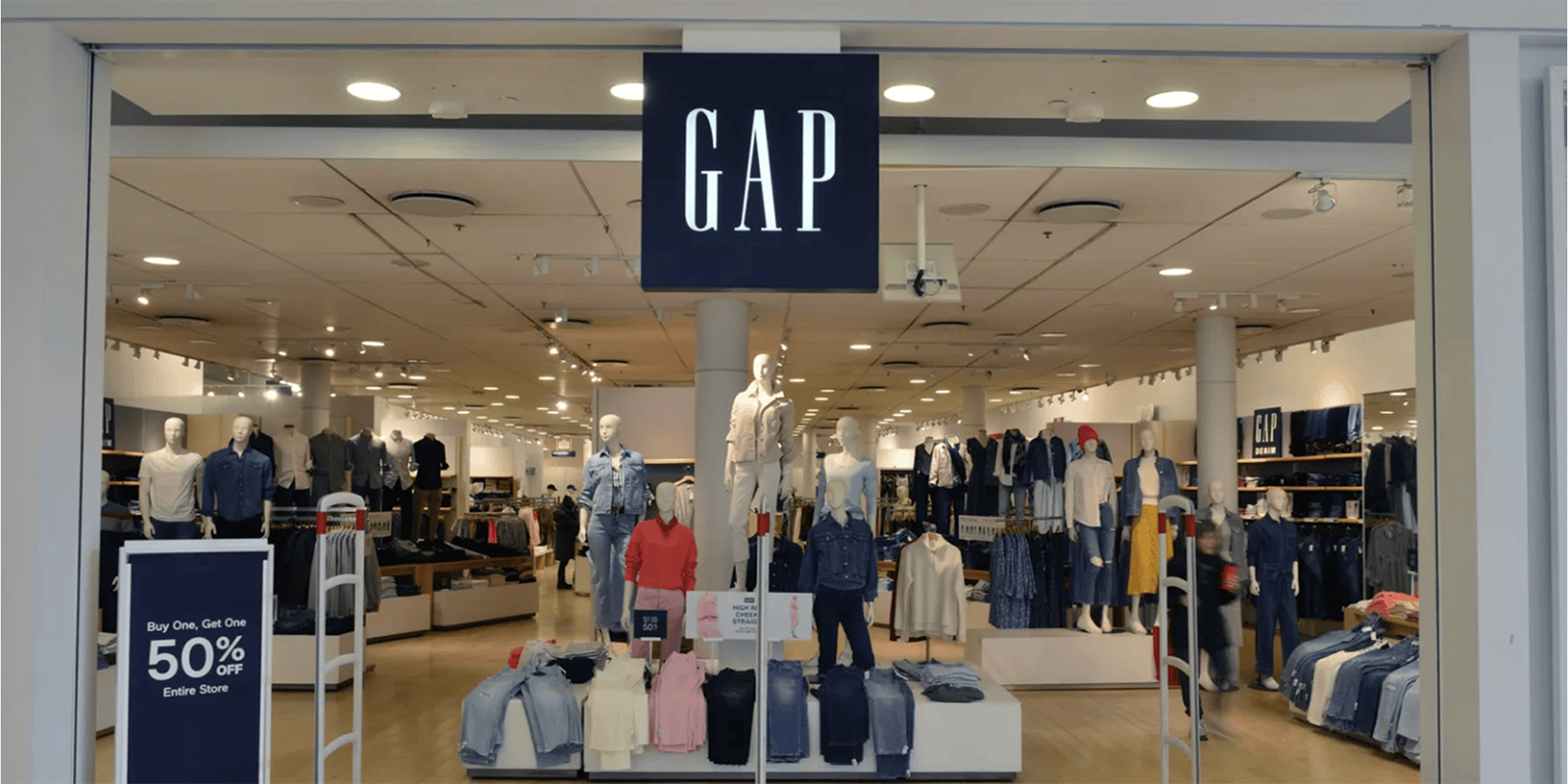

Gap is back (in beauty).
With comparable-store sales positive for six consecutive quarters, the company is feeling confident enough to expand its product purview by reentering beauty initially at Old Navy, its value-focused retailer nameplate, which will roll out a beauty assortment at approximately 150 stores this fall with branded products such as hair and body mist, body lotion and body wash largely priced under $25, according to The Wall Street Journal.
The branded products will be joined by skincare, makeup, haircare and nail products from third-party brands like Mario Badescu, TonyMoly and Mixik. About 45 Old Navy locations will also have beauty shops staffed with advisers. Old Navy, which operates over 1,200 locations across the country, isn’t totally devoid of beauty now and stocks a limited selection of beauty products in its checkout lanes.
Following Old Navy’s beauty dive, Gap is expected to resurrect fragrance next year before introducing additional branded beauty products to its stores. Gap launched a fragrance line in the mid-1990s that included four minimal, gender-neutral fragrances called Dream, Heaven, Grass and Om. The line subsequently extended to body mists, lotions, shower gels and perfumes before being discontinued. Gap relaunched its beauty line in 2006 through a licensing agreement with Inter Parfums.
The Business of Fashion has reported that John Demsey, previously executive group president at Estée Lauder, is consulting Gap on its return to beauty. Old Navy’s beauty assortment will be created by Maesa, the incubator behind Ashley Tinsdale’s Being Frenshe and Mindy McKnight’s Hairitage. It holds the license for Banana Republic’s fragrances. Gap is in discussions with agencies and distributors to relaunch the branded fragrance line. Give Back Beauty, a beauty fragrance licensing and incubation company, produced its scents until September last year.
Under the helm of CEO Richard Dickson since 2023, Gap has once again become cool as it picks up steam with millennial and gen Z shoppers through collaborations with apparel brands Doen and Cult Gaia and campaigns featuring Troye Sivan, Tyla and Katseye. After premiering on Aug. 19, the campaign with Katseye dancing to the song “Milkshake”garnered 400 million views and 8 billion impressions within three days.
Dickson, who previously served as CEO of Mattel, where he was largely credited for reviving the Barbie brand, has been instrumental in saving Gap from irrelevance. In February 2024, he hired red carpet fashion designer Zac Posen as the company’s EVP and creative director. Posen serves as Old Navy’s chief creative officer, too.
Curious to find out what beauty industry insiders think about Gap’s latest beauty play, for this edition of our ongoing series posing questions relevant to indie beauty, we decided to explore what the apparel retail company should do to capture contemporary beauty shoppers. We asked 11 beauty investors, consultants, analysts and executives the following: What will it take for Gap to succeed in beauty? What would be ideal Gap beauty products?
-
 Rich Gersten Co-Founder and Managing Partner, True Beauty Ventures
 For Gap to succeed in beauty, it will need to lean into its DNA of accessibility and everyday ease, build a clear brand identity in the category and focus on hero SKUs that can become franchises rather than a scattershot of me-too launches.
The initial Old Navy rollout feels questionable to me as most fashion retailers have struggled in beauty (e.g. Farfetch, Moda Operandi), and stocking third-party brands puts them in direct competition with beauty retailers and Amazon while likely being gross margin dilutive to their four-wall economics.
As for the planned Gap fragrance launch, fragrance is already one of the most competitive categories and is coming off several strong growth years. So, category momentum may slow by the time Gap arrives. It might make more sense to test and learn at Old Navy before rolling out a Gap-branded line.
At the end of the day, I would assume that beauty will never represent a large percentage of sales for either Gap or Old Navy and feels like they may be jumping in late to the category.
- Tina Bou-Saba Investor
Oh, this brings me back to the ‘90s! I spent countless hours at the mall in New Jersey and a non-insignificant amount of time misting myself with Dream and Heaven. Those Gap fragrances were so popular among my teenage friend group.
I actually like the idea of beauty at Old Navy. The stores are huge, and they carry a wide range of categories. Beauty is not a stretch. Of course, execution and positioning need to be solid. Old Navy is a family-friendly retailer with a clever brand voice and value pricing.
I can see fun, well-priced beauty products like lip glosses and body mists doing well. I imagine words like "fun," "joy" and "comfy" on the Old Navy beauty mood board, along with pics of cute K-Beauty brands.
I am less sanguine about beauty at Gap stores. It's not a terrible idea, but it feels like a bit of a stretch. While Gap apparel is priced relatively accessibly, its customers are not looking for value in the same way as they are at Old Navy. Gap beauty will be competing against every other brand available at Sephora and/or Ulta.
In the 1990s, Gap was an iconic brand and it carved out a unique niche for its fragrances; less expensive than the designer brands that ruled department stores during that decade, and more sophisticated than drugstore cologne sprays.
Today's fragrance market is vastly different, and consumers have seemingly infinite options across price points. It will be much more difficult for Gap to build sustainable fragrance franchises today. The branded competition is intense, to say the least.
I've closely watched Gap CEO Richard Dickson's moves since he took on the role in 2023. I think that he has done a terrific job leading the company. So, I keep an open mind as to what is possible here, but I am much more excited about the beauty opportunity at Old Navy than that at Gap.
- Neil Saunders Managing Director of Retail, GlobalData
Old Navy already sells a limited range of beauty and wellness products in some stores, usually in the serpentine queue line where shoppers pick them up on impulse. This isn’t a major source of revenue relative to apparel, but it does drive incremental sales. That suggests a more serious expansion at Old Navy and an introduction at Gap could be effective. After all, there is a natural synergy between fashion and beauty.
However, to generate meaningful returns, the space must be highly productive. That requires careful curation of brands and products to ensure relevance to consumers. There also needs to be some differentiation as beauty is an already crowded category with plenty of choice in where to shop.
Gap will need to decide how it executes this. Does it want to be a destination for discovery, for staples, for solving problems or for beauty fixes that gel with the fashion missions its consumers are on?
Through its fragrance lines, Abercrombie & Fitch has shown that fashion brands can succeed in beauty. Gap needs to replicate this with signature products that have some resonance with its overall brand. Given that the brand is midway through a reinvention it will be interesting to see how this is executed.
In terms of general positioning, I would say that ideal Gap products will be priced at mid-market levels with surprisingly good quality. There should also be some seasonality to the range to reflect the changes to the fashion lines.
- Tasha Blackman Founder and CEO, Blackman Digital
Going into beauty is the right move for Gap, and starting with fragrance makes the most sense. Just like Gap is known for core fashion essentials—the perfect pair of jeans, the classic white tee—their beauty line should feel like those same timeless staples. With Zac Posen now overseeing design and the brand tying music and culture back to product, it feels like a return to what originally made Gap iconic. I actually worked at Gap in high school, so I know firsthand how powerful it is when the brand gets those essentials right.
For Gap to succeed in beauty, the products need to embody accessibility and wearability, things you can use everyday that feel fresh, iconic and essential. Fragrance is a natural starting point since Gap already has a history in that category, but I could also see body care and multipurpose products that are simple, modern and effortless.
If Gap can create beauty products that are as dependable and recognizable as their fashion, while modernizing them with today’s values of inclusivity, sustainability and everyday relevance, they can carve out a strong and authentic place in beauty.
- Elana Drell Szyfer Beauty Executive, Mentor and Adjunct Professor, Fashion Institute Of Technology
Gap's Richard Dickson is no stranger to beauty as has been reported this week by the WSJ, Business of Fashion and FT.com. He worked at Bloomingdale's and was a co-founder of Gloss.com, which sold to The Estée Lauder Companies. In his two-year tenure, the Gap stock price has doubled, which shows he is operationally sound and in touch enough with culture to have made an impact on a set of brands with great equity that needed polish.
It is also rumored that he and Gap Inc. are working with John Demsey as an advisor, which, if true, bodes well. Full disclosure: John’s a former boss and mentor, and he understands the cultural zeitgeist like no one else in beauty or any other category.
Old Navy, which will be the first in the portfolio to launch beauty, is geared to a fashion-aware, price-conscious American audience, from kids to parents. A well-priced version of trending items and basics like jeans, T-shirts, sweats and outerwear is a big part of the assortment. As Old Navy already sells E.l.f. and a few other brands, it has an idea of what impulse items its customers are already looking for.
A successful Old Navy beauty line will follow the fashion ethos of Old Navy—trending, uncomplicated, easy to understand and affordable. The customer is already in the store: this will be an opportunity to deepen their shopping basket. For the consumer, if they find a scent, body mist, lip gloss, cheek stain or primer that they like, all the better for them. They don't need to then look elsewhere.
Gap is a slightly different story. The consumer is likely a bit older and may be more affluent. While the store generates revenue from basics like khakis, T-shirts and denim, Dickson and Zach Posen have introduced a new element of cool and brand elevation through their collaborations and Gap Studio, Posen's signature line.
Therefore, the line, which has been reported to launch first with fragrance, has the opportunity to be more sophisticated, slightly less price-conscious, iterative of current trends and more elevated and unique within the Gap positioning: quality American basics with a casual and cool style. The brand can use fragrance to express its "American minimal" aesthetic and then offer a well-curated assortment of key basics for body, hair and makeup.
Today's consumer has an overwhelming choice. Gap has the opportunity to offer a collection of cool basics across categories that represent "all you need," just like a great pair of jeans, a white T with a great fit and a cool khaki trench.
- Kelly St. John Founder and CEO, KSJ Collective
When I first saw the headline, my immediate thought was that Gap is really late in getting into the beauty game. That does not mean that they cannot be successful, but that the customer experience and the product differentiation is going to be critical. To succeed, they will need to create experiential discovery moments with strong merchandising.
From a category lens, it will be important to start with a curated edit covering everyday beauty solutions like fragrance and body care to build credibility before expanding. Gap has pivoted in strategy several times over the years and so laser focus and consistency will be important as beauty will not be successful if it is treated as a quick win.
From a product perspective, I think that leaning into their casual American style and approachable price points to deliver everyday essentials will be key. With the success of the Gap fragrances in the ’90s and the current fragrance bubble that doesn’t seem to be busting anytime soon, a modern fragrance offering feels appropriate. Along the same lines, there continues to be a growth in the body care category and, so, everyday lotions, washes and mists seem like the ideal product focus.
- Laura Meyer Founder and CEO, Envision Horizons
The reality is that beauty has become the new fashion for the younger generation. Think the Sephora gen alphas. Historically, beauty offers stronger margins than apparel and requires simpler inventory management and maintenance. Gap’s entry into the beauty category isn’t about becoming a true beauty destination, it’s about staying relevant and appealing to younger shoppers.
While I don’t believe Gap will ever be seen as a go-to beauty retailer, the move is a smart way to increase basket size among in-store customers and create a stronger draw for younger consumers. For them to succeed, they are going to have to have impulse purchase price beauty products and stock the shelves with what is relevant on TikTok.
- Rachel Roberts Mattox Brand Developer and Founding Member, The Board
Gap is uniquely positioned to succeed in beauty, and the time is now.
Their current CEO, Richard Dickson, has done a brilliant job breathing fresh oxygen into the legacy brand, revitalizing its essence without losing the plot. Not an easy thing to do, and he's doing it well. Gap feels relevant again, and it's culturally ripe for expansion into new categories. Beauty is a natural next step.
But to make it work, Gap can’t just dabble. Too many fashion retailers play it safe, testing third-party brands in a handful of doors without putting a lot of marketing effort behind it. From a risk management perspective, that may make sense. From a consumer perspective, it falls flat. Consumers who love Gap, used to love Gap or want to love Gap again are ready to see the brand take a big swing.
A few key moves could make this work:
1. Define a clear beauty POV. Gap has always been the essentials brand. Translating that into beauty means a curated collection of everyday, feel-good basics: body lotions, scrubs, clean mists, nail polishes, subtle color, SPFs. Nothing overly serious or complicated. Just like their basic white tees and denim, their beauty curation should be universal, joyful and easy to wear.
2. Lead with brand collaborations. Building on the momentum of their recent fashion collabs, Gap should seek out interesting, culturally aligned beauty brands to bring into their assortment. Not just trending brands, but rising stars or under-the-radar legacy brands that could be revitalized by the collaboration. The right collabs will build credibility and create cultural conversation.
3. Develop a private label. A signature Gap fragrance? Nail polishes that complement the seasonal palette? Yes! But the key is to keep it tightly edited and deeply brand-aligned. Private label shouldn’t cannibalize third-party brands.
4. Make it immersive. Beauty can’t just sit on a table near checkout. It needs to be experienced. Think in-store popups, a signature in-store fragrance and beauty products tied into larger fashion moments.
To succeed, this can’t be a SKU proliferation strategy. Gap Beauty should become a seamless extension of how Gap customers dress, express themselves and curate a complete look.
- Julie Garza Owner and Founder, Belleza Brands
This model has been explored before, but rarely executed successfully. Developing branded products while simultaneously launching established trend brands can be challenging as one often risks cannibalizing the other.
That said, it is noteworthy that their branded products are aligned with growth categories such as body and hair. A strategy that pairs these with established third-party brands in non-competing categories (color and skin) supported by strong social engagement and consumer stickiness, could be effective, provided the branded products are truly incremental to the overall assortment.
It will be important to understand what percentage of the business and floor space is being allocated to branded versus third-party products as well as the role third-party brands will play in marketing and driving traffic to Gap.
For this initiative to succeed, it will be essential to establish clearly differentiated categories between branded and third-party offerings, while creating a distinctive experiential environment that fosters both discovery and education.
- Justin Boettcher CEO and E-commerce Strategist, Synsthsa Consulting
If they are able to successfully capture their heritage in a beauty story, they have the physical locations and foot traffic to showcase it. I’d expect them to experiment with genderless beauty products targeted at everyday needs/concerns and leverage seasons to showcase innovations in color alongside their apparel.
Personally, I’m excited to see what a Gap fragrance smells like. I imagine a modern take on Ralph Lauren with hints of Glossier and the simplicity of Fresh.
-
As one of my mentors at Bloomingdale’s, Michael Gould, often said, “If a business is failing, it’s either stock or staff.” Everyone who ever worked for him just nodded in agreement.
That principle holds true for Gap entering beauty. Success will require consistency. Customers know Gap will never be out of its core denim. They have to also be able to count on core beauty products always being in stock. Customers won’t wait, they’ll move on.
A clearly defined core assortment and well-trained teams who can confidently speak to product benefits and features will ensure Gap belongs in the beauty space. I believe the timing is appropriate as beauty and its consumers look for new frontiers for expansion.
For Gap, I’d start with body and hair scents, a category that continues to grow, along with versatile all-over shimmers for face and body. For Banana Republic, fragrance for the aesthetic. I envision a collection built from essential oils with a bespoke, mix-and-match quality, expanding into body and home scents.
At Athleta, there’s an opportunity to define performance beauty with color cosmetics that protect the skin, are sweatproof and deliver that “just-worked-out” glow. Think dewy skin, a natural cheek and lip flush and hair and body products that refresh and reset, truly making a seamless move from workout to brunch or beyond.
If you have a question you'd like Beauty Independent to ask beauty investors, consultants, analysts and executives, send it to [email protected].


Leave a Reply
You must be logged in to post a comment.