
At Humble Growth, the private equity firm where principal Evan Mintz oversees investments, the “humble” in the name carries as much weight as the “growth.” He describes empathy and value-add as the firm’s two guiding pillars. “We don’t want you to think of us as your big brother,” says Mintz. “We want you to think of us as your partner.”
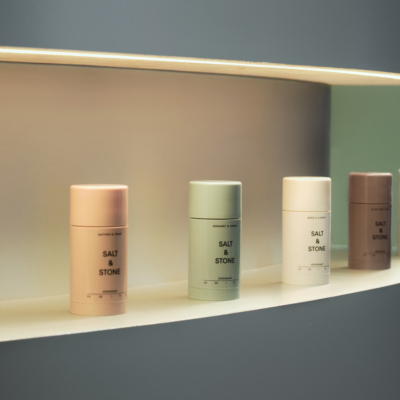
That approach paid off with Salt & Stone. Humble Growth invested in the brand in 2024 and, less than two years later, it sold to Advent International for an estimated $500 million based on comparable transactions, implying a roughly 3X multiple on $165 million in sales last year. Available at Sephora and Amazon, Salt & Stone generates roughly 40% of its sales from direct-to-consumer distribution. Deodorant accounts for around 40% of its business and sells every five seconds.
Humble Growth was founded by Andrew Abraham, the entrepreneur and cancer survivor behind nutrition brand Orgain, and longtime consumer brand lawyer Nick Giannuzzi. The two met in 2009 at Abraham’s three-foot booth for Orgain at Expo West. In 2022, Nestlé Health Science purchased a controlling stake in the brand in a deal reportedly valued at $2 billion. At Humble Growth, Abraham and Giannuzzi set out to build an investment firm that understood the founder mindset and challenges.
Humble Growth closed its inaugural $312 million fund in 2023. It typically targets founder-led businesses generating $30 million to $100 million in revenue that are at break-even or have a clear path to profitability. Check sizes usually range from $20 million to $50 million, primarily through minority stakes. It has made nine investments from its first fund and anticipates 10 to 12 investments per fund across food and beverage, beauty and personal care, wellness and pet.
Beauty Independent spoke with Mintz, former VP at VMG Partners, to learn more about Humble Growth’s experience with Salt & Stone, what it looks for in founders, where it’s investing now and how conventional wisdom is being upended in beauty.
What convinced you to pull the trigger on Salt & Stone two years ago?
There was compelling positioning in compelling categories: the intersection of body care and fragrance. DTC metrics were strong. The profitability and top-line momentum were strong.
We also do a tremendous amount of diligence on the founder. Nima [Jalali] stood out as a founder who was hungry, motivated, tough and relentless. For us, that’s a huge key to success. And there was a ton of opportunity. The brand had some Sephora experience internationally, but was just launching into Sephora U.S.
There were strategic exits we could point to that brought us comfort on an exit: Sol de Janeiro/L’Occitane, Byredo/Puig, Aesop/L’Oréal, Ouai/P&G. Then, there was the ability for Humble to add value: Can we build a team around Nima? Can we put in a formalized NPD process? Can we help with co-man and COG savings? Can we help catapult the brand on Amazon? And can we prep the business for exit?
What is the founder due diligence process like?
The typical reference checks, why the people who left the company left, personality tests. Then, there’s a human element. Andrew [Abraham], one of our founders at Humble, invited Nima and his whole family to spend a weekend together.
Of course, there’s a bit of a sales pitch. We have the opportunity to tell him why he should work with Humble, but we’re doing due diligence as well. Andrew knows what it’s like to build a business. He built Orgain to north of $1 billion in sales. There’s the science side, but there’s a huge art element, too.
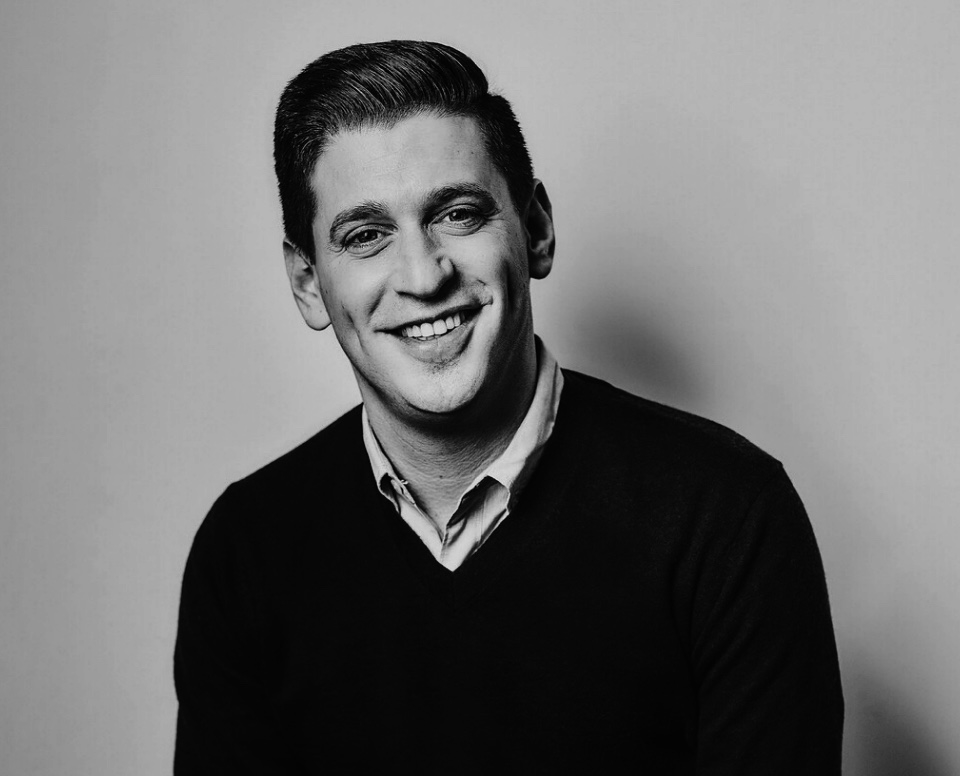
You called Jalali relentless. What’s an example of that?
Even once we hired a CMO, creative directors, a full marketing team and a president, he was in the weeds. He was opining on website creative. He was figuring out which brand collaborations to work on. A lot of people would’ve just said, “This is great. I can sit in my house, and I can let the business run.” His ability to still know what he was good at and continue to drive those things forward happened every day.
Do you prefer founders to stay in “founder mode” or shift to “manager mode”?
I would create a third category, which is the zone of genius mode. Nima spiked in marketing, creative, product development, design. He’s an incredibly cool human being, and that’s his zone of genius. That’s where he stayed in founder mode.
What did he delegate? He delegated processes, systems, operations, finance, sales strategy. The CMO always knew that she had to consult with him because he was part of the magic. Where brands get in trouble is where they lose that magic because they’ve become so institutionalized or processed.
So, you’re looking for founders in the zone of genius?
Yes, and oftentimes when we get involved, we see founders doing too many things that fall outside their zone of genius, and they are looking to us as their true partner. Humble’s ethos is we’re same side of the table people. In board meetings, we want to sit on your side with you. We don’t want you to present to us. That is why we have internal operating capabilities across finance, supply chain, marketing and talent, so when a founder needs to hand something off that falls outside their zone of genius, there is a real toolkit to lean on rather than just a check.
So, as a founder, one of the things to think about is: How do I move to that zone of genius? It’s a replica of what Andrew has done at Orgain. He is hugely instrumental in channel strategy, sales, Costco, Amazon and product innovation, but now he’s got full teams in finance, operations, marketing, etc.
Recent results of a survey by Kira Mackenzie show founder story and brand purpose rank the lowest in what gen Z is looking for. Products, ingredients, prices and expert connections rank higher. What are your thoughts on the role of the founder story?
The founder story has to be earned and not told. I think gen Z or every sequential demo has a higher and higher BS detector for narratives that feel constructed for marketing purposes. I was frustrated by X, Y, Z on shelf, so I started this. If you’re going to tell that story, it better be credible. A founder who has genuine expertise or a specific perspective on a category and a community that’ll choose the brand for what it stands for is important.
Salt & Stone’s distribution has Amazon, Sephora and DTC. How do you think those channels play together?
Salt & Stone proved conventional wisdom was wrong.
What’s the conventional wisdom?
A prestige brand can’t be on Amazon. I don’t think that’s true. Perhaps brands have mismanaged their Amazon presence with unauthorized sellers, inconsistent pricing, no brand store, but we were able to help Nima and the team run Amazon with the same intentionality of their DTC site and took them from double-digit numbers of Amazon bestseller rankings for the deodorant to the top one, two or three deodorant on Amazon. It requires A-plus content and hiring people that really know Amazon versus DTC.
Consumers don’t really shop channels anymore. I think that’s an old sort of thought process. We saw consumers shifting from Sephora to DTC to Amazon. Being where the consumer shops is what’s going to drive growth for your brand.
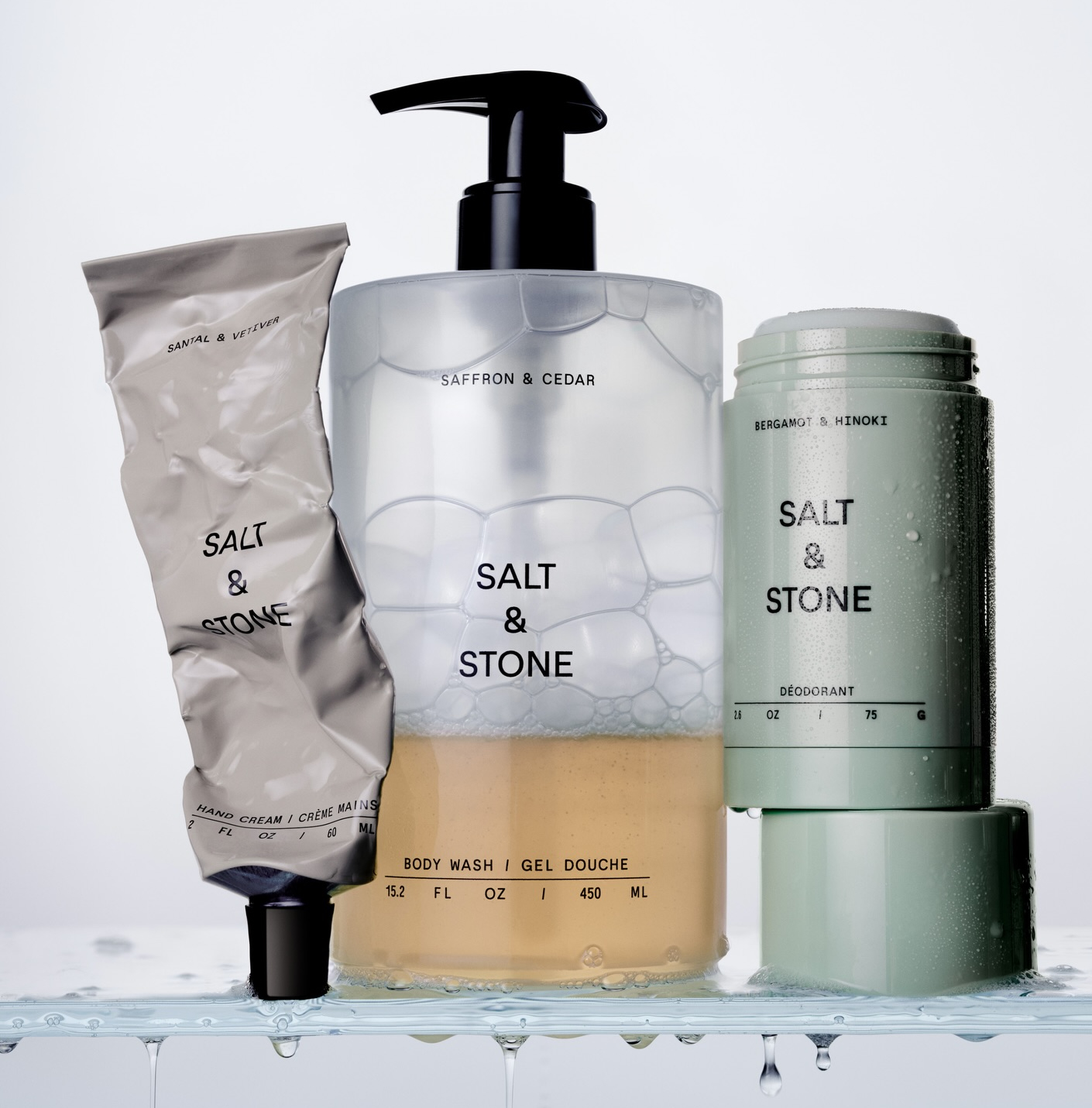
What was it about Salt & Stone that persuaded people to pay that much more for deodorant on Amazon?
We did a lot of work on this and actually an equal number of consumers for the brand were trading up and trading down. It hit that perfect sort of middle ground. Fifty percent of people were trading down from a Le Labo or Aesop, and 50% were trading up from a Native or Dove. That was really unique.
You wouldn’t necessarily think an Aesop customer is going to buy Salt & Stone on Amazon.
Being available—having a strong DTC, Amazon and Sephora—is first and foremost. Then, it’s about the story coming across and the product really working. The number of iterations the products went through to land on the right one was tremendous.
What areas are you looking at for investment now?
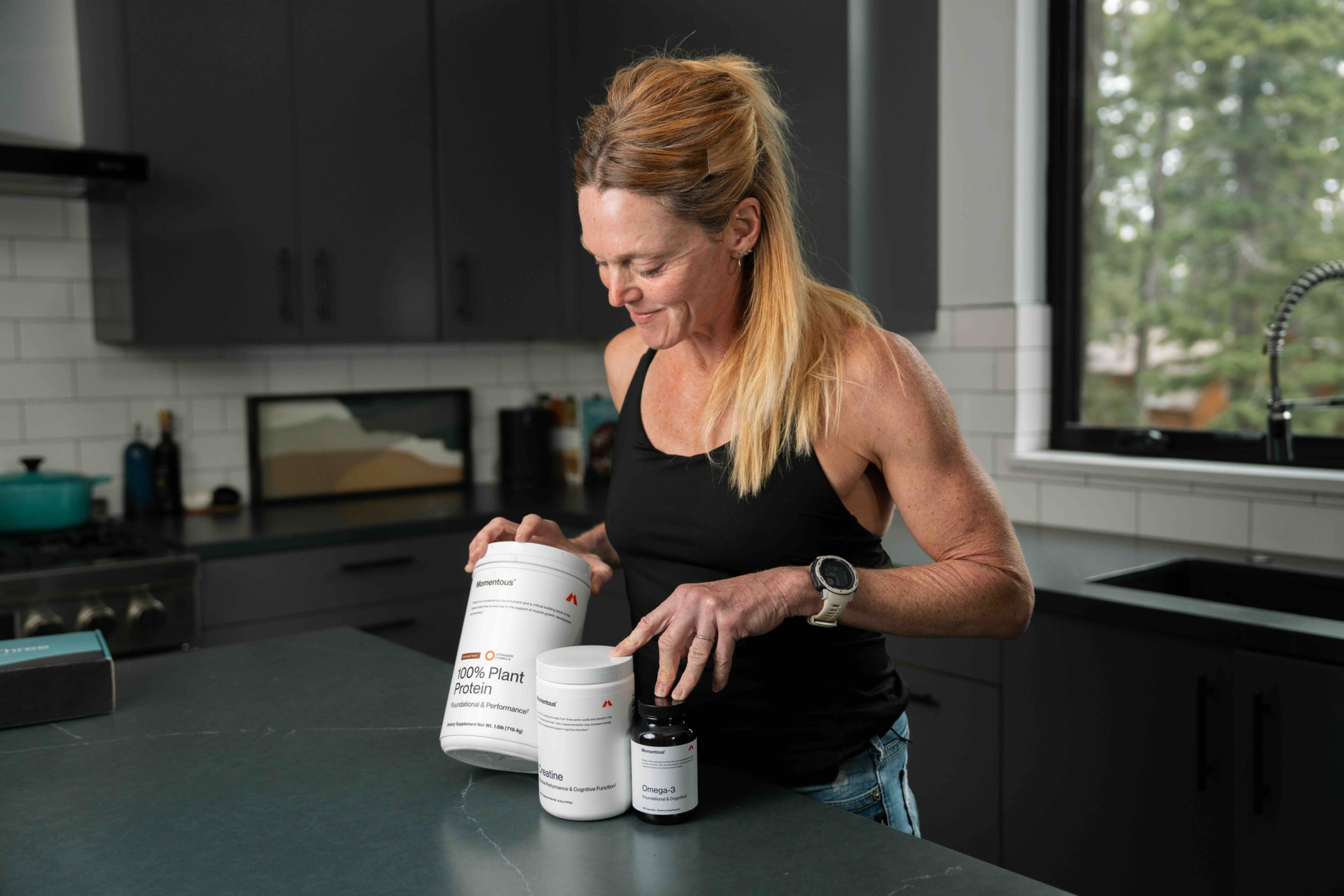
We take both the macro and micro view and marry the two together. We’re huge believers in health and wellness. We’ll continue to be active in things related to protein, fiber, nutrition. In January, we invested in a business called SimplyFuel that makes protein balls. Momentous [a human performance supplements brand in Humble Growth’s portfolio] just launched a fiber product that’s doing incredibly well.
On the beauty side, we’re aware of the backlog of color brands out there. We’re focused on finding something in haircare or skincare. These categories continue to look attractive from both an exit and consumer demand standpoint, both on the mass and prestige side.
We’re seeing brands like Grüns and Rhode scale quickly and exit for around $1 billion. What’s behind these exits?
I was talking with a strategic about this exact topic. Folks are getting more comfortable with these exits because they’re seeing success stories. Everybody was saying that Nutrafol wouldn’t work at Unilever, and it has. They said Olly wouldn’t work, and it has. The proof is still in the pudding for Grüns, but there’s more comfort assuming the underlying metrics are there.
Humble Growth is relatively new on the scene. Do you feel you have to pay a premium on things as you’re trying to bring in brands?
So far, the answer is no. We have not had to pay a valuation premium to get into these brands. Brands and founders that self-select into the Humble family see the differentiation. Salt & Stone on entry was a process with multiple other term sheets, and we weren’t the highest bidder, but ultimately the founder decided to go with us because he saw our ability to add value and change the trajectory. I can almost copy what I just said for Momentous.
Founders tend to value the operational involvement we have built and the channel and exit experience that comes with it. Of course, there will be founders that are maximizing for the highest valuation, and there are firms that will pay that. We’d rather bet on our experience and find the right founders that want to work with us.
What role do secondaries play in your investment strategy?
A lot of our investments have secondary. We initially operated under the SEC venture capital exemption, which caps the amount of secondary a fund can make, and we quickly realized we needed to register with the SEC as an investment adviser. That allows you to do as much secondary as you want.
There are terrific businesses like Salt & Stone and Momentous that don’t need primary capital. The way into those businesses, if we want to be an investor, is through secondary. Businesses with sound unit economics don’t need large amounts of primary. The way in was to recap out old shareholders.
For us, it’s a bit dependent on who the secondary is going to and how much that will or won’t change their lives. As long as there are folks that either are relevant to the business or aren’t currently driving value creation, those folks we can cash out. For the founder, we’ve given secondary before, and it hasn’t changed founder motivation.
You have an investment in whey protein manufacturer Actus Nutrition. We are seeing some brands and investors play up and down the supply chain.
You’re 100% right that we’re seeing brands vertically integrate. Going back to business school 101, the thing I think about is: Is this part of your competitive advantage? If you are a sales and marketing company, you should outsource your manufacturing. If you had unique operational or manufacturing chops, maybe a vertical integration strategy makes sense. It’s incumbent on the founders, companies and teams to look in the mirror and really ask themselves what they’re good at.
As you help build teams at brands, are there hires you would or wouldn’t make today that you would’ve done the reverse of a few years ago?
The marketing team would’ve been multiples of the size that it is. You are able to leverage AI and fractional capabilities without having full-time employees on payroll. A hire we like to educate all our portfolio companies on today is BI [business intelligence] and data analytics. It’s not just an art, it’s not just a viral ad. These are strategic decisions that can be made every day with the use of data, and we have that across the board at our portfolio companies.