
After building Topicals into one of beauty’s biggest skincare success stories, founder Olamide Olowe is learning that turning around an existing brand can be much harder than creating one from scratch.
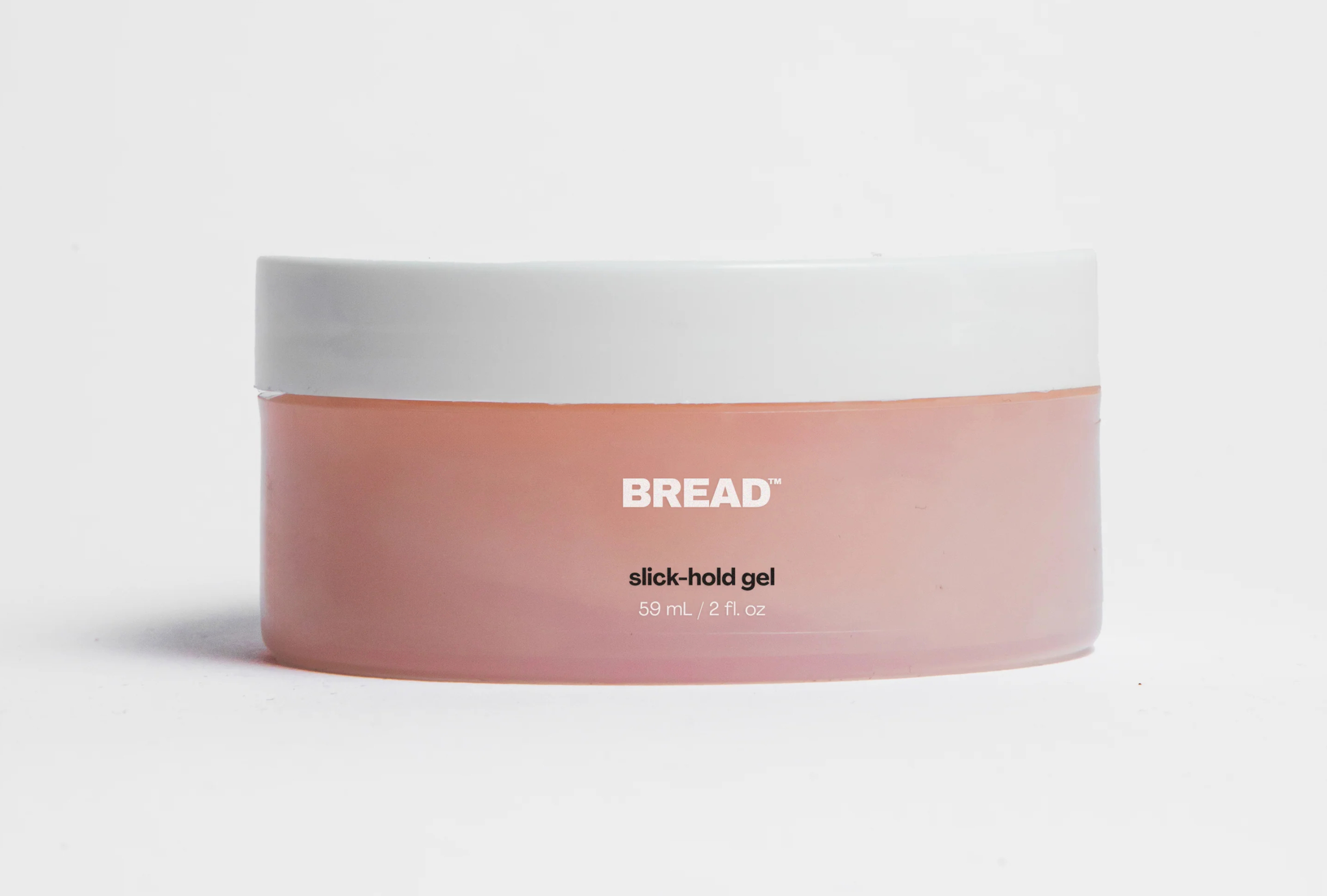
In a candid TikTok video posted on Friday, she acknowledges that Bread Beauty Supply’s latest launch, Slick-Hold Gel, has been a flop with “almost no sales” and asks consumers to help her understand why. Olowe acquired Bread through her holding company Cost Of Doing Business last year.
Founded in 2020 by former L’Oréal marketing manager Maeva Heim, Bread describes itself as making “high-quality, ingredient-driven haircare basics” for low-maintenance routines and is known for its minimalist aesthetic. Heim, who’s currently developing a new brand, departed Bread in late 2025.
“I have spent basically my life savings trying to revive this brand, trying to carry this brand and making sure that it stayed Black-owned and that it was successful in the midst of so many Black-owned brands closing,” says Olowe in the video. “And I’m not the type to talk very often. A lot of people know that, but I think this is a new chapter in my own evolution of coming and speaking directly to my community.”
The conversation ignited by Olowe quickly evolved beyond a failed product launch into a debate over whether the formula that made Topicals a hit could be effectively translated to Bread, a brand with an identity and history of its own. It also underscored the difficulties of standing out in a crowded beauty landscape and winning over textured-hair consumers, who are often reluctant to change routines they’ve spent years and significant money refining.
@olamideolowe I need your help rebuilding @BREAD BEAUTY 🥺
At the same time, the conversation highlights the power of beauty executives and entrepreneurs being honest social media, a strategy they’ve increasingly embraced in a noisy marketing landscape. By discussing Bread’s struggles on her personal account rather than through either brand’s channels, Olowe generated interest in the brand’s future and invited consumers into the process of determining its next steps.
In less than a day, Olowe’s video had drawn nearly 640,000 views, 97,000 likes and 4,275 comments. Many commenters were unfamiliar with Bread or unaware of the Slick-Hold Gel launch. Others questioned who the product is for and what distinguishes it from competitors’ edge-control products. They called for more demonstrations, tutorials, before-and-after images and educational content explaining its benefits and ingredients.
“How do you preserve the founding vision while simultaneously positioning a brand for growth?”
One commenter, Mafusi, who identifies as a brand strategist, argued that Bread’s challenge may be deeper than marketing execution. Referring to Topicals, the commenter wrote, “You identified a gap in the market (a good serum that fades dark spots on all skin types) and provided a brilliant solution. The issue with Bread is that it feels like you’re trying to retrofit an established brand on the Topicals audience, which doesn’t really translate… Figure out what Bread’s audience wants and what gaps in the haircare space you can exploit. There’s like 5 million edge controls, all claiming to do the same thing.”
Milan Scott, content creator, research and development chemist and founder of Keseana Labs, suggests Olowe may have underappreciated the differences between skincare and haircare. “While both categories are deeply personal, consumers with type 4 hair tend to be extremely intentional and particularly skeptical when trying new products,” she says. “Many of us have spent years and lots of money experimenting with products that promise to deliver results and don’t. So, when we find something that works, we’re very loyal to it for a long time. For a new product to break into that routine, we need proof before purchase.”
She adds, “I actually think her decision to publicly ask her community why the launch underperformed was incredibly smart. Quite frankly I’m exhausted with founders trying to control the narrative when a product doesn’t meet expectations. Consumer brands should be built on listening and asking directly. To me, this TikTok showed that she’s gathering insight from the very people she’s trying to serve.”
Olowe is continuing to gather feedback. On Saturday, she posted a follow-up TikTok that promptly garnered more than 12,600 views, 1,200 likes and 120 comments. In it, she responded to a comment from marketing professional Blessing Nwodo, who wrote, “The reality is that the consumer avatar for Topicals versus Bread is totally different. Topicals is high-energy, Gen-Z clinical skin solutions. Bread is minimalist, luxury self-care for the ‘lazy hair’ routine.”
In response, Olowe acknowledged that she intentionally tried to set Bread apart from Topicals after acquiring the brand, but wondered if that approach may have gone too far. “I did not want Bread and Topicals to be the same person. I actually wanted to build different worlds for each brand, and I almost feel like that’s where I made a mistake,” she says. “When I relaunched the brand last year, I got a lot of backlash from people saying they didn’t like that Bread was no longer going to be what it was. I struggled a lot with that because I wanted to make the customer happy. I thought, OK, I didn’t do the right thing by trying to bring more of my own vision for the brand to the marketing and storytelling.”
Olowe ultimately distilled the discussion into a question she posed to followers: “How do you preserve the founding vision while simultaneously positioning a brand for growth?”


Leave a Reply
You must be logged in to post a comment.