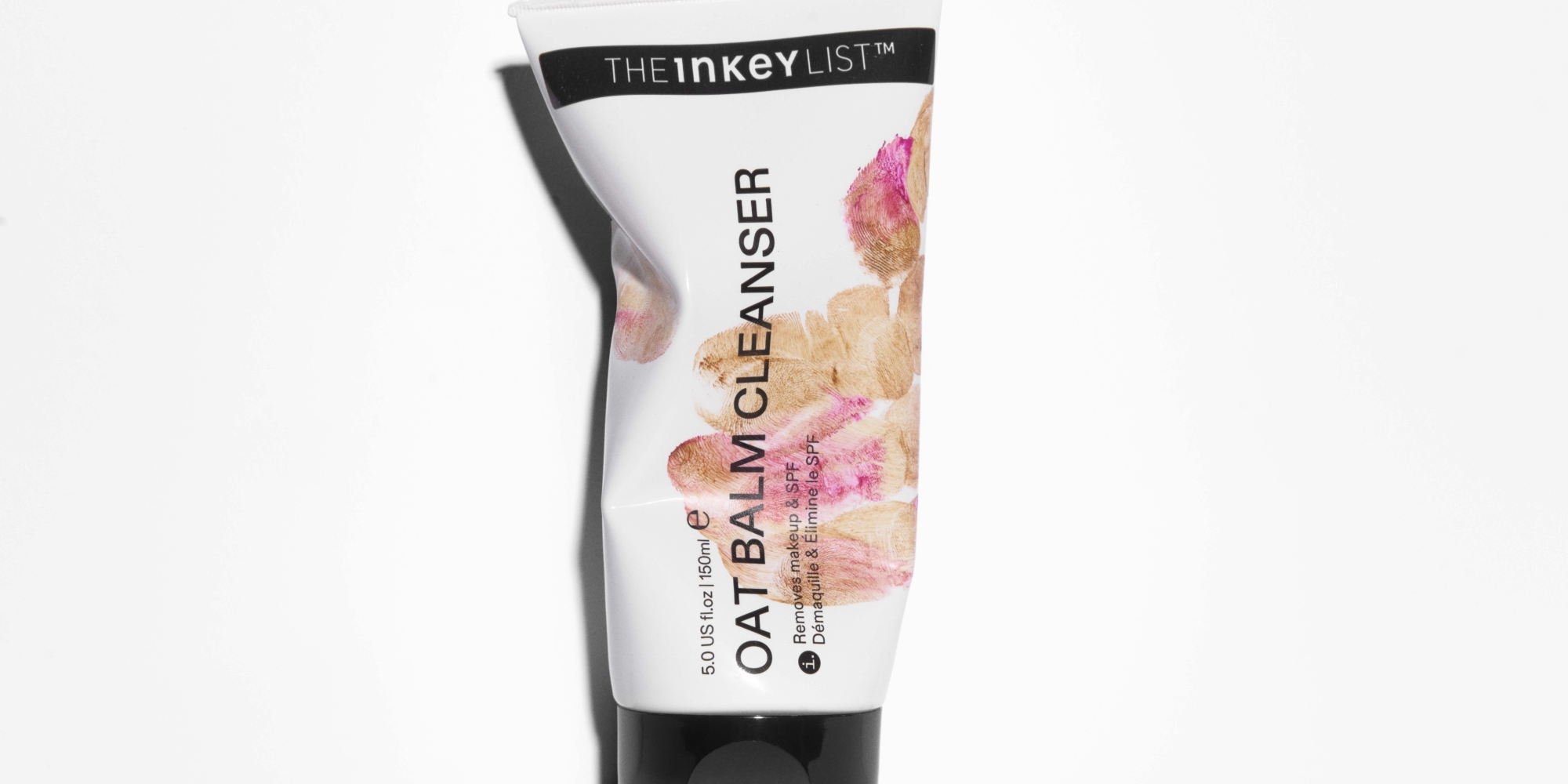

On Wednesday, Colette Laxton willingly endured what must be a beauty entrepreneur’s nightmare. On The Inkey List’s Instagram account, she read a litany of complaints about Oat Cleansing Balm, a product that’s been both a huge success and a perennial headache. “It was pure oil and it left a horrible residue on my face,” went one review. “My latest one has bits in it that don’t dissolve,” went another.
Just a few hours later, the post had garnered over 24,000 views, and dozens of commenters piled on. Many, however, also lauded Laxton for fessing up to the Oat Cleansing Balm’s shortcomings and trying to fix them. “This is amazing…I’m so glad you’re addressing this,” a commenter gushed. A different commenter asked, “Omg is it really being fixed??”
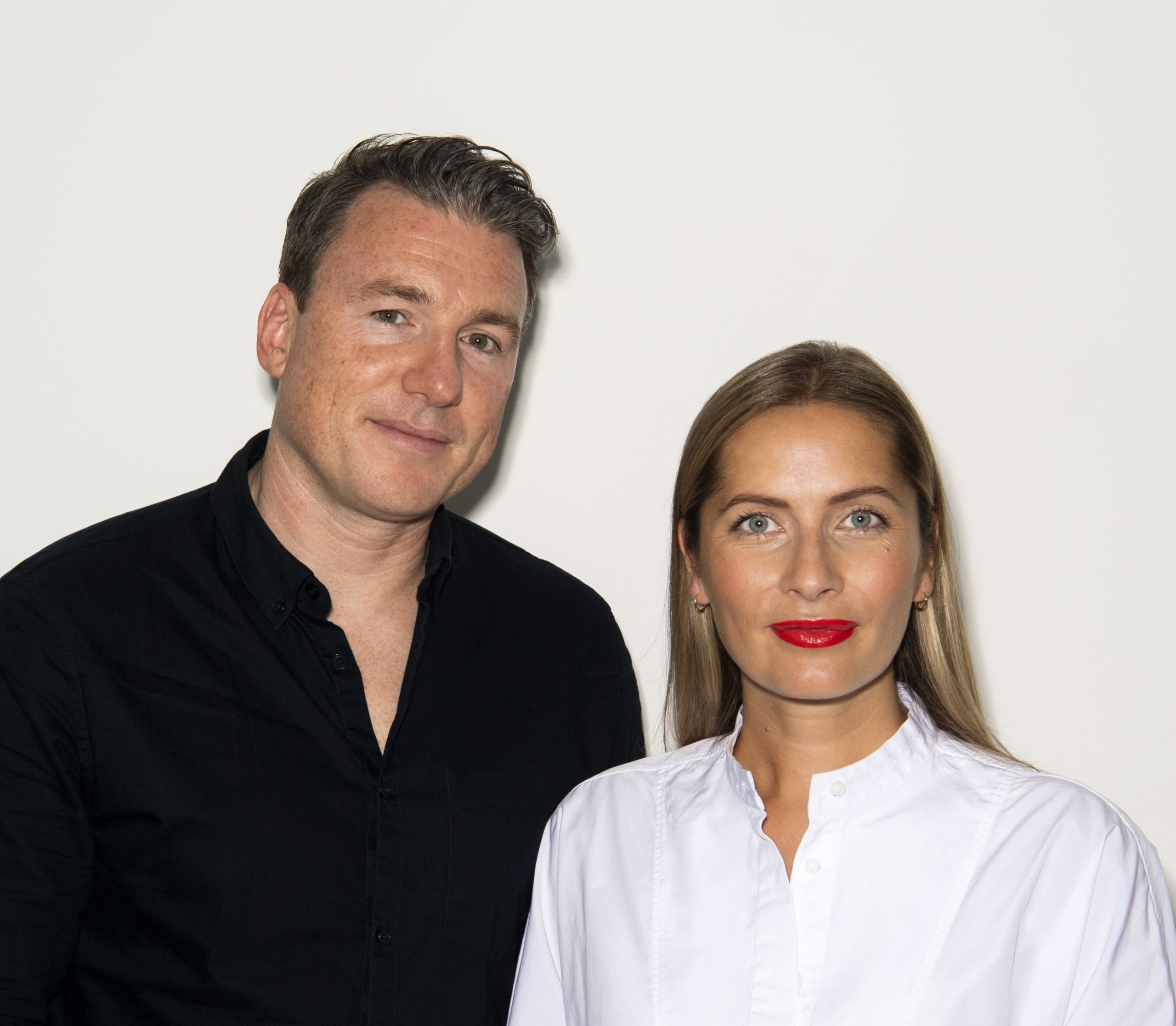
To all the haters—and the countless customers who had a love-hate relationship with it—yes, The Inkey List believes it has finally fixed its cult-favorite Oat Cleansing Balm. Laxton, the brand’s co-founder and CMO, and Mark Curry, its co-founder and CEO, spent the last four years tweaking the formula and ran through 129 iterations in the process. Now, they’re relaunching the product as Oat Balm Cleanser in hopes of turning it into an even greater growth engine for the brand.
“Relaunching is way less sexy, isn’t it, than launching this new and creative cleanser ingredient,” says Laxton. “But for us it was, how do we make this after six years in market fit for purpose and listening to consumer feedback and understanding how do we continue to make that product better as a brand that’s here for the long term?”
The relaunch, which industry sources estimate could generate $15 million in first-year sales, is unusual for The Inkey List, a brand known for speed to market and affordable products powered by some of beauty’s trendiest ingredients like exosomes, mandelic acid, ceramides and peptides. The Inkey List has only undertaken a similar overhaul once before, with its retinol products, which it reformulated for faster, gentler results and reissued earlier this year as Starter Retinol Serum and Advanced Retinal Serum.
Eight years in, the relaunch reflects a more mature The Inkey List that’s pulling back from constant newness to three to four major product releases annually, with two more launches planned for this year. Having built an assortment of around 58 products covering most skincare concerns, it’s increasingly concentrating on boosting its core franchises, supporting retail productivity and improving profitability. The strategy mirrors a broader shift across beauty as brands lean harder into efficient growth through hero products.
Curry tells Beauty Independent that Aria Growth Partners-backed The Inkey List has dedicated the last 18 months to strengthening its bottom line. In 2024, the most recent year for which the British brand has publicly disclosed financial results in the United Kingdom, the company posted a loss of 2.1 million pounds or about $2.8 million at the current exchange rate. Despite the emphasis on profitability, growth remains on the agenda, and a projection published in Women’s Wear Daily last year forecast The Inkey List could reach $200 million in 2026 sales.
“We’re being a bit more intentional,” says Curry. “Having so many distribution points now and being that bigger business, when we launch something, it has to kind of work.”
The focus on Oat Balm Cleanser is rooted in the product’s central role in the business. The List sells one Oat Cleansing Balm every 30 seconds, and the product has ranked as the No. 1 cleansing balm stockkeeping unit at retailers including Sephora and Boots. Yet its ratings hovered around 3.9 stars, below The Inkey List’s typical 4.3- to 4.4-star average, as complaints about oil separation, graininess, residue and difficulty squeezing the product from its tube persisted.
Resolving those issues wasn’t straightforward. An early reformulation effort ultimately failed during scale-up testing, sending the brand back to the drawing board. The Inkey List also considered moving the cleanser into a jar to address dispensing complaints, but consumer feedback reinforced that shoppers strongly preferred the tube format for convenience and hygiene reasons.
“This is one of our core cult SKUs and getting it right is very, very important.”
The cleanser renovations weren’t minor. From an ingredient standpoint, it raised the percentage of oat kernel oil in the formula from 3% to 5%, refined its emulsifiers to eliminate post-rinse residue and added a trio of natural waxes and sea buckthorn oil. While Curry estimates only about a third of beauty consumers regularly use cleansing balms, The Inkey List is confident the reformulation can augment the category’s appeal by addressing common complaints and positioning the product as suitable for sensitive and acne-prone skin as well as people with eczema and rosacea.
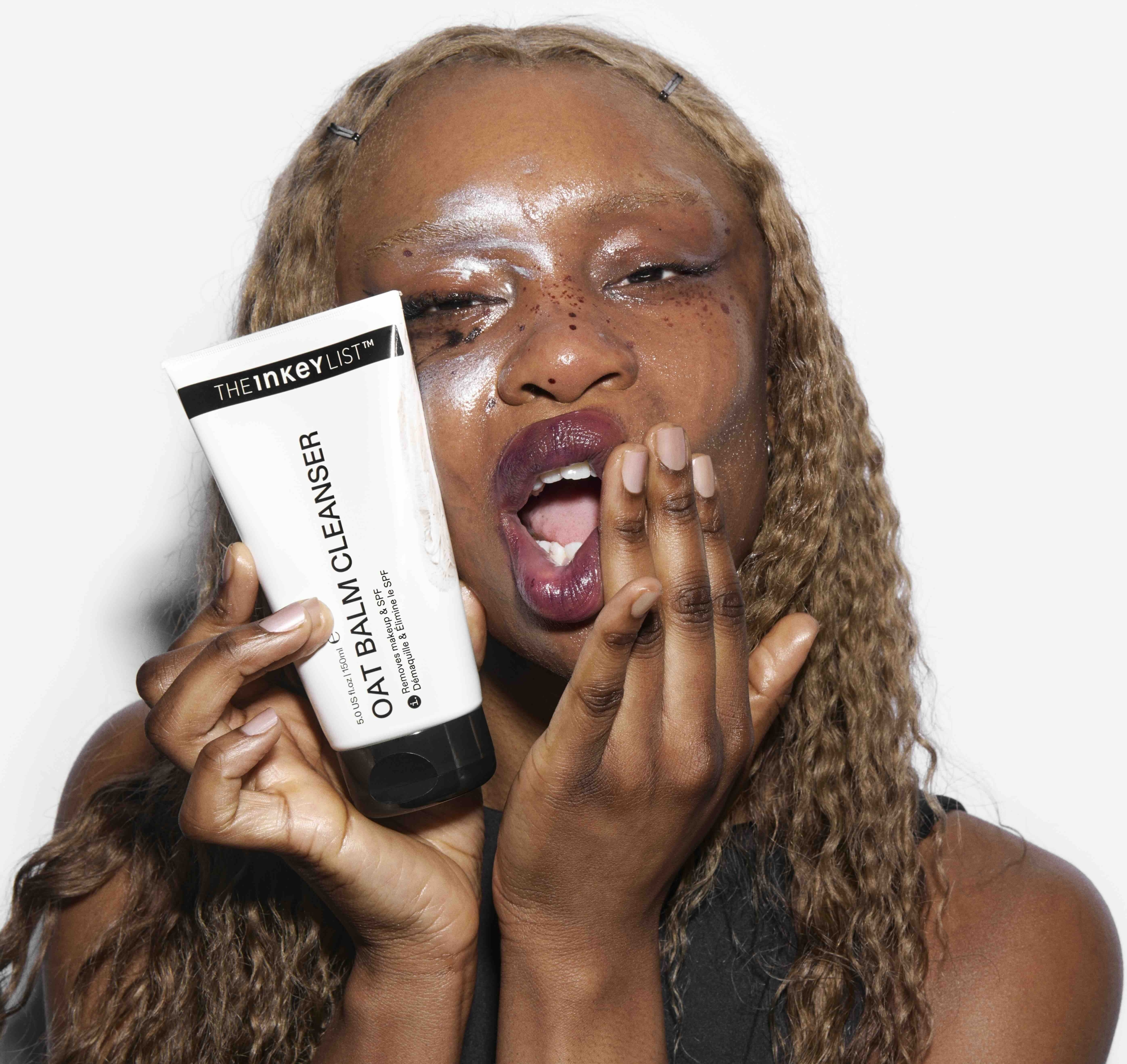
To substantiate the changes, the brand conducted a series of consumer and clinical studies involving 23 to 29 participants. According to the results, the cleanser removed 100% of waterproof makeup, sunscreen and daily buildup in 30 seconds. Three-quarters of participants said they would switch to it from their current cleansing balm. The Inkey List reports clinical testing showed it hydrated skin for up to 12 hours and reduced redness after four weeks.
Those claims were prioritized in part because of retailer feedback. Laxton says Sephora has consistently identified removing makeup, including waterproof makeup, and sunscreen as nonnegotiable requirements for cleanser shoppers.
The product’s name has been updated from Oat Cleansing Balm to Oat Balm Cleanser, a move intended to enhance search visibility and better communicate the product’s cleansing function. The price of the 150-ml. size has gone from $13 to $17 due to the cost of upgraded ingredients. The Inkey List maintains that the cleanser remains among the category’s best values, delivering about 100 uses per tube.
“This is one of our core cult SKUs and getting it right is very, very important,” says Laxton. “So, this wasn’t just a ‘make it sound a bit better.’ We’ve all been in beauty for a long time and people tweak something and say, ‘Hey, new and improved.’ That wasn’t the mentality here.”
Although Oat Balm Cleanser soft-launched in the U.K. in April, its official global debut is Sunday, arriving on Ulta Beauty’s website, in Ulta stores and on Amazon. It will launch on Sephora’s site June 30 and in Sephora stores and Kohl’s Sephora shop-in-shops July 3. In the U.K., the product is carried by Sephora, Boots, Selfridges, Space NK, Asos, H Beauty, John Lewis and THG retailers.
Along with the cleanser relaunch, The Inkey List is embarking on a campaign entitled “Zero Drama. For Every Skin.” Laxton says Oat Balm Cleanser will serve as the centerpiece of the brand’s marketing efforts for the rest of 2026. The campaign is designed to run seasonally, and during the back-to-school season, The Inkey List plans to make a push with sororities to highlight the cleanser’s makeup-removing capabilities and suitability for blemish-prone skin. The brand’s core customers are millennials, but it views the cleanser as a potential draw for younger consumers.
For all the criticism the cleanser has received, openly discussing its flaws has become one of The Inkey List’s biggest recent drivers of engagement, suggesting consumers appreciate the transparency around the reformulation. So far, that reformulation has been given a warm welcome. The upgraded cleanser was distributed to The Inkey List’s community in the U.K. seven weeks ago, and Laxton says its rating has climbed to 4.7 stars.
“What we wanted to do is find a different mission for this balm to go on and attract new customers because we know we can get everyone back who loved it before,” says Curry. “It’s a significantly more luxurious formula, it’s significantly more effective. It actually doesn’t leave that balmy feeling afterwards anymore.”




Leave a Reply
You must be logged in to post a comment.