Inside A 40-Year Contract Manufacturing Playbook And How The Next Generation Is Rewriting It

As private equity activity in beauty picks back up and large players continue acquiring brands and capabilities, contract manufacturing is consolidating just as product cycles are compressing. Beauty brands are rethinking what they need from a lab partner.
The role of contract manufacturers is changing quickly. Speed, flexibility and collaboration now matter just as much as technical expertise. That shift is playing out at Advanced Cosmetic Research Laboratories (ACRL), a privately owned manufacturer that has grown over four decades from a small operation into a 55-person company producing skincare, haircare and personal care products for emerging and prestige brands.
What makes the company unusual in a manufacturing landscape increasingly dominated by consolidators is both its structure and leadership. It remains family-run and women-led. The business was founded in 1983 by Kitty Hunter, who unexpectedly found herself running a small cosmetic lab while still in law school. What began as a 10-person operation in a roughly 1,000-square-foot facility has since grown into a 55,000-square-foot manufacturing operation.
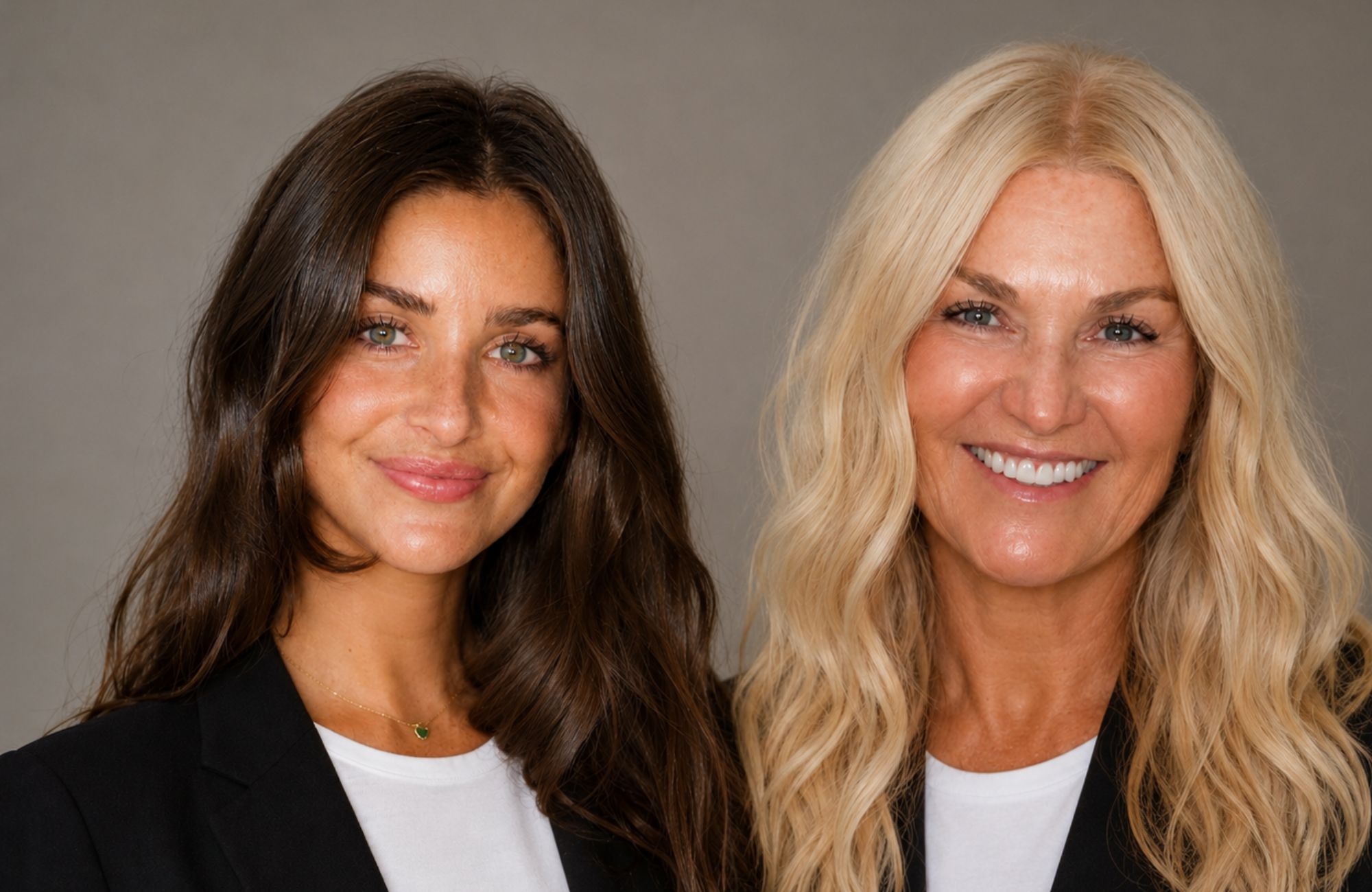
A major turning point came decades later when Hunter’s daughter, Breslin Juan, officially joined the business six years ago. The addition of a second generation brought new energy into the company and a different way of operating. She brought a new perspective on how contract manufacturers need to evolve to support today’s beauty founders.
“From the day she started, there was a shift,” says Hunter. “I finally had a partner I could rely on.”
Communication was one of the first areas Juan, VP of product development and operations, focused on. While responses were happening internally, they weren’t always happening at the speed founders expect. Juan pushed to reform that, introducing more proactive updates, faster response times and regular touchpoints between clients and project managers. Today’s founders expect visibility into timelines, development progress and production without having to chase for updates, and manufacturers are expected to match that pace.
“In this industry, you constantly hear founders say, ‘Our manufacturer never responds,’” says Juan. “That always bothered me.”
Another shift in the manufacturing industry is the speed at which brands are calling for products to go from concept to shelf. For manufacturers, that has made development timelines and operational flexibility far more important than they were even a few years ago.
At ACRL, initial formulation development typically takes two to four weeks for the first sample, with production timelines for new launches averaging eight to 10 weeks depending on complexity and materials. That urgency reflects broader changes across the beauty landscape. Social media can create overnight desire for a specific ingredient, texture or product category. Brands want to react in real time rather than endure traditional yearlong development cycles.
“Everything today is faster,” says Juan. “Brand founders, especially younger ones, expect the same speed from partners that they experience everywhere else in their lives.”
At the same time, consolidation is reshaping the contract manufacturing sector, with private equity rolling up brands and capabilities. Still, founders face a wide range of options from global production giants to smaller independent partners. Large manufacturers often prioritize high-volume production runs, which can leave emerging brands competing for production slots and facing longer lead times.
Smaller labs, by contrast, can offer more flexibility, closer communication and a more collaborative approach, factors that can make a meaningful difference in the early stages of brand building. “Your manufacturer should be an extension of your team,” Juan says. “It’s not just a supplier relationship. It’s a partnership that impacts everything from timelines to product quality.”
While beauty brands are frequently founded and run by women, the manufacturing side of the industry remains heavily male-dominated, and ACRL believes its female leadership creates an unexpected advantage. Much of the company’s product development team is female, and many members are active skincare consumers themselves, tracking trends on social media, testing products and visiting retailers like Sephora to see what’s resonating.
That perspective shows up clearly in how the team approaches formulation. When founders come in looking for something highly specific like a treatment moisturizer that feels lightweight, breathable and layers well under makeup, team members aren’t just thinking about how to make it; they’re thinking about how it will actually feel to use. Because many of ACRL’s developers fall into the same demographic as the founders and consumers they’re building for, they’re often able to dial in sensorial details like texture, absorption and finish more quickly.
Juan says, “When brands explain what they’re trying to create, we understand the context immediately because we’re the customer, too.”
That perspective helps bridge the gap between brand founders and manufacturing teams and has been especially valuable for younger founder-led brands that place a premium on aesthetics, user experience and brand storytelling alongside formulation performance. It also influences where the ACRL concentrates its innovation work.
Much of the current demand is for high-performance formulas with modern textures: gel-creams, serum-like moisturizers and hybrid products that deliver results but feel lightweight and elegant on the skin. Treatment-driven haircare is another area of growing interest.
The contract manufacturing landscape will likely continue evolving as consolidation accelerates, ingredient innovation cycles shorten and brand founders push for faster timelines and greater transparency from suppliers. For independent manufacturers, the opportunity lies in becoming true collaborators, partners that help brands move quickly, innovate effectively and scale when demand spikes. For beauty founders navigating their first manufacturing relationship, the takeaway is simple: Choosing the right partner can shape everything that comes next.