In a beauty funding environment where capital for pre-revenue companies is rare, Halo is an exception, raising a $7 million seed round led by Alexis Ohanian’s venture capital firm 776 as it aims to become the Dyson for textured hair.
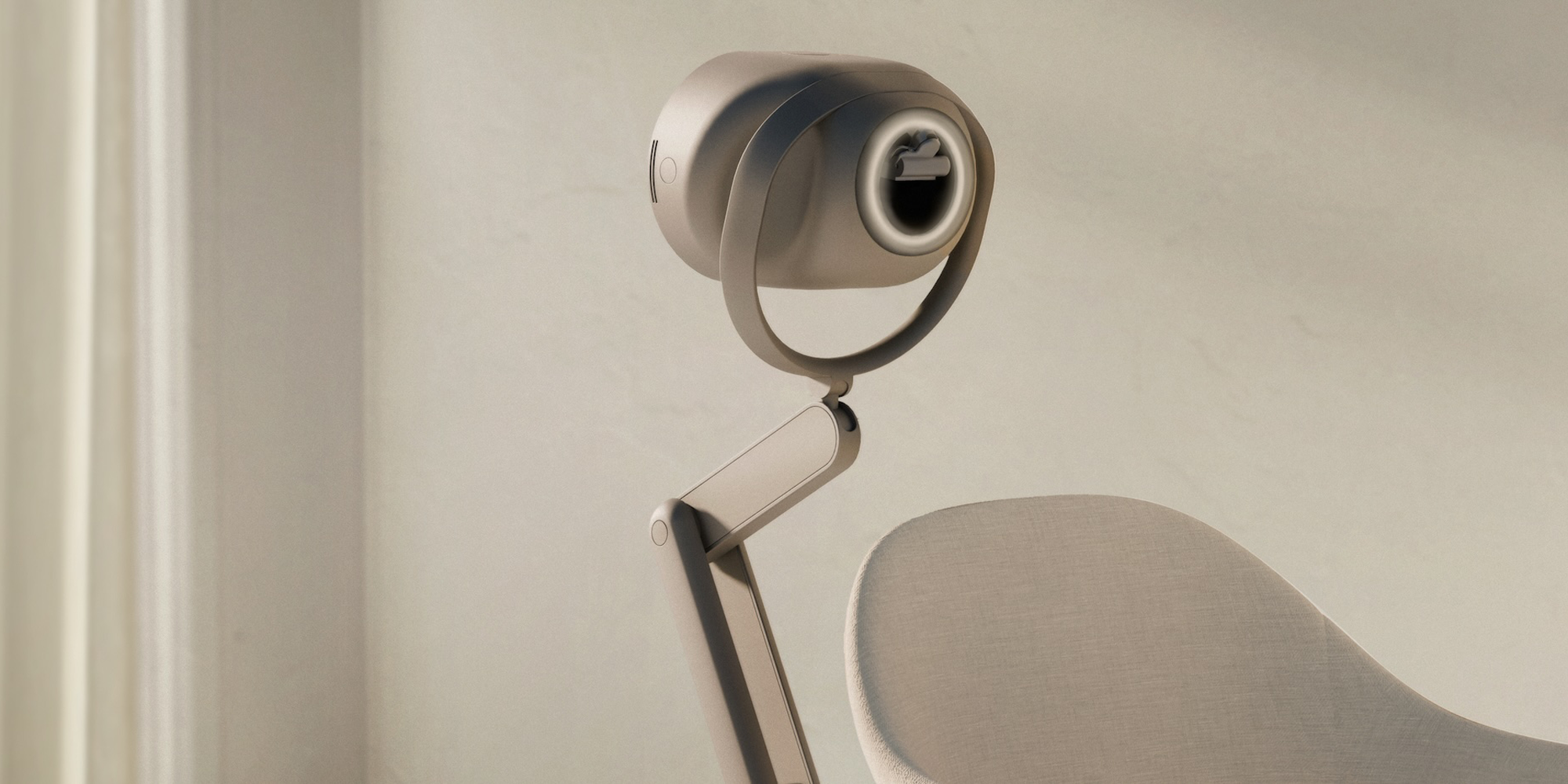
The round, which includes participation from Bling Capital and AlleyCorp, will fund team expansion, research and development, and the launch of HaloBraid, an automated hair braiding tool slated to enter salons this fall. The company recently hired Robert Tweedie, a former Dyson design manager who helped develop the Airwrap, to join its engineering efforts.
Ohanian immediately saw the value of HaloBraid because he’s sat through marathon braiding sessions involving his wife, Serena Williams, and daughter Alexis that can last upward of 10 hours. HaloBraid asserts it can reduce braiding time from six hours to minutes.
“Halo had a clear vision for how to build this technology, and there was clearly a massive gap in the market, so it was a combination of founder, product, market fit,” he says. “Especially at a time when it was obvious that robotics was also going to keep getting much better, much faster thanks to AI. It’s shocking someone hasn’t built this business yet, but Halo will.”
Halo co-founder Yinka Ogunbiyi came up with the idea for HaloBraid in 2020 when she attempted to braid her own hair for the first time. The process took four days and, by the second day, she reflected on the history of braiding and why it had changed so little over thousands of years.
Ogunbiyi, who estimates that braided hairstyles are among the most popular hair choices for roughly 20 million Americans, says, “It really reminds me of sewing by hand, and the sewing machine was invented a hundred years ago, so I was just like, where are the machines to make this process faster and more efficient?”
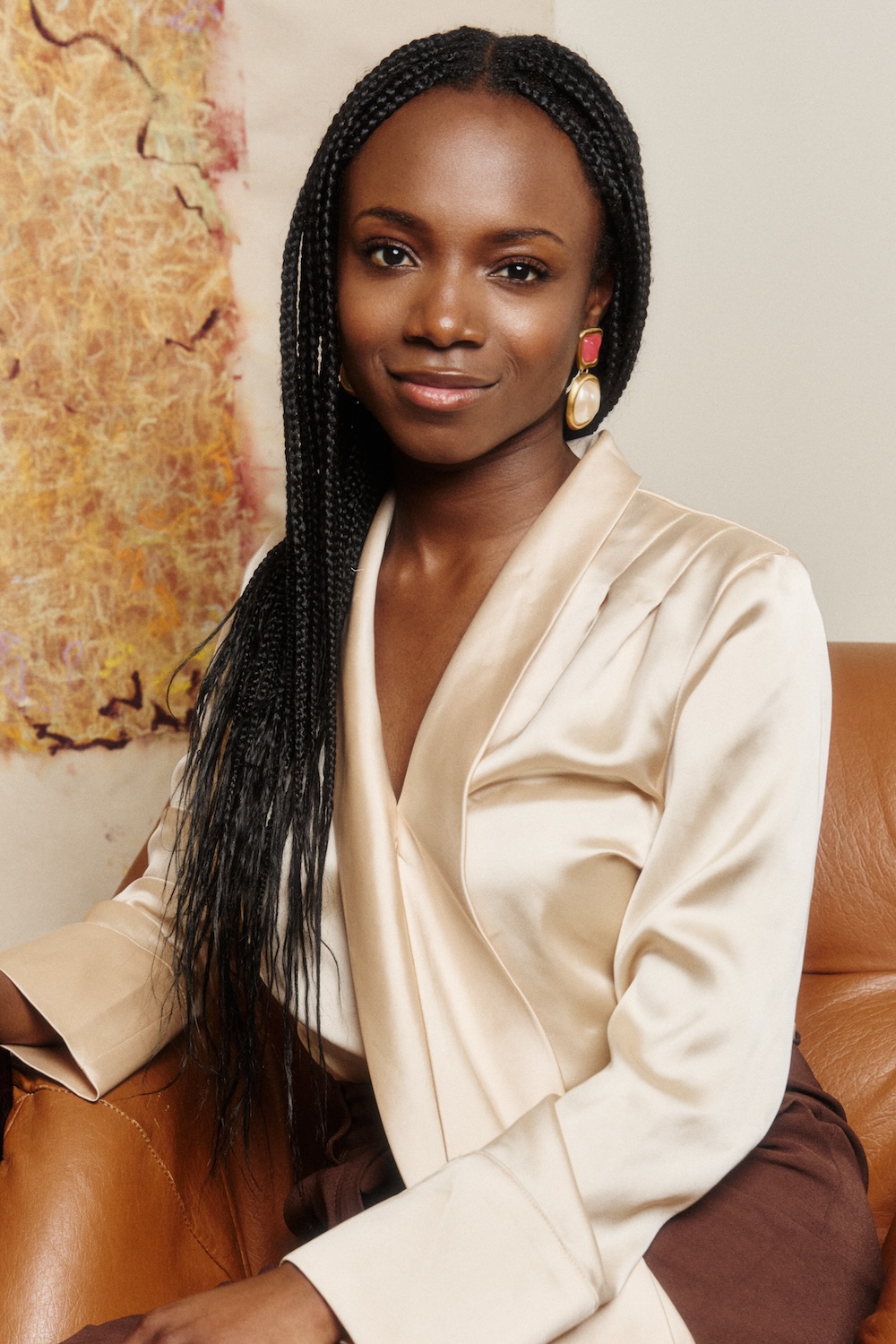
Ogunbiyi, who earned bachelor’s and master’s degrees in engineering from Harvard University and an MBA from Harvard Business School, and fellow Harvard alum and Halo co-founder David Afolabi went through more than 500 prototypes before finalizing HaloBraid’s design. Hairstylists provided weekly feedback throughout the development process, informing everything from functionality to ergonomics. One major change was shifting the device from a handheld format to a stand-mounted design to make it easier for braiders to use.
Ogunbiyi and Afolabi won $75,000 from the Harvard President’s Innovation Challenge in May 2025, and a video of Ogunbiyi’s pitch from the competition quickly went viral, racking up 4.9 million views across Instagram and TikTok and 4 billion impressions. It thrust HaloBraid into the spotlight and, following the viral moment, its waitlist swelled to more than 5,000 stylists and consumers eager to try the technology.
The attention also prompted criticism, with some commenters questioning whether the technology would eventually replace stylists. Ogunbiyi counters that criticism, arguing HaloBraid is a win-win for hairstylists and their clients. She stresses it’s intended to assist stylists, not replace them. In HaloBraid’s current form, stylists start the braid and the tool finishes it. The device will initially be available only to salons and professional stylists.
“It’s shocking someone hasn’t built this business yet, but Halo will.”
Ogunbiyi notes that braiders often experience arthritis, carpal tunnel syndrome and other repetitive-stress injuries from hours of repetitive hand movements. HaloBraid’s objective is to ease the physical demands of braiding while reducing the time it takes. She says, “They can see more people and ideally make more money if they want to or just have more time because the appointments will be much shorter.”
For clients, dramatically reducing the length of appointments means they don’t have to devote hours and hours to hair braiding and could make the service easier to fit into their schedules. “Ultimately, most people don’t have six hours in their day to sit in a chair,” says Ogunbiyi. “People are taking PTO or having stylists come to their home to get their hair braided. They’re looking at this and saying, ‘OK, what if you could get braided basically in your lunch break?’ There’s this huge untapped demand.”
Halo plans to place HaloBraid with hairstylists and at salons in the Northeast. Ogunbiyi, who is based in Boston, says the city will serve as a test market for the company. Halo also plans to hold pop-ups in cities across the country. Longer term, it envisions HaloBraid in J.C. Penney salons nationwide. The retailer currently offers braiding services in its salons.
@harvardinnovationlabs Meet 2025 President’s Innovation Challenge Winner: @halobraid Halo Braid is reducing hair braiding time from six hours to minutes, empowering hair stylists to double their business. Watch to see how innovation is transforming an industry that hasn’t changed in thousands of years.
HaloBraid’s pricing has yet to be determined, but Ogunbiyi says stylists won’t have to pay for the device upfront. Instead, Halo will only make money when stylists make money. “We wanted to make sure it’s as accessible as possible,” she says.
Halo isn’t alone in trying to bring automation to beauty services. Robotic manicure startup 10Beauty and lash-extension technology company Luum Precision Lash have each attracted significant venture funding, with 10Beauty announcing a $23.5 million funding round in May that brought its total capital raised to $70 million. Despite the investment flowing into beauty robotics, automation hasn’t become commonplace in beauty services.
After tackling braiding, Halo has broader ambitions as it works to become the Dyson for textured hair. Ogunbiyi says, “There are other processes, styling experiences that we want to make faster and more joyful.”


Leave a Reply
You must be logged in to post a comment.