As AI Transforms Beauty Discovery, Ex-Tesla Staffer Builds A ChatGPT Alternative For Beauty

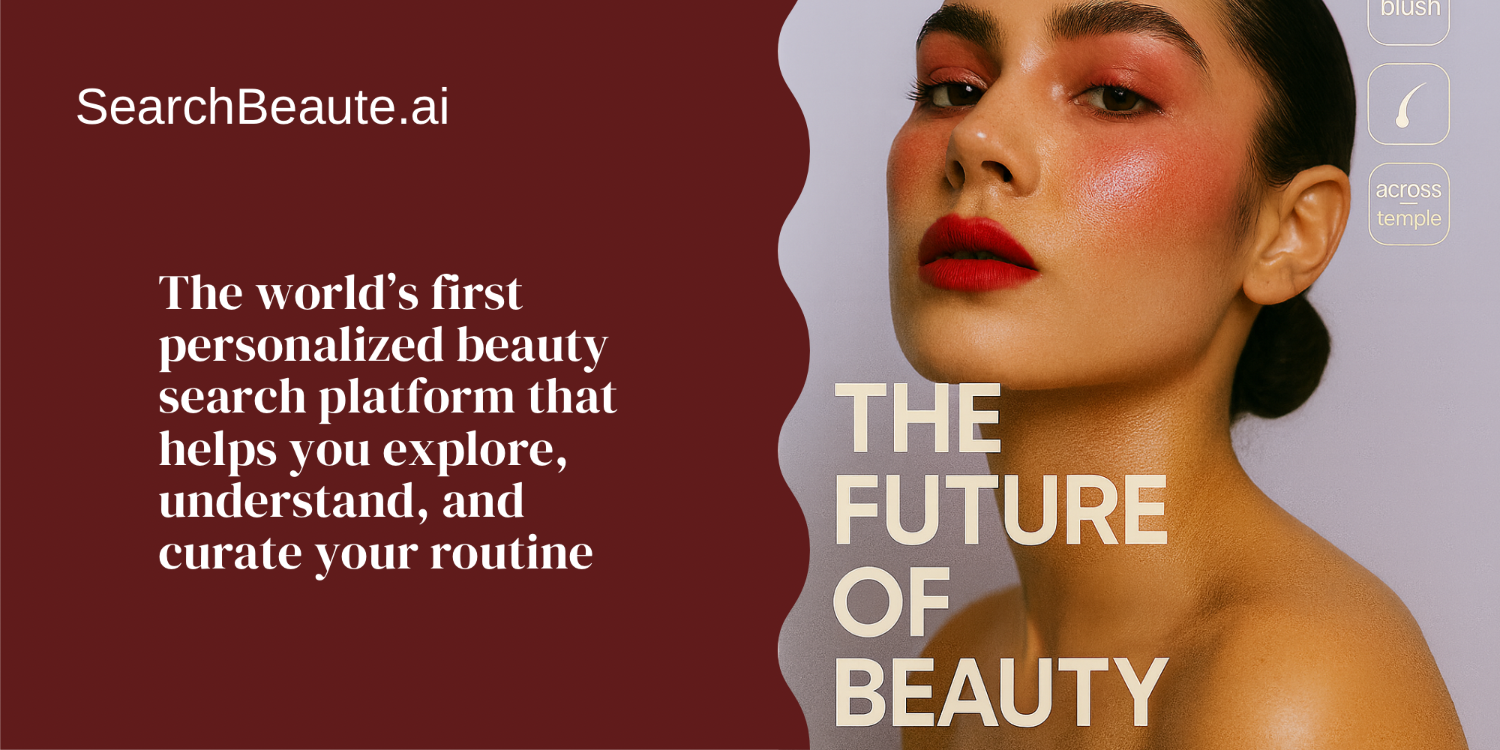
Artificial intelligence is transforming beauty discovery and shopping, but the platforms leading the AI revolution weren’t built for beauty. Former Tesla associate Ghezal Ebrat aims to change that with SearchBeaute.ai, a beauty-specific AI engine that recommends products tailored to users’ unique characteristics.
In October, she launched SearchBeaute.ai, an AI-driven beauty personalization website that delivers up to three customized product recommendations for each query shoppers type into its Smart Search bar, along with two to three links to purchase the recommended products from retailer and brand sites. SearchBeaute.ai is working to support transactions on its platform much like ChatGPT now allows through its Instant Checkout feature.
While personalization platforms are nothing new, SearchBeaute.ai’s debut is especially timely as ChatGPT and other AI-driven large language models (LLMs) siphon search traffic from Google, with consumers flocking to them to research and discover beauty products. About half of consumers polled in October by global management consultancy McKinsey & Co. said they were using AI-powered search while shopping. In February, Bain & Co. found 80% of consumers were using AI for at least 40% of searches. McKinsey estimates that about $750 billion in revenue in the United States is expected to funnel through AI-powered search by 2028.
In some ways, Ebrat views SearchBeaute.ai as the anti-Amazon because, rather than being an everything store, she spent over two years tinkering with its algorithm to keep the list of recommended products tight. She believes the focus is key to differentiate it from competitors and attract customers overwhelmed by a deluge of digital information. Ebrat credits a two-year sales and business development associate stint at Tesla, which she left in 2020, for teaching her about operating with precision and implementing systems that scale.
“The future of beauty belongs to platforms that reduce cognitive load,” says Ebrat. “I’m over the catalog version of searching Google and Sephora and Ulta. It’s a billion products. Think of it [SearchBeaute.ai] as the Google for beauty products, but less confusing. This is highly personalized for the beauty lover. There’s so many brands to choose from across so many iterations, whether it’s skincare, makeup, haircare, body care. ChatGPT is a generalist, but we focus on individuals.”
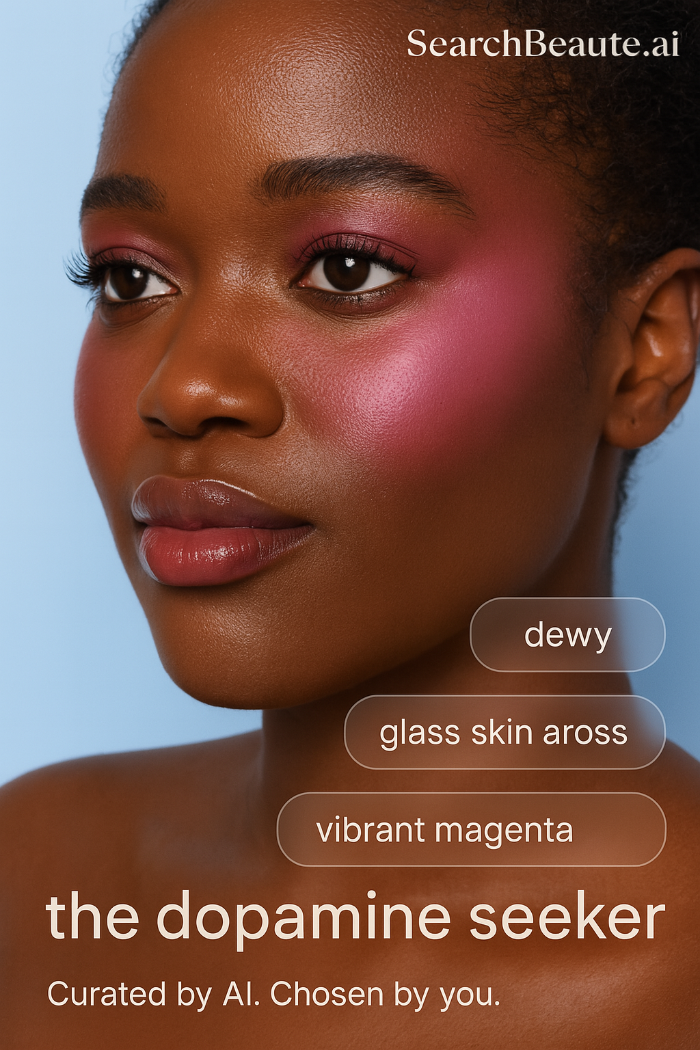
So far, top searches on SearchBeaute.ai include solutions for sensitive skin (12.3%) and anti-aging benefits (9.1%) followed by those involving targeted preferences (8.4%) for scents, textures, formulations and problem-solving products that fight dandruff, oily skin, frizz, pigmentation or breakouts. Over 4,000 users have created accounts. Users receive two free searches on the site before they’re prompted to create an account.
SearchBeaute.ai has two components that assist it with data for its algorithm: The Beauty Code and My Shelf. The Beauty Code is a quiz that captures users’ traits and preferences, including skin type, hair type, makeup preferences, fragrance tastes and brand affinities. About 2,500 users have taken The Beauty Code quiz. Once users have taken The Beauty Code quiz, they can place product recommendations on My Shelf, a virtual beauty shelf holding the products they want to buy or try. They also can add products that they already own to My Shelf to track their entire beauty collection.
Currently, SearchBeaute.ai is largely populated with recommended products from legacy beauty brands carried by beauty specialty and big-box retailers like Sephora, Ulta Beauty, Target and CVS such as Maybelline, L’Oréal, E.l.f., NYX, Clinique, Estée Lauder, Sol de Janeiro, Nars, Clarins, Ilia, Charlotte Tilbury, Tower 28 and Byredo. It’s looking to broaden its assortment of emerging and international beauty brands, and it’s in the process of onboarding at least 10 emerging brands.
“My long-term goal is to be the search engine for all things beauty where you don’t get met with a bunch of legacy brands,” says Ebrat. “I want a great mixture of that and indie beauty. I’m bored with the same brands that have been around for decades.”
She’s self-funded SearchBeaute.ai and operates it as a solo founder with one developer. Prior to joining Tesla, Ebrat worked for about eight years in beauty retail at Sephora and Ulta, where she was a store associate before ascending to store manager. Weary of the hyper consumption she witnessed in stores, she sought to encourage mindful purchasing habits. It wasn’t until early 2023 that she created the first prototype for SearchBeaute before ChatGPT beauty searches went mainstream.
“The future of beauty belongs to platforms that reduce cognitive load.”
“I want to make a difference in the beauty industry,” she says. “I think AI can help with alleviating waste and helping people discover products that are meant for them. It does a good job of really dissecting what a product is, its ingredients and why it’s meant for an individual.”
Carving out a lane alongside giant LLMs won’t be easy for SearchBeaute.ai, but Ebrat is confident that the site’s mission and personalized model will resonate with consumers. She points to her TikTok account, @thebeautepost, which has amassed 32,000 followers since 2019 by discussing the role of AI in beauty, technology, trends and her journey in bringing SearchBeaute.ai to life, as evidence of that.
“I’m the real human face behind the brand. I’ve showcased my entire work on social media, and in this day and age, especially with gen Z specifically, they want authenticity,” she says. “They don’t want some bot to just be everything to everyone.”
SearchBeaute.ai uses affiliate links on the products it recommends, but hasn’t done much beyond that to monetize. In the future, it will charge brands for placement on generated recommendations where their products are deemed a genuine match “not as an ad, but as a verified fit,” notes Ebrat. SearchBeaute Pro, a B2B offering providing consumer insights to brands, is in the pipeline as is an app for consumers.
“Our system is not pay-to-play. The AI only recommends a product when it aligns with a user’s Beauty Code. Partnered brands do get a guaranteed placement, but it rotates automatically based on the user’s data, keeping everything personalized and transparent,” says Ebrat, predicting that large LLMs will become pay-to-play machines. “I don’t believe that every single beauty brand is going to be guaranteed on ChatGPT.”




Leave a Reply
You must be logged in to post a comment.