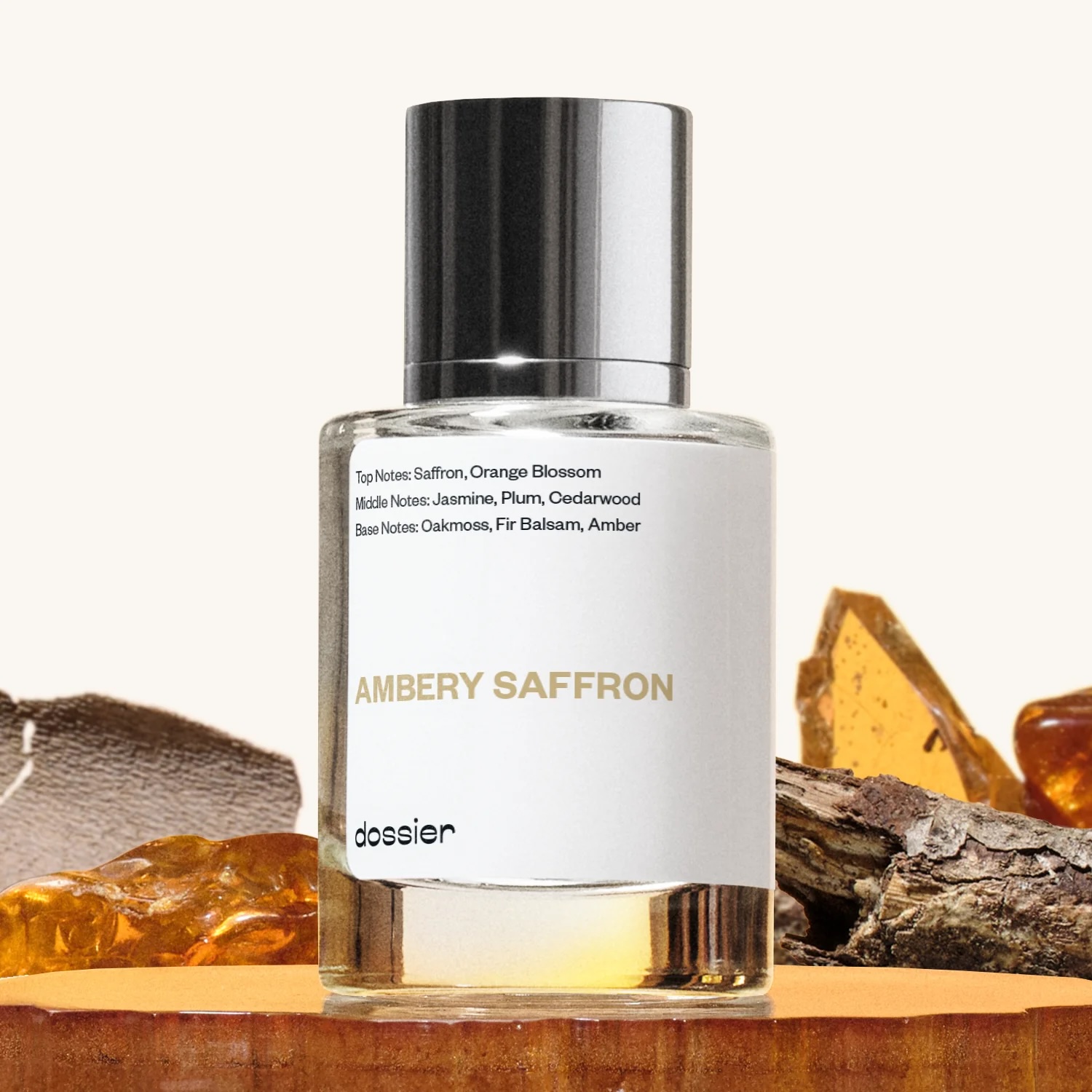
Private equity firm American Pacific Group has taken a majority stake in Dossier, the brand known for duping popular fragrances like Le Labo’s Santal 33 and Maison Francis Kurkdjian’s Baccarat Rouge 540, with aspirations for its fragrances to become so well known they inspire their own dupes.
While some investors have been spooked by brands driven by dupes that depend on demand for other companies’ products, the deal demonstrates the significance of the dupe segment today, particularly in a bifurcated consumer market where value is paramount and brands like Dossier are using dupes as an onramp to brand recognition and a broader business. According to reporting by Women’s Wear Daily, Dossier is the No. 1 fragrance brand at Walmart, where it entered in 2022, and No. 3 fragrance brand at Target, where it launched last year.
According to an estimate from market research firm YipitData cited by Glossy, 6-year-old Dossier generated roughly $60 million in annual sales in 2025 and recorded 120% year-over-year sales growth as of February 2026. Along with Target and Walmart, Dossier is available at CVS and opened a branded store in New York City last year. The brand informed Glossy last month that it’s due to expand its retail footprint in Mexico via Walmart and Ulta Beauty and in the United Kingdom via Liverpool.
Dossier’s fragrances are largely priced from $29 to $49 for 1.7-oz. bottles. In 2023, the brand introduced a line of “Originals,” which includes collaborations with influencer Allyiah Gainer and rapper Machine Gun Kelly.
Tina Bou-Saba, a beauty and wellness investor and founder of CXT Investments, foresees Dossier following in fellow dupe brand MCo Beauty’s footsteps and becoming a billion-dollar brand through further retail expansion. “I don’t even think of Dossier as a dupe brand anymore, to be honest,” she says. “It is an affordable fragrance brand that stands on its own.”
Joël Palix, founder of beauty M&A advisory firm Palix Unlimited, posits that American Pacific Group’s Dossier deal confirms that the dupe or “inspired by” segment is becoming a structurally relevant part of the fragrance category rather than just a fringe niche. “It taps into a clear shift,” he says. “Consumers, especially younger ones, are questioning traditional luxury markups and seeking transparency and value.”
Value was a crucial factor in American Pacific Group’s interest in Dossier. With consumers skittish, mass-market opportunities are rising in favor with investors and strategic buyers (see Henkel’s acquisition of Not Your Mother’s) despite the slimmer margins they bring. Last year, data from market research firm Circana shows mass beauty outperforming prestige beauty in dollar growth, with a 5% uptick in mass versus a 4% uptick in prestige.
Dupe culture has become a powerful catalyst for fragrance sales in the mass market and dupe brands have proliferated. Among Dossier’s competitors are Oakcha, ALT Fragrances and Fine’ry. Circana estimates mass-market fragrance sales jumped 15% last year versus 5% growth in prestige. Even so, mass and masstige fragrances account for just 9% and 7% of total category sales, underscoring how small the mass share remains and pointing to potential upside for dupe players.
American Pacific Group, founded in 2019, has $1.2 billion under management and five consumer businesses in its portfolio. The firm formed Wellbeam Consumer Health, formerly Yukon Wellness, roughly five years ago to acquire wellness brands and its stable contains TruSkin, Eu Natural and BioTRUST. Sergio Tache, founder and CEO of Dossier, remains a stakeholder and at the helm of the brand’s leadership. Dossier has over 100 employees.
“Consumers, especially younger ones, are questioning traditional luxury markups and seeking transparency and value.”
Last year, beauty M&A was characterized by subdued activity and a handful of large deals by strategic acquirers, with private equity mostly on the sidelines. This year, private equity firms appear to be in a dealmaking mood again. Advent International, Stride Consumer Partners, VMG Partners and L Catterton, for example, have been involved in deals with Salt & Stone, Peachy, Vacation and Ex Nihilo, respectively.
Palix argues long-term value for Dossier will come down to establishing true brand equity beyond “inspired by.” Although new territory can always be plowed, it’s difficult to imagine a traditional beauty industry-focused strategic buyer picking up a dupe-centered brand, at least one that hasn’t made any progress with differentiated merchandise it’s identified with.
“For investors including American Pacific Group, the appeal is obvious: a digitally native, capital-efficient model with strong repeat and room to scale globally and across channels,” says Palix. “The key question is defensibility.”
Emily Bond, co-founder of consultancy Lotus Bridge Strategic Partners, believes Dossier’s deal will compound pressure on luxury fragrance houses struggling to compete during a time when consumers are signaling they want access, quality and participation in the prestige scent world without high price tags. She says, “I’m hearing directly from brand leaders that it’s forcing them to sharpen storytelling, deepen emotional connection and remind consumers why heritage and brand still matter.”
Palix is insistent, though, that dupes ultimately won’t replace luxury innovators. He says, “They expand the category and put pressure on incumbents to better justify pricing and differentiation, but also recruit customers to the category.”