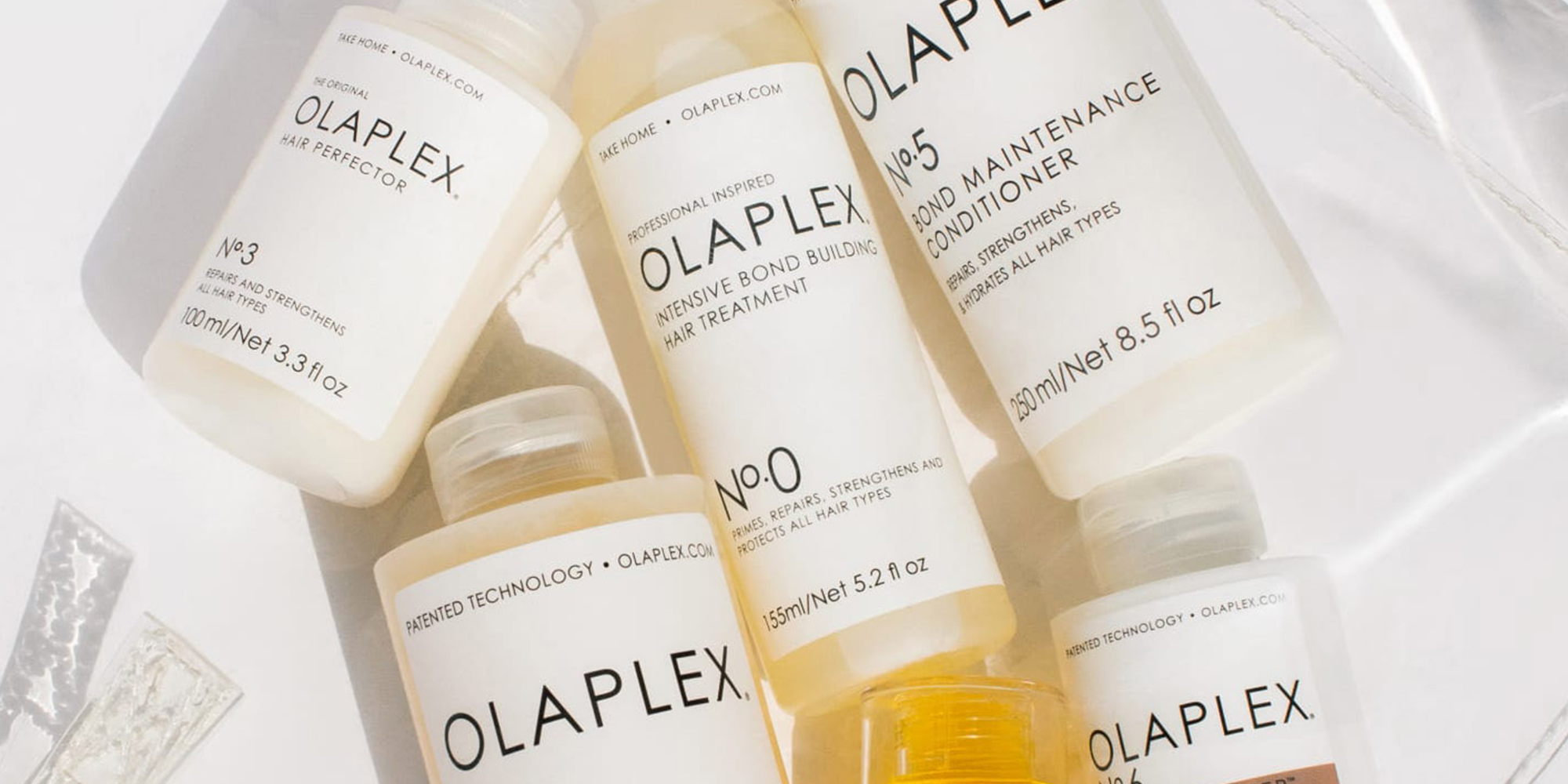



With its $1.4 billion acquisition of Olaplex, Henkel is playing to its strength in haircare and looking to win across every tier of the category globally.
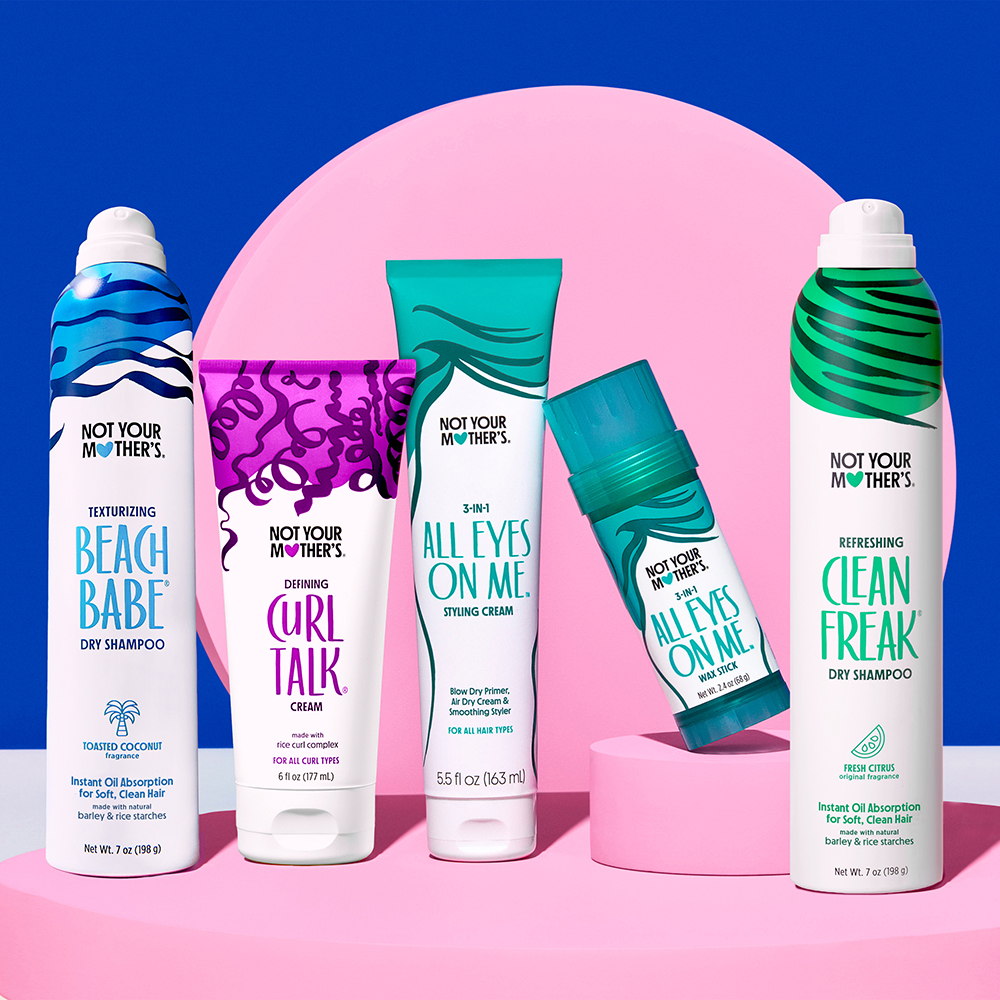
The deal, valued at 3.3X the prestige haircare brand Olaplex’s $423 million in 2025 sales and 13.7X its earnings before interest, taxes, depreciation and amortization (EBITDA), comes hot on the heels of the German consumer goods conglomerate’s purchase of mass-market haircare brand Not Your Mother’s for an estimated $927 million. Olaplex joins Henkel’s Consumer Brands division, which has a deep bench of professional brands, including Joico, Alterna, Schwarzkopf and DevaCurl, along with consumer brands eSalon, Got2b, Not Your Mother’s and SexyHair. Henkel is acquiring Olaplex from majority shareholder Advent International.
Nicole Fourgoux, operating partner at private equity firm Stride Consumer Partners, frames the acquisition as fitting squarely within Henkel’s efforts to make haircare a growth engine for its consumer division. “The combination of recent acquisitions across mass and prestige, including Not Your Mother’s and Olaplex, points to a deliberate strategy to build a more complete, multi-tier hair platform with a stronger foothold in the U.S.,” she says. “This is less about adding brands and more about strengthening capabilities across price points, channels and geographies.”
Henkel isn’t buying Olaplex at its peak and will have a tall task ahead in recharging its business. The brand went public in 2021 at a roughly $14 billion valuation, one of the most high-profile beauty IPOs in recent years, netting Advent, now exiting Olaplex entirely, $1.55 billion. (Advent is turning its attention elsewhere, announcing earlier this week it’s acquiring premium body care brand Salt & Stone.)
Olaplex’s strongest year followed in 2022, when sales reached about $704 million, but its value has since fallen around 95%. Factors behind the decline include increased competition from newer players such as K18 and legal challenges, notably a dismissed lawsuit alleging its products caused hair loss.
Olaplex appointed Amanda Baldwin as CEO in early 2024 to guide its turnaround. She joined from Supergoop, where, according to a Goldman Sachs interview, she expanded the company 40-fold and led it through the sale of a majority stake to Blackstone. In a statement, Baldwin welcomed Olaplex’s sale to Henkel, but neither Olaplex nor Henkel has disclosed whether she will remain with the brand following the acquisition.
“Olaplex built something real: a devoted professional community, patented technology and genuine consumer trust,” says Danika Berry, beauty strategist and founder of Black Beauty Founders. “What it struggled with was the pressure of scaling as a public company in a category that moves at the speed of culture. Henkel brings the infrastructure to stabilize that.”
Shannaz Schopfer, beauty industry advisor and CEO of The Beauty Architects, believes there’s an opportunity to bring back Olaplex under tighter control. “It is still a very strong brand,” she says. “The science is real. The awareness is there. But it lost a bit of discipline along the way. You could feel the brand stretching beyond what it could manage.” She adds, “The acquisition is a reminder that brand equity and distribution scale are two very different things, and you need both to sustain longevity in haircare.”
Olaplex launched in 2014 as a professional-only treatment with its products No. 1 and No. 2. When the publication “Into The Gloss” wrote about the newcomer in that year, it introduced the term “bond builder” to beauty consumers and ignited demand in salons. At just four months on the market, the brand was already in 7,000 salons worldwide. Consumer products followed in 2017, with the at-home No. 3 treatment, shampoo and conditioner, as the brand ventured into specialty retail, entering Sephora.
The brand has recently shown signs of improvement in its professional and direct-to-consumer channels. Fourgoux suggests it’s is in reset mode and may be positioned to reignite innovation. “Henkel has highlighted opportunities to accelerate innovation, but innovation here is not just about pipeline,” she says. “What made Olaplex successful was breakthrough, science-led innovation that resonated with professionals. If Henkel treats Olaplex as a flagship premium platform within hair and preserves its pro-led, science-first DNA, it has a real opportunity to reaccelerate the brand. If it integrates it too tightly into a broader CPG model, the risk is dilution of the very attributes it is acquiring.”
Roseann Valencia-Fernandez, executive marketing partner at agency The Rare Form, cautions against too heavy a corporate hand. “The only challenge I can see is if Henkel over-corporatizes the brand and it loses its edge,” she says. “If Henkel protects the brand’s scientific credibility and salon roots, this could be the beginning of Olaplex’s second act.”
“Olaplex built something real: a devoted professional community, patented technology and genuine consumer trust.”
While industry insiders agree on Olaplex’s underlying strength, many contend its next phase will require careful handling. Anne Kurtz, an angel investor and author of industry Substack The Juicy Byte, argues Olaplex and Not Your Mother’s should operate, as much as possible, independently within the conglomerate. She says, “Integrating into the full corporate structure and streamlining or significantly cost-cutting the brand would not be good for either acquisition.”
Kurtz also argues the acquisition may partly be an intellectual property play, with Henkel potentially interested in applying Olaplex’s bond-building patents to other brands in its portfolio. “Since Schwarzkopf is largely color and styling, the Olaplex acquisition complements the salon offering,” she says. “This would be new territory for Olaplex, where most of the damage has been in the U.S. If they push further into Asia and Europe, there could be greater growth potential.”
Looking broadly at what the deal means for the haircare category, Schopfer spotlights Olaplex as a cautionary tale. “You need to be much more precise in how you build a brand from the beginning,” she says. “Not just innovation, but control. Not just visibility, but consistency. Olaplex is a good reminder of what happens when a brand grows faster than its structure. Henkel now has the opportunity to bring that structure back.”
Berry emphasizes emerging brands shouldn’t lose sight of their earliest advocates as they scale. “Consolidation at the top creates space at the edges,” she says. “The brands that will win are the ones building real community, not just awareness. The real question isn’t whether Henkel can turn it around. It’s whether it protects the professional community that made the brand matter in the first place. That relationship is the brand.”
In beauty M&A, the acquisition reinforces buyers’ prioritization of strong defensible moats, particularly those backed by scientific differentiation. “Strategics are increasingly acquiring assets that bring not just scale, but capabilities, whether that is science, channel expertise or brand authority,” says Fourgoux. “In Henkel’s case, the strategy is clear: building a full-spectrum hair ecosystem across mass, prestige, professional and digital channels.”
Click here to secure Early Bird tickets to Dealmaker Summit happening November 9 & 10 in London.