Beauty Brands Scramble To Rework Logistics As TikTok Shop Ends Self-Fulfilled Shipping

In one of the most sweeping infrastructure changes made yet since it launched in the United States in 2023, TikTok Shop is discontinuing seller shipping, the option that allowed brands to fulfill orders themselves, as it moves toward a centralized Amazon-style logistics model for greater reliability and speed.
The move is sending beauty brands scrambling to establish compliance or risk losing access to TikTok’s roughly 170 million users in the U.S., raising concerns about potential sales disruption on what has become the eighth-largest health and beauty e-commerce platform in the country, according to market research firm NielsenIQ. NIQ estimates TikTok Shop’s sales climbed 100% to surpass $2 billion in its most recent 52-week period, illustrating the stakes for brands that rely on the platform for discovery and impulse shopping.
The choices available to brands now include Fulfilled by TikTok (FBT), where products are stored in TikTok’s warehouses and the platform handles shipping and fulfillment; Upgraded TikTok Shipping, in which TikTok selects the carrier while brands continue to use their own warehouses; and Collections by TikTok, a door-to-door pickup service. Brands using enterprise resource planning software and shipping tools such as AfterShip, 4Seller and ShipHero will be fully compliant. Those systems are already integrated into TikTok’s logistics network.
A TikTok Shop representative tells Beauty Independent, “We’re upgrading TikTok Shop’s logistics options and requirements to improve delivery reliability, tracking quality and the overall consistency of buyers’ experiences, because a great buyer experience directly drives conversion and repeat purchases for sellers.”
Industry experts largely agree with TikTok’s framing of the shift as a win for buyers, arguing streamlined fulfillment could boost consumer trust and eliminate the uneven delivery experiences that have bedeviled the platform since its launch. However, they warn the change could put brands at a cost disadvantage, complicate demand forecasting and require larger inventory commitments as TikTok sharpens its competitive edge against Amazon and seeks wider margins under new ownership.
“This is about control, it’s about consistency and it’s about reputation where TikTok is ready to be seen as a credible, trusted marketplace from a reputation perspective that could maybe one day rival Amazon,” says Leslie Ann Hall, founder and CEO of paid social agency Iced Media. “For brands, I do believe, in the long run, this will help professionalize their approach as it becomes a more mature marketplace.”
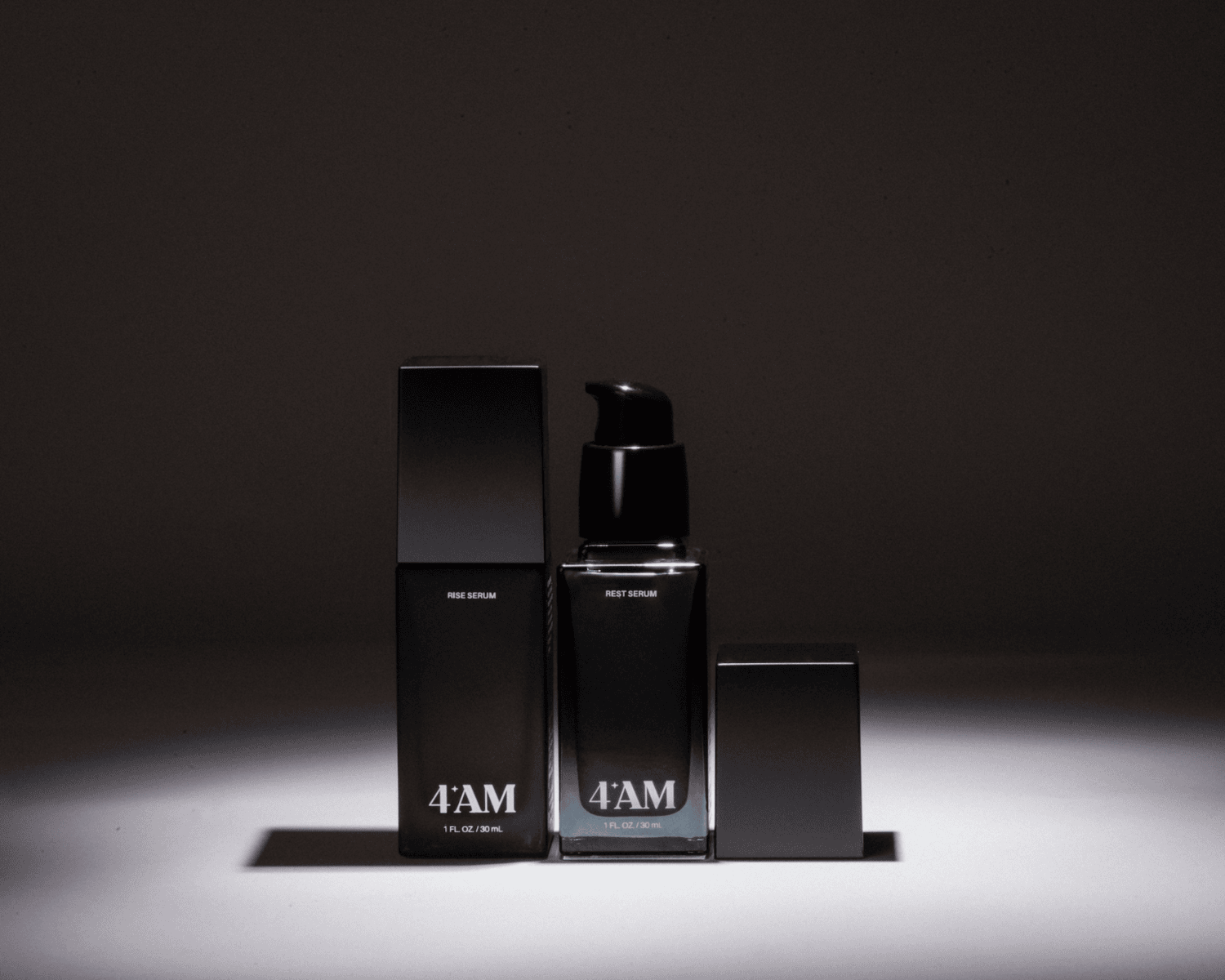
Jade Beguelin, co-founder and CEO of skincare brand 4AM Skin, says, “I see this as an attempt to make TikTok Shop more profitable for TikTok as well as increase consistency on the platform. At the end of the day, Amazon does well because consumers trust that anything they buy from Amazon will arrive quickly, and that is not yet the case on TikTok.”
The platform held about 1% of the U.S. beauty market in 2023, according to global investment bank TD Cowen, a figure anticipated to grow by 300% by 2030. By comparison, Amazon, beauty’s largest retailer, currently controls nearly 23% of the market, according to NielsenIQ.
The logistics overhaul comes amid broader upheaval at TikTok. Last month, TikTok’s Chinese owner ByteDance finalized a deal to hand over majority ownership of the app to a consortium of American investors, including Oracle, Silver Lake and MGX, to avoid the long-standing threat of a U.S. ban. Following the handover, the platform has been rocked by technical glitches tied to a major power outage and censorship claims.
With TikTok Shop requiring 24- to 48-hour fulfillment and three-day shipping on all orders, David Silbergleit, CEO of third-party logistics provider PIMS, expects that brands will face higher expedited shipping fees if they continue to use their own third-party logistics providers. At the same time, transitioning to FBT entails a greater capital commitment for inventory allocation, reduced flexibility, loss of negotiated carrier rates and increased reputational risk if packaging quality slips.
“You’re going to get 500 or 1,000 brands in one warehouse, and they’re just fulfilling. It doesn’t matter if it’s Nars or Drunk Elephant or Saie Beauty. It’s just another order going through the system,” he says. “They’re trying to recreate Amazon, but TikTok is a marketplace built on social media. Presentation still matters.”
Beauty brands maintain the timeline for TikTok Shop’s logistics change is feasible, albeit tight, but will require significant planning. Freddy Wolfe, CEO of Truly Beauty, a body care brand that uses FBT services, says it shouldn’t take more than a couple of weeks for brands to ship inventory to TikTok’s warehouses, emphasizing, “But you need to have extra inventory on hand.”
Beguelin agrees that forecasting will be tricky to tackle as brands navigate TikTok Shop’s shipping requirements. She notes that the platform initially intended to cancel seller shipping on USPS orders, specifically, by Jan. 1 before rolling it back late last year. She says, “It’s a pretty quick turnaround if you have to switch to FBT as there is a lot of projecting needed if you have to separate out TikTok Shop and non-TikTok Shop inventory.”
TikTok Shop is offering incentives to attract brands to FBT, including free three-day shipping, 60 days free storage, 25% to 30% savings on shipping costs and a “Free 3-Day Delivery” tag that promises to increase conversions by up to 20% and visibility by over 30%. TikTok plans on incentivizing creators to promote products available through FBT.
Despite TikTok’s push, some brands are hesitant to completely make the switch to FBT. Silbergleit says brands are exploring a hybrid model that keeps hero stockkeeping units with FBT and new launches with the brand’s warehouse to maintain quality. 4AM Skin plans to switch to Upgraded TikTok Shipping to continue selling on TikTok Shop after Feb. 25.
Beguelin has heard mixed reviews of FBT and highlights makeup brand Made by Mitchell’s shipping snafu as an FBT red flag. In a TikTok video posted on Dec. 4, Mitchell Halliday, founder and CEO of Made by Mitchell, communicated the brand had to pull all remaining inventory from TikTok’s warehouse and pause its online shop after it started receiving frustrated messages from customers who hadn’t received orders. Halliday explained that the issue tied back to TikTok losing a significant portion of the brand’s stock while changing warehouses, and that the same problem had occurred before during Black Friday/Cyber Monday weekend in 2024. Made by Mitchell’s TikTok Shop reopened on Dec. 7.
In the TikTok video, Halliday says, “We requested on multiple occasions that they cancel the outstanding orders to avoid customers being without their order or money for any longer than needed.”
Truly Beauty hasn’t experienced any major shipping delays using FBT so far, but it has run into repeated issues with damaged products, causing the brand to modify its packaging on products designated for TikTok Shop. “It really hurts our seller rating,” says Wolfe. “Now, we just sort of assume things will be packed with no protection, and we make sure our products have their own protective packaging to withstand a bumpy journey.”
Switching over to FBT could impact how brands test product demand on the platform. Wolfe points out that Truly Beauty typically shipped from its warehouse when measuring the sales velocity of certain products on TikTok. Products that gained momentum were then transferred to TikTok’s warehouses. With the shift to FBT, he says every product that launches is a bigger time and capital commitment. Truly Beauty will be slashing lower-performing SKUs from its TikTok Shop that previously shipped out of its warehouse.
Wolfe says, “You’ve got to be a bit more careful with what you launch and manage the overall product collection on TikTok”
Wolfe and Beguelin concur that TikTok Shop has made short-term pricing attractive for brands, which have to either switch fulfillment providers or integrate TikTok’s logistic layer. They also concur that loss of competition against seller shipping could enable the platform to raise costs in the future. For Truly Beauty, that reality has already kicked in. Wolfe says the incentives that TikTok Shop offered the brand through FBT last year such as refunds on shipping fees and reduced shipping rates for certain order thresholds have generally gone away.
Hall advises beauty brands not to panic about the TikTok Shop changes. “There’s time to plan,” she says. “Take the time to do the research and find the right solution that makes the most sense for your business that’s going to be most cost effective, least disruptive and work within the larger scheme of your inventory management.”
TikTok Shop’s shipping shifts could have a knock-on effect on logistics providers. Normally a five-day warehouse, PIMS is considering bringing on weekend staff to accommodate clients’ needs for faster shipping times on TikTok Shop. Silbergleit says, “It’s forcing us to have that conversation because even though it may not be worth it right now financially, if TikTok Shop is doing it, that means that Ulta’s new marketplace is going to have to offer something like that down the line and so on.”