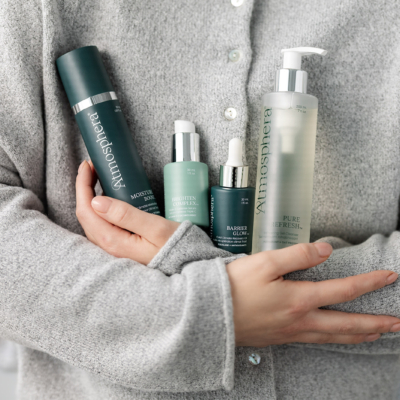

Atmosphera, the revamped Canadian climate-adaptive skincare brand, has launched in the United States with Beautycounter veterans Katya Johnson, Christi Hucks and Mia Davis at the helm as they seek to reinvent direct selling through a modern affiliate model.
The 10-year-old Alberta-based brand went through an overhaul in the second half of 2025 after Johnson and Hucks, both former Beautycounter managing directors and founding members, joined as co-CEOs in August, adding Davis as chief impact officer and Steve Raack, former COO of Beautycounter, as COO. Along with the new executive bench, Atmosphera introduced a direct-sales model alongside direct-to-consumer e-commerce. Since opening enrollment to affiliate sellers on Feb. 17, 4,000 people have signed up.
Hucks’ skin concerns have often changed with shifts in climate, helping her identify a gap in the market for climate-focused skincare. She recalls having what she calls a “divine download” on an airplane when the concept crystallized. After researching the category, she discovered Atmosphera and pitched herself and Johnson to founder Katelyn Rouselle as the right team to scale it. Rouselle remains the majority owner and is still involved in the business, which has taken on an unnamed angel investor.
“We knew that we had an opportunity to make Atmosphera the leader in climate-curated skincare because we had not heard about something like it. It is not a known thing yet,” says Johnson. “[It] was a chance to do something with impact and sustainability.”
Although awareness of climate change remains widespread, it has not consistently translated into purchasing behavior in the United States, and few beauty brands have put climate at the center of their positioning. Mass haircare brand Climaplex launched in 2022, specializing in protecting hair from climate-related damage. Pour Moi started the same year with a serum called Smoke Alarm Drops designed to shield skin from smoke created by wildfires and campfires.
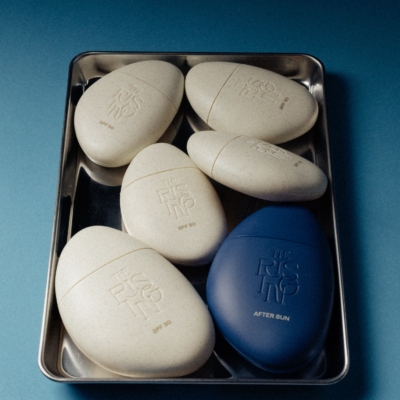
Atmosphera sells eight products and three bundles that address skin needs for humid/coastal areas, dry/alpine places and temperate/seasonal locations. Individual products retail from $52 to $89.
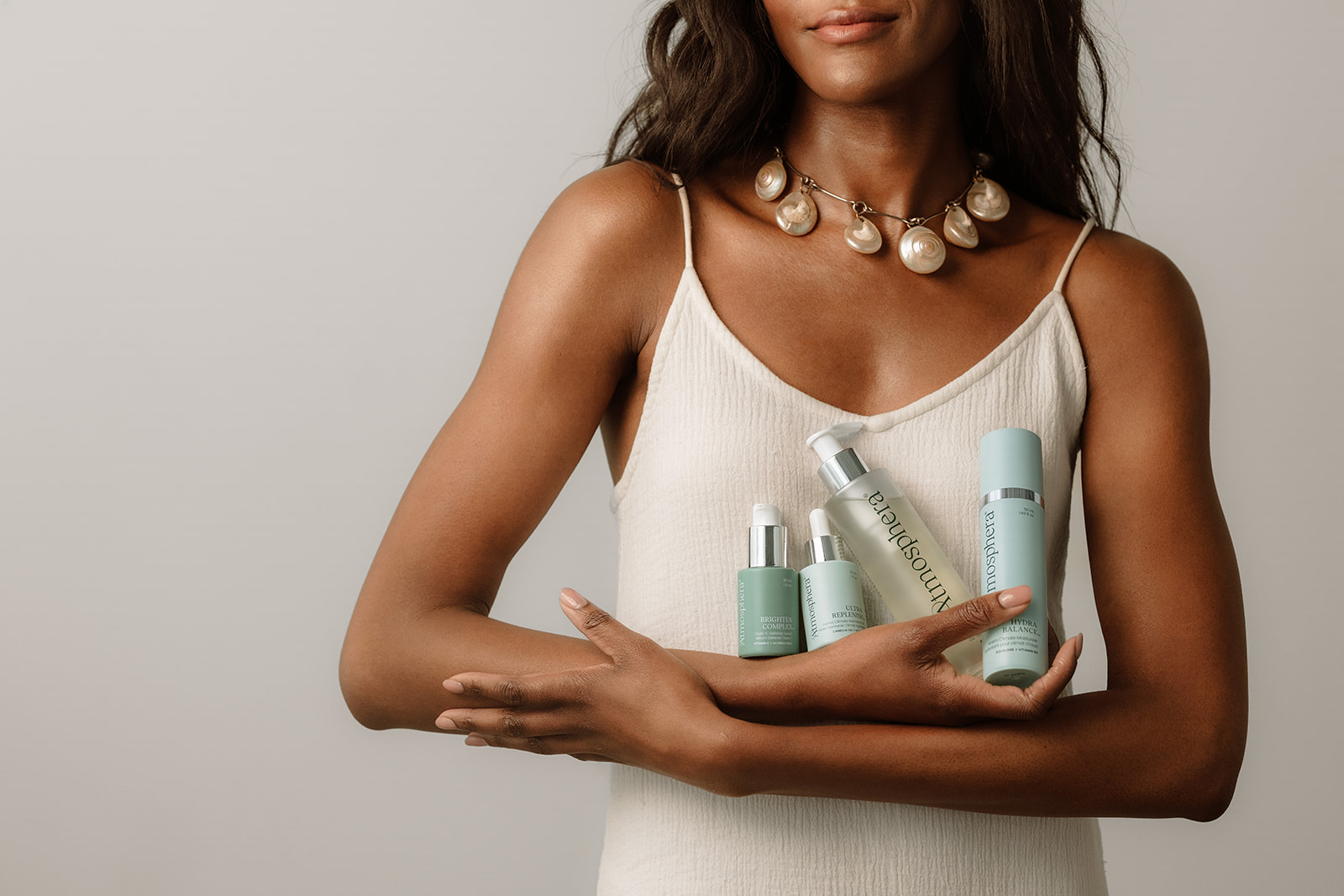
Atmosphera marries its climate-focused products with a broader narrative around the environment and sustainability, with affiliates leading the charge in their communities. It hopes to rehabilitate the direct-sales model after sellers from brands like Beautycounter and Rodan + Fields faced upheaval from bankruptcies, restructurings and compensation-model shifts. Beautycounter filed for bankruptcy and has since been revived by founder Gregg Renfrew as The Counter. Along with Rodan + Fields, it now operates on an affiliate model.
Johnson says, “We want to be the darling of the [direct sales] channel.”
So far, with affiliates at its core, Johnson reports Atmosphera’s e-commerce customer retention rate is over 68%. People who join as affiliate sellers are charged a $50 annual fee, with benefits including 20% off for personal purchases, access to retail sales commissions ranging from 20% to 35% and an optional Signature Collection at enrollment that is exclusively available to sellers for $425.
Affiliate sellers are neither required to purchase nor required to carry inventory and can opt to earn money through an affiliate link instead. Sellers can build organizations through Atmosphera’s hybrid of affiliate marketing and traditional direct sales.
“We felt like we could excel in creating a hybrid affiliate model,” says Hucks. “You can come in as a traditional affiliate and just share [a link] and sell, or you can also build organizations and communities.”
“We want to be the darling of the [direct sales] channel.”
Atmosphera has a partnership with Pact Collective, the nonprofit handling hard-to-recycle beauty packaging. Davis co-founded Pact Collective while she was VP of sustainability and impact at clean beauty retailer Credo. Atmosphera marks her return to beauty after a stint at dog food company Ollie as chief impact officer. At Beautycounter, Davis was head of mission, health and environment.
Additionally, Atmosphera is a member of the Know Better, Do Better Collaborative, a collection of beauty industry brands and retailers and science-based, nonprofit organization ChemForward. The collection promotes the use of safer chemistry and improvements in chemical hazard data.
Atmosphera will fund a project through packaging sustainability and compliance platform RePurpose Global to collect over 20,000 pounds of plastic waste from waterways in the brand’s first year of business in the U.S. In tandem with that project, Atmosphera will run its own community cleanup initiative with direct sellers, who are provided with a toolkit and guidance throughout the summer on how to gather clean-up crews to work in their neighborhoods.
Atmosphera’s climate actions and positioning arrive as consumers send mixed signals on sustainability. Shoppers frequently say environmental values matter, but price and efficacy remain stronger purchase drivers in beauty. In a 2023 YouGov survey, one out of five consumers globally said they would pay up to 10% more, and 11% said they would pay up to 25% more for sustainable cosmetics and beauty products. However, only 15% of American consumers said they would pay more than 10% extra, and 7% said they would pay 25% more.
Davis says, “When you frame the question around public and environmental health, you get really strong answers, and that’s regardless of the demographics, but people don’t always know that the safety of the ingredients is intricately connected to climate and to the supply chain.”
She continues, “I don’t necessarily believe that we have to meet people where they are all the time. We can bring the energy, we can bring the knowledge, and we can bring a new way of doing business to our partners, up and down the supply chain.”

Leave a Reply
You must be logged in to post a comment.