Bullish’s Mike Duda On CPG’s New Unconventional Founders, That Coldplay Concert, His Med-Spa Bet And Bullish Outlook
Mike Duda was at that Coldplay concert.
“I can’t believe I’m admitting I went to a Coldplay concert, but actually it was good. It’s probably going to be on my LinkedIn bio,” he laughs, remembering the big jumbotron reveal of now-former Astronomer colleagues Andy Byron and Kristin Cabot’s affair at Coldplay’s Gillette Stadium show on July 16 in Foxborough, Mass. “It was 60 yards behind me, and we saw it live and it’s like, wait, what just happened? Chris Martin played it perfectly.”
It’s really no surprise that Duda, managing partner at Bullish, the New York-based venture capital firm and creative agency, had a front-row seat to a major pop culture moment. As an investor and former Deutsch advertising executive, he’s been in the mix of leading consumer trends like direct-to-consumer distribution, fitness, personalization and more.
Warby Parker, Casper and Peloton are previous Bullish portfolio companies, and its current portfolio includes Harry’s, Function of Beauty, Hally Hair, Bubble, Dirty Labs and Cleo Skin and Laser, its latest investment and first foray into the hot med-spa space. Bullish backs pre-seed- to series A-stage companies and writes $500,000 to $3 million checks.
Similar to the brands it invests in, Bullish is fascinated by consumers, even keeping tabs on a class of early adopters it calls Pioneers, which represent about 15% of American consumers or roughly 50 million people, to identify rising trends before most firms. Today, it’s closely watching mega-trends such as ubiquitous wellness transforming every aspect of people’s lives, individualism tied to the distrust of institutions, and the increasing expectation that businesses cater to unique personal preferences.
“What we all as investors demand from founders is that you need to be bipolar. You’ve got to be maniacal. You’ve got to be focused. Then, you’ve got to do things that haven’t been done before. You have to be a bit crazy, A/B test, fail fast and pivot,” says Duda. “So, what do you be stubborn about? It’s very tough. You need to be aware of things in the zeitgeist, but it could be polarizing.”
Beauty Independent asked him to elaborate on what founders have to be aware of, an emerging type of entrepreneur he sees shaping the consumer scene, where Bullish is looking to invest and his prediction for the rest of the year.
Is consumer investing back?
Consumer’s never gone anywhere. I mean, it’s 68% of our economy. It was 84 times what AI was last year. At Bullish, we think the next 10 years for consumer are going to be better than the last 10 years.
Think about yourself as a consumer. How brand loyal are you to how many products? If you look at the top 25 CPG brands in 1925, they held serve from 1925 to 1984. By 1999, it was 19 of those 25. By 2012, it was three.
We’re seeing the bar-belling of capitalism. You’re either No. 1 or No. 2—Verizon and AT&T—or you’re Mint Mobile. The same thing is happening in CPG and health and beauty. We love corporate America. We come out of corporate America. We’ve done a lot of marketing and brand work for corporate America. They just don’t have the muscle memory to allow for entrepreneurship.
And, with all the technology that we talk about, is it the technology, or is it, this provides a better way of buying something? We all want things faster, better, specialized, personalized. The AI effect is going to democratize expertise, not information, but expertise in a greater way.
Then, you have the pandemic effect. A lot of talented people post-pandemic said, “You know what? I’m going to go invent my own corporate America.” They’re the ones that are going to create the next Unilevers and Procter & Gambles, not someone from those firms.
Founders generally think their founder story is very important. How important is it really?
In our seven key points of building a remarkable brand, one of the top two points is a magnetic founder story. It could be that the person gets me or understands me. It’s empathy. Big corporations don’t have empathy. Brands that have human elements are stronger.
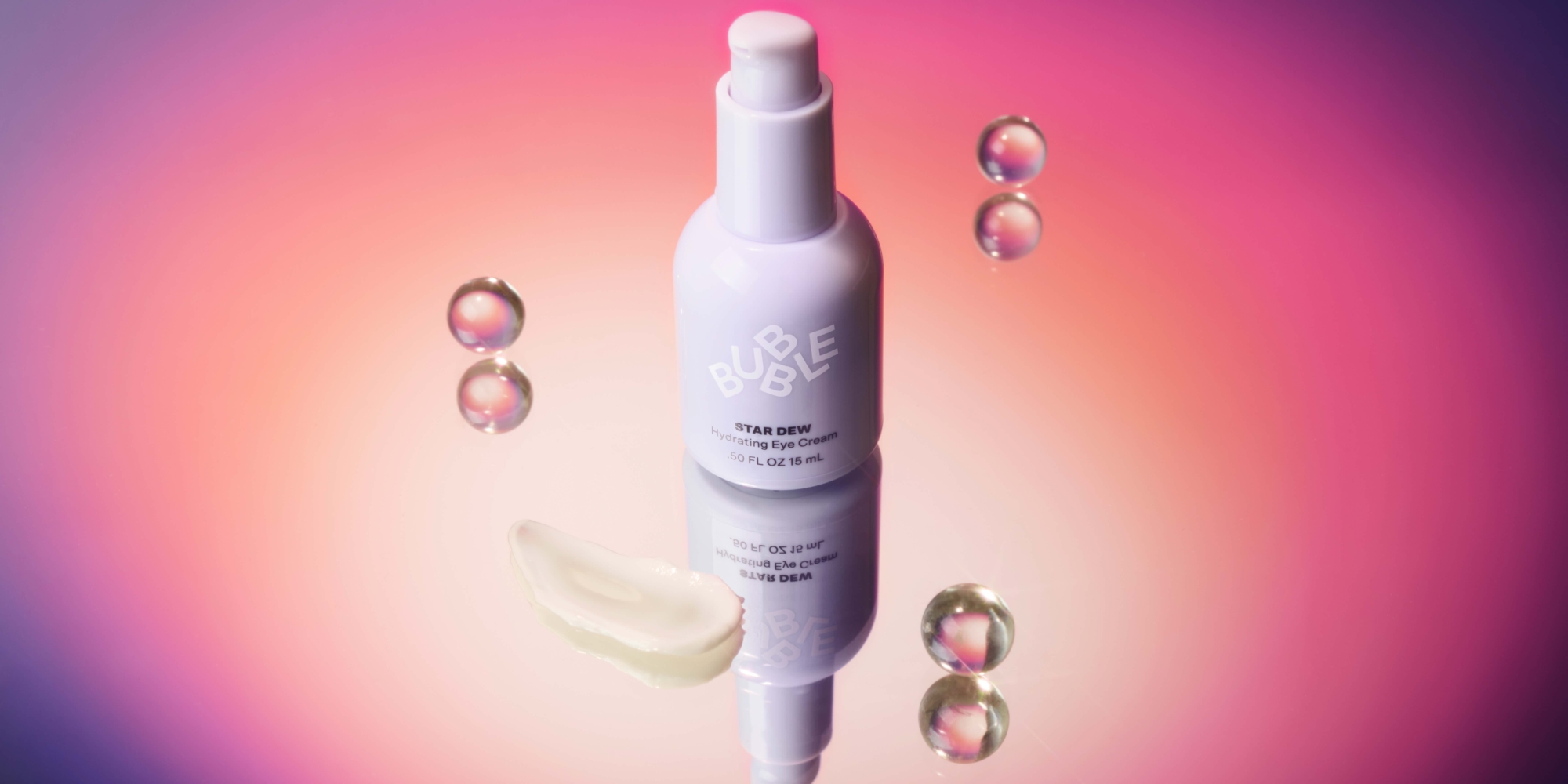
Founders tend to understand the community and the cohort they’re building. That’s [founder Shai Eisenman at] Bubble. We’ve been doing this for 13 years, and Bubble is our best investment of all time.
The reason we invested before launch is because she had a community of 10,000 girls on social media, but within a closed wall. She understood what this girl was going through. The biggest thing is to stay dialed in to the people you serve, and that’s hard for big companies to do.

Your partner Brent Vartan has written about culture-led growth above product-led growth. Can you explain that?
Product-led growth involves a lot of attribution, CAC, the science behind it. Culture-led growth involves community like customers to co-innovate with you. If you think about the best brands in the world, their top 5% fans feel like they own the brand. We see outrage from them, like how could Manchester United or CeraVe do that? When people feel that way, that’s a big part of it.
A lot of tech companies believe the fastest thing wins. It’s not that rational. It’s, what does she or he need from us, and how do we keep serving her or him? CLG is where you are looking outside in versus inside out.
Why did you invest in Cleo?
Med-spas have been hot for a reason. I don’t think they’re going to go anywhere anytime soon. People are going to turn to them for things they might have turned to in aisle four in the past.
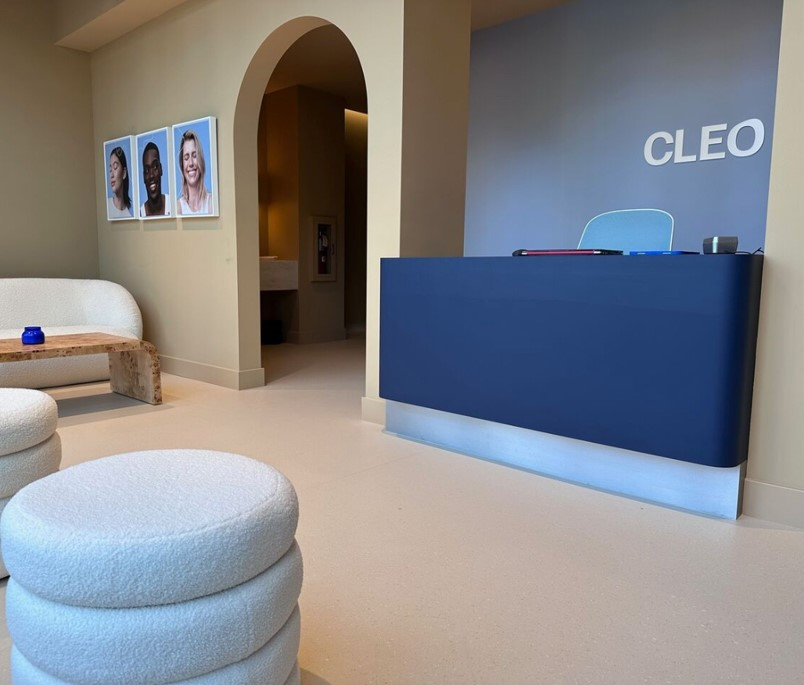
With Cleo, first and foremost, love the team. [Co-founder] Amber [McMillan] is from the world of fitness, and [co-founder Brian DeRosa] is from finance. Fantastic teams, in our opinion, are super passionate about solving a problem and uber paranoid about how you can lose her dollar. They obsess about customer service, making sure the experience is right.
We’ve seen a lot of the med-spas in New York City and LA, but Cleo is headquartered in Minneapolis. Is it cheaper and better unit economics? Sure, but they’re more empathetic to the consumer who maybe isn’t on Fifth Avenue. They could do very well going from the Minneapolis to the Milwaukees, Nashvilles, Syracuses.
What’s your take on the IPO market and its downstream effect on consumer?
People will point out that consumer hasn’t really had a lot of big IPOs or they’ll talk about Allbirds. Eighty-seven percent of companies that are $100 million-plus are private, and there’s 30% less publicly traded companies now than there were in 1999.
Yes, we need IPOs, and we’ve had them in the past with Peloton, Warby Parker, Casper, and we did make good money on Casper, but we see the future being strategics. M&A is up in health and beauty. It’s hard for publicly traded companies to innovate. That’s why Unilever just hired a new CEO, their third in six years, and they have a ton of money on the balance sheet to buy these companies.
Transactions between $2 billion and $10 billion were way up. We see a great sweet spot between $250 million and $750 million. Some funds raised a lot of money, and therefore can’t take advantage of the opportunity of a $500 million exit. In 2022, we had a $410 million exit. We made 10X in four years. We had to deal with QSBS [qualified small business stock].
I think we’re going to see a lot of that going forward. If you show that you can build a viable brand that people want and get some level of scale, it could be $20 million to $50 million, it doesn’t have to be a billion-dollar brand, but with strong repeat purchases, strong gross margins, some level of fandom, you’re going to be taken out for a healthy multiple.
In the IPO market, the queue is long. We have one company that is waiting for the winds to be perfect, but you get a tariff here and there or something else and all of a sudden category multiples go down, and it’s like, now’s not the time. There’s trepidation, but VC funds can do very well without a ton of IPOs. There’s a lot of strategics, and we’re quite happy if our companies wind up being sold to them.
What areas are you digging into now for future investments within the consumer realm?
We are just about to green light an AI-inspired vitamin supplement company. What takes a big established company 24 to 30 months to come to market, we can do in 120 days using AI.
We’re seeing a lot in ingestible beauty. People realize what’s in our body affects how our looks. We’re seeing a lot in menopause because we’re seeing entrepreneurs that aren’t necessarily 26-year-old tech bros out of Google. We’re seeing a lot with men’s and longevity. We’re seeing new categories emerge like hand care.
We’re seeing an uptick in health and beauty entrepreneurs over the past four months. There was a bit of a dead period last year.
Tell us more about the uptick in health and beauty entrepreneurs.
What has been absolutely awesome over the past four or five years is we’re seeing more normal people creating businesses. Since 2017, we’ve seen the rise of the 1099 economy and side hustles. That’s going to be the No. 1 job soon. More people have gotten sick and tired of corporate America.
Since September, we’ve seen a 330% uptick in corporate people from Estée Lauder, Kenvue, PepsiCo, Colgate starting brands. The average age of the entrepreneur in this fund versus our last fund is 6.8 years older. We’re seeing impressive founders that don’t necessarily come from Stanford or the Ivy League. They’re living in places like Scottsdale, Pittsburgh. You don’t have to be in New York, LA, San Francisco.
They’re thinking, why can’t I create a company here, and why do I need thousands of people and raise all the capital when you can do co-packing and have shared resources? AI is going to be helpful with the ability to start companies with less capital. The cost of starting a company has been coming down.
Not everything has to be VC-backed and ring a big bell, but it could be a viable proposition that throws off capital. Or, ideally, we’re going to back them, and they hit it big, and the Unilevers, Estée Lauders and LVMHs of the world have to buy it.
How many investments will you make this year?
We made investments in two new companies and followed on with three. We’re in final stages with one or two. Probably less than normal this year, we usually like to do six a year. We have a couple of SPVs, which are unique for us. We have money deployed. That’s not the problem. I’m not seeing stuff that I really want to be in or we’ve gotten pickier.
The quality of entrepreneur we’re seeing is better than what we had seen certainly in 2022 and 2023, where there wasn’t as much deal flow activity, and a lot of entrepreneurs were trying to hold their head above water hoping down rounds would go away.
What’s the bar for an early-stage company to catch your eye?
We have a 71-point criteria scorecard, but it basically boils down to a couple key areas. What’s going on in this category? Has there been a lack of innovation? Are there incumbents that have just been cashing checks? Gillette had 81% market share before Harry’s came along, and we saw a great opportunity there.
Is there some brand DNA that’s built inside the proposition that’s differentiating? Peloton was a sexier bike than its competitors. Harry’s had a craftsman take versus Gillette that looked like this 1980s Voltron tech thing on that side. Casper had an ability to get a mattress in five or six days versus 10 weeks.
Are there strong gross margins? Is there a strong repeat rate? Is there a level of fandom that’s palpable and identifiable? And was that achieved by marketing steroids or organically? And they have higher NPS [net promoter] scores that help them scale. If you look at our best investments, their NPS scores were above 72.
I love AI, but what does AI enable you to do to win a better relationship with the customer? It’s not AI itself.
Do you think the next brands are going to launch on Amazon right away?
Take a step back. Eighty-five percent of all things we buy are in physical retail. Of the 15% that’s left, Amazon gets a third of it. What they do really well is logistics. They can be pretty good with margins versus doing your own DTC business. The other thing is TikTok brands over index on how well their DTC and Amazon do.
We weren’t sure how much TikTok was going to sell for Hally. We wanted to find 100 to 150 affiliates to help, and we had 400 applications. TikTok chopped it up, and for the next two to four weeks, brand awareness went up, Amazon sales went way up, DTC went way up, Ulta reported better sales. You have to be aware of where your consumer needs you.
I don’t know how many from-scratch Amazon-only brands are going to make it big. Amazon is pretty demanding. You don’t get all the data to serve customers on there. So, there’s a way to make money on it, but I don’t know if it can be a breakout.
If you own a certain channel, you can show progress in another one and another one. With all the resources it might take to do an Amazon brand from scratch, can you go outside of that and have success, too? That’s where the pressure comes. As an investor, I probably wouldn’t love that much, but you can absolutely start a successful company.
What predictions do you have for the early-stage investment landscape this year?
Things are going to feel more positive. You’re going to see a healthy dose of M&A continue. There’s going to be a couple consumer IPOs that we’re going to be cheering about. I think we’re going to see interest rates drop. That’s going to be a psychological unlock.
When Christmas campaigns launch on Oct. 1, we could see some good spending, but, by the way, you’re going to see more credit card default. It’s the barbell going on.

Leave a Reply
You must be logged in to post a comment.