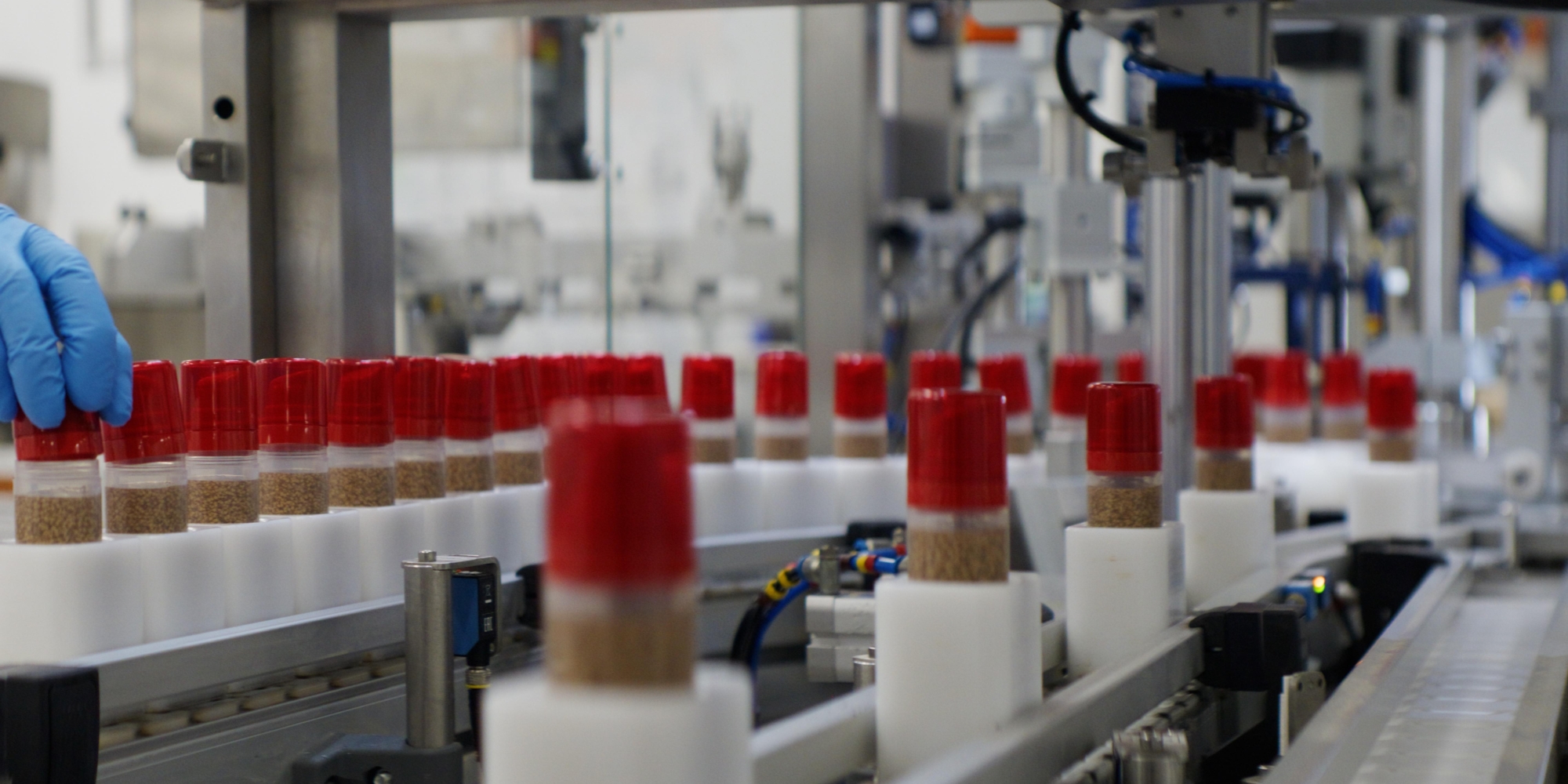
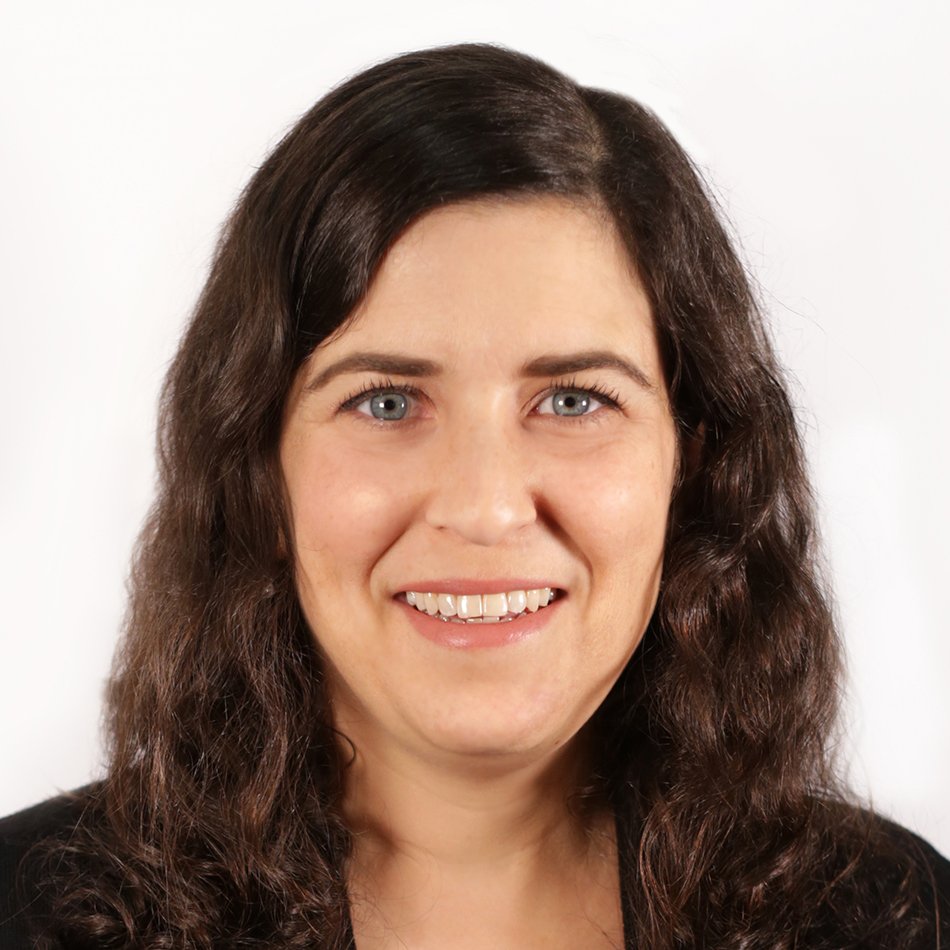
French contract manufacturer Capsum has acquired beauty product development and innovation consultancy KKT Labs and named founder Krupa Koestline CEO of its operations in the United States as it seeks to accelerate growth in the American market.
Terms of the deal weren’t disclosed. Under Koestline’s leadership, Capsum CEO Sébastien Bardon projects the company could quadruple its U.S. revenue to reach $70 million to $100 million within the next four to five years. Capsum opened a solar-powered, 120,000-square-foot manufacturing facility in Austin in 2021. Worldwide, the company generated approximately 70 million euros, or about $80 million, in revenue last year and, according to Bardon, has higher profitability than its competitors.
“We’re going to be more connected to the U.S. business, and it will be easier for brands to talk to us. I’m sitting in Paris, and I try to be in the U.S. a lot, but that’s not enough to support the client the best,” he says. “Then, the way Krupa innovates is very complementary to the way we innovate. We tend to innovate through the manufacturing. We focus a lot on the sensoriality of the product, and she’s more of a biotech person, focused on active ingredients and delivery systems.”

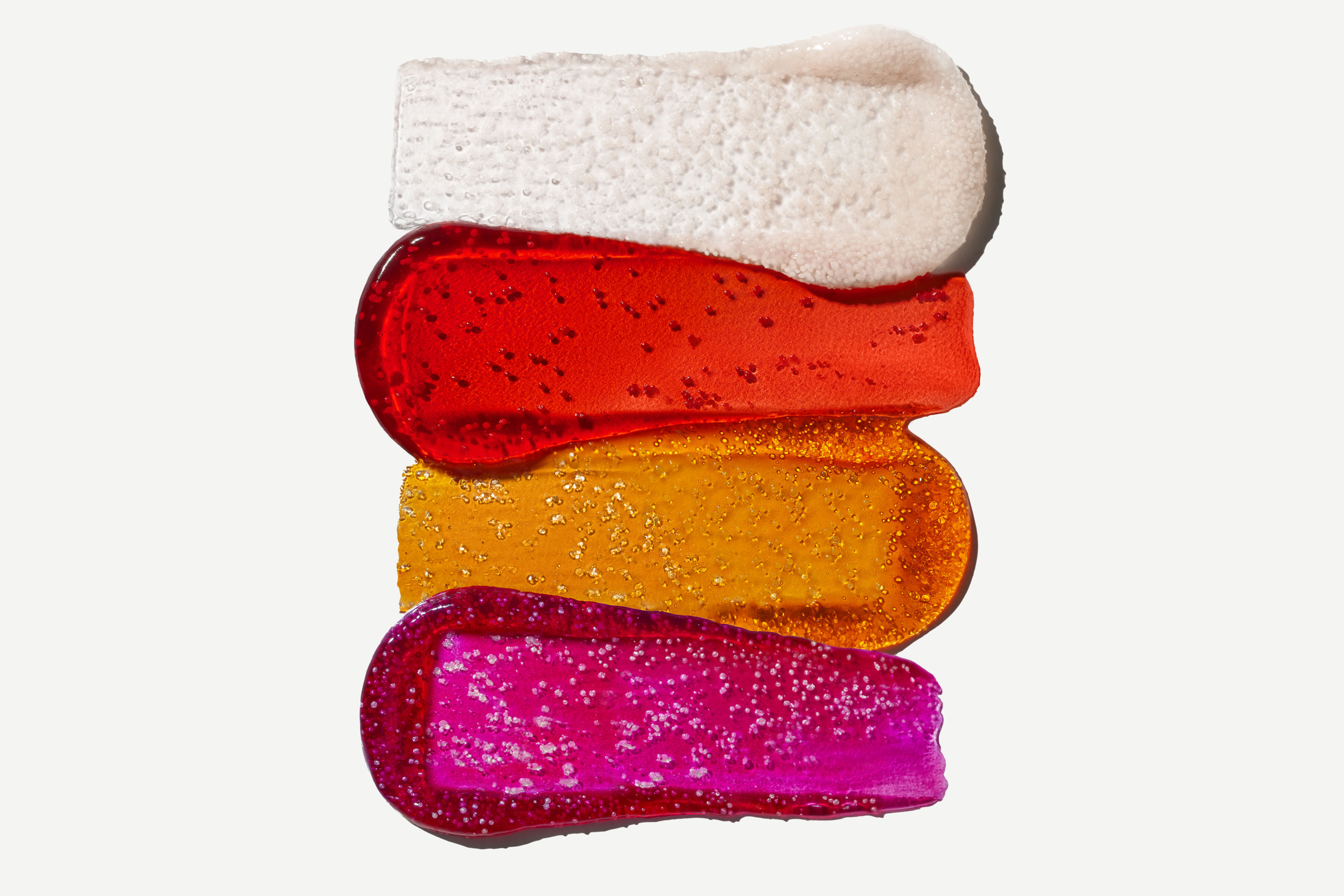
Koestline believes Capsum is well positioned to help brands develop differentiated products rather than rely on me-too releases. The company specializes in microfluidics, with 60% of its business in skincare and 40% in hybrid makeup, but Koestline foresees it increasingly branching outside of those areas. She also names body care, haircare and sun care as opportunities.
“The next generation of beauty isn’t going to be about putting niacinamide and vitamin C together and saying it’s a proprietary complex,” she says. “The next generation is going to be about, ‘This is something no one else can make because we own the technology.’”
“We’re going to be more connected to the U.S. business.”
Three scientists, including Bardon, founded Capsum in 2008 to advance the use of microfluidics, a technology that precisely controls tiny amounts of liquid to produce encapsulated ingredients and novel formulations, in cosmetics. The company’s website states it employs 300 people, holds more than 120 patents and has averaged 17% year-over-year growth over the past five years. Among its customers are Meaningful Beauty, CoverGirl, Farsáli, Iris&Romeo and Mantle.
Private equity has been active in the beauty manufacturing sector as investors move to enter the beauty industry in a way that diminishes single-brand risk. Capsum is in the midst of exploring strategic options and is likely to sell to a private equity partner. Bardon expects the process to conclude within a couple of months.
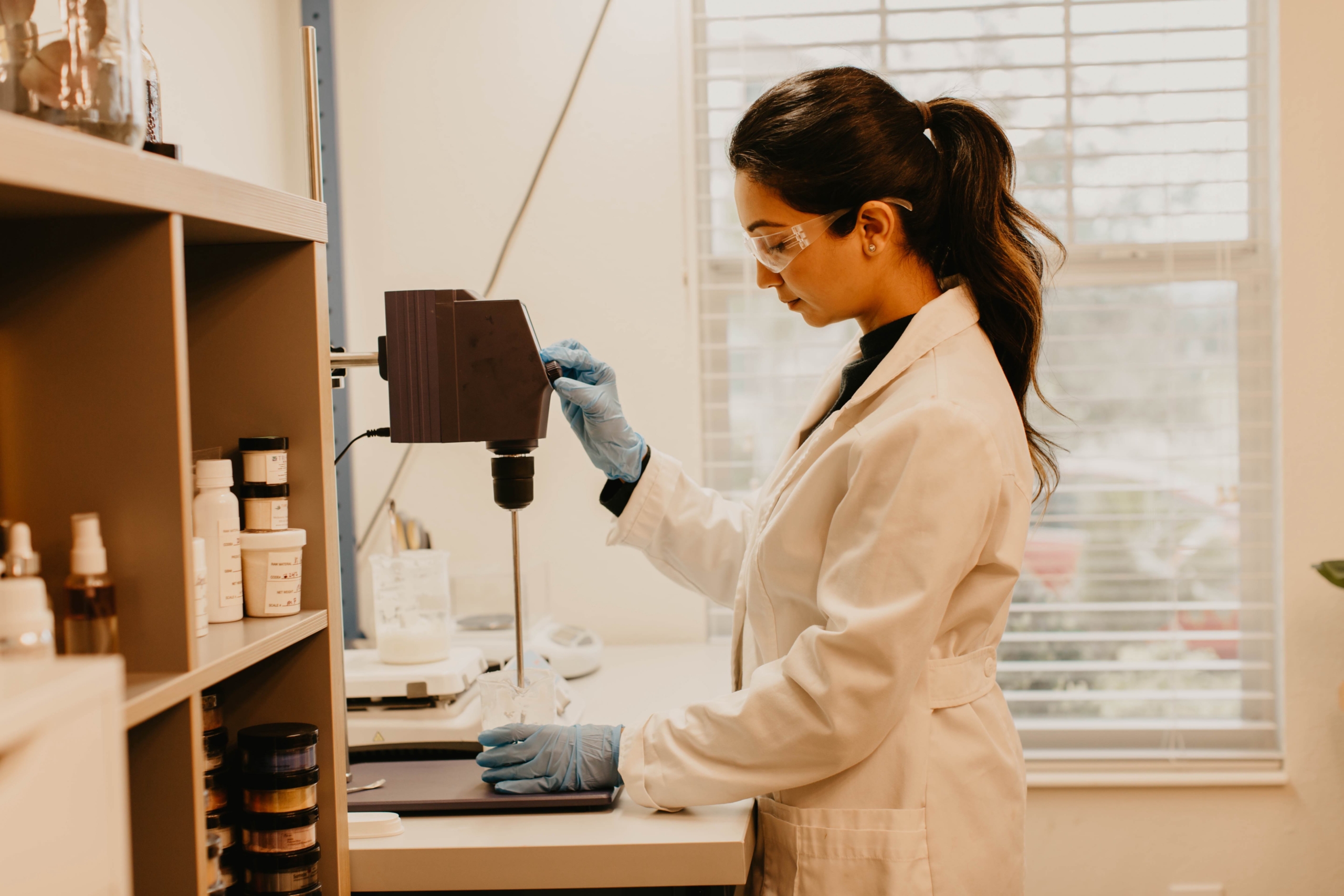
Koestline founded Orlando-based KKT Labs in 2020, when it was largely known for serving a growing crop of emerging clean beauty brands. Since then, its client roster has matured with the beauty industry, with around 50 brands big and small. On its site, KKT Labs lists Kopari, Everist, Credo and Caldera Lab among its clients. Koestline reports its business was up 40% in the first quarter this year from the same period last year.
Koestline, who’s relocating to Austin, emphasizes the services KKT Labs provides clients today won’t change as a result of the transaction. The firm is retaining its current seven-person team and assembling a team in Austin. It had planned to open a 16,000-square-foot facility in Orlando, but those plans have been shelved in favor of strengthening its presence in Texas. KKT Labs’ clients will have the option to manufacture their products with Capsum, although they won’t be required to do so.
“I can provide the transparency that is very hard to get from a contract manufacturer these days.”
Koestline is intent on guiding Capsum in the U.S. with an eye toward the needs of indie beauty brands. At KKT Labs, she saw from the other side of the business what indie beauty brands experienced with their manufacturing partners. Capsum’s minimum order quantities in the U.S. run largely from 5,000 to 10,000, but they’re determined on a case-by-case basis.
“I don’t want to run a traditional contract manufacturing facility. It’s a very hard business to run. What I’m looking to do is create a contract manufacturer with soul,” says Koestline. “I know that I can provide the transparency that is very hard to get from a contract manufacturer these days. I can service brands no matter what size they are and be a development partner to them.”
KKT Labs’ deal with Capsum came together quickly after Koestline and Bardon had a phone call in February initially because Koestline was soliciting investment to expand the firm. Already thinking about strategies to accelerate growth in the U.S., Bardon thought it was a better idea to acquire KKT Labs than invest in it. However, Capsum has previously invested in and incubated startups such as artificial intelligence-powered formulation platform The Good Face Project, precision indoor farming venture Næmos and botanical ingredient company Orius.
Further acquisitions could be part of Capsum’s future as it extends its global footprint. Bardon says the company has set its sights on $200 million in revenue.
“More and more, you need to be playing on three continents,” he explains. “I think the next phase of Capsum is going to be to grow in China, in Korea and in Japan because we see global clients now want to secure their supply chain by big regions.”