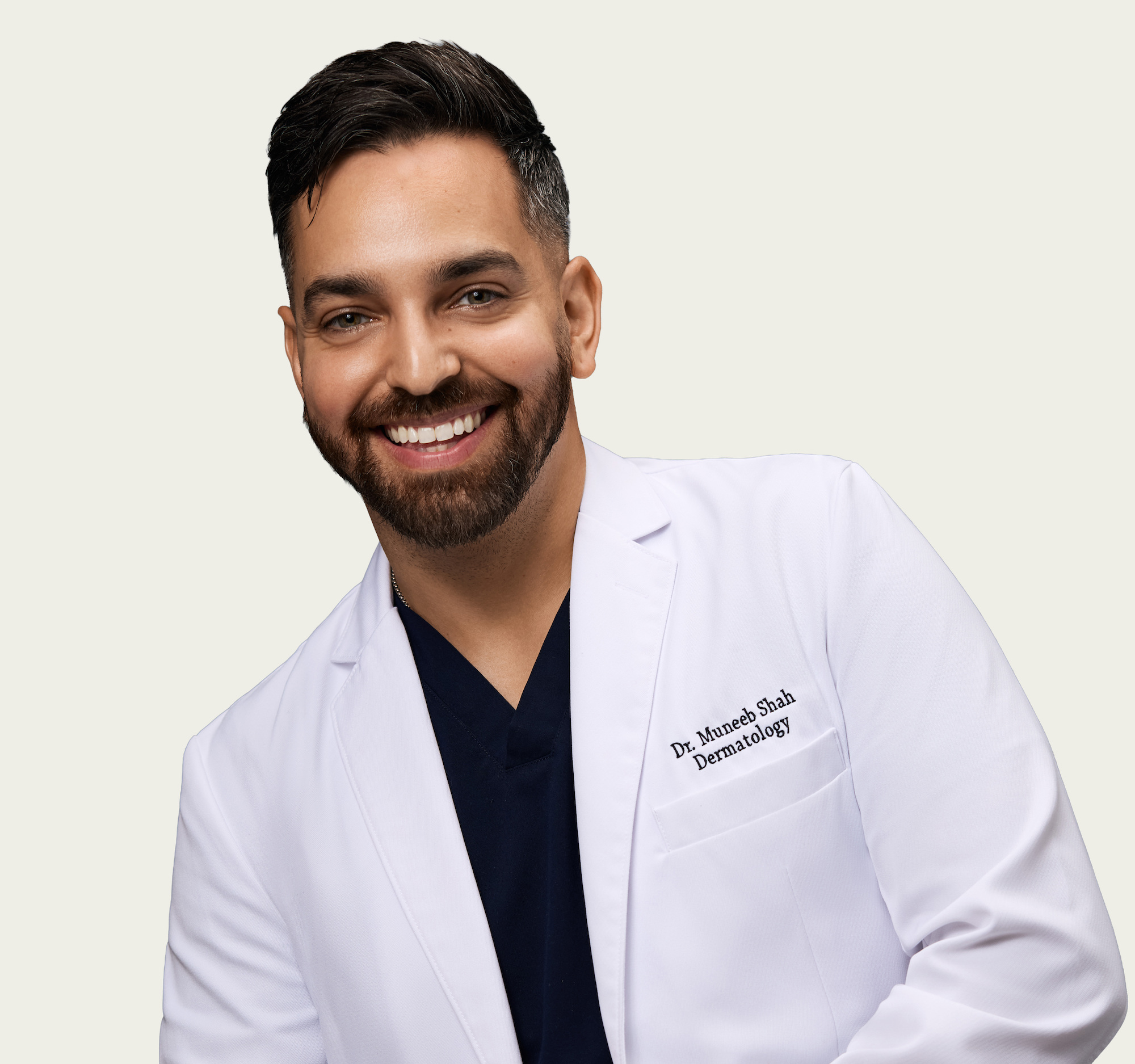
Dr. Muneeb Shah’s Remedy Raises $20M Series A Round As Investors Double Down On Clinical Skincare
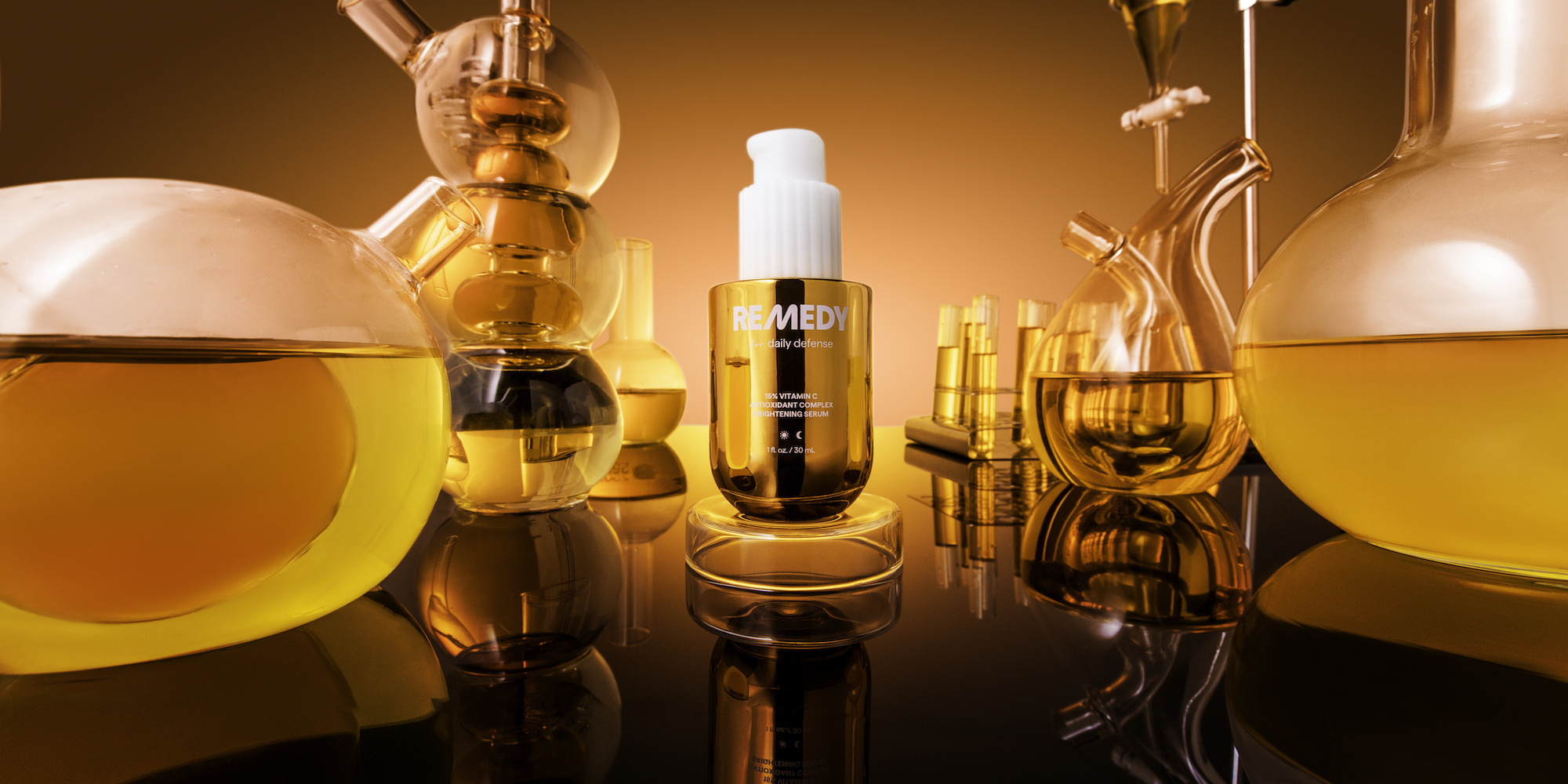
The doctor is clearly in with beauty investors, with the latest evidence being dermatologist Muneeb Shah’s skincare brand Remedy securing a $20 million series A round led by consumer investing giant L Catterton.
Existing investor Norwest Venture Partners and new investor Sonoma Brands joined L Catterton in the round. The investors were drawn to 2-year-old Remedy’s performance—it’s been profitable since year one and is on track to hit $50 million in sales this year, according to Shah—as well as its position in a relatively underserved segment of the market, bringing clinically grounded skincare to mass retail. Shah’s social media audience was another attraction. He’s amassed more than 21 million followers across TikTok, Instagram and YouTube, giving Remedy a built-in audience that few emerging skincare brands can match.
Unlike many of the pricier doctor-founded brands attracting investment, Remedy is available at Target, where it rolled out nationwide in December, and has significant room to expand in mass retail. Shah says the buzz around the brand’s Target launch helped connect him to L Catterton. Remedy is sold on Amazon and TikTok Shop, too. Among its bestsellers are Remedy for Dark Spots, Remedy for Pore Size and Remedy for Healthy Aging, all priced from $25 to $35.
Remedy’s funding comes amid a string of investments and acquisitions involving doctor-founded and science-backed skincare brands, including Bridgepoint’s $460 million purchase of Obagi Medical, L’Oréal’s roughly $1.1 billion pickup of Medik8, Estée Lauder’s investment in 111Skin, KYT Group’s acquisition of Glow Skin Beauty and Newmedical Technology’s purchase of clinical skincare brand Derma Made. The activity illustrates investor confidence that brands with clinical authority will ultimately yield exits at premium valuations. According to an analysis by XRC Ventures last year, science-backed skincare brands have traded at 5x to 6x revenue multiples over the past five years, roughly 20% higher than their non-science peers.
“Clinical is really where the consumer’s looking more than ever across everything, whether it’s haircare, skincare, body care,” says Shah. “People want to see real efficacy. They want clinical studies. They’re demanding more than ever, and I think brands need to step up to meet consumers where they are.”
Remedy also sits at the intersection of another trend attracting investor attention: masstige skincare. Positioned between mass and prestige, the segment has been among the industry’s fastest-growing, with brands like Byoma and Good Molecules securing investments from Bansk Group and Aria Growth Partners, respectively. E.l.f. Beauty’s acquisition of Naturium further underscored strategic interest in clinically positioned skincare brands sold through mass retail.
The downside of investors’ enthusiasm for clinical skincare is that it could create a bottleneck of skincare brands seeking exits around the same time. At L Catterton alone, the portfolio houses several skincare brands such as Irene Forte, YISE Beauty and Eighth Day. Still, L Catterton partner Tehmina Haider suggests Remedy is a standout brand that will help define the future of dermocosmetics. L Catterton is backed by Louis Vuitton Moët Hennessy and Groupe Arnault, the family holding company of LVMH chairman and CEO Bernard Arnault.
In a statement, Haider says, “The brand’s rapid growth reflects deep consumer demand for affordable, clinically grounded skincare, and we are thrilled to partner with the Remedy team on their next chapter.”
Remedy is putting its fresh capital toward clinical research, product development and organizational capabilities. Shah expects L Catterton’s experience scaling consumer brands to be valuable as the brand grows.
While direct-to-consumer sales account for the majority of Remedy’s business, retail is gaining momentum. The funding will allow the brand to broaden its skincare assortment and deepen its presence on shelves. Shah identifies sun care as a natural expansion opportunity.
Shah says, “We’re starting as a smaller platform, but we really see ourselves as really trying to solve all patient needs as the business grows.”
Unlike many doctor-founded brands, Remedy isn’t planning to enter dermatology offices despite interest from physicians. Due to its mass-market pricing structure, Shah says the economics don’t make sense. Instead, the brand has used dermatologist offices as an awareness channel through sampling. It exhibited at the American Academy of Dermatology this year to forge relationships with physicians who can recommend its products.
TikTok Shop was an obvious choice for Remedy given Shah’s massive social media following. However, he admits profitability on the platform remains elusive. He explains that if Remedy’s TikTok Shop business became too large, the contribution margin would “crush” the rest of the business. As of now, it’s sold over 200,000 units on TikTok Shop.
Shah says, “I don’t really know any brands that are first-order profitable, especially at our price point.”
The platform, though, ignites a meaningful halo effect. “It’s an important channel and we really believe in the channel because we know that the halo exists, even though it’s hard to measure,” says Shah. “We know it’s real, especially if you have products that people will repurchase and you have a belief that with your distribution that people will buy the product once and find it somewhere else.”
Click here to secure Early Bird tickets to Dealmaker Summit happening November 9 & 10 in London.