
With two-thirds of American consumers living paycheck to paycheck, a $200 facial cleansing device is a luxury few can justify. Something under $30, though? That might actually make it into the cart.
That’s the thesis behind Foreo For EveryOne, a new sub-brand from the 12-year-old beauty tech company Foreo Sweden priced at $12.99 to $39 and designed for gen alpha and gen Z, shoppers who report higher anxiety about job security and a far gloomier outlook on the economy than their older counterparts. The sub-brand has rolled out to more than 7,000 retail doors in North America, including CVS, Ulta Beauty, Shoppers Drug Mart, Saks Fifth Avenue, Neiman Marcus and Macy’s, and online at Nordstrom’s marketplace and Well.ca.
Foreo expects the affordable line to represent 15% to 20% of its sell-in revenue this year and to jump to approximately 40% of sales next year, says North America GM Evan Feldstein, growth that would make it one of the company’s two biggest businesses alongside FAQ Swiss, its upscale device brand established in 2021. FAQ Swiss’s red light masks retail for $499 to $1,099, while its hair-growth red-light device runs $299 to $499. Foreo’s flagship-line customers typically range from their 20s to 50s.
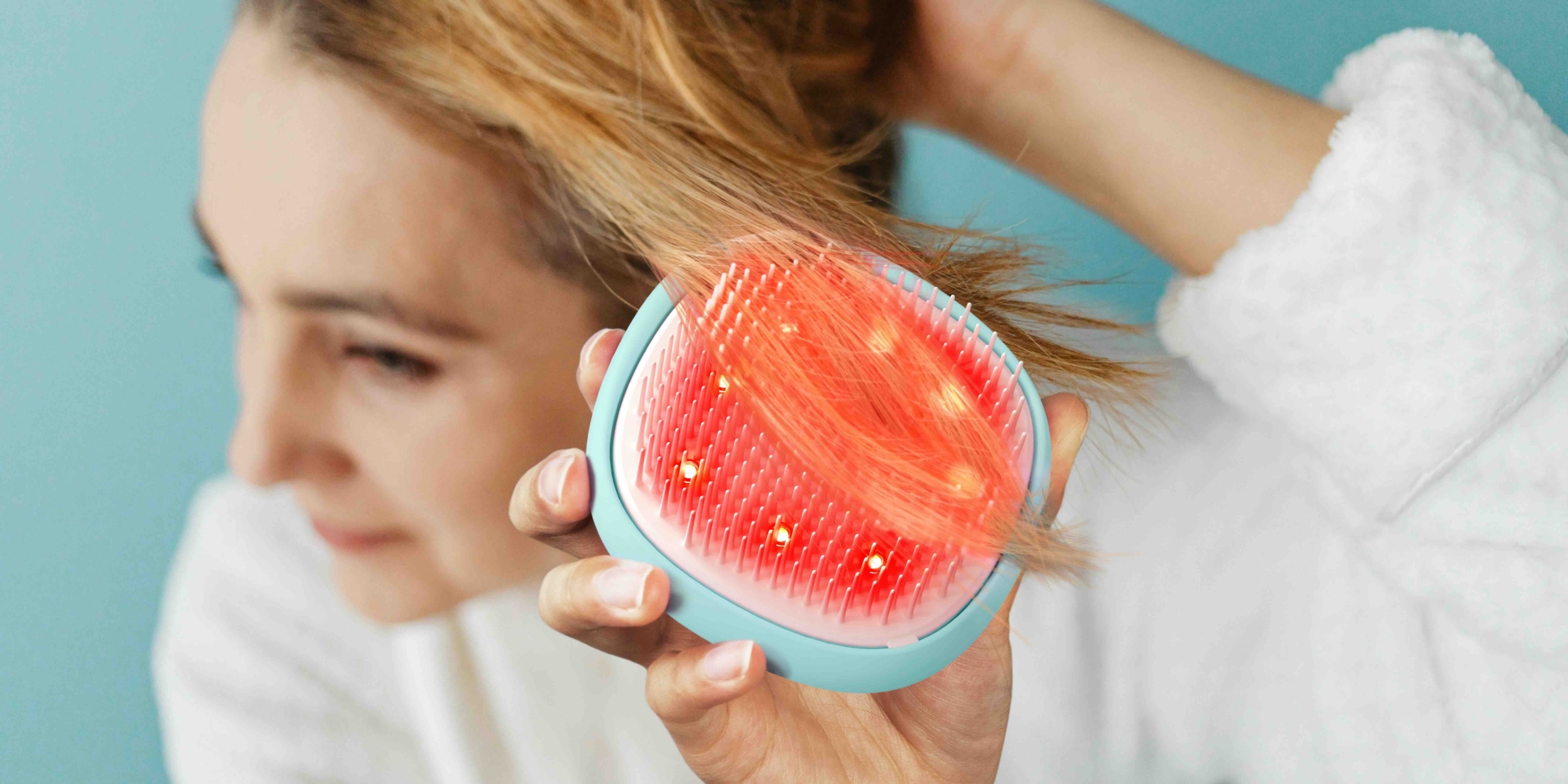
Foreo For EveryOne launched with eight products, including two devices—the Luna 4 Play Smart silicone facial scrubber and the Flip Play red-light hairbrush—priced 80% to 90% below comparable devices from Foreo’s legacy line. The devices are simplified versions of Foreo’s higher-end tools, with pared-back features and streamlined functionality that help bring the price down. The sub-brand’s name nods to Foreo’s original meaning, “for everyone,” a mission Feldstein says the company is making explicit.
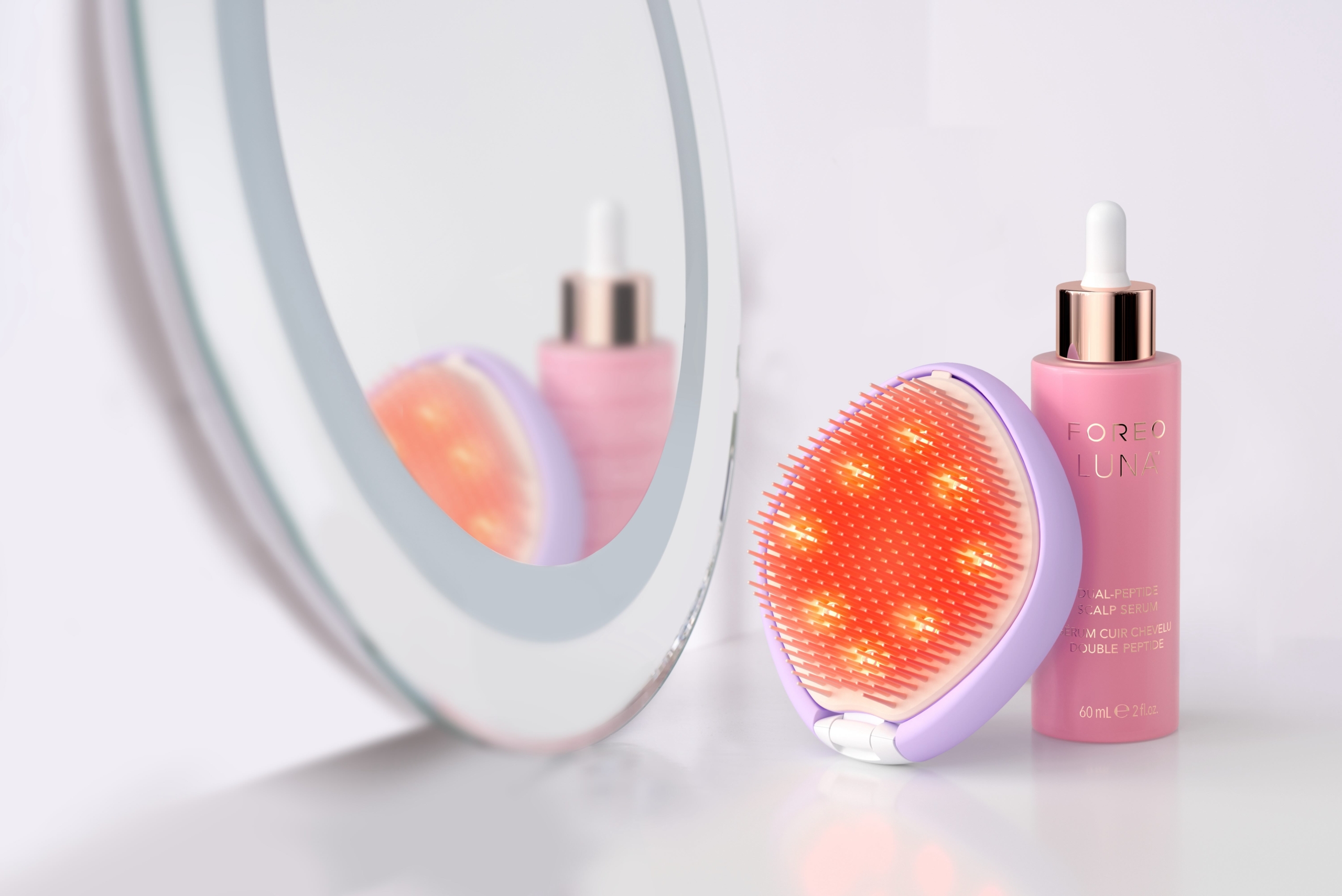
The Foreo For EveryOne assortment is rounded out with a serum, moisturizer, cleanser, lip treatment, eye balm and pimple patches. That Saks Fifth Avenue and Neiman Marcus merchandise the line beside FAQ Swiss underscores a reality of the moment: even luxury shoppers are prioritizing value.
Dealing with the tall task of convincing strained consumers to spend on discretionary items, retailers have prodded Foreo toward lower prices. The calculus has changed since 2018, when the company tested a $39 travel-size Luna and retailers at the time worried it might cannibalize the pricier version.
Today, with inflation and tariffs squeezing consumers, Feldstein says retailers across channels have been “very transparent” that $19, $29 and $39 price points are what’s working, and that the $400 devices they once championed have become harder to move. Foreo’s consumer surveys echo that behavior, with shoppers indicating interest in lower-priced versions of products like the Luna and the UFO masking device.
“In the K-shaped economy, the really wealthy are doing great, and the rest of society maybe not,” says Feldstein. “There’s still a significant market for people willing to spend $800 on a facial mask. We’ve positioned ourselves to try and target three different demographics.”
“What we want to be is honest and transparent and try to provide value because we understand that times are difficult.”
But courting a younger, value-driven consumer requires Foreo to replace the higher-volume dollars it risks losing as some shoppers step down from mid-tier products. So far, that strategy is working. North American sales are up more than 20% year-over-year, according to Feldstein. Three-quarters of sales are from retail and e-tail, the professional beauty channel and television shopping sources, with Amazon the single biggest source.
At the affordable end of the market, Foreo faces competition from several players such as Vanity Planet, Spa Sciences, Solawave and PMD. They’re chasing growth in a beauty device segment that Research and Markets projects will increase from $7.76 billion in 2024 to $12.56 billion by 2030, an annual growth rate of 8.4%.
Diffusion brands or lower-priced offshoots of high-end labels have been around for decades, pioneered by fashion houses like Marc Jacobs, DKNY and Armani. They give brands access to broader audiences and create a pathway for younger consumers to ladder up to more expensive items as they gain purchasing power.
But the approach isn’t without risks. Diffusion lines can dilute the parent brand’s positioning and drag companies into price competition with commodity brands in order to maintain share. Goop’s closure of Good.Clean.Goop, a sub-brand it sold at Target, illustrates that a diffusion line without a deft touch can be doomed.
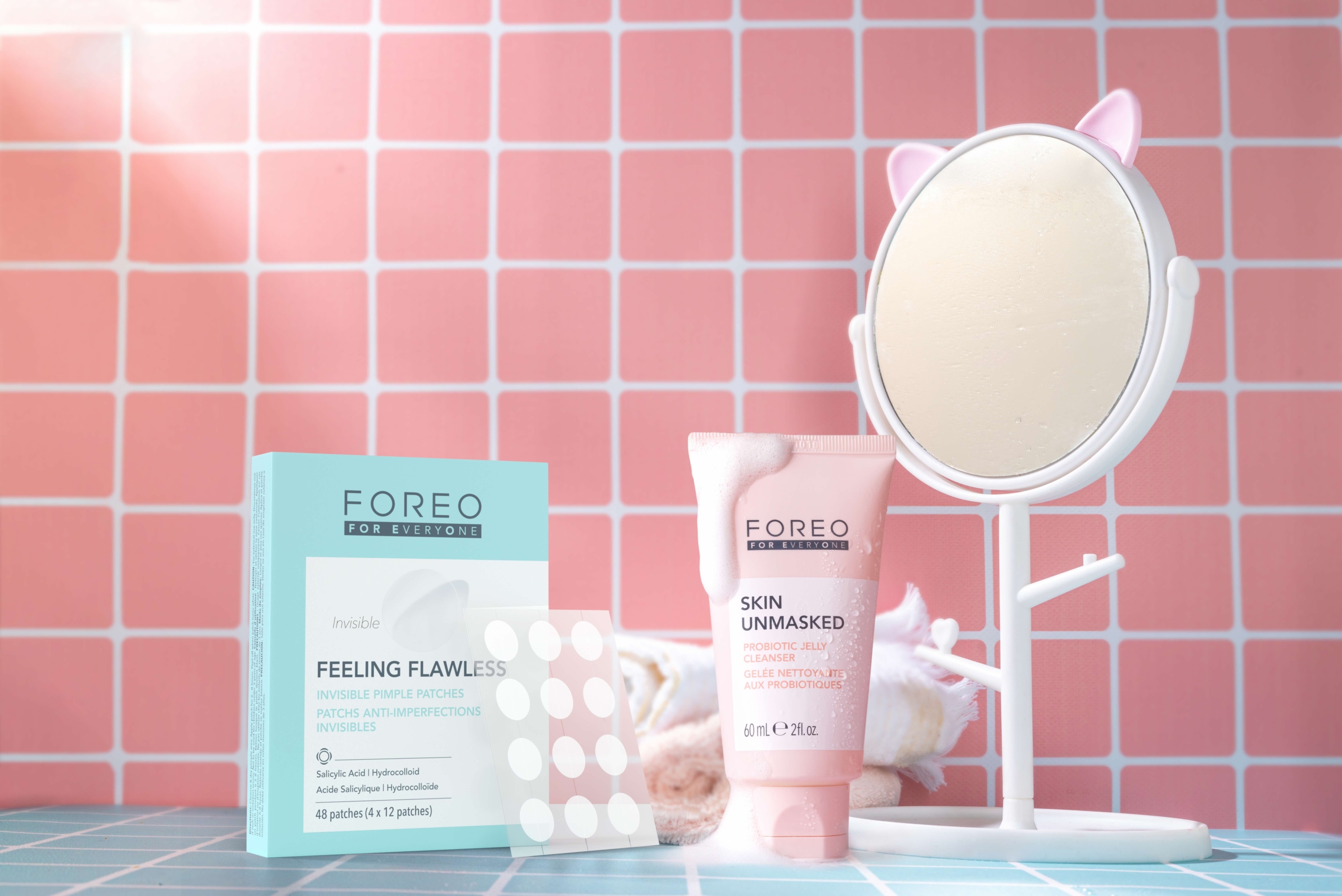
In the beauty industry, it’s no surprise that companies are introducing sub-brands now. They’re a response to economic insecurity and a way to reach younger consumers whose priorities differ from those of older shoppers. Along with price, Feldstein mentions Foreo has discovered gen Z consumers respond to vibrant packaging and variety. The company releases about 20 new products per year, roughly a dozen of them devices, to offer variety and build a wardrobe of devices for consumers who like to switch up routines.
Variety has also been a tactic to keep customers returning to Foreo products. Replenishment is notoriously tricky for device brands that don’t specialize in consumables. Feldstein notes the company’s devices typically last five to seven years. Foreo For EveryOne’s non-device products serve as important repeat-purchase triggers. Out of the gate, the sub-brand’s pimple patches have been strong performers.
In 2026, Foreo For EveryOne is slated to launch a collection of circular LED panels priced at $59. By July, the panels are slated to hit 1,700 retail doors in the U.S. and a couple hundred more in Canada. FAQ Swiss will sell larger panels. Supplements will enter FAQ Swiss’s selection in 2026, too, and Foreo For EveryOne will subsequently venture into supplements. Foreo’s oral care, another proof of its variety, will be spotlighted in FabFitFun.
In a market where younger shoppers are counting every dollar and word about underperforming products travels fast, Feldstein believes Foreo’s future depends on keeping both value and performance front and center. “I think what we want to be is honest and transparent and try to provide value because we understand that times are difficult,” he says. “That’s exactly what Foreo For EveryOne was meant to address.”



Leave a Reply
You must be logged in to post a comment.