The Indie Beauty Brands Driving The Biggest Search Growth This Year, According To Spate

With Amazon and TikTok Shop reshaping beauty exploration this year, consumers have been chasing indie brands that blend value with trend relevance, lifting both obscure and long-standing companies when a product hits the right price and moment.
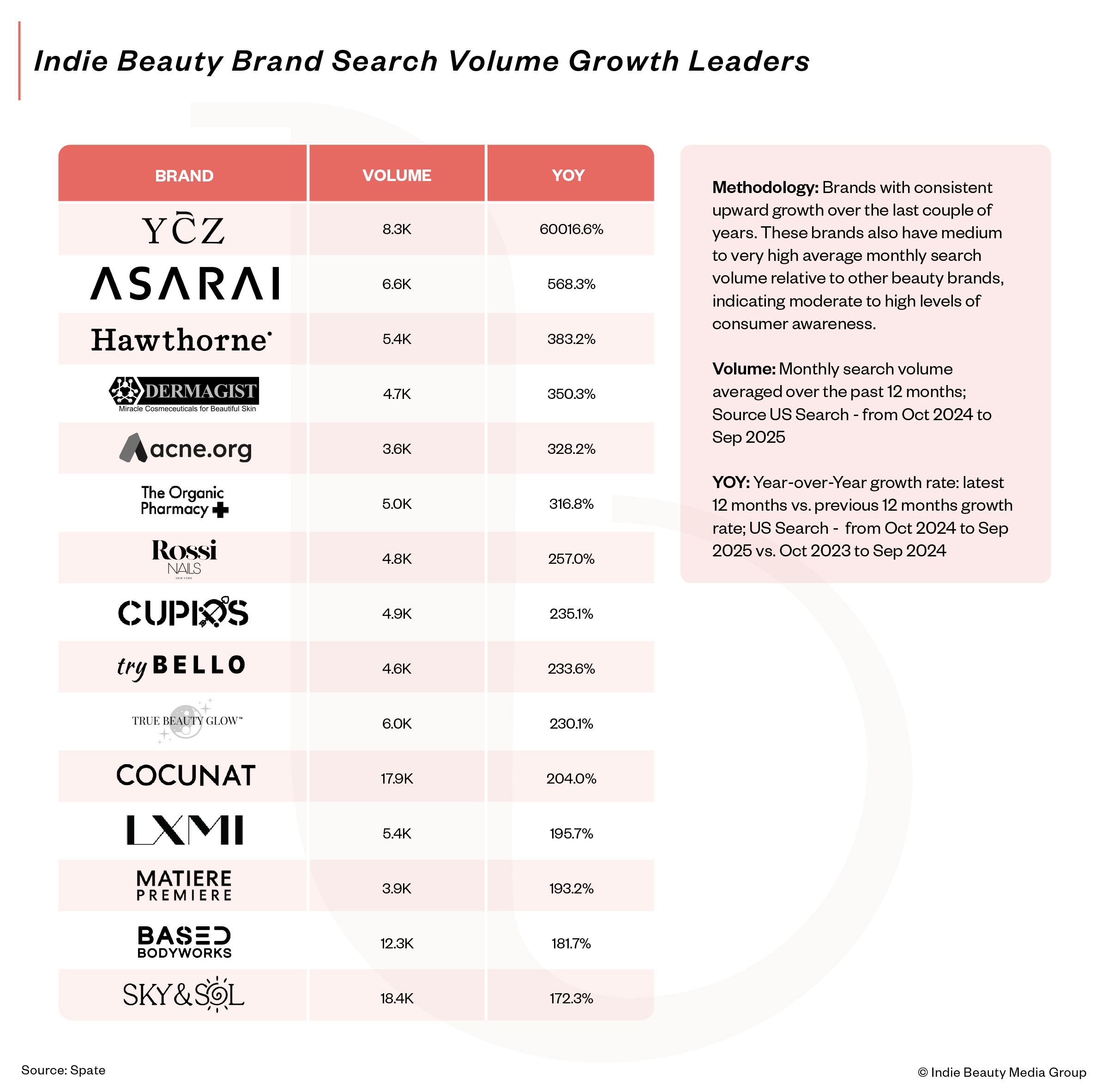
That dynamic is visible in market research platform Spate’s latest data on the indie beauty brands with the fastest-growing search volume. The brands posting jumps, including bargain men’s fragrance sellers and revived clean beauty veterans, are propelled by a standout product, ingredient or price positioning on Amazon and TikTok Shop.
Jenny Zeng, beauty insights analyst for Spate, says, “The latest wave of rising brands points to growing consumer curiosity around sensorial and results-driven routines. Search data highlights interest in specialized self-care categories, from targeted treatments like Dermagist neck cream and Acne.Org face wash to niche fragrance discovery with brands such as YCZ and Hawthorne.”
She adds, “At the same time, functional indulgence is emerging as a unifying thread: searches like ‘cocunat curls’ and ‘Based texture powder’ show how consumers are seeking efficacy that feels elevated, pairing performance with a sensory edge.”
Together, these shifts set the stage for the distinct breakout movements fueling indie beauty this year, beginning with one of the most divisive ingredients to dominate 2025.
Tallow Micro-Trend
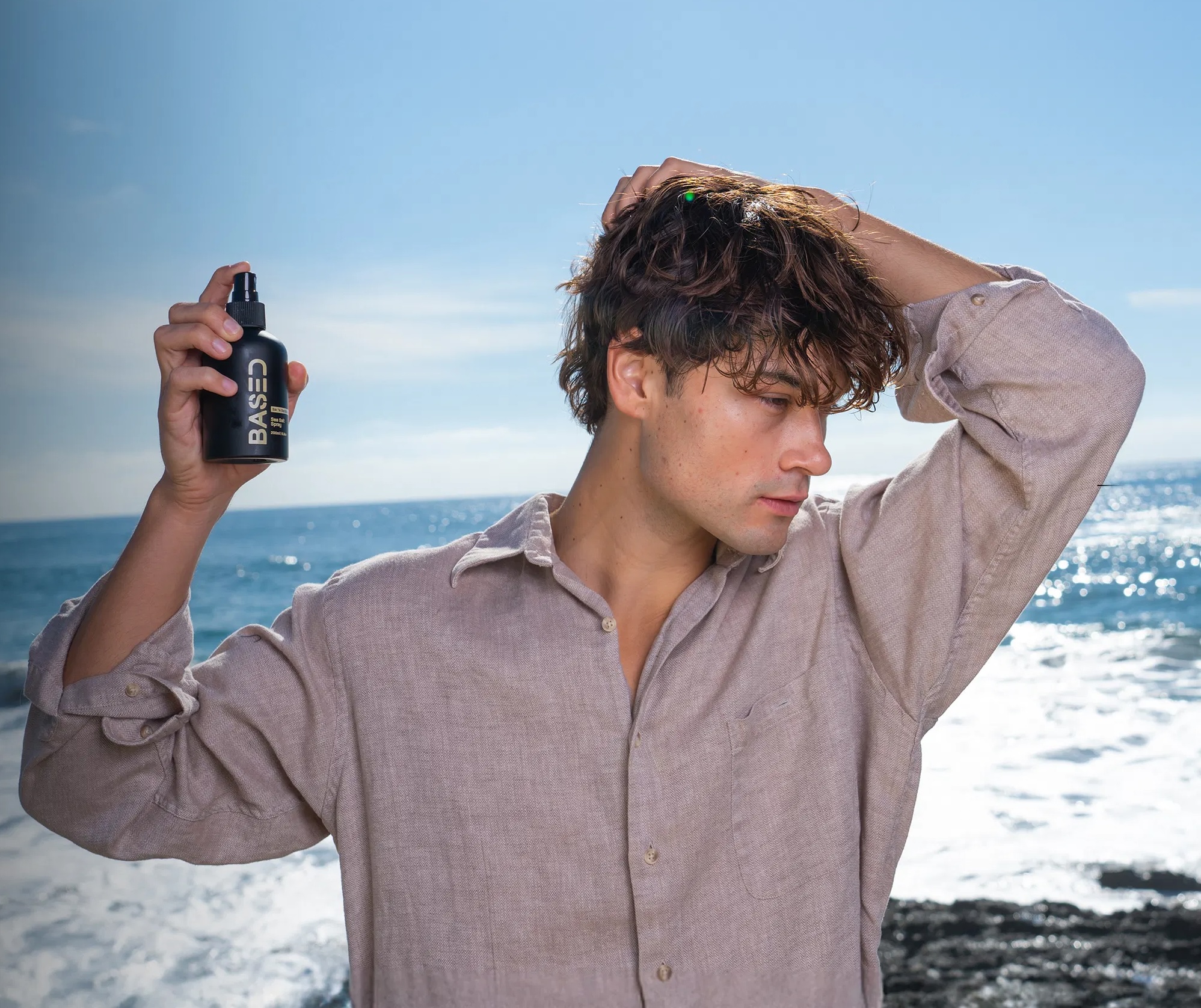
2025 might be remembered as the year that beef fat became the beauty and food equivalent of Robitussin, being used for everything from fries at Steak ‘n Shake to Primally Pure’s mineral sunscreen, even when it didn’t make sense. Spate’s data on the most-searched indie brands reflects tallow’s 2025 triumph, with Based Bodyworks and Sky and Sol squarely in the tallow trade.
Still, Zeng says not a ton of brands are popping up with significant search or social traction affiliated with tallow. For the four-week period ended Oct. 26, tallow-associated branded hashtags of note were #terralotus (743,300 views), #primallypure (121,100 views) and #basedbodyworks (67,800 views).
Going beyond tallow, Based Bodyworks has tapped into other trendy products for men such as hair texturizing powder. In its year-in-review report, Spate explains the brand has garnered top views for educational videos on products addressing specific concerns. The firm says it “often works with male creators who produce short, straightforward content to drive interest. This approach, along with terminology like fluffy instead of volume, helps the brand speak more clearly to this audience.”
Budget colognes
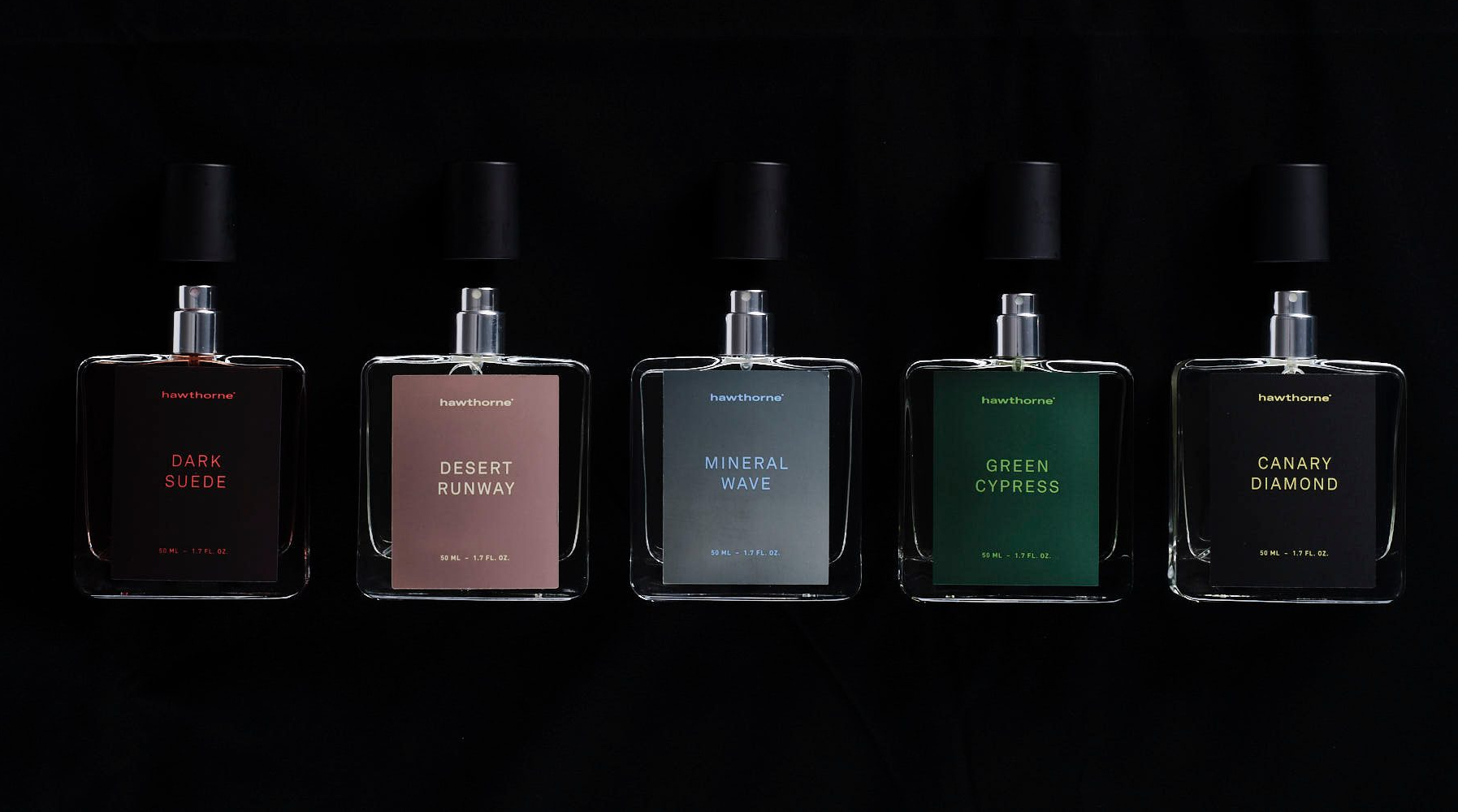
Consumers’ interest in indie fragrance brands is clear from Spate’s search volume data, with Hawthorne, Matière Première and Cupids representing a class of fragrance industry climbers ranked in the top brands. Their emergence is in line with data from market research firm NIQ earlier this year finding, across all beauty categories, that the indie share is growing the most in fragrance, at nearly 34%, and it captured about 23% of sales.
Recognizing the indie fragrance wave, Kering Beauté acquired a minority stake in Matière Première last year. Hawthorne has raised over $22 million in funding, including a $12 million series B round led by Coefficient Capital in 2021.
The male gaze on the beauty industry and mass fragrance’s momentum is evident from the Spate insights, too. Gen Z guys have made scent a signature calling card, and YCZ, Hawthorne and Cupids play to them with men’s colognes. YCZ markets its colognes as infused with pheromones to attract women. The brand’s 60,016% year-over-year spike indicates explosive virality.
The three men’s fragrance brands are on the affordable end of the market. Cupids’ fragrances range primarily from $15 to $60, Hawthorne’s from $25 to $60, and YCZ’s from $12 to $55. Hawthorne is sold at Target and Ulta Beauty, but bargain hunters on TikTok Shop and Amazon are an important force in lower-price men’s cologne consumption. In the third quarter this year, market research firm Circana estimated mass market fragrance sales were up 17% on a dollar basis.
Older indies’ resurgence
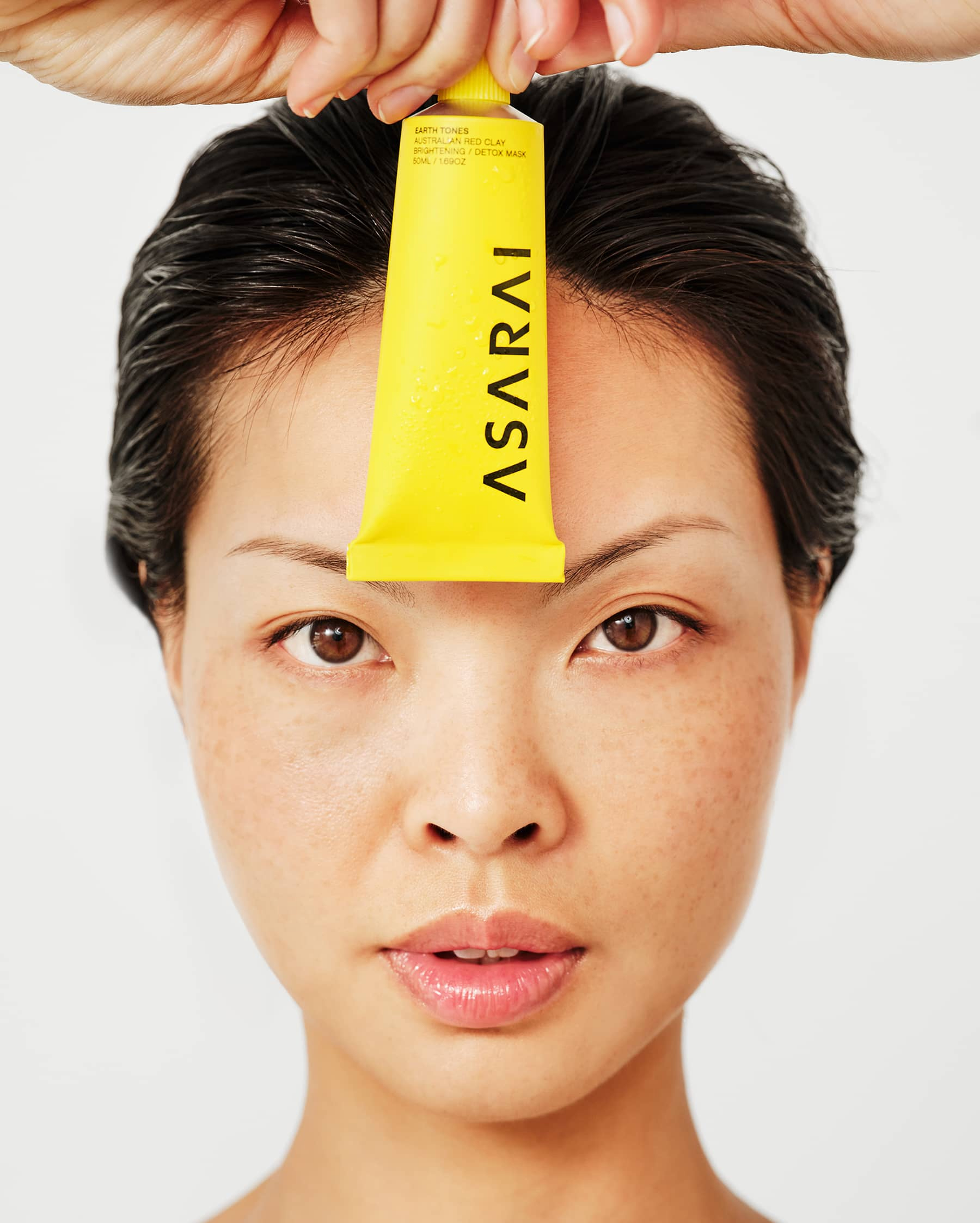
Spate’s data also highlights how older indie brands are benefiting from the new dynamics of value, trend and online attention. Launched well before the TikTok era, the brands Asarai, The Organic Pharmacy, Cocunat and Lxmi are enjoying greater consideration as consumers look for natural ingredients in trusted products with obvious uses.
Asarai’s Face Mask, The Organic Pharmacy’s Self Tan, Cocunat’s Curl Booster and Lxmi’s Pure Nilotica Melt are acting as entry points for consumers into these brands that may have previously been deemed beyond their peak. Their resurgence demonstrates that, with shopping transitioning to digital destinations, brands can have second or third lives without the constraints of traditional retail if their products become timely again.
While clean beauty has been controversial within the beauty industry, the resurgence of indie brands in the space or those categorized as natural and organic proves its staying power. A 2025 survey by NSF International found that 74% of consumers say organic ingredients are important when shopping for personal care products, and 65% want clear ingredient lists to spot potentially harmful chemicals.
Targeted skincare solutions
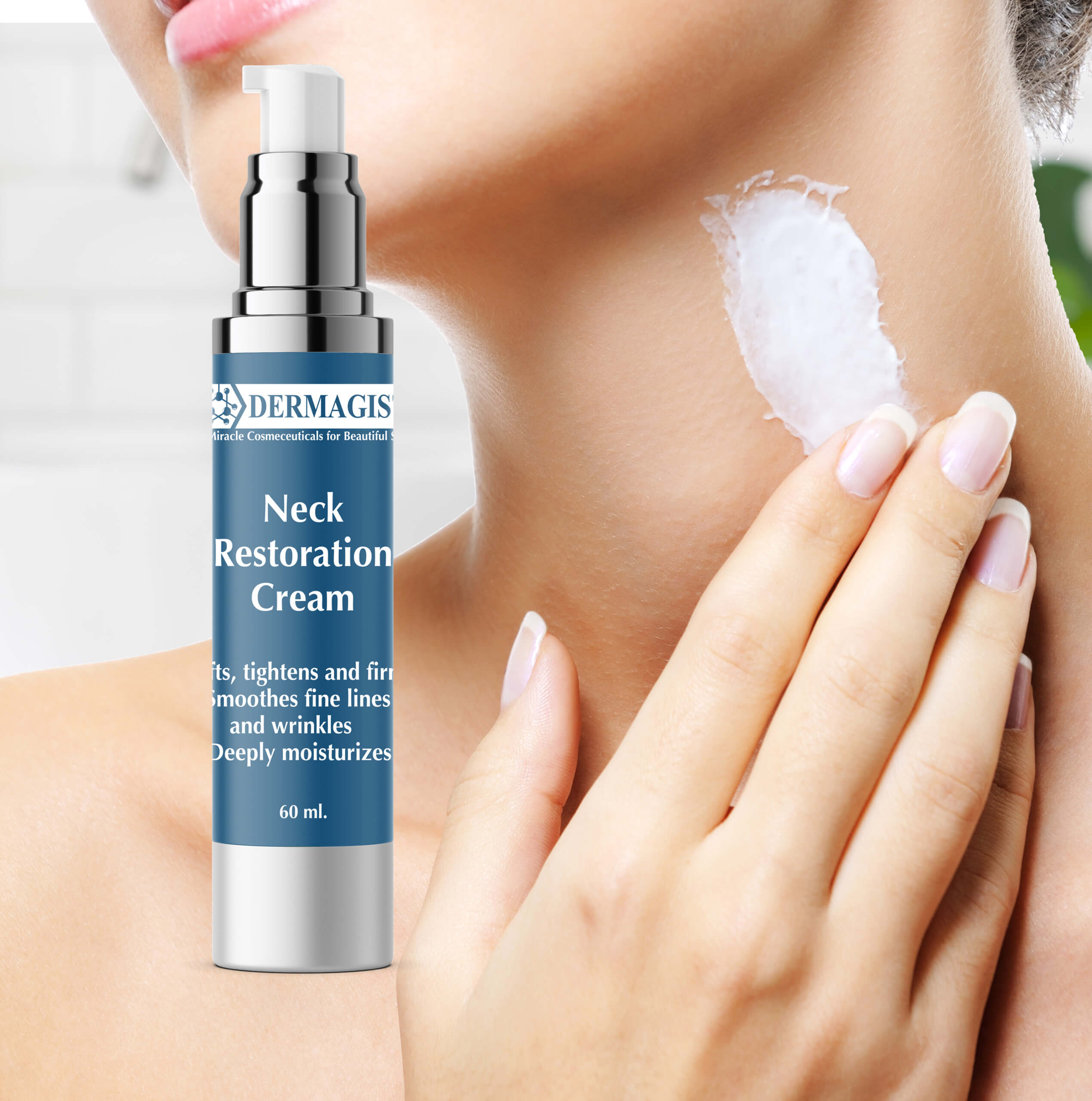
Another throughline of the Spate data is the strong consumer appetite for highly specific, problem-solution products, particularly those promising visible results without requiring a full routine overhaul. Searches for Dermagist’s Neck Restoration Cream and Acne.org’s Gentle Face Wash underscore the lure of products tailored to a core concern such as neck firmness, cystic acne and barrier repair.
These products speak for themselves; brands don’t need to have glossy designs or celebrity endorsements to sell them. Consumers are willing to buy from unfamiliar names as long as the product receives credible reviews and solves a key issue.
Dermagist’s Neck Restoration Cream in particular speaks to neck care moving to the mainstream and not just for older consumers. According to an article from Business of Fashion last week, younger consumers more than ever are diagnosing the neck as a “problem area,” prompting demand for targeted, preventative skincare beyond the face.
Dermagist’s Neck Cream’s success could herald a broader neck product push. The market research firm Dataintelo projects neck cream and mask sales will accelerate at a compound annual growth rate of 6.2% to grow from $1.5 billion in 2023 to nearly $2.6 billion by 2032.

Leave a Reply
You must be logged in to post a comment.