Good Bacteria has raised $3.2 million in seed funding to support marketing, product development and growth initiatives as it scales its probiotic supplement business.
The round included consumer-focused venture firms BAM Ventures, BrandProject, RiverPark Ventures and Listen. Good Bacteria joins brands such as WTHN and Rael in BAM Ventures’ portfolio and Iris&Romeo and Great Many in BrandProject’s. Launched as a direct-to-consumer brand in September, Good Bacteria is on track to reach $2 million in annual recurring revenue this month.
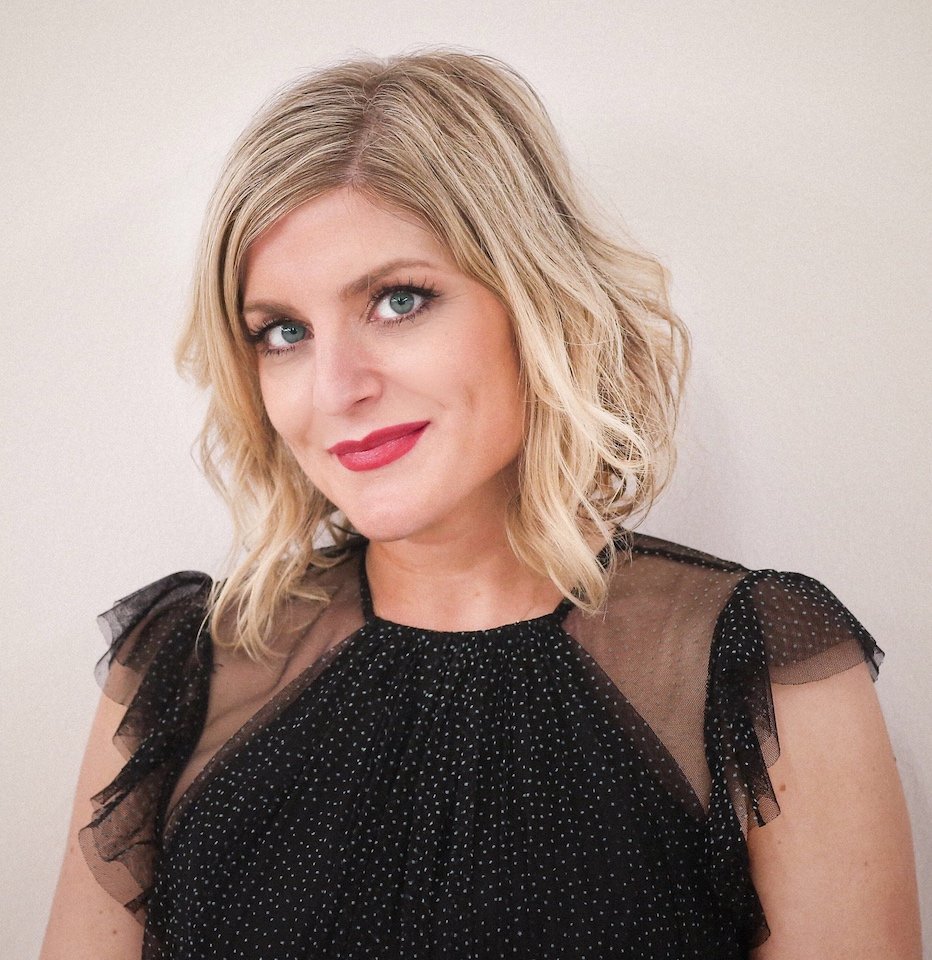
The company secured the $3.2 million in two tranches. Founder Anabel González, who previously worked in film and music, cold-called about 200 investors before being introduced to BrandProject, which wrote a $1.1 million pre-launch check. Good Bacteria then raised another $1 million post-launch, led by RiverPark, with BAM Ventures and Listen participating.
The funding comes as deal flow in the digestive and gut health category has remained steady despite a choppy market, with investors and strategic buyers betting on sustained demand for better-for-you products. Last week, Procter & Gamble acquired digestive health startup Wonderbelly. In March last year, PepsiCo bought probiotic soda brand Poppi for nearly $2 billion. Danone acquired microbiome specialist The Akkermansia Company, and Metagenics bought probiotic maker Symprove last year.
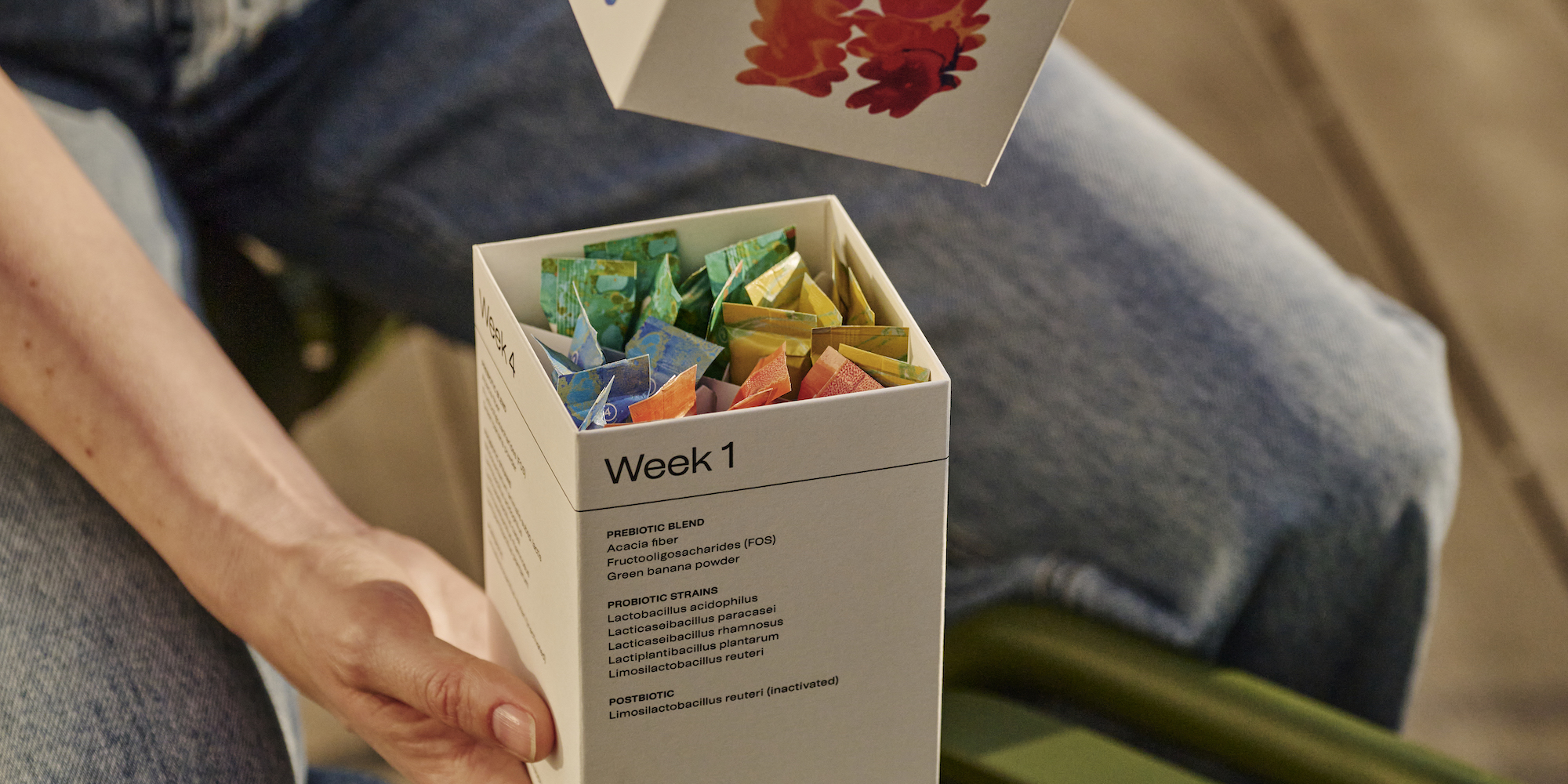
Good Bacteria’s $64 Rotating Synbiotic introduces a new formulation of probiotic strains each week of the month, paired with three types of prebiotic fibers and a postbiotic. The brand describes its system as designed to promote microbiome diversity and support gut barrier health. It’s part of a wider push by supplement companies connecting digestive wellness to whole-body resilience.
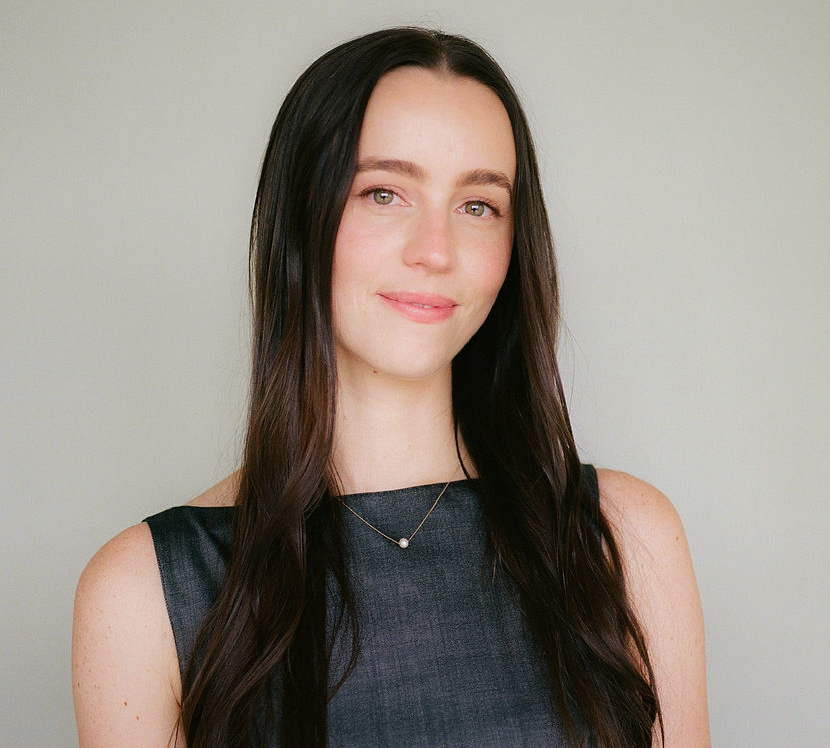
Shamin Walsh, managing director at BAM Ventures, believes that today’s wellness consumers understand that biology is cyclical and that health needs fluctuate over time, making Good Bacteria’s rotating system an intuitive choice. “The rise of practices like cycle-based nutrition and wellness reflects a broader shift toward body literacy, where people pay attention to internal signals and adapt habits accordingly,” she says. “Gut health sits at the center of this movement, as consumers increasingly recognize the microbiome’s role in digestion, immunity, mood and hormonal balance. This is where Good Bacteria stands out. Rather than treating probiotics as a one-size-fits-all supplement, the company’s rotating system is designed to mirror the body’s natural variability, offering one daily drink with four weekly rotations for whole-body health.”
Good Bacteria is sold at Happier Grocery and Pop Up Grocer, as well as on its own website. The brand divulges that 80% of its customers sign up for a subscription, with 35% choosing three- or six-month boxes. González teases that it will announce additional retail partnerships soon and go live on Amazon within a few months. Two product releases are planned for this year. With the seed round, González mentions Good Bacteria has a clear path to profitability, putting it in position to raise a series A round in the next 12 to 18 months.
“Microbiome science is still evolving, and we see a real opportunity to move it forward,” says González. “Our mission is to help people build a more resilient relationship with their microbes, feel more vibrant in their everyday lives, and pioneer new methodologies alongside leading experts in the field.”
Leigh Frame, a Johns Hopkins University-trained biomedical researcher, is Good Bacteria’s chief well-being officer. Frame is on a seven-member scientific advisory board at the brand. Gastroenterologist Chris Damman, fermentation expert Johnny Drain, biologist Christine Avena and microbiologist Andrea Azcarate-Peril are among the other members.
González’s path to supplement brand founder followed the birth of her son, when she suffered from postpartum depression. She gained 80 pounds and no longer felt at home in her body. Determined to improve her health, she dove into research that pointed her in the direction of the gut. “I learned that we have more microbes in our bodies than we have human cells,” says González, who became certified as a health coach. “If you nourish those microbes, you can radically shift how you show up in the world and feel every day.”