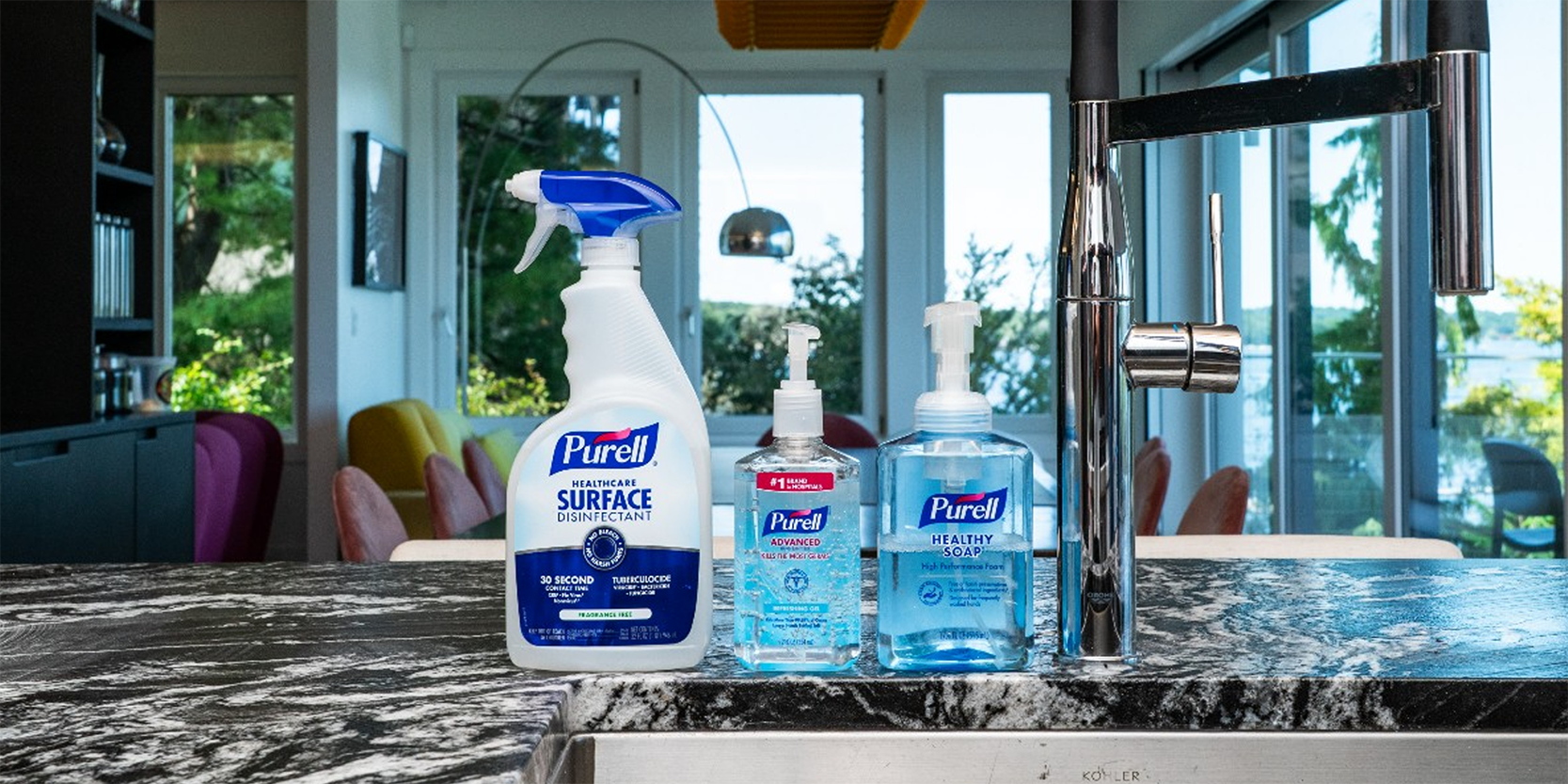


The Clorox Co., the conglomerate behind some of the most utilitarian of household cleaning brands, is expanding its territory of utility by acquiring Purell maker GOJO Industries in a roughly $2.25 billion deal that’s banking on the notion that unsexiness sells.
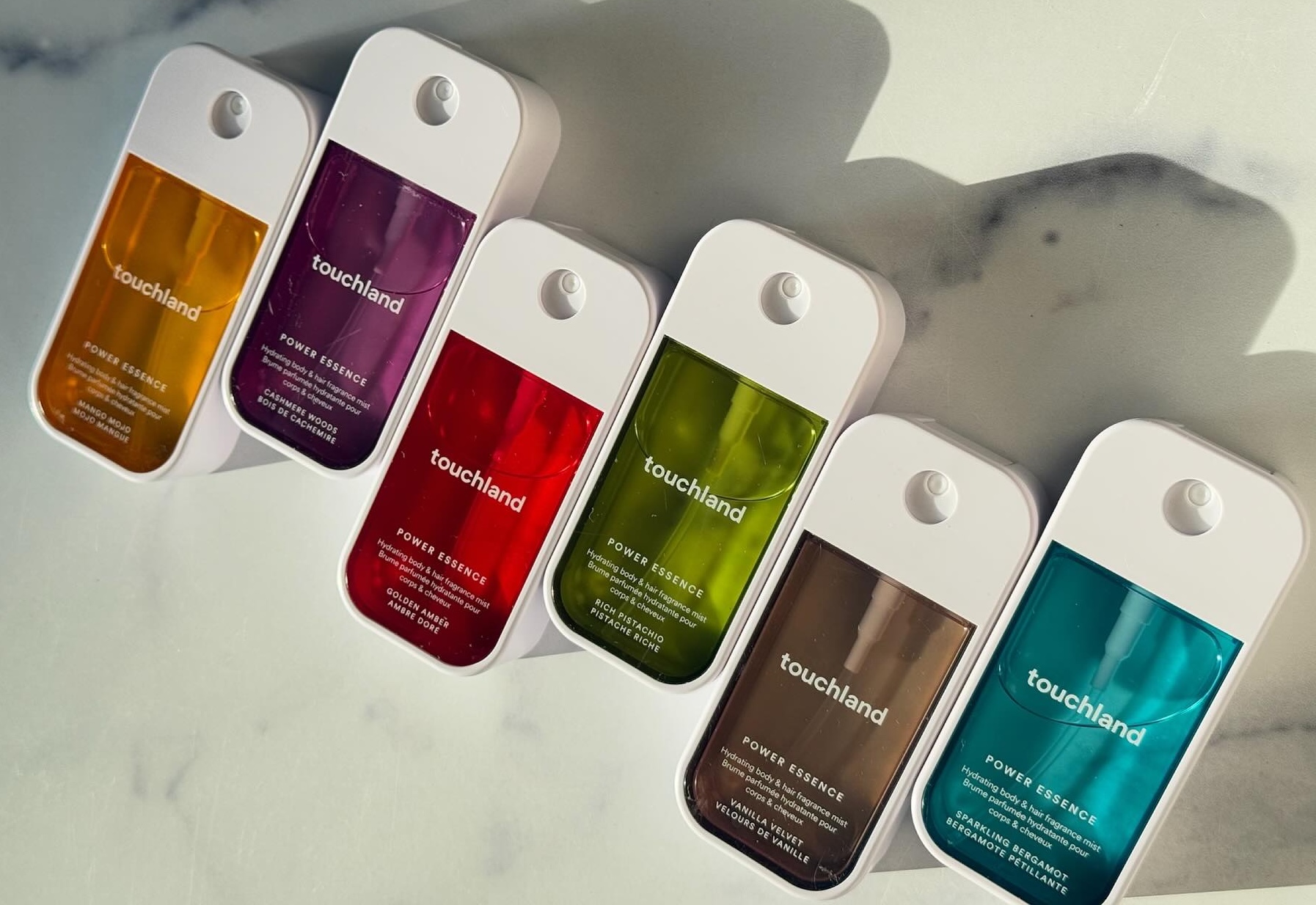
The acquisition could give Clorox a steady stream of sales in a professional channel where it has limited penetration, accounting for only a mid-single-digit percentage of its total business, and open an avenue for revenue outside volatile retail environments, where hot brands like Purell competitor Touchland can quickly siphon off share. Purell generates about $800 million in annual sales, with roughly 80% from professional distribution, supported by an installed base of about 20 million dispensers, and carries margins of around 20% at the earnings before interest, taxes, depreciation and amortization (EBITDA) level.
Purell is expected to deliver mid- to high-single-digit sales growth going forward, and the deal price, valuing GOJO at about 2.4X sales and 11.9X EBITDA, reflects Clorox’s confidence in its continued momentum. The transaction is roughly 2.5 to 3 times larger than Church & Dwight’s 2025 deal for Touchland of up to $880 million. Touchland, which generated $130 million in sales in the trailing 12 months leading up to its exit, was projected to post double-digit growth in 2025 and 2026. Purell commands about 25% of the hand sanitizer market, making it the market leader. Touchland holds about 5% market share.
In a LinkedIn post comparing the two deals, Jacob Tubis, co-founder and co-CEO of Byte’m Brownie Bites, writes, “Purell didn’t expand the category. It owned it. GOJO, makers of Purell, is synonymous with hand sanitizer. That level of ownership turns a brand into infrastructure. When a brand becomes the default, it stops competing. And infrastructure gets paid the most. The difference isn’t right or wrong. It’s strategy.”
Shareholders weren’t immediately convinced Clorox’s strategy is right and had a mixed reaction to the GOJO deal. After it was announced late on Jan. 22, Clorox’s stock traded slightly lower early the next day before recovering. While the shares are up about 15% over the past month and around 12.5% year to date, they remain well below their 52-week high of about $165 and far off their 2023 peak near $170, as investors weigh the added debt load of the GOJO transaction.
The market’s caution comes as Clorox is working through performance challenges. In the most recent quarter for which the company has reported results—the first quarter of fiscal 2026, ended Sept. 30, 2025—its net sales and net income both dropped 19%, to $1.43 billion and $80 million, respectively. Post-deal, GOJO would represent 12% of Clorox’s sales. The deal is projected to close at the end of its fiscal year 2026.
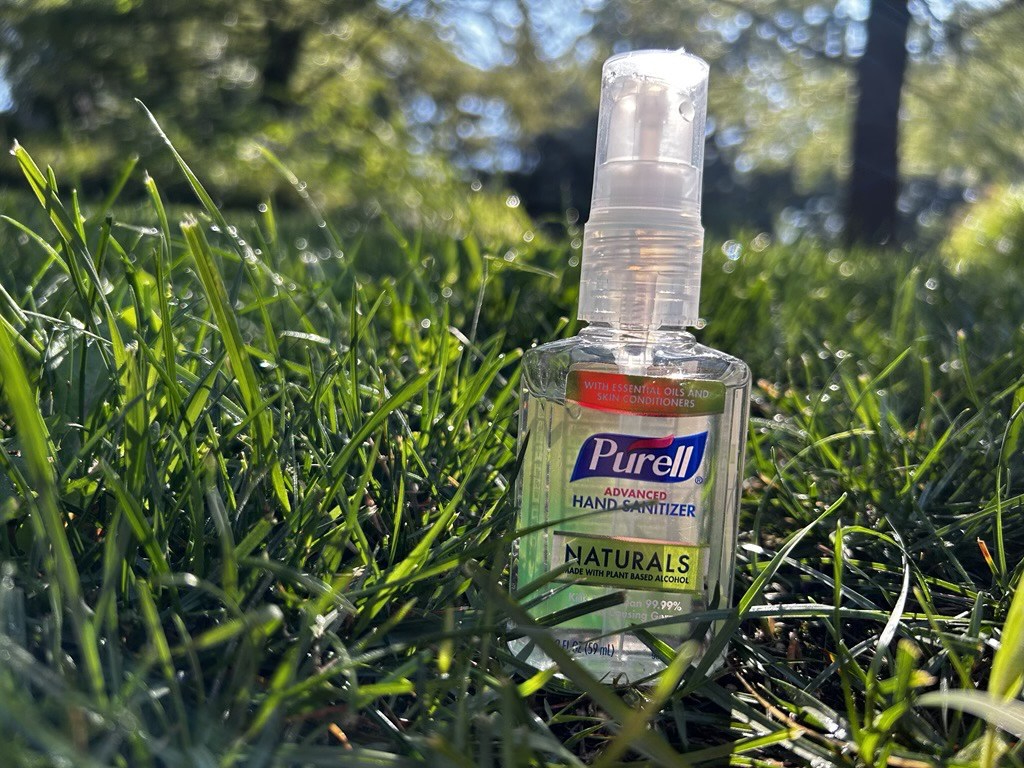
Clorox doesn’t have much evidence it’s an M&A whiz. Prior to the GOJO deal, Clorox’s last acquisition was the $700 million purchase of Nutranext in 2018, a move into dietary supplements. Clorox later scaled back the supplement business, including the 2024 divestiture of probiotic brand Renew Life, underscoring the company’s strategic recalibration toward core cleaning and personal care assets.
In late 2007, Clorox announced it would buy Burt’s Bees for $925 million. In its first quarter for fiscal year 2026, Clorox disclosed sales in its Lifestyle division, including Burt’s Bees, fell about 23% year over year. The decline suggests Burt’s Bees, a lip product stalwart, isn’t fully capitalizing on the broader strength of viral lip products in beauty, although it has attempted to do so with releases such as a moisturizing lip balm in collaboration with Mike’s Hot Honey.
In an analyst note, Barclays mentions that Clorox has grown Burt’s Bees since the acquisition, but it has taken significantly longer than expected for the brand to generate profits that justify the original purchase price. The bank maintains Clorox’s GOJO deal could help the company move closer to its stated goal of 3% to 5% annual sales growth, a target Barclays says it has long viewed with skepticism.
The note reads, “We began to see M&A as the lever to get anywhere close to the midpoint of that guide, though the limited and frankly patchy acquisition history at Clorox meant potential targets weren’t particularly clear.”
“Purell didn’t expand the category. It owned it.”
That skepticism is compounded by the transaction’s balance-sheet trade-offs. The deal will be financed with debt, lifting Clorox’s leverage to about 3.6X EBITDA and sidelining share repurchases until the company returns to 2.5X EBITDA, a process analysts expect to take until late 2027. GOJO is expected to be neutral to earnings in year one and accretive in year two, extending the timeline for the acquisition to meaningfully move the growth needle.
Clorox believes GOJO could help it unlock opportunities in the professional channel for its other brands. GOJO was founded in 1946 by Jerry and Goldie Lippman in Akron, Ohio, and had remained under Lippman family control for eight decades before agreeing to sell to Clorox. The company built its business distributing to schools, hospitals and industrial customers.
With its foothold in the professional channel, retail growth represents a meaningful upside for Purell. Barclays estimates household adoption of Purell at 14%, pointing to room for further expansion. On LinkedIn, Sedat Gunés, managing partner at boutique consultancy SEI Partners, speculates there could be many collaborations between Purell and Clorox over the next 12 to 36 months landing on retail planograms.
Barclays, however, takes a tempered view of the retail runway. In its note, the bank highlights that Purell is already broadly distributed, with about 74% all-commodity volume (ACV) and roughly 29% total distribution points (TDP), and that less than 20% of the brand’s sales come from retail, limiting the incremental impact retail expansion can have on the overall growth profile.
In the end, Clorox’s deal for GOJO demonstrates an acquirer prioritizing brand longevity even as TikTok’s trend cycle plows forward at breakneck speed. In 2024, a trend on TikTok celebrating “unsexy products” underscored consumers’ appetite for functional brands like Purell that win on getting the job done rather than hype or packaging.
At the time, Emily Safian-Demers, VP of consumer insights at e-commerce and marketing agency Front Row, said, “Higher levels of education are shifting consumer priorities. If a product is effective and backed by science, it doesn’t always need to be pretty… This is not to say that people no longer care about packaging—look no further than the preppy skincare trend for proof—but it does mean that brands can no longer rely solely on pretty packaging to earn skintellectual shoppers’ dollars.”
Click here to learn more about Dealmaker Summit happening June 8 & 9 in New York.

Leave a Reply
You must be logged in to post a comment.