As retailers jostle for the most-promising brands, some beauty entrepreneurs are speaking out about the difficulty of standing out in crowded assortments as cash-strapped upstarts.
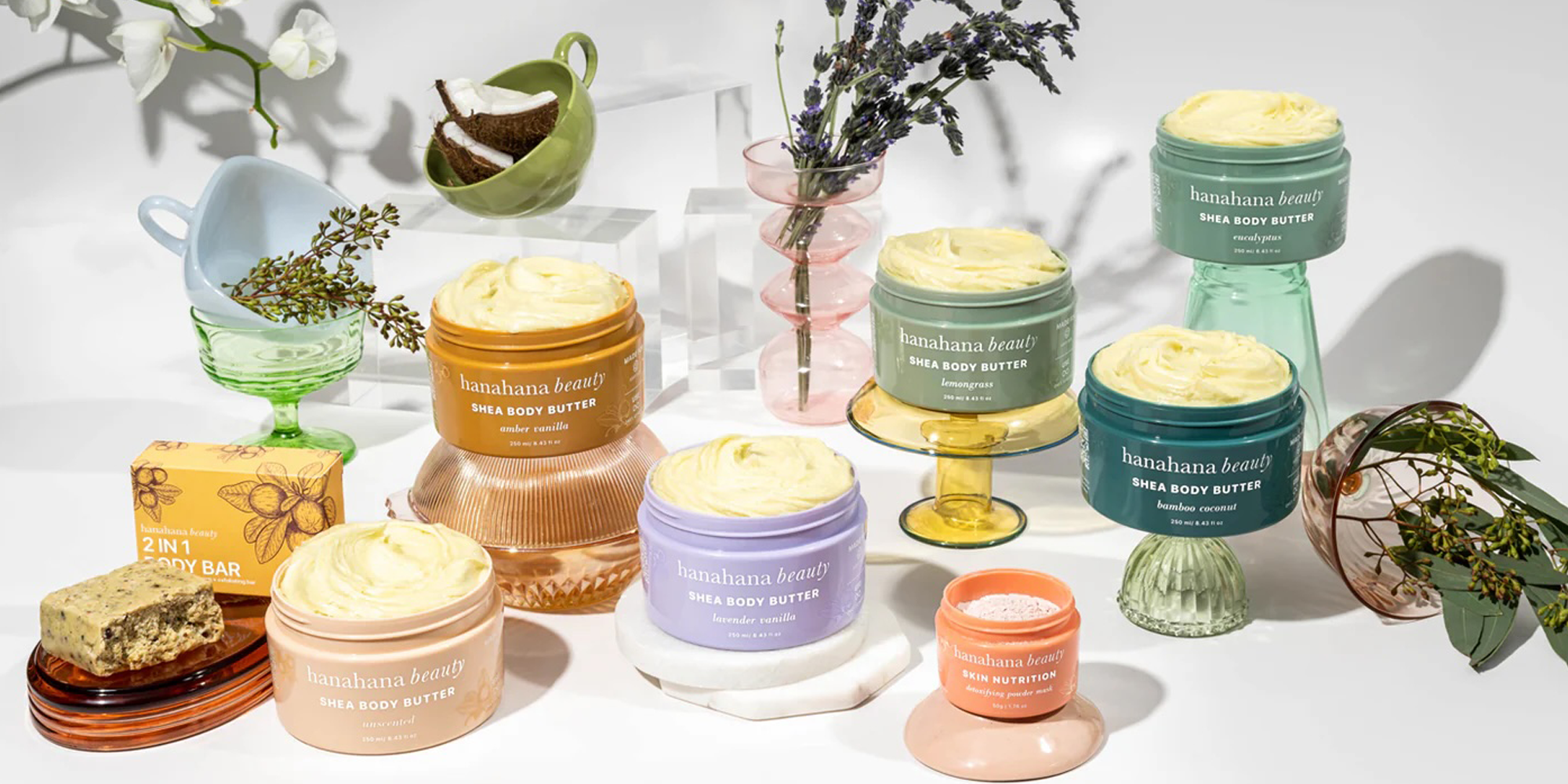
After reaching 500 Ulta Beauty locations following a 2023 debut at the beauty specialty chain in 350 locations, shea butter-centered clean skincare and wellness brand Hanahana Beauty is exiting and refocusing on direct-to-consumer distribution. The departure illustrates the quandary small brands face: Major retail delivers exposure and sales that are hard to achieve elsewhere, but succeeding there is operationally demanding and expensive, especially in a fragmented landscape where competitors and consumer attention are ubiquitous.
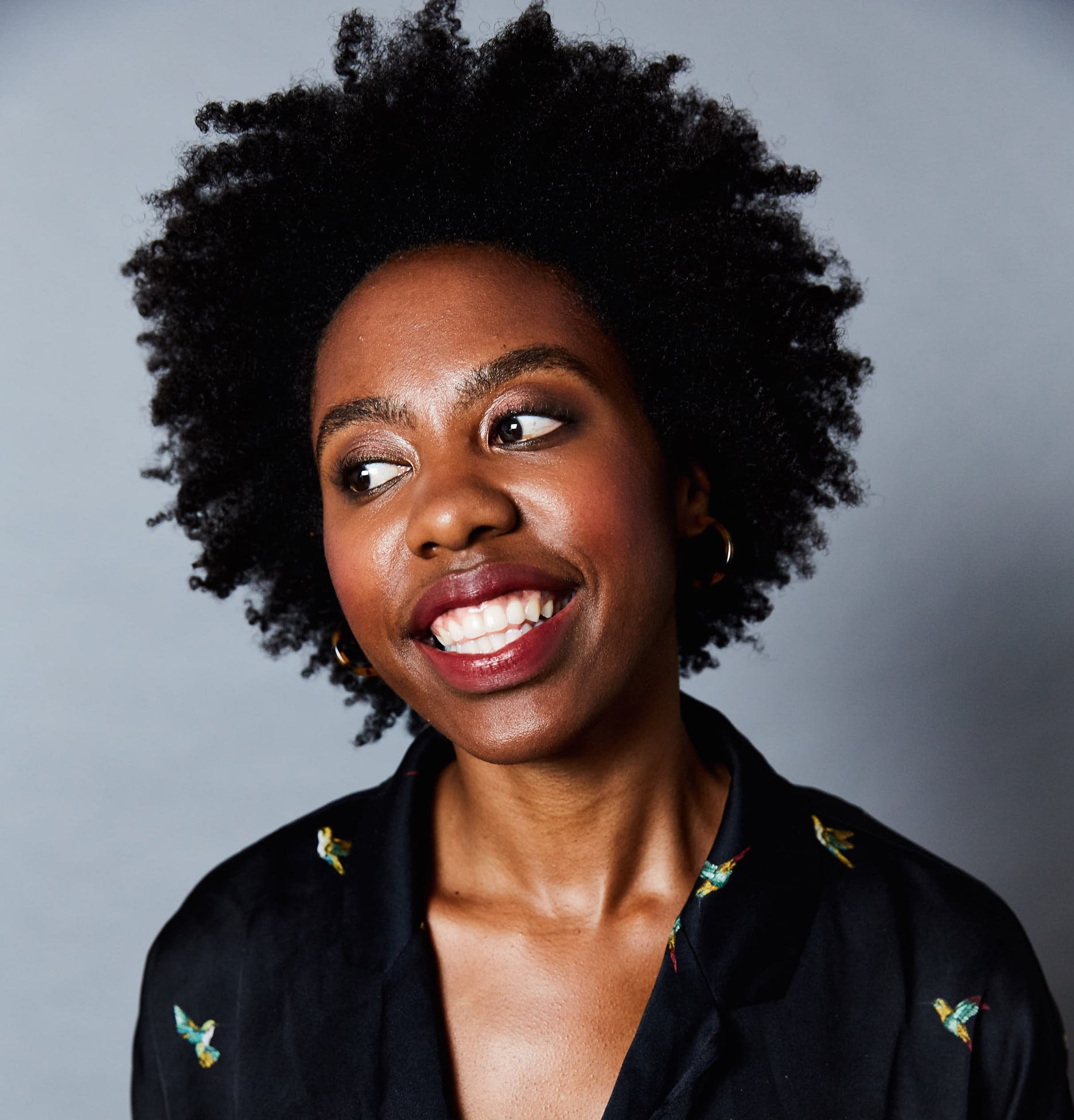
Reflecting on Hanahana Beauty’s Ulta roadmap, founder Abena Boamah-Acheampong, who shared the news of her brand’s departure from the retailer on March 13 via social media, believes a smaller footprint to start may have been better. She figures concentrating Hanahana Beauty’s marketing and sales strategy on 20 to 50 stores would’ve made sense.
Boamah-Acheampong says there was “scaling happening with no big capital injections to really sustain the growth, but also push the growth.”
Founders increasingly point to a steep capital threshold for wholesale. Boamah-Acheampong estimates at least $1 million in working capital is required just to enter retail, with significantly more needed to successfully enlarge a brand’s footprint. Drawing on her participation in Ulta’s MUSE Accelerator retail preparation program, Poom Cosmetics founder Irene Ham discloses on TikTok that brands are advised it takes $1 million to $2 million to support an Ulta store launch.
When Beauty Independent spoke with Boamah-Acheampong in 2023 leading up to Hanahana Beauty’s Ulta launch in March that year, she was trying to raise $1.5 million in funding and had secured $360,000. She received funding through small venture capital investors and the VC firm a16z’s TxO program for underserved founders, but it wasn’t enough.
@hanahana_beauty yes, we are no longer in ulta beauty. no, hanahana beauty is not going anywhere. if anything, this is a founder lesson. if i could do it again, i would definitely do things differently. retail can grow your brand — or close your brand, especially as an indie beauty company. everyone talks about getting on shelves… but nobody really talks about what it takes to stay there. retail doesn’t just require demand. it requires capital, team, strategy, staying power… and a lot happening behind the scenes. i’m still proud of what we did. from 0 to 500 doors is no small thing. but if you’re a founder thinking retail is your next step, make sure your backend is stronger than your headline. and honestly? shop directly at hanahanabeauty.com. buying direct has always been the better business anyway 🤎 if you want more of the real behind-the-scenes of what founders should know before big box retail… i can share more. #hanahanabeauty #beautybrand #blackownedbusiness #sheabutter #bodybutter
Many VCs told her they wouldn’t provide funding until the brand had shown traction in retail. The broader funding environment was shifting at the time, particularly around funding for diverse founders, which surged in the period following George Floyd’s murder and slid subsequently.
On the podcast “Gloss Angeles,” David Yi, founder of Good Light, a skincare brand concurrent with Hanahana Beauty at Ulta, approximated brands need $10 million in funding to thrive at Ulta. Boamah-Acheampong doesn’t disagree. Good Light is in the process of closing.
“I’m not saying you have to have $10 million to do it, but if you want a certain level of scalability and growth and maintenance, it is a significant amount,” she says. “From certain brands that have been able to do that, that’s the money that they’ve been able to secure.”
Hanahana Beauty’s funding was mostly funneled toward procurement and was largely based on projections supplied by Ulta. Boamah-Acheampong wishes she hadn’t relied so heavily on those projections. Hanahana Beauty underwent a full rebrand, transitioned to a contract manufacturer and took on new vendors with minimum order quantities of 5,000 units per SKU. Packaging and production exceeded $100,000.
“Once you get into those stores, you are the seller at that point.”
With those costs eating into Hanahana Beauty’s budget, it had little room left for marketing, staffing or sales infrastructure, and Boamah-Acheampong stresses those elements are vital to winning at retail. “What’s not talked about much is, once you get into those stores, you are the seller at that point,” she says. “There has to be a sales strategy.”
The sales strategy often includes paid brand representatives, training for store associates and ongoing marketing to drive awareness and conversion. Even seemingly small opportunities, like product placements in high-traffic areas, come with considerable costs. Boamah-Acheampong recalls exploring front-of-store placement for Hanahana Beauty minis, only to find it priced at $10,000 per week.
Hanahana Beauty’s lack of field support resulted in loss of control over the customer experience. Boamah-Acheampong says that issue factored into the decision to leave Ulta. Prior to entering Ulta, the brand operated primarily as a DTC business, allowing it to maintain close relationships with its customers. That dynamic changed in retail, especially as the door count rose.
“When you’re in so many different stores, quality control is very different than when you’re direct-to-consumer where our team is the customer service, we’re doing direct reach,” she explains. “We also know who our audience is. We own the customer through the systems. When you’re in retail, you see the numbers, but you don’t know who they are.”
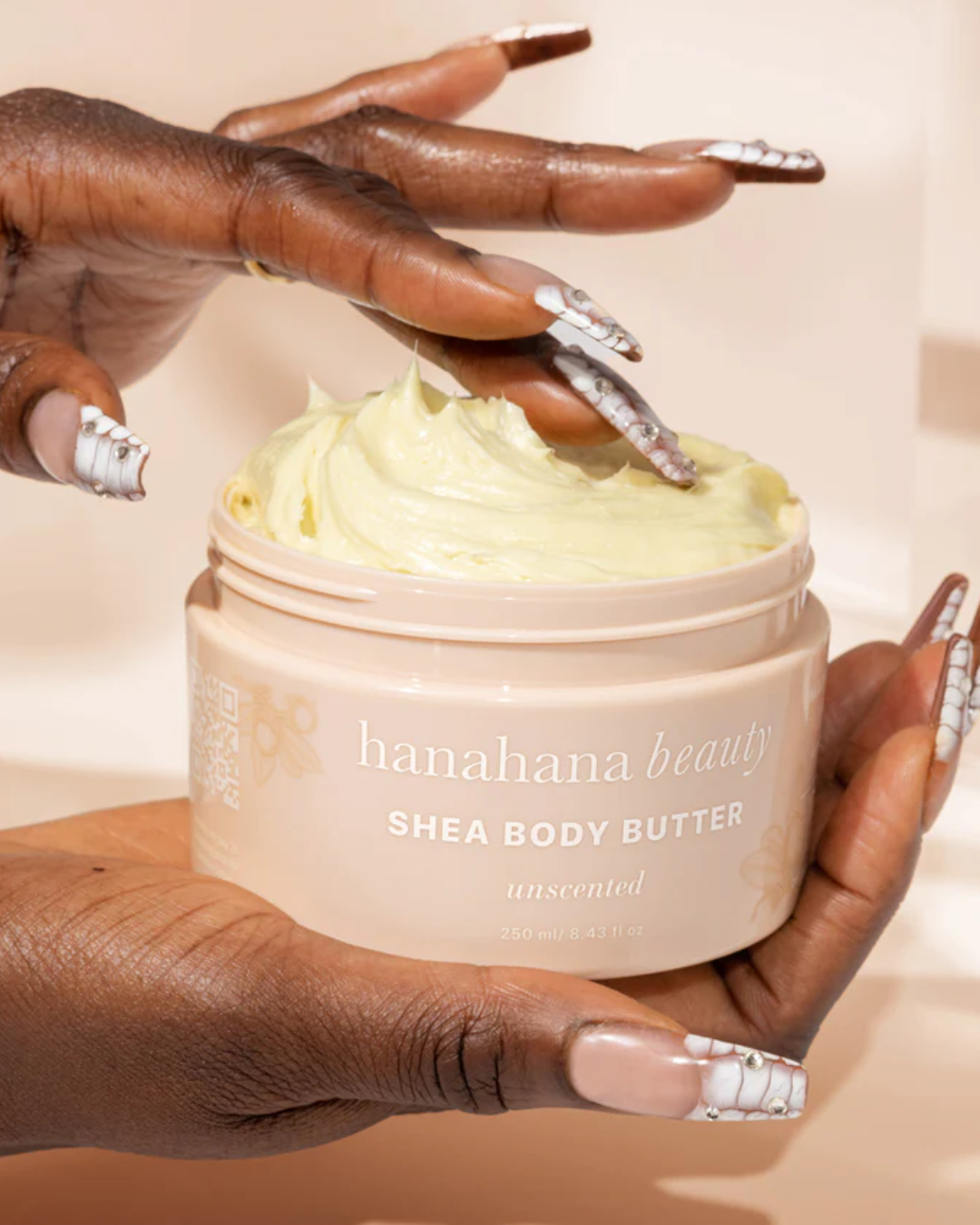
With its refocus on DTC, Hanahana Beauty can direct its customer relationships and experiential and community-driven initiatives. Along with DTC, the brand is still available via Revolve and Skintellect. The brand has an ambassador program called Shea Society and the creative series Glow Room. To celebrate nine years in business this year, Boamah-Acheampong gifted nine months of free Hanahana Beauty products to its top nine customers.
Hanahana Beauty is deepening its presence in Ghana, where it sources its shea butter. It has held pop-ups in Accra and is teaming up with local partners to expand distribution in the country, with plans to grow across Africa and explore full-scale production there.
Boamah-Acheampong’s vision for the brand was never tied to a single retail partner, and she’s returning to it. “The mission and vision of Hanahana was not an end all be all at Ulta Beauty,” she says. “It’s always been around supply chain, the approach to the shea industry and being able to create daily use products for people with dry, sensitive skin.”
For Boamah-Acheampong, the lesson is less about avoiding retail altogether and more about pursuing it with intention and transparency. She imparts that lesson and others to her fellow founders with Fndr Fwrd Lab, four-week workshops. The latest virtual cohort kicked off on March 26.
“A lot of people have navigated these things before, but we don’t know how to talk about it because sometimes it looks like a failure,” she says. “It’s not. It’s just different pivots and approaches.”