Over 15 years since it helped pioneer the clean beauty movement, Indie Lee is embarking on its next chapter with an accessibly priced diffusion line launching exclusively in retail at Whole Foods Market.
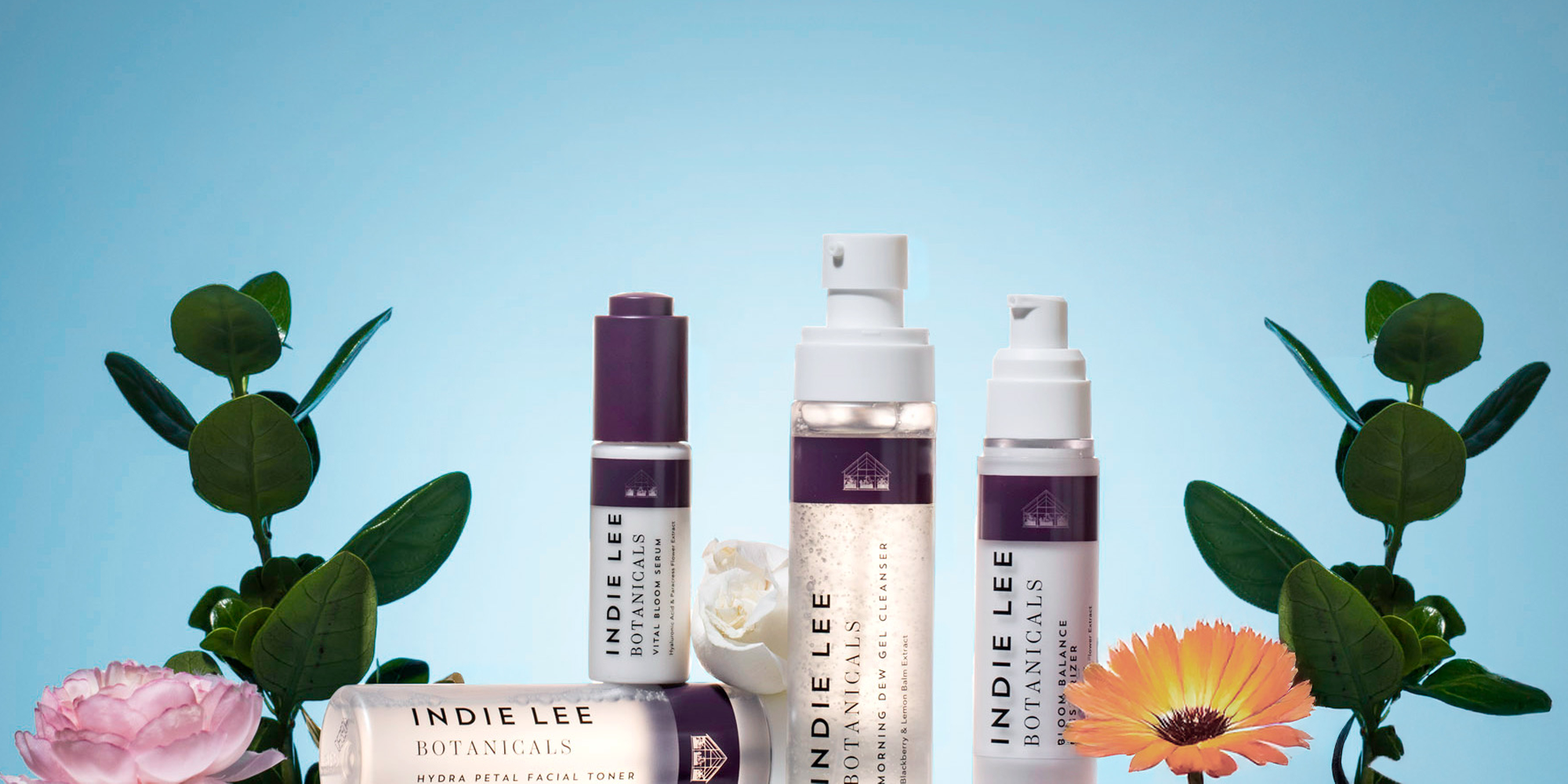
Called Indie Lee Botanicals, the line is launching with $19.99 Morning Dew Gel Cleanser and Hydra Petal Facial Toner, $24.99 Vital Bloom Serum and $24.99 Bloom Balance Moisturizer. The products top out in price around where the non-diffusion products, which range from $20 for a lip balm to $135 for a stem cell serum, start. They’re entering a beauty market characterized by cautious spending and a widespread belief that expense and effectiveness don’t always align. According to a recent survey from market research firm Circana, only 14% of consumers think higher prices indicate better quality.
“Indie Lee Botanicals is a return to where this brand began for me, in the garden and greenhouse, with a belief that what we put on our skin should support our overall well-being,” says Lee, founder of the eponymous skincare brand. “People should not sacrifice health, efficacy, or their paycheck for healthy skin. Partnering with Whole Foods Market allows us to offer thoughtfully formulated skincare that fits into everyday life.”
Indie Lee Botanicals’ exclusive Whole Foods rollout was made possible by parent company American Exchange Group or AXNY Group’s deep retail expertise. Josh Kirson, SVP of AXNY Group, says it highlights AXNY Group’s commitment to building brands that “reflect evolving consumer values. Indie Lee Botanicals combines clean formulations, accessible pricing and a strong partnership with Whole Foods, resulting in a compelling proposition for today’s wellness-focused shopper.”
AXNY Group, a fashion and accessories licensing and holding company with brands like Jones New York, Motiv, NatureWell, Rampage, Urban Skin Rx and Txtur in its portfolio, acquired Indie Lee in 2024. Previously, the brand’s prestige distribution spanned retailers such as Ulta Beauty, Credo, The Detox Market and Bluemercury. AXNY took over Indie Lee from Ancora, a now-defunct firm founded by beauty industry veterans Lori Perella Krebs and Nicky Kinnaird and bankrolled by Winona Capital.
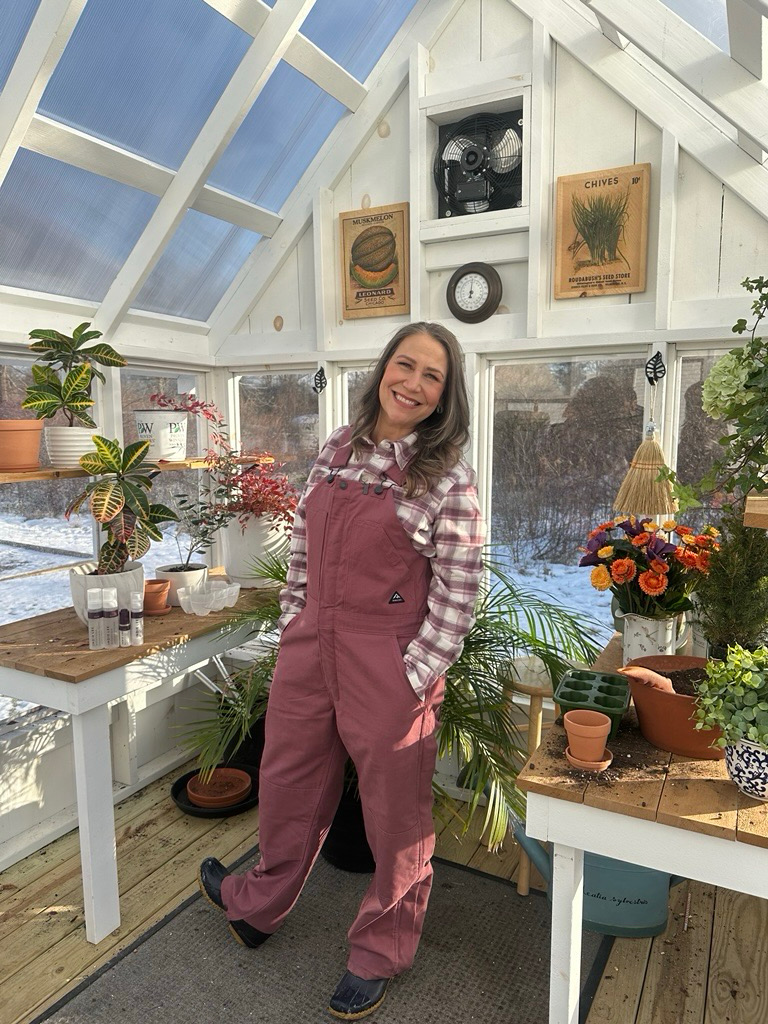
The new ownership invited the involvement of Lee, whose personal story is interwoven with her brand. She established it in 2010 after trying to make healthier skincare choices following a brain tumor diagnosis. “Instead of pushing me out, they invited me in,” says Lee of AXNY Group. “They said, ‘We love this brand. You are this brand. Let’s do something with it.’”
Lee declined to share how much was spent to develop Indie Lee Botanicals or what percentage of overall sales it could generate, but there are already plans to expand the assortment beyond its debut collection. Along with Whole Foods, the diffusion line is available on Indie Lee’s website.
Indie Lee Botanicals is certainly not the only diffusion line to launch lately. Amid economic uncertainty, diffusion lines have become a bigger tactic for premium brands interested in reaching broader audiences. Augustinus Bader, Foreo and Pacha Soap Co. have launched them, too. However, diffusion lines can be risky, undermining consumer trust in the original products and posing executional challenges for brands that had focused upmarket.
Indie Lee Botanicals’ arrival at Whole Foods is evidence the natural grocer is accelerating beauty brand launches in the wake of a fallow period for them. Prior to the Amazon acquisition, Whole Foods Market was a sought-after retail partner for independent beauty brands, and its Whole Body section, a standalone store in major cities like New York, was a beauty shopping destination that carried a wide range of beauty brands including luxury lines like now-shuttered Nude Skincare, prestige brands like Dr. Hauschka and clean mass lines like Acure.
Post-Amazon acquisition, Whole Body’s footprint was decreased and emerging clean beauty brands shifted their scaling strategies to independent retailers and beauty specialty retail. In 2024, the only skincare brand that launched at Whole Foods was Luma & Leaf. Beauty brands are also taking a fresh look at the natural grocery sector, which has been enlivened by upscale grocers like Erewhon and Happier Grocery, for expansion.
According to Retail Insights, large “supernatural” grocery chains such as Whole Foods Market and Sprouts accounted for nearly 30% of U.S. natural and organic product sales in 2025 and generated $34.6 billion, up 6.7% from the year before. Whole Foods alone produces roughly $22 billion in yearly sales, up about 40% since Amazon acquired the retailer in 2017, as the company has positioned it as its primary brick-and-mortar destination for premium health and lifestyle goods. There are roughly 1,300 “supernatural” grocery chain locations in the country.



Leave a Reply
You must be logged in to post a comment.