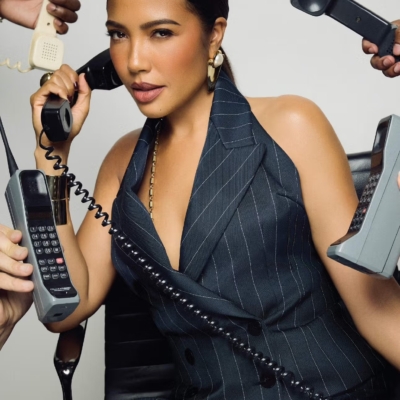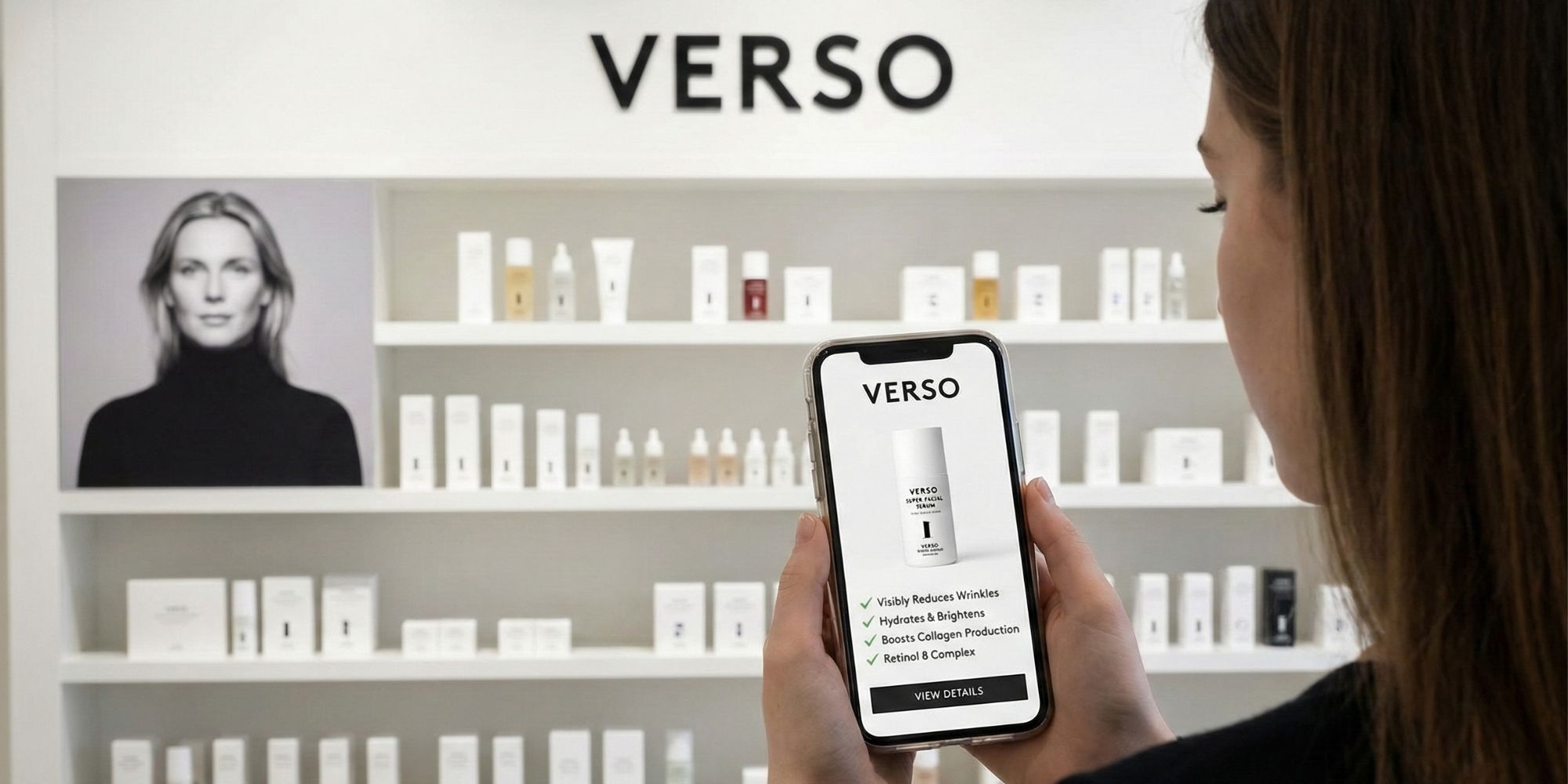
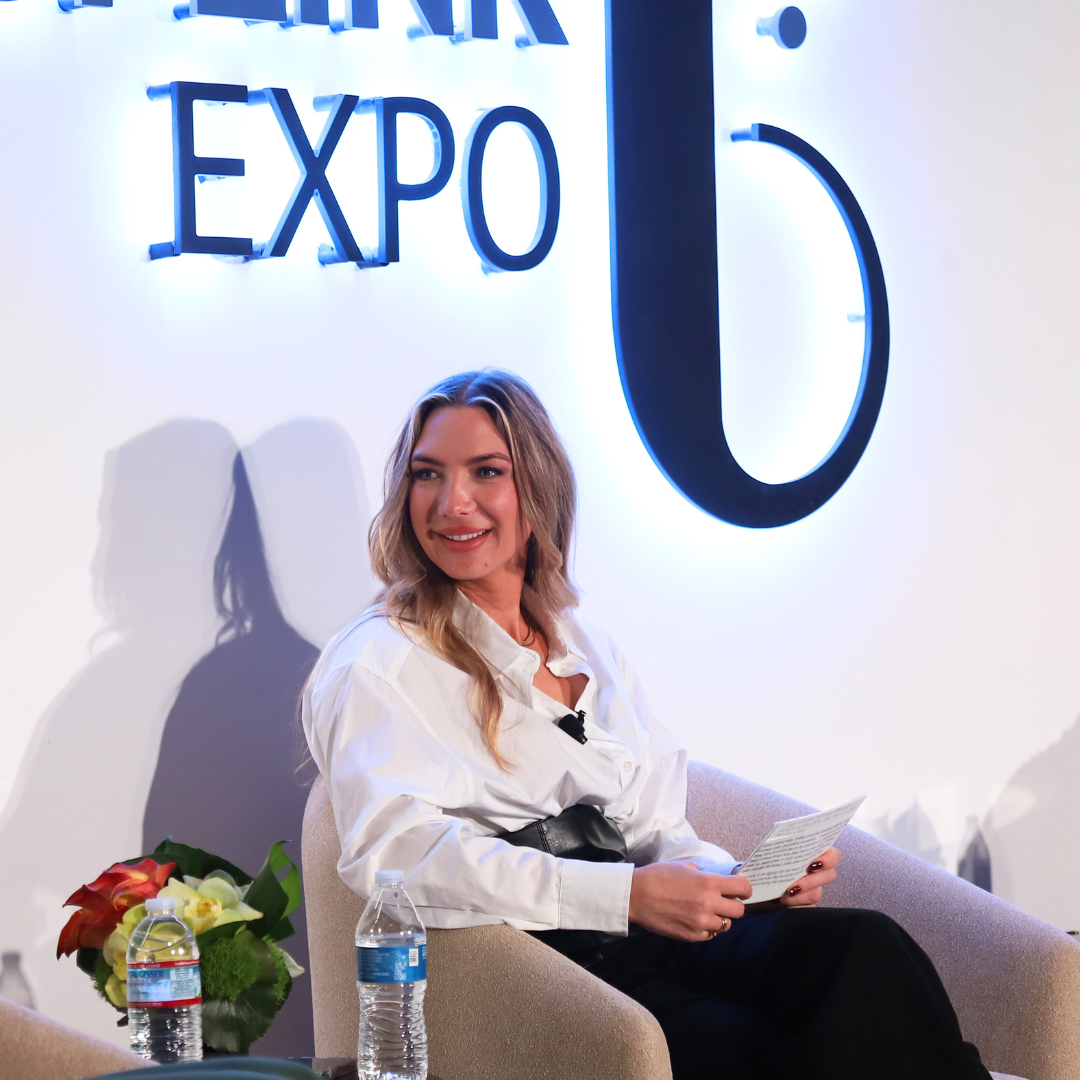
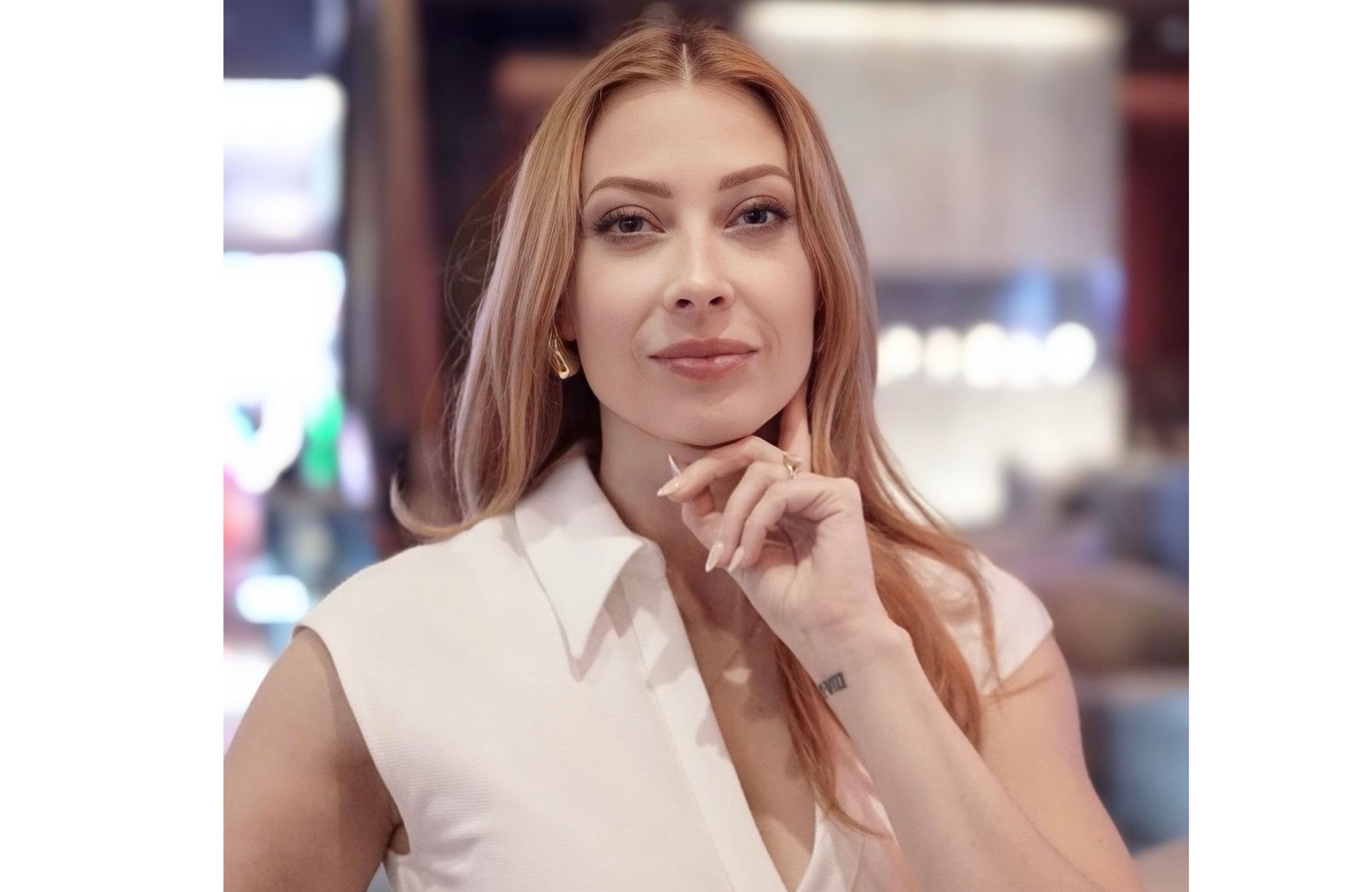
Inference Beauty founder Estella Benz argues the future of beauty e-commerce will be decided not by who adopts artificial intelligence first, but by who feeds it the most meaningful data. “Any kind of technology, especially AI, is fueled by data,” she says. “It can only produce answers based on what it knows, and we fuel it with our proprietary ingredient database.”
Benz founded Inference Beauty, formerly known as Skin Match Technology, in 2017 when she was a student at the Fashion Institute of Technology and noticed consumers wanted to shop beauty products based on ingredient sensitivities, preferences and performance, not marketing claims, yet a tool to do so didn’t exist. The company rebranded in 2025 as its scope expanded from skincare to encompass makeup, haircare and fragrance. The new name reflects both its technical foundation and broader ambitions. In data science, “inference” refers to drawing conclusions from granular inputs, exactly what Benz believes modern beauty discovery requires.
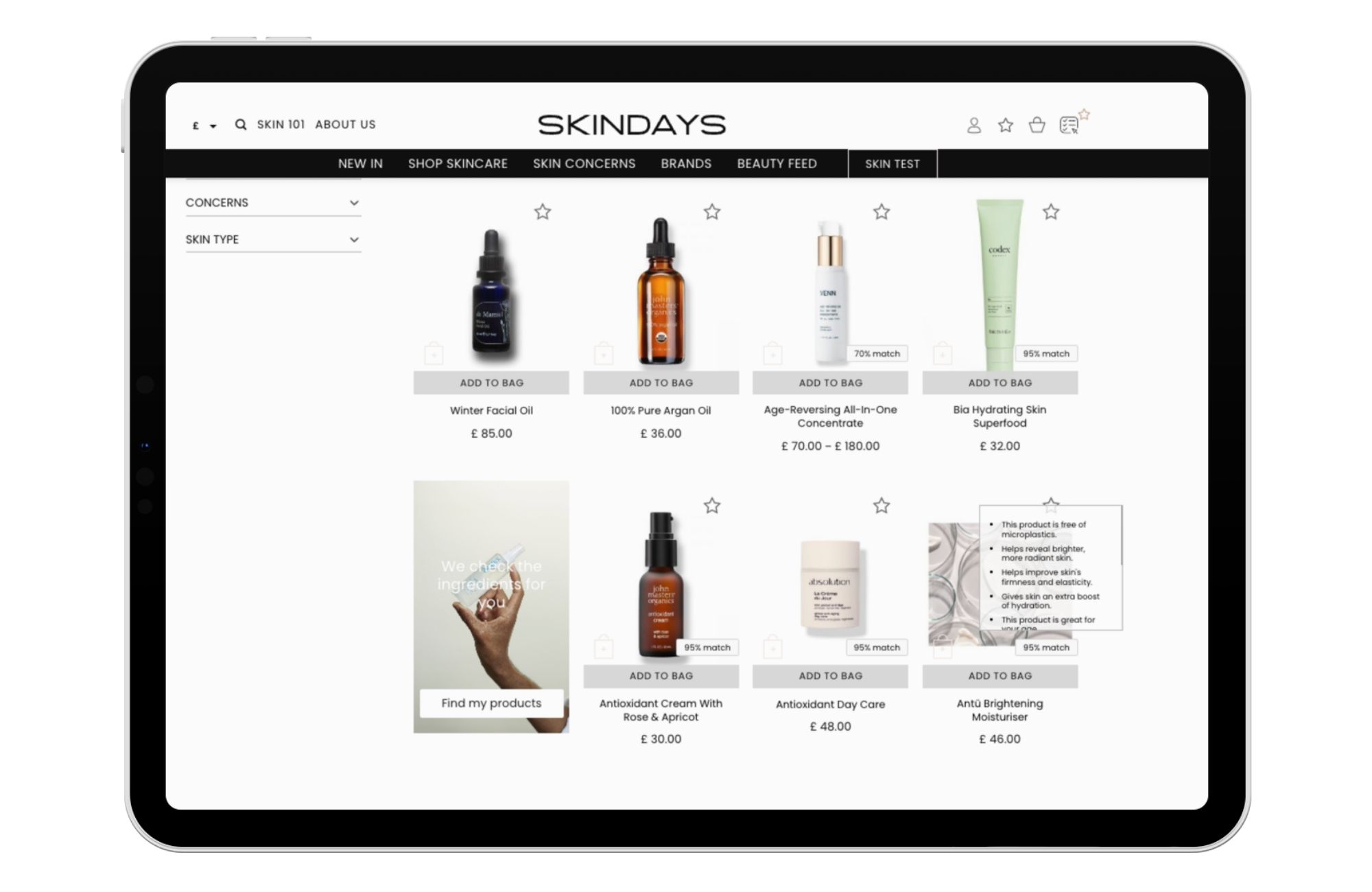
Today, Inference Beauty works with brands and retailers such as L’Oréal, Asos and Import Parfumerie as a plug-and-play layer that sits on top of existing e-commerce websites, using AI-powered diagnostics and ingredient-level data to guide shoppers to the right products. While AI face scans and hair diagnostics have become increasingly common, Benz contends that the technology itself is rarely the differentiator. She emphasizes that Inference Beauty’s system goes beyond basic inputs like skin type or climate. Its proprietary ingredient database decodes official INCI names by source, function, efficacy and known skin or hair impact. That data is then layered with user preferences around texture, sensitivity, pricing and packaging.
“The technology is often the same. The data is different. It gets far more tailored than just saying, ‘You have dry skin,’” says Benz. “Instead of ‘dry skin plus humid climate equals this product,’ we go deep into where products are similar, where they differ, and what might be missing and explain each product match to the consumer. That’s where most other tools fall short.”
Inference Beauty’s technology offerings are tiered based on the breadth of capabilities a brand is interested in deploying. Benz says standalone solutions start at roughly $150 per month per tool, though most partners opt for broader packages that combine personalization, transparency and discovery features. For established brands aiming to invest deeply in their e-commerce performance, she recommends setting a budget in the $500 to $3,800 per month range, depending on company size and scope of implementation.
Inference Beauty’s ingredient database contains products from more than 2,500 beauty brands and just over 50 brands are actively using its technology in live e-commerce environments. This year, Benz identifies retail partnerships as the strongest growth contributors, and the company’s client pipeline shows surging demand from major luxury beauty brands.
The payoff is measurable. Across categories, Inference Beauty reports brands tapping its technology typically see a 30% to 50% increase in conversion rates, along with roughly 30% higher basket value and more items per order. For Benz, however, the bigger opportunity lies in first-party data capture, an area she says many brands still overlook. “One thing that’s missing in the market is using AI diagnostics to capture first-party data,” she says. “Most brands don’t connect those tools to CRM at all.”
For Kiehl’s in Spain, Inference Beauty says it helped drive a 12% signup rate through its diagnostic tools, translating to roughly 100 new customer profiles per day. “That allowed them to send more meaningful engagement,” says Benz. “Product recommendations for things like birthday messages, new product launches or personalized follow-ups based on what someone actually needs in their routine.”
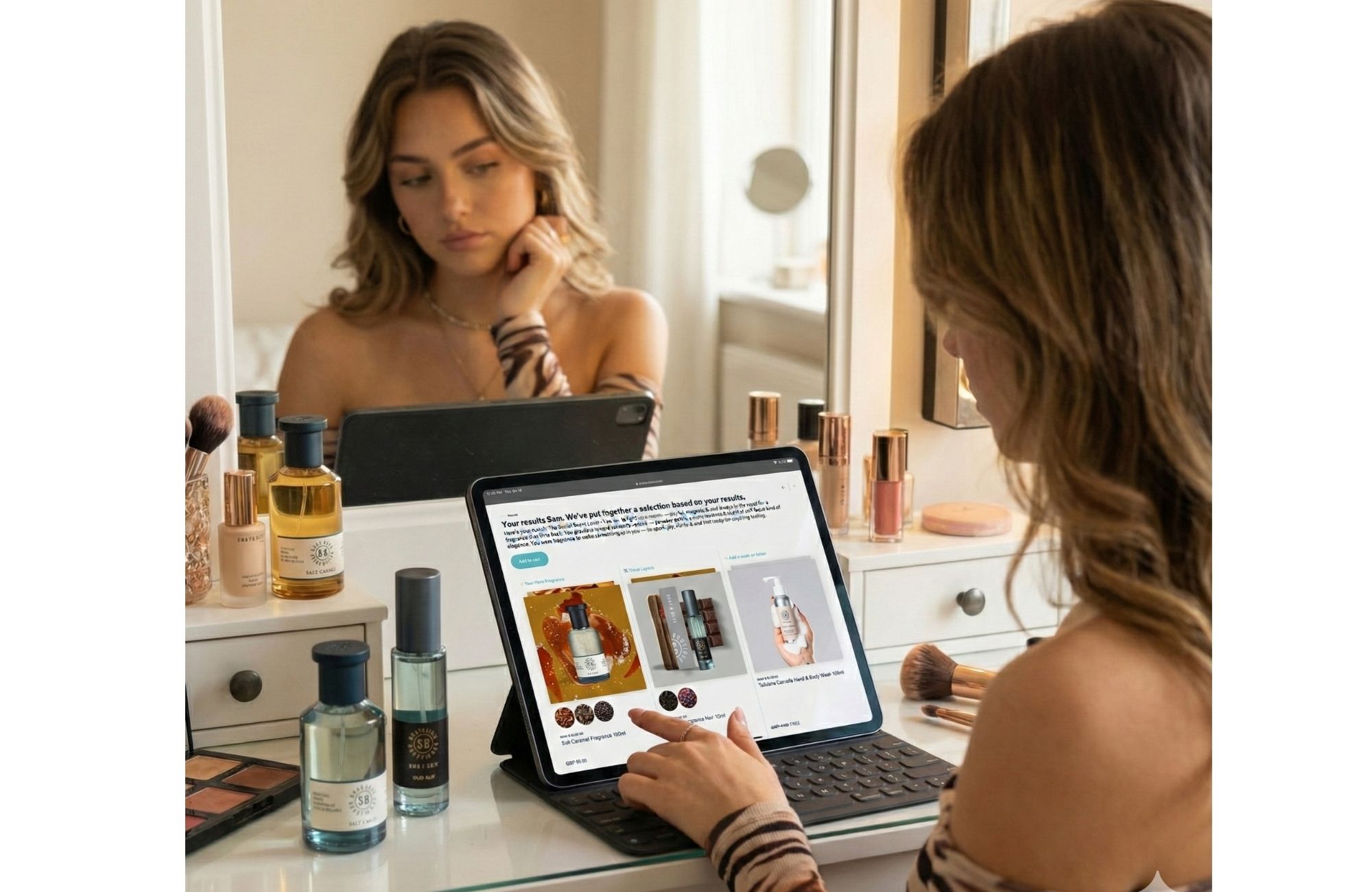
Benz observes AI-driven personalization is now expected in skincare, haircare and complexion products, and has detected fragrance emerging as an unexpected standout. Benz attributes fragrance’s emergence to novelty and science. Instead of relying on lifestyle questions or mood-based prompts, Inference Beauty’s fragrance finder cross-references fragrance notes and formulations.
“Fragrance actually has much higher completion rates. We’re seeing close to 95% completion, compared to around 80% for other categories,” she says. “If you tell us what you already wear, we can match it at the formulation level. When people spray the recommendation and feel like, ‘They really understood me,’ that’s when the technology clicks.”
Looking ahead, Benz envisions AI-powered shopping assistants and large language models fundamentally altering how consumers discover beauty products online. She compares the current moment to the early days of search engine optimization (SEO), when brands underestimated how search would transform commerce. “The next big shift will be LLM-driven product recommendations in Perplexity Shopping or ChatGPT,” says Benz. “Most brands are already behind if it comes to AI shopping visibility.”
For Benz, survival in the AI era rests on three pillars: discovery, personalization and transparency. “Brands need to provide discovery,” she says. “You have to put online what used to happen in store: guidance, education and transparency.”
Despite the AI revolution, Benz doesn’t conclude traditional retail is obsolete. Search models increasingly evaluate multiple domains—a brand’s own site and the sites of its retail partners—to confirm product information. That cross-validation can boost visibility in AI-driven discovery environments.
“The biggest value of established retail in AI shopping is third-party confirmation. If a retailer like Neiman Marcus carries your product, that validation improves how AI systems rank and trust your brand,” says Benz. “Retail isn’t dead. They need to increase the quality and depth of data on their websites.”
Although legacy brands often struggle with internal resistance and slow decision-making, Benz spots a window of opportunity for independent beauty brands. She notes indie brands are better positioned to test new channels, adopt AI-powered tools and translate real-time consumer feedback from platforms like TikTok into smarter on-site experiences.
“They’re more agile. They don’t have five layers of approval, and speed really matters right now,” says Benz. “This moment is a threat, but also a massive opportunity. The brands that act now won’t just keep up. They’ll define what beauty commerce looks like next.”
Inference Beauty will be among the brands demonstrating at Beauty Independent’s Tech*AI Summit on Feb. 9 in New York City. Secure your ticket here.