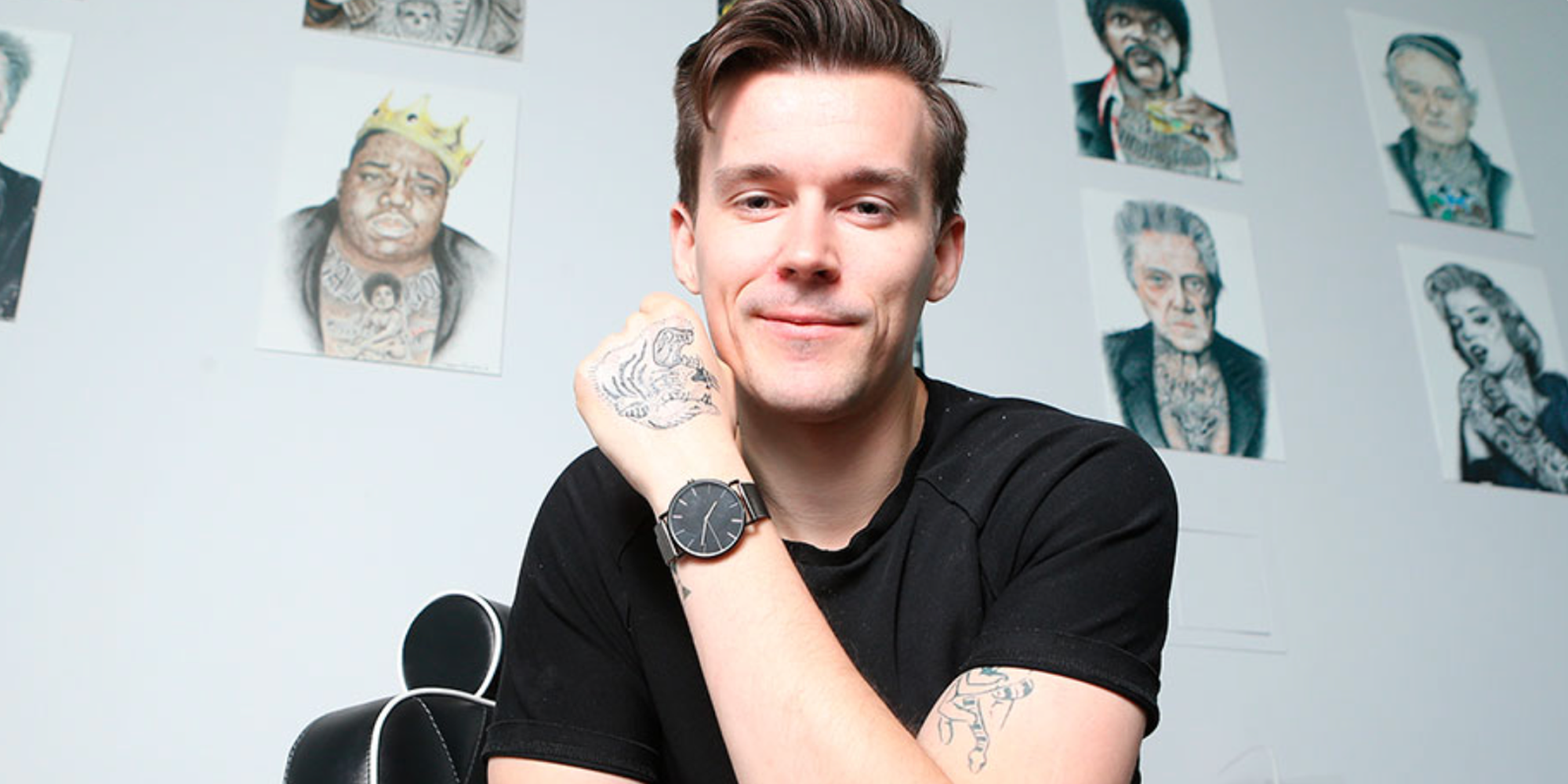

Co-founders Tyler and Braden Handley are exploring a buyback of Inkbox as BIC prepares to shutter the buzzy temporary tattoo brand this quarter and dismantle its skin-focused division.
The potential buyback and closure come roughly four years after the Handley brothers sold Inkbox, which they founded in Toronto in 2015, to BIC for $65 million. The brand became part of BIC’s Skin Creative division, an initiative intended to capitalize on the DIY body art market that BIC predicts will surpass $1.5 billion by 2031. The division also encompassed BodyMark by BIC, an in-house temporary tattoo marker brand, and Tattly, which BIC acquired soon after Inkbox.
“We would love to get the brand back and continue serving our customers and honoring the heritage we built,” Tyler Handley tells Beauty Independent. He served as CEO of Inkbox before stepping away shortly after the acquisition. Last year, he and Braden launched car fragrance brand Olauto.
In a statement issued on Dec. 4, CEO Rob Versloot revealed that the company would be closing down the entire Skin Creative division along with reusable planner and notebook brand Rocketbook due to faltering sales and profitability. In a Jan. 8 LinkedIn post on the closure, Tyler estimated that 50 employees were still at Inkbox.
The brand was registering sales of $27 million in 2021 and shipping hundreds of thousands of tattoos a week to more than 80 countries around the world. About 67% of its business came from North America. At the time of the acquisition, BIC disclosed that Inkbox’s gross profit surpassed 60%. It expected the brand to generate positive earnings before interest, taxes, depreciation and amortization (EBITDA) by 2024.
“I want to thank all our team members at Rocketbook, Inkbox and Tattly for their hard work and dedication,” said Versloot. “It is however my responsibility to ensure that all our activities contribute to [the] group’s growth and profitability. Unfortunately, Rocketbook and our Skin Creative businesses did not deliver on their initial expectations, posting significant declines in net sales and profitability since their acquisitions. This decision reflects my determination to shift gears and build a strong foundation for the future of BIC.”
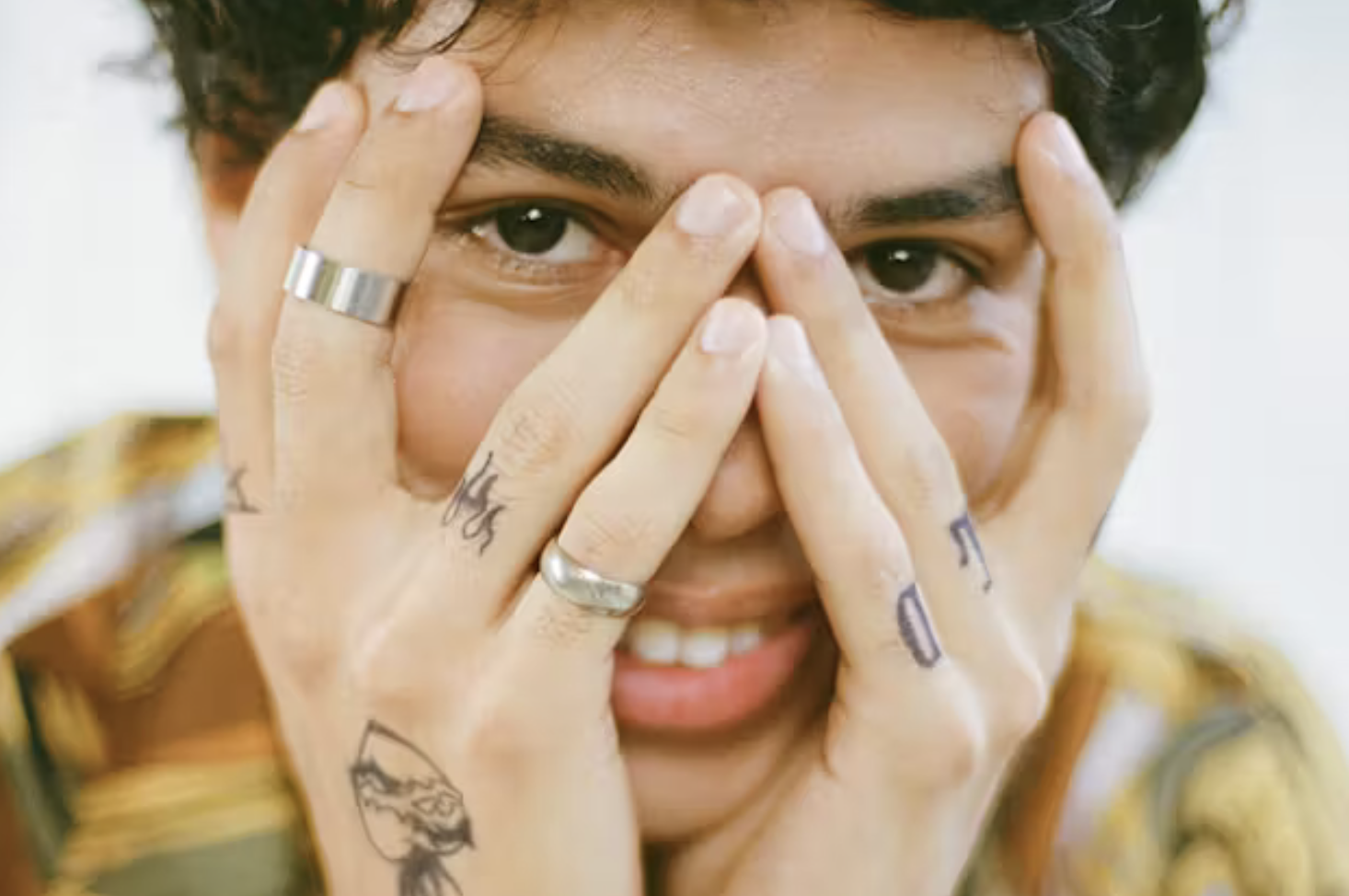
BIC is ending Skin Creative and Rocketbook as many conglomerates are slashing brands through divestitures or closures to prop up profitability. Examples include Unilever’s closure of Ren last year, and Estée Lauder putting up Too Faced, Smashbox and Dr. Jart for sale in a package deal, according to reporting last week from the publication The Business of Fashion.
Publicly traded on Euronext Paris, BIC’s shares are trading below where they were a year ago, having fallen from the mid-60-euro range in 2024 to the low-50-euro range in recent months amid softer earnings. In the first half of 2025, BIC reported net sales of 1.08 billion euros or about $1.26 billion and adjusted earnings per share of 2.35 euros or about $2.75, both down from the year-ago period as softer consumer demand weighed on performance. In the third quarter, net sales totaled about 519 million euros or about $607 million, down 3.3% excluding the contribution from Tangle Teezer, and the company said weakness was expected to persist into the fourth quarter.
Known for its artful designs produced in collaboration with independent tattoo artists, Inkbox’s temporary tattoos leveraged natural dyes from the tropical South American jagua tree to produce realistic-looking tattoo designs that faded within 10 days of application. Individual tattoos retail anywhere from $12 to around $25 to $30 for larger, more premium designs. It also allowed customers to create unique designs with their in-house team.
Prior to its acquisition, Inkbox raised about $20 million in Canadian dollars or approximately $14.4 million over three rounds from venture capital funds and high-profile backers, including Maveron, Founders Fund, Cassius, Golden Ventures, KDWC Capital, Flight Ventures, “Survivor” host Jeff Probst and KGC Capital. It gained recognition for its collaborations with musicians and artists such Travis Barker, BTS, Post Malone, Rupi Kaur and the estate of Keith Haring.
A primarily direct-to-consumer business before BIC purchased it, Inkbox expanded to 1,500 Walmart doors by 2023. It was available at Urban Outfitters as well. In 2018, the company employed more than 100 people across Canada and the United States.