Over the past few years, a wave of indie brand closures has swept through the beauty industry as it has become more expensive, crowded and less forgiving.
The closures are unfolding against a broader backdrop of elevated business churn in the United States. According to the U.S. Census Bureau’s Business Formation Statistics, business applications remain historically high, with 497,046 filed in December 2025, and the agency projects 30,438 of those applications will become employer businesses within four quarters.
At the same time, federal labor data show there were 328,000 business establishments started in the first quarter of 2025, while the most recent published deaths data show 333,000 business establishments ended in the second quarter of 2024, when 931,000 jobs were lost at shuttering establishments, illustrating how hard it can be to translate entrepreneurial activity into staying power.
Behind the shutterings are founders making tremendously difficult decisions. What happens after they make them is rarely discussed. Even when the next chapter looks nothing like the last, there’s life after closing a brand. We spoke to five former founders about what those next chapters have looked like for them.
Some have pivoted away from beauty entirely, choosing stability, family or new industries over another high-risk venture. Others have stayed close to the industry, taking roles at brands where their experience matters and the pressure is shared. A smaller group is planning to reenter the industry with new ideas influenced by hard-earned lessons. There’s no single path forward, but perhaps their stories offer inspiration for other founders in similar boats.
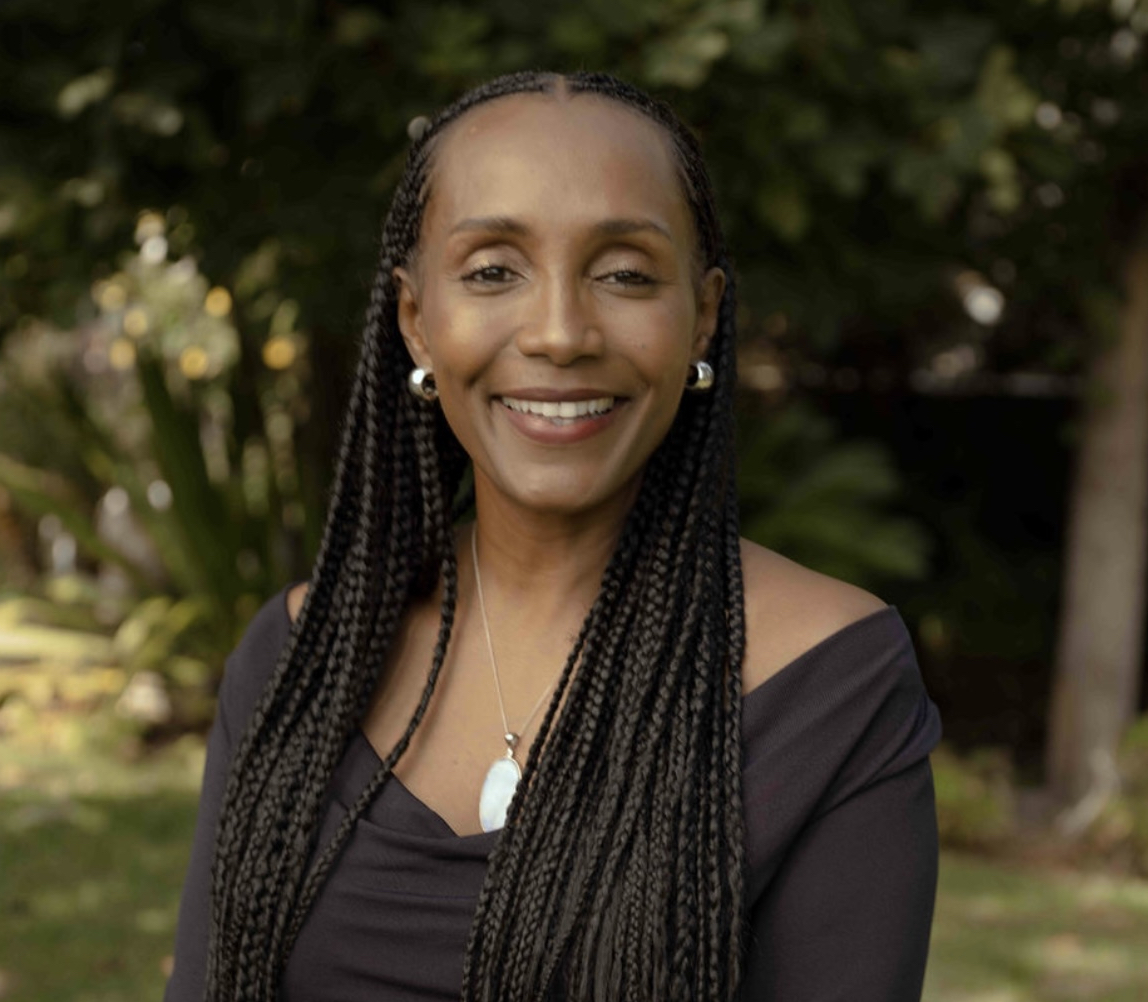
Katonya Breaux, founder of Unsun
Since shuttering mineral sunscreen brand Unsun last January, Katonya Breaux launched Opening Hearts, a life coaching practice for women navigating big life changes and trauma from a death, divorce or closing a business. Breaux’s youngest son, Ryan Breaux, passed away in a car crash in August 2020 at the age of 18. Her oldest son is singer Frank Ocean. She completed a seven-month life coaching certification, is training as a death doula and volunteers with hospice. Breaux says, “This phase of my life, I just want to be about service, not the money hunt.”
Unsun, which expanded to over 10,000 retail doors including CVS and Target and crossed $3 million in sales, formally closed in April last year. The retail climate and fundraising environment had shifted dramatically, and despite Unsun’s national retail footprint, the landscape had “just become untenable,” according to Breaux, who underscores the decision to move on from the brand was deeply personal. “After the loss of my son, I just didn’t have the fight anymore,” she says.
Financially, the closure came with losses, though fewer surprises than some founders face. There were return-to-vendor costs and “thousands and thousands of dollars in product” that had to be discarded, but Unsun avoided bankruptcy and large outstanding loans. Breaux says, “It was no longer sustainable, and you just deal with it.”
Reflecting on her time as a beauty founder, Breaux wishes she had hired slowly and fired quickly, avoided pulling from her retirement savings and been more cautious entering mass retail. Especially for women- and minority-owned businesses in a post-DEI climate, she maintains retail can sink a brand. She says, “There wasn’t any real support then when I went in, but now it’s going to be zero.”
Now, Breaux is finishing out her career with work that she pronounces “deeper and more impactful.” She doesn’t frame Unsun as a failure. Breaux says, “I built something really beautiful.”
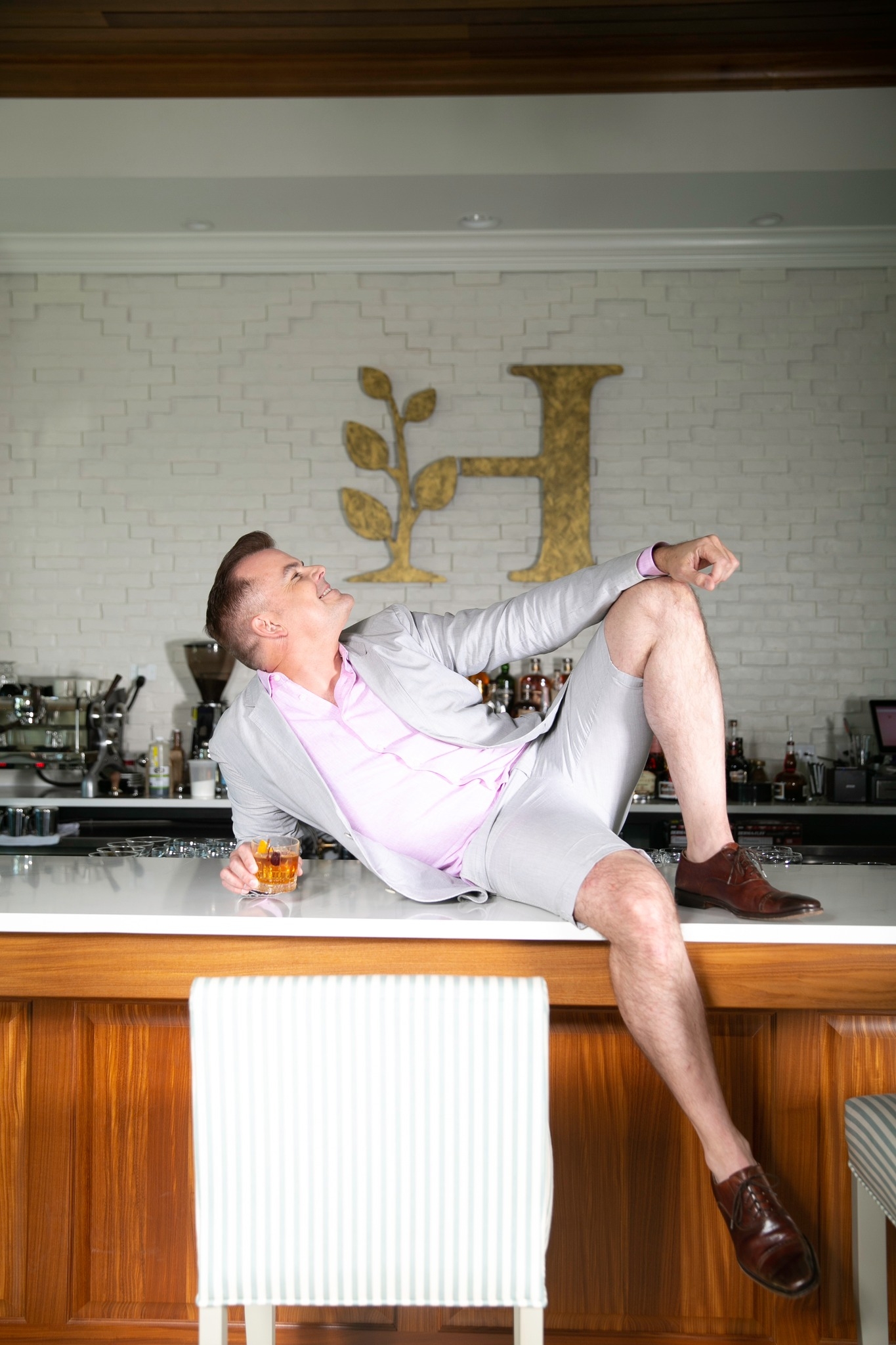
Murphy Bishop II, co-founder and ex-CEO of The Better Skin Co.
Closed in December 2024, The Better Skin Co. had grown to more than $20 million in sales and entered retailers the likes of Bloomingdale’s, Ulta Beauty and Costco. When Costco, the brand’s largest account, elected not to pick up the brand again post-pandemic, co-founder and former CEO Murphy Bishop II recalls “that took millions of dollars out of our business.” He spent more than a year attempting to revive the brand, pivoting it to direct-to-consumer, introducing new products and dedicating hundreds of thousands of dollars to marketing.
Looking back, he believes The Better Skin Co. should’ve closed six to nine months earlier. “I could have mentally moved on,” says Murphy II, suggesting he should have modified the brand’s distribution, too. Prior to the pandemic, it was 95% reliant on retail.
The Better Skin Co. carefully managed its closure. Full-time staff was let go more than a year before the final closure, and it transitioned to contractors and moved consolidated inventory into a warehouse Murphy II owned in Alabama. The remaining inventory was sold to off-price retailers, allowing the company to pay down its final obligations.
Since closing, Bishop has shifted away from beauty, for now. He manages a small real estate portfolio in Alabama, where he works as chief e-commerce and marketing officer for wholesale plant nursery Cottage Hill Nursery. The plant category has unexpected parallels to beauty. “You don’t have to have a plant, but you probably want one, which is sort of like mascara,” says Bishop. “Mascara eventually runs out and dies, and a good plant usually dies and you have to buy another one.”
A return to beauty and Los Angeles, his home for more than 20 years, isn’t off the table. “I still think about beauty every day,” he says.
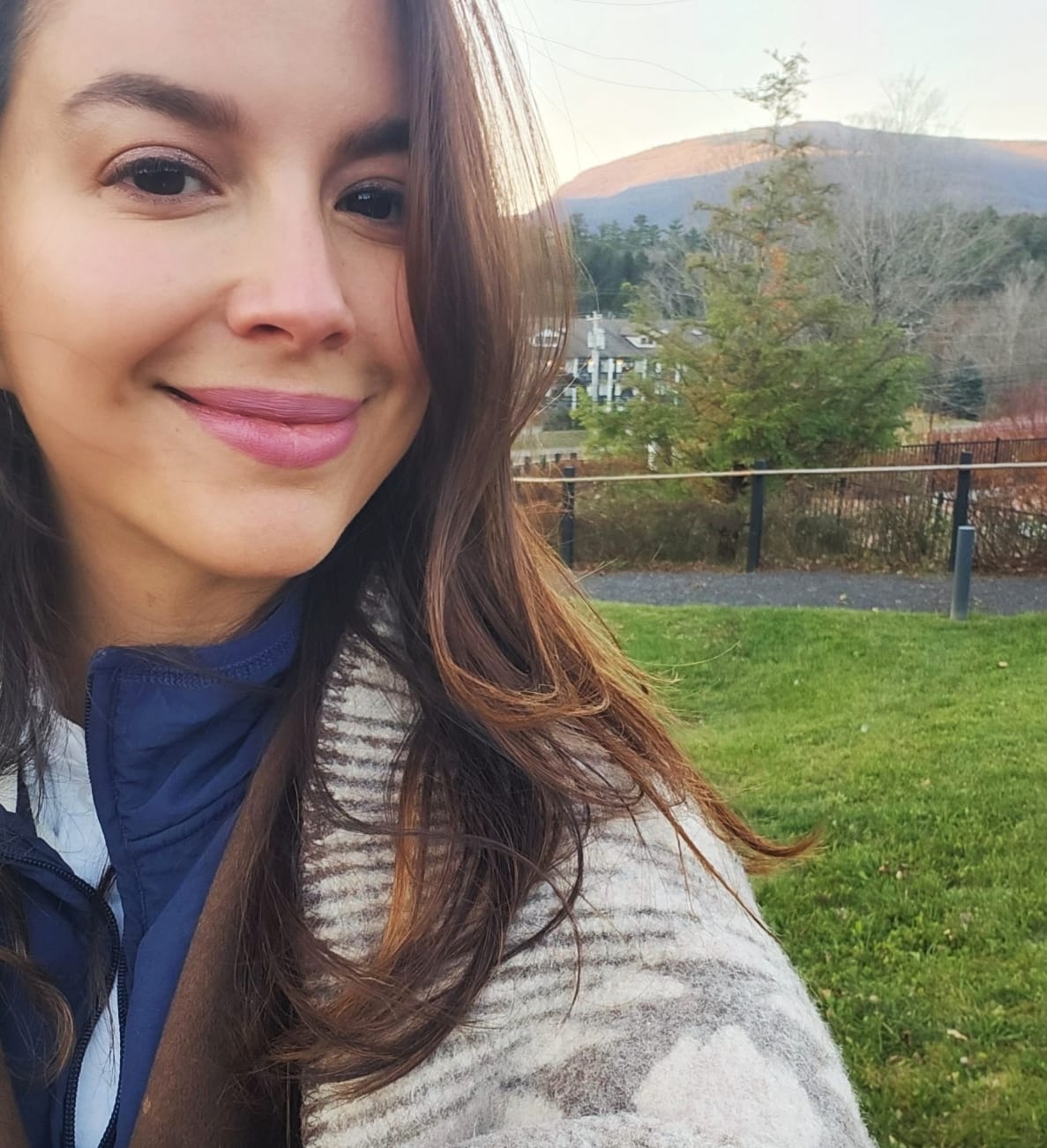
Stefanie Walmsley, founder of Prim Botanicals
After scaling back her self-funded brand Prim Botanicals, Stefanie Walmsley became people and culture manager at the haircare brand Crown Affair. She encourages founders who’ve closed their brands to consider human resources and people-focused roles, emphasizing that wearing a variety of hats atop a brand, from managing a team to resolving conflicts, is applicable to those roles.
Walmsley has discovered that a people-oriented role can provide stability, purpose and a way to leverage hard-earned experience without starting over. She also argues startups are conducive to entrepreneurs used to autonomy and working remotely.
For founders pondering closing their brand, she advises, “You can really have a think on what it is that you enjoy doing on the job and then just reach out to everyone that you can and be like, ‘I don’t know what my next steps are.’ You cannot have any pride or ego about it.”
Prim Botanicals began winding down in 2023 after retail orders fell through, triggering inventory issues and loan obligations. A slashed J.C. Penney purchase order, for example, left Walmsley holding inventory with nowhere to sell it. Today, Prim Botanicals operates at a fraction of its former size, selling limited deodorant and perfume runs primarily to cover overhead. Walmsley describes it as on autopilot.
Through the experience, she gained a clearer view of what founders often overlook, noting that big-box retail can be especially dangerous without deep capital. One of Walmsley’s biggest entrepreneurial lessons from Prim Botanicals is to stay small and proceed intentionally unless resources are firmly in place. “It takes a lot of money to make money,” she says. “You don’t have to skip to the next level if you’re not quite ready for it.”
Holding a job at a more established brand has been a relief to her. “You care about it, but you don’t have the entire stress of it if it fails,” she says. “It’s not solely on your shoulders.”
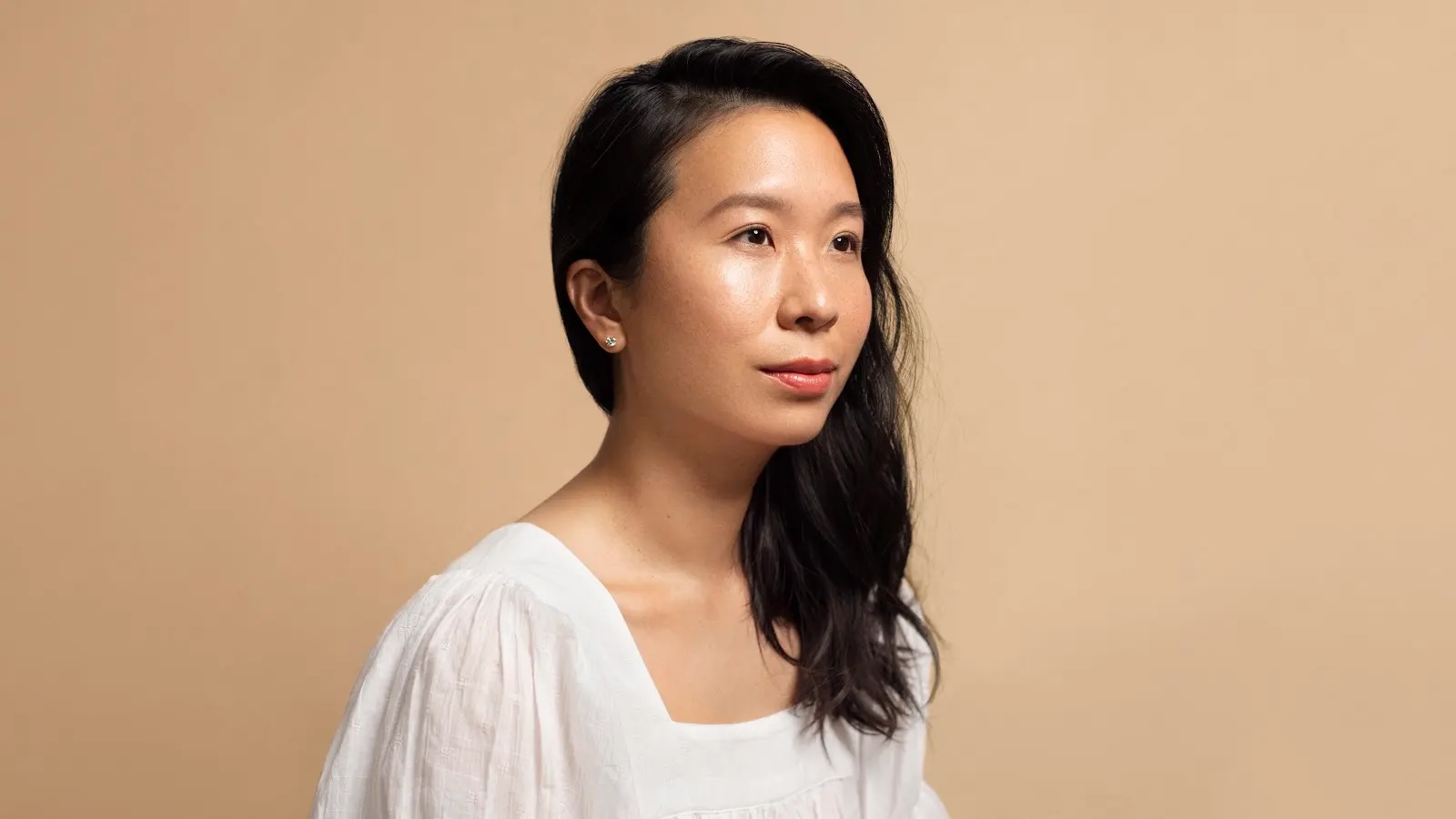
Tina Chow Rudolf, founder of Strange Bird
Founder Tina Chow Rudolf decided to close skincare brand Strange Bird nearly two years ago, a decision she deems a success. The brand paid back her investment in it, left a financial cushion for her family and gave her the freedom to pivot toward her priorities. Chow Rudolf, who was the sole full-time employee at Strange Bird, says, “The business was all about selling and talking about skincare, not about the mental health and self-care aspects I really wanted to focus on.”
Since the closure, Chow Rudolf has dedicated herself to her 8 and 9-year-old children to be fully present during their elementary school years. She has taken on roles as class parent, PTA board member and field trip chaperone, calling it “the best job ever” despite the constant juggling of calendars and responsibilities.
At the same time, she’s planting the seeds for family-driven brand, Earth To Gaia, inspired by her daughter’s ADHD. Rudolf Chow says the idea is to make neurodiversity “feel really fucking cool.” And she’s pursuing other occupational options, including reinstating her social work license and exploring potential life coaching projects. “Entrepreneurship is just one way to be creative,” says Chow Rudolf. “Acting, painting, coaching, those are all ways I express myself.”
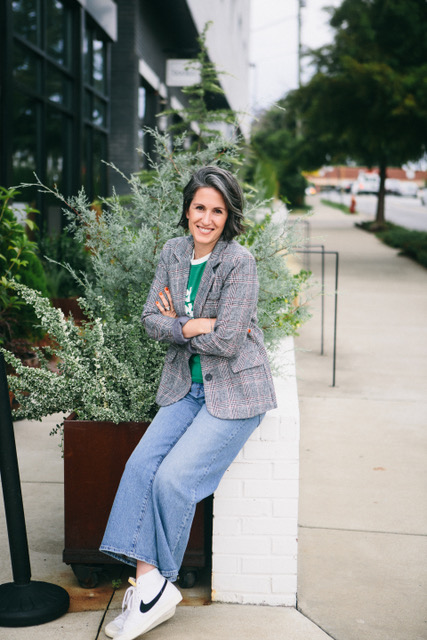
Heather Hamilton, founder of Zoe Organics
After 14 years, founder Heather Hamilton closed natural mom and baby care brand Zoe Organics in August 2024. The decision came after years of increasing pressure on the business, from post-pandemic retail losses and a major wholesale partner bankruptcy.
When Hamilton and her family relocated to Nashville from Northern California in 2022, the challenges intensified. Zoe Organics had long handled manufacturing and fulfillment in-house and rebuilding them felt insurmountable. Burnout and mental health struggles contributed to the insurmountability. Hamilton recounts, “I just didn’t have the energy or the financial resources.”
“There was a lot of shame in feeling like I had failed, especially after so long, and just what people would think or what I felt about myself,” says Hamilton, who writes the Substack The Founder’s Edit. “It was a really hard season.”
Along with starting the Substack, she began consulting with startups and returned to teaching business classes post-closure. Hamilton says, “I realized how much of my identity was tied up in the business for all those years after that, and I wasn’t sure if I wanted to continue to work in the industry or if I just wanted a break from it.”
Now, unexpectedly, Zoe Organics could return to the market. After receiving messages from customers devastated by Zoe Organics’ closure, one reached out with an offer to resurrect the brand. The two formed a partnership in May last year and are planning a tentative relaunch for this year.
The approach will be different because the space is crowded and more competitive, and its target audience is younger than Zoe Organics’ was. It helps that Hamilton’s new partner, who will lead operations, is a young mom. The relaunch will include a rebrand and new products. Hamilton says, “It’s going to be a really cool comeback story.”