For Workouts And Workdays, Haeskn Pairs K-Beauty-Inspired Sun Protection With Portability

Eugene Dennison Kim contends it’s high time sun protection in the United States caught up with its global counterparts. “It’s contributing to less product adoption for such an important step in your routine,” says the creative director at agency Beautéwork and former package design director at Clinique.
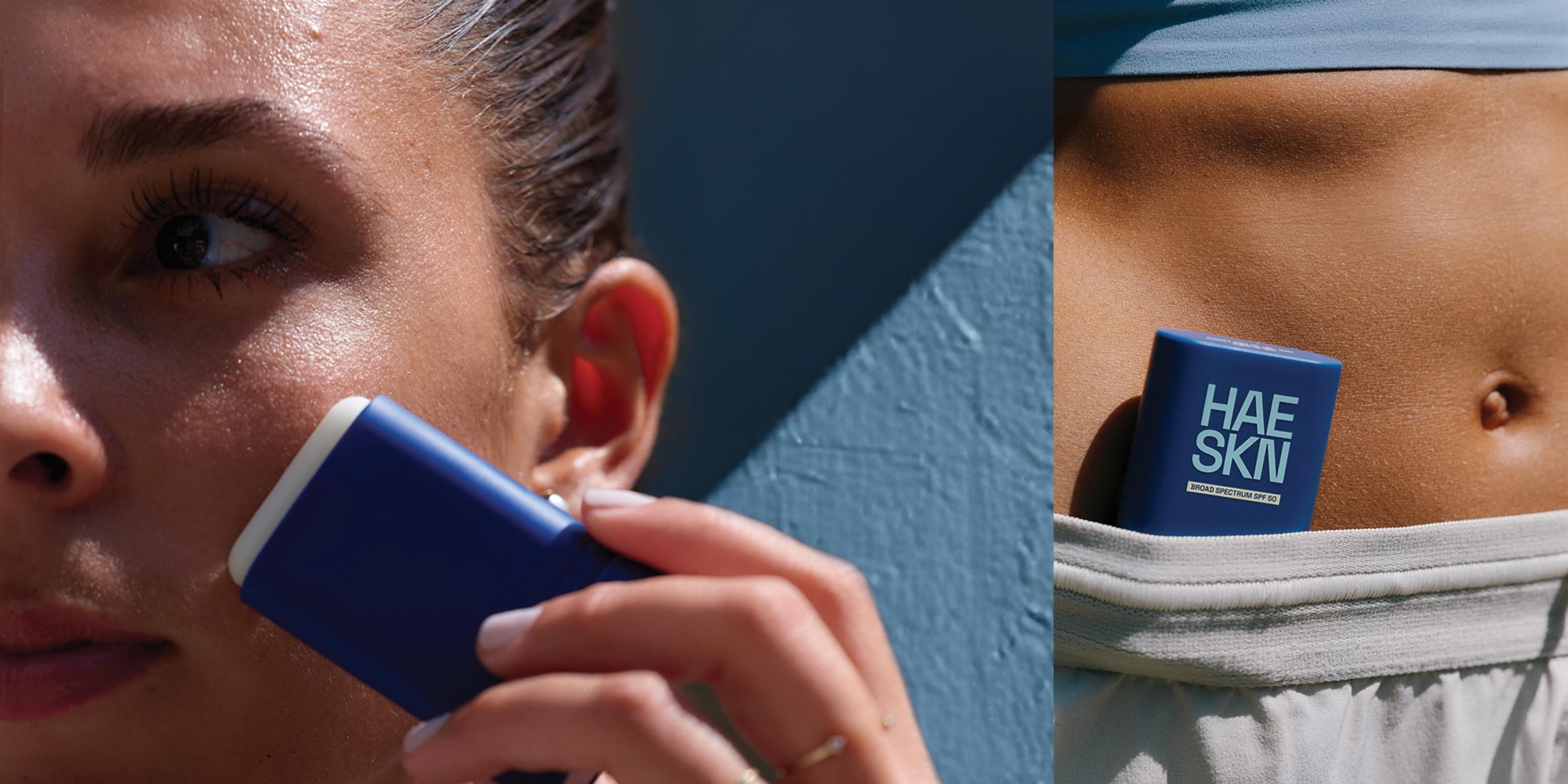
At Haeskn, a new brand Kim has launched with his wife, Sherril HwangBo, a content creative director at Moët Hennessy and former global design director at DFS Group, the goal is to push the needle of American sun care with skincare-first formulas featuring South Korean ingredients and technology. It’s starting out with a $24 SPF 50 sunscreen stick containing ceramides, ginseng and rice extracts.
“As Koreans, taking care of our skin has always been second nature, yet we kept running into the same problem: sunscreen that didn’t fit real, on-the-go life,” says HwangBo. “Everything felt either too bulky, messy or inconvenient to reapply throughout the day, and so we decided to create the product we wanted for ourselves, something effortless to carry and born from the belief that sun protection should feel intuitive, not like a compromise.”
Haeskn is gender-neutral, lifestyle-driven and meant to meld a luxe look with the accessibility of an essential daily ritual. Its sunscreen stick uses U.S. Food and Drug Administration chemical ultraviolet filters homosalate, octisalate, avobenzone and octocrylene, and is formulated for a lightweight texture, clear finish and easy reapplication, hallmarks of modern K-Beauty sun care. It was developed in California to meet U.S. regulatory requirements.
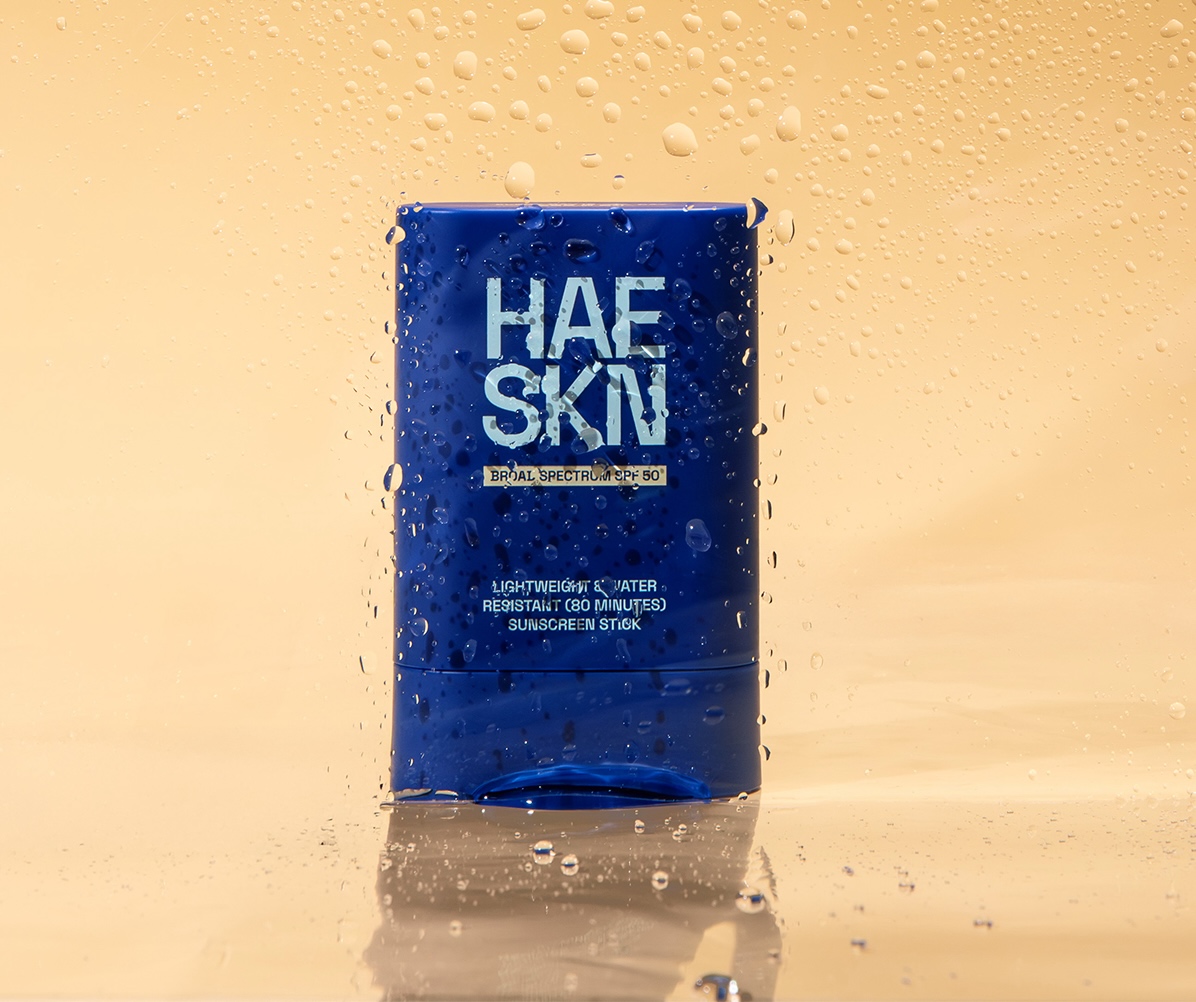
“We took a more considered route, carefully balancing the system to create a texture that applies smoothly, feels lightweight and dries down transparently on skin without drag or residue,” says Kim. “Even in sunscreen, we take a skin-first approach that is deeply rooted in Korean formulation philosophy.”
Exposed to the elegant formulations of K-Beauty sunscreens on social media, American consumers are seeking them out. They’re part of a huge second wave that’s taken hold in the U.S. According to Anna Mayo, VP of the beauty vertical at market research firm NielsenIQ, K-Beauty sales in the country have soared roughly 40% year over year to reach $2.5 billion. As the segment surges in the U.S., the competitive set in sun care is deep, with players such as Beauty of Joseon, Skin1004 and Round Lab.
However, many South Korean sunscreens can’t be sold in the U.S. because they incorporate filters not permitted for domestic marketing. Sunscreens are regulated as over-the-counter drugs in the U.S., and strict guidelines govern which UV filters can be used. The FDA has recognized 16 sunscreen active ingredients, with the last major update dating to 1999. Europe and South Korea permit more than 30 UV filters. Bemotrizinol (BEMT), a filter authorized in Europe and South Korea, is among those under review for potential use in the U.S.
So far, Kim and HwangBo have invested about $175,000 in Haeskn and received financial support from friends and family, enabling them to guide the brand while being involved in every decision. The brand is in active conversations with a pre-seed angel investor. In its first year, it’s targeting $1 million in sales, with plans to reinvest it all back into the business for inventory, operations and product development. Two products are in the pipeline, slated for release late this year or early next: a post-sun skincare product and a scalp protection product.
SPF testing has been controversial in the beauty industry, forcing sunscreen brands to be highly diligent about it. Haeskn’s sunscreen stick underwent standard in vivo and in vitro SPF testing, a process Kim describes as often requiring brands to validate results across multiple laboratories. In Haeskn’s case, he explains the product reliably hit its SPF 50 target through a single lab. He attributes that to formulation integrity rather than testing conditions. “Even dispersion of the UV filters is critical,” says Kim. “We focused on making sure the formulation stays uniform from the first swipe to the last, so the SPF performance remains consistent over time.”

For distribution, Kim and HwangBo are pursuing a lifestyle strategy focusing on sports- and community-driven retail opportunities. Haeskn will depend on its direct-to-consumer channel and social media platforms to cultivate a close relationship with its audience and power expansion. Kim and HwangBo see strategic retail partnerships in the brand’s future, with masstige positioning at retailers like Olive Young and Target on their wish list.
“We want to build a direct relationship with our community, gather real-time feedback and control how the brand is introduced and experienced,” says HwangBo. “This approach allows us to grow responsibly, stay close to product quality, and build long-term momentum rather than chasing short-term scale.”
Since Haeskn’s November debut, HwangBo reports customer reaction has been encouraging, particularly in in-person, community settings. The brand has unveiled activations at golf, run-club and other fitness-related events, including those led by Hoka, On, SLT and Studio Pilates. Kim notes the uptick in wellness pursuits like racquet sports, running and Pilates further positions Haeskn to win over consumers. Recent participation data underscores that trend: a 2025 report from the Sports & Fitness Industry Association found that 80% of U.S. adults engaged in at least one fitness or sports activity in 2024.
“What stood out most is how quickly people understood the product once they tried it,” says Kim. “The stick format, texture and ease of reapplication resonate immediately, especially with people who are already active and outdoors.”
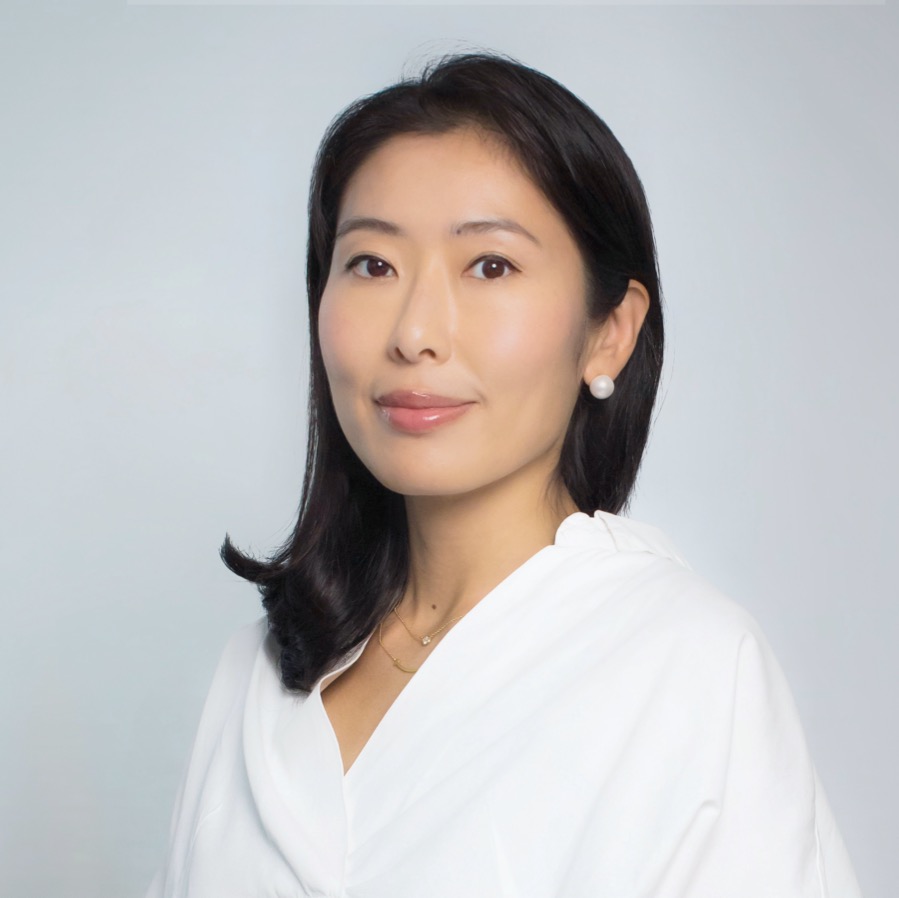
Ultimately, HwangBo argues Haeskn has the opportunity to become “the portable hand sanitizer of sunscreen” and capture the post-COVID omnipresence and renewed aesthetic quality of what was once an overlooked commodity. “Since COVID, hand sanitizer has become a handbag staple, with sleek, beautifully designed brands, and we see sunscreen evolving the same way,” she says. “We want to upgrade the space and offer an item that people are proud to pull out of their bag and genuinely enjoy using.”