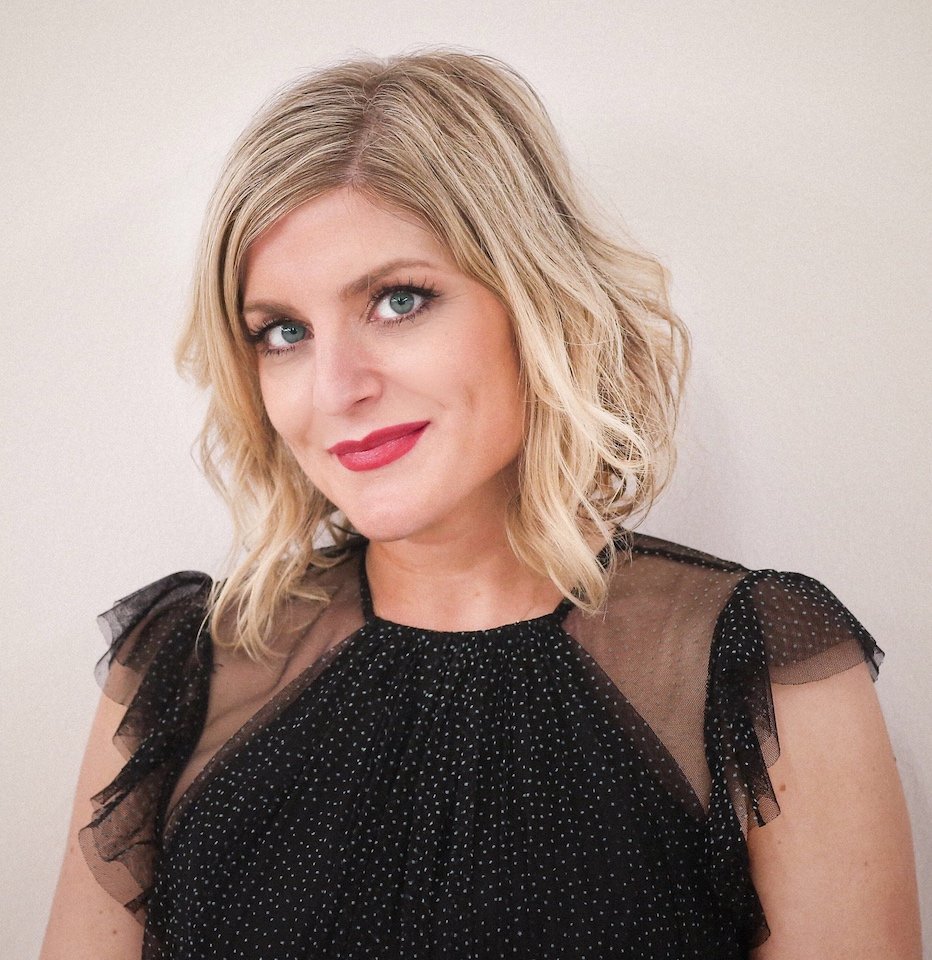
Should you tend to your sexual health at the same place you treat your crow’s feet? Entrepreneur Cindy Eckert thinks so.
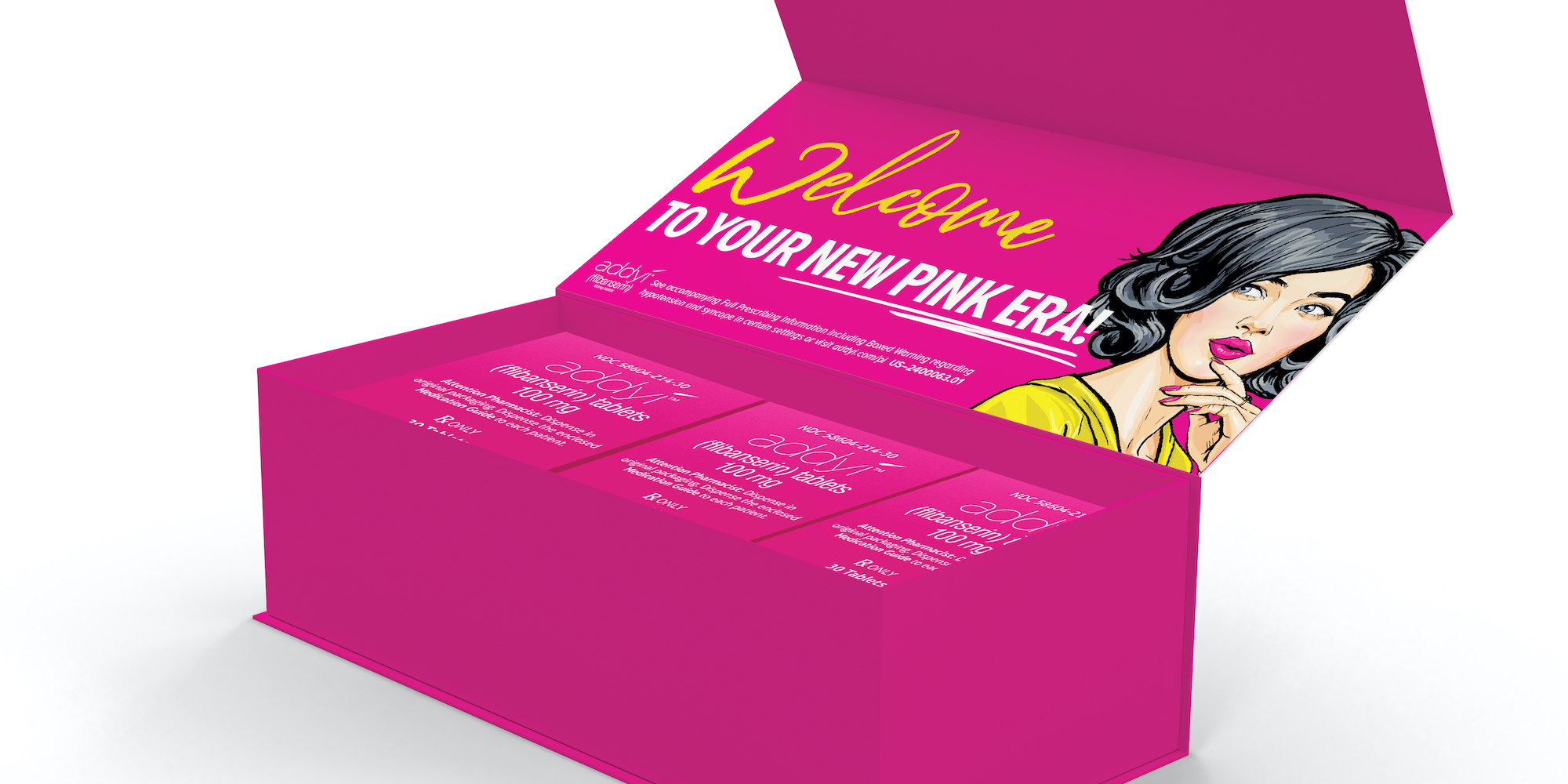
The founder and CEO of Sprout Pharmaceuticals is bringing Addyi, the brand name for flibanserin, the only hormone-free pill clinically proven to treat low sexual desire in women, to med-spas and dermatologists’ offices. Currently, the “little pink pill” is in 200 med-spas and Eckert projects that number will increase to 400 by year-end. There are over 10,000 med-spas in the United States, according to the American Med Spa Association, giving Addyi ample runway to scale. Sprout Pharmaceuticals reports its revenue jumped 77% last year, and it’s on track to double in size this year.
Addyi’s push into med-spas comes as the med-spa channel is opening up to treatments beyond traditional aesthetics, such as GLP-1 drugs. According to Guidepoint Qsight, 60% of American med-spas provide GLP-1s, a move that’s driving sales. The average spend per patient in med-spas offering GLP-1s rose 5% to $1,471 in 2024, and their revenue overall accelerated 9% on average, compared to a 2% decline in those not offering GLP-1s.
Addyi could be another lucrative offering for med-spas without the steep upfront capital investment associated with professional aesthetic devices. For consumers, the cost of Addyi without insurance comes out to $199 a month. Med-spas dispense 90 days of the medication for $599.
“The next big beauty product isn’t a blush called Orgasm, it’s an orgasm itself, and I think it’s being consumed in the same place we consume beauty,” says Eckert. “We think about aesthetics in midlife. If we elect to have those treatments, and we think about weight with GLP-1s and we think about hormone replacement therapy, Addyi sits in that triangle more neatly than anywhere else.”
“The next big beauty product isn’t a blush called Orgasm, it’s an orgasm itself.”
Addyi was approved by the U.S. Food and Drug Administration in 2015 to treat hypoactive sexual desire disorder (HSDD) in premenopausal women. This week, the drug was granted priority review by the FDA for its supplemental application to expand the indication of Addyi to also include menopausal women. Currently, women dealing with decreased sexual desire generally turn to gynecologists, but Eckert, who’s been in the pharmaceutical sexual health space for over 15 years, has discovered that gynecologists often don’t seriously address their issues or the remedies for them.
“Imagine if we said the things to men that we say to women when they’re in an ED consult: ‘Have you tried faking it? Have you tried getting a new wife?’ And OB-GYNs will say that they’re only trained about reproduction and fertility. I believe you can’t go through the sexual revolution and end it at reproduction. We’ve got to take it all the way through pleasure, not just having choice in our body, but enjoying our body.”
Eckert isn’t waiting for OB-GYNs to adopt her philosophy. She’s seen enthusiasm for Addyi across what she calls “medically supervised spas,” which include standalone destinations, med-spas attached to plastic surgeons’ offices and dermatologists’ offices with aesthetic nurse practitioners. Eckert has detected that NPs in particular are passionate about Addyi’s mission. Any medical provider that is authorized to write prescriptions can prescribe Addyi to patients.
“They have really picked up the flag to learn about hormone replacement therapy, about products like Addyi,” she says. “They dominate our prescribing. But it’s funny [that it’s] in environments that you wouldn’t anticipate.”

Rachel Fidino, a registered nurse and founder of New U Women’s Clinic & Aesthetics, is a flag bearer for Addyi. She says that the medication is “reshaping the way we approach women’s sexual health.” She continues, “Too many women arrive at our clinic having never been asked about their libido, let alone presented with real options. Addyi opens that door, giving women the chance to feel seen, heard and supported. For many, it’s the first time they’ve felt truly empowered in this area of their health. Sexual wellness is not a luxury, it’s essential—and it matters at every stage of life.”


Leave a Reply
You must be logged in to post a comment.