Packaging, Speed And Scale: How Selfnamed Is Helping Beauty Brands Launch Differently
The rise of social commerce isn’t only changing the way people shop, it’s also reshaping how quickly brands must move to stay relevant.
Social commerce accounted for around 17% of total online sales in 2025, according to Shopify, and that growth is compressing product development timelines across the beauty industry. Brands no longer have the luxury of year-long development cycles. Instead, many founders are launching with small assortments, gathering real-time feedback, and iterating quickly.
This shift has fundamentally changed expectations around packaging and branding. Tools that once required multiple vendors, from design studios to manufacturers and compliance specialists, are increasingly being consolidated into streamlined platforms. The result is an accelerated path from concept to consumer and a lower barrier to entry for founders without deep technical backgrounds.
Selfnamed, a technology-driven private-label beauty platform operating across the United States and Europe, was established to address a growing disconnect in the traditional product development pipeline. “Private label used to require founders to become experts in chemistry, logistics and compliance before they ever even got to marketing,” says Anete Vabule, co-founder and CEO of Selfnamed. “That complexity slowed creativity and excluded a lot of great brand ideas.”
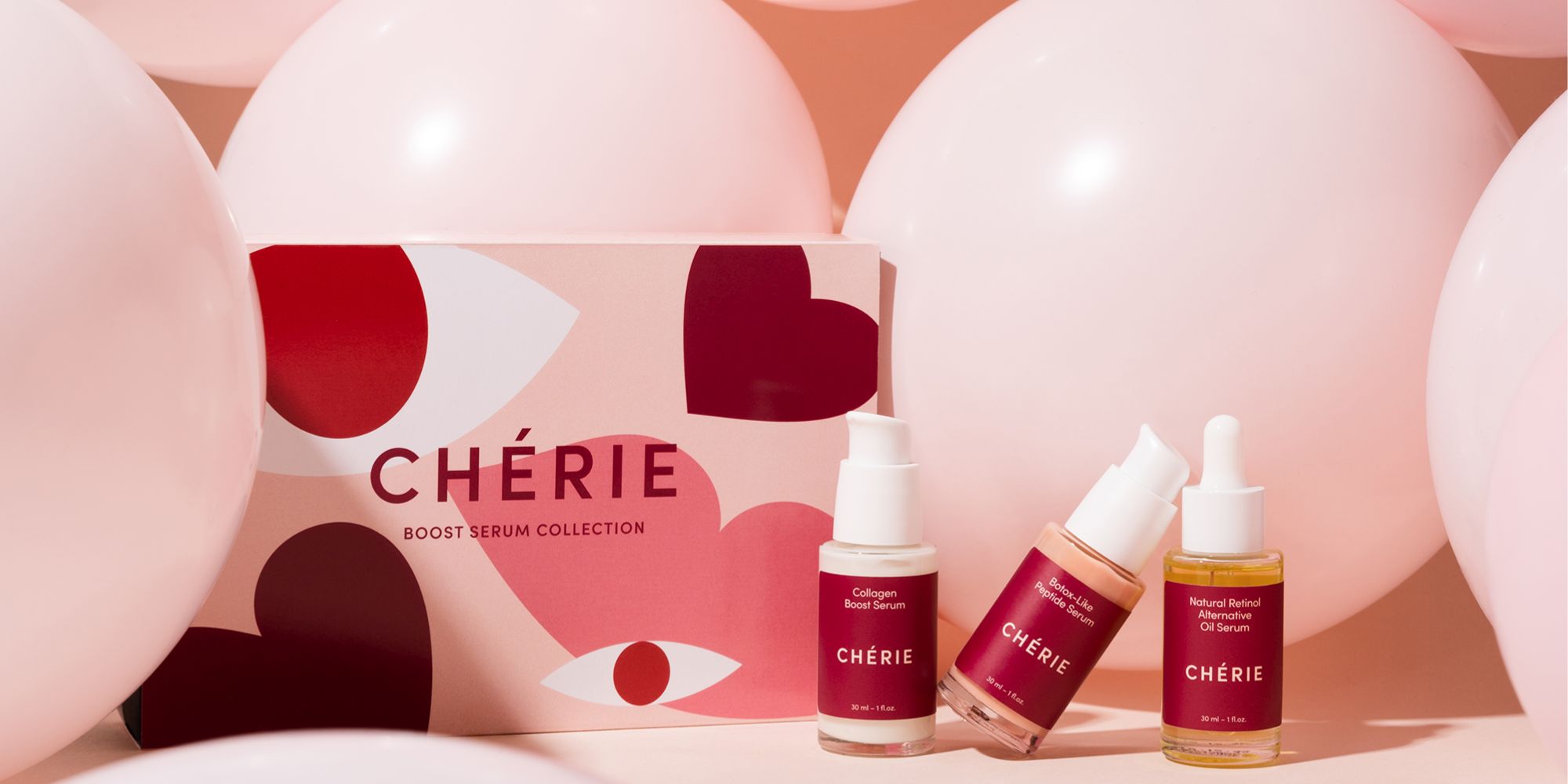
Through the platform, brands can create market-ready beauty products in minutes. Its built-in design studio handles the complexities of three-dimensional packaging. Think boxes, labels and sets. And ready-made templates allow founders to customize branding, generate product imagery and prepare products for e-commerce.
The platform integrates directly with Shopify, WooCommerce and Squarespace, enabling brands to move seamlessly from concept to commerce. With no minimum order quantities, emerging founders can test new ideas while keeping risk tightly controlled.
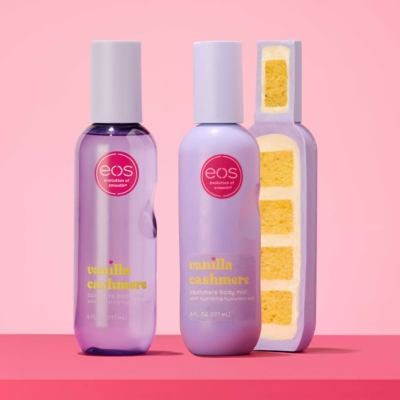
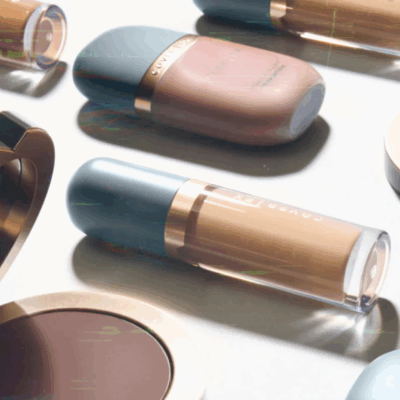
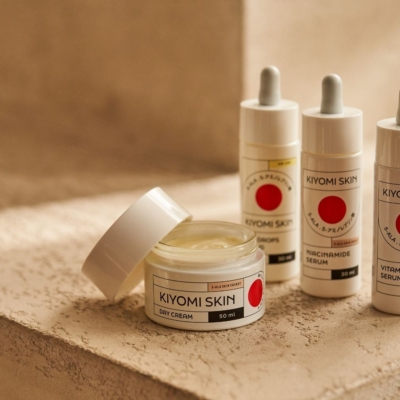
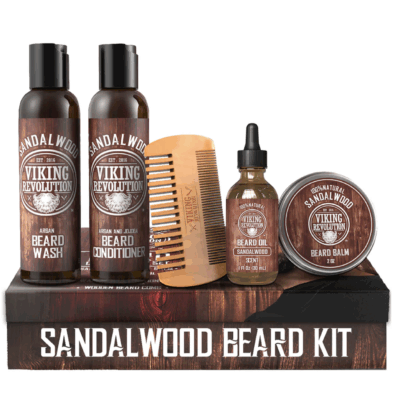
While minimalism remains a mainstay in beauty packaging, it’s no longer the sole visual language winning shelf space or screen time. Kristaps Birmanis, CGO and co-founder of Selfnamed, has noticed that brands are increasingly choosing between two divergent paths: restrained, timeless packaging design or bold, expressive packaging shaped by gen Z aesthetics.
He says minimalist packaging signals trust, efficacy and longevity, particularly in skincare, and more playful, maximalist designs are gaining traction on platforms like TikTok, where visibility and immediacy are prioritized over subtlety. Rounded packaging silhouettes, once closely associated with pharmaceutical products, are seeing renewed relevance as advances in manufacturing improve their look and feel.
Sustainability remains an expectation, but not at the expense of function. Selfnamed focuses on recyclable packaging that performs reliably in real-world use, from pump functionality to shelf stability. “If packaging fails, it’s inherently unsustainable,” stresses Vabule.
Glancing ahead, the most meaningful innovation is likely to come from greater use of recycled materials rather than experimental substrates that don’t integrate well into existing waste systems. Selfnamed is exploring refill models for hospitality and boutique environments, where habit change is easier to support at scale. But while consumers often say they want more sustainable options, those preferences don’t always translate at the register. Vabule cautions, “It’s very difficult for a consumer to change their habits.”
Selfnamed’s approach is to remain intentionally versatile. Rather than offering hyper-custom, one-off packaging that limits accessibility, it concentrates on adaptable formats that brands can personalize through typography, layout and labeling. “Our goal isn’t to dictate brand identity,” explains Vabule. “It’s to give founders the tools to express it clearly and authentically.”
As legacy beauty brands struggle to adapt to social-first commerce, niche players are finding room to grow by aiming at underserved audiences and fostering authentic communities. Selfnamed is intended exactly for this environment. With one-item minimum orders and extensive customization options, founders can test, refine and scale without overcommitting capital.
“Niche brands don’t have to beat industry giants to win,” says Birmanis. “They just have to deeply understand their audience. TikTok, Amazon and other social commerce are a great opportunity for them to start small, deliver the message straight away to their audience and sell directly to them and scale from there.”