
In the beauty industry, it’s easy to get caught up in sweating the small stuff, from engagement on the latest social media post to the exact discount to offer on a good deal.
Sometimes, however, big thinking is required to reimagine the possibilities. As artificial intelligence recalibrates the economy and human interaction, the political world order realigns and consumer sentiment plunges, beauty businesses are at a crossroads, and their old models may not be suited to the new age. It will take more than tinkering with performance marketing to readjust those models for long-term viability.
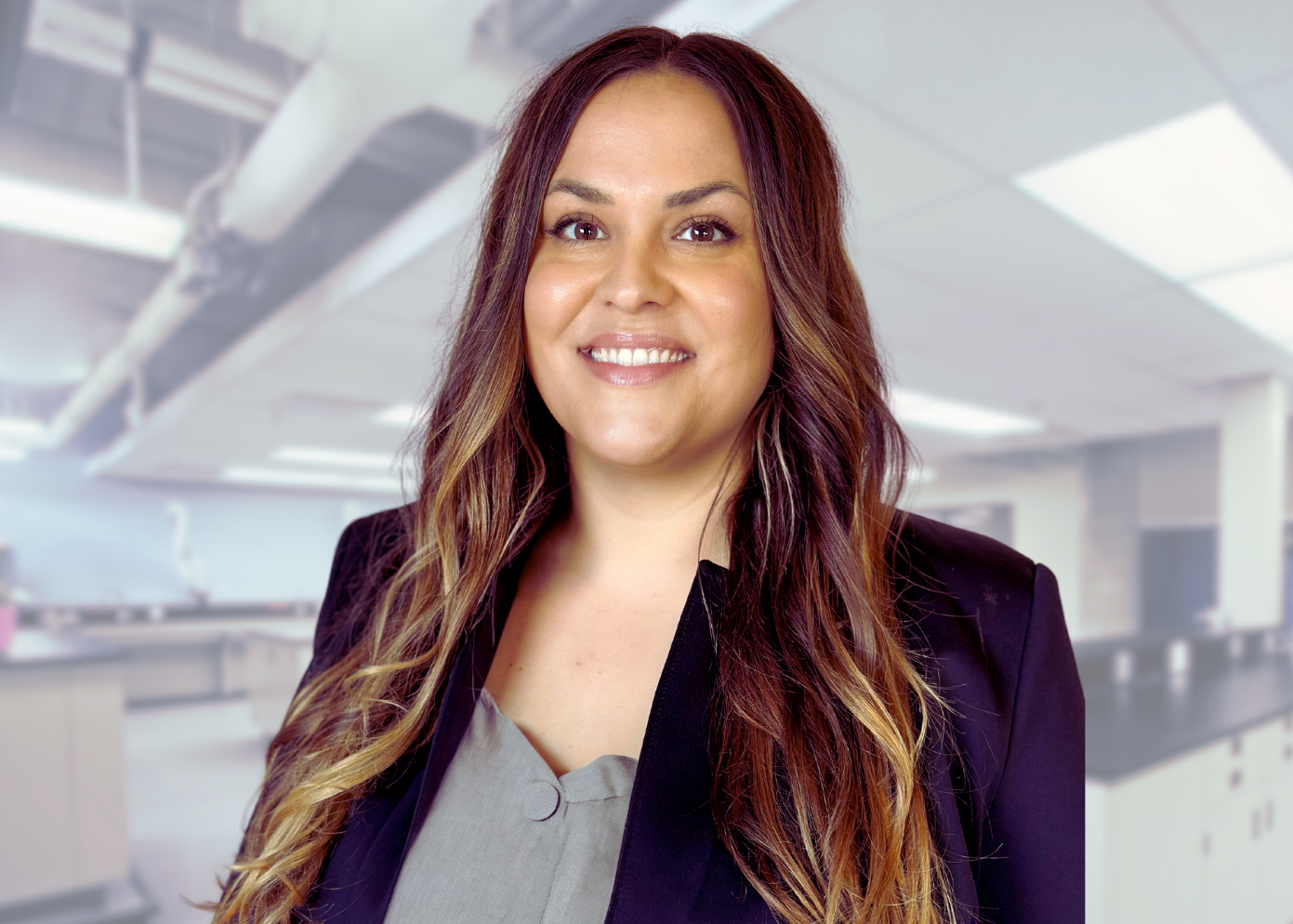
When the moment calls for big thinking, we at Beauty Independent have frequently turned to Julie Pefferman, cosmetic chemist and founder of product development company Cosmeta and brands such as the butt-acne-focused Skin Boss. Forecasting beauty’s future for us since 2019, she correctly clocked this year’s lift in peptide IQ (TikTok has been inundated with videos breaking down various peptides), cosmetic chemists raising the curtain on the process of creating beauty products (see Alex Padgett of Educated Mess) and a wave of solo entrepreneurs launching beauty brands, most visibly on TikTok.
What she didn’t picture was the tremendous toll of tariffs on beauty companies. Next year, she expects tariff impacts to linger, with brands retaining INCI list reductions they made to formulas in reaction to the added cost burden of tariffs. “An average bench chemist can dump 60 ingredients in, but it’s bad for the supply chain to have so many ingredients,” she says. “I think that will stick. What will also stick around is the brand fear that it will happen again.”
Below, Pefferman walks us through eight other trends that could shake up the beauty landscape in 2026 and beyond.
1. Indie Beauty Shakeout
Pefferman foresees a deluge of closures among beauty brands that have crossed their double-digit birthdays. Many haven’t optimized for the current distribution environment, where Amazon and TikTok Shop are commanding a greater share; they’re strained under ever-greater costs to reach customers amid intensifying competition for attention; and they’re slow to join the artificial intelligence revolution.
“There are almost too many points that you have to pivot on if you are a 10-, 15-, 20-year-old brand,” she says. “Sadly, it’s the most pessimistic I’ve been about American indie beauty brands for a long time. I think they’re going to be replaced by people who know the new rules. Some of the talent at the older brands can go to the new brands.”
She adds, “We are going to start going to AI before our dermatologists, before our beauty editors. It’s leading to a commoditization of products because it values clarity and the right input. So, it’s about brands that can really speak to that with a good story and a repeat purchase rate. For brands that can’t meet those requirements, I think a lot are going to shutter in 2026.”
2. The New Indie Brand Launch Playbook
With product equity overtaking brand equity in today’s beauty industry, Pefferman believes the new playbook for brand launches involves a cheaper test-and-learn approach. With as little as $25,000, she explains, new brands can experiment with an early range of four to five products on Amazon, TikTok Shop and their direct-to-consumer platform to gauge consumer response. Once they gain initial traction, they can flesh out their business around consumer demand.
“The new way is to get your cost of goods down, differentiate your formula, prove your results and let a hero emerge without overly investing in packaging. They have to justify their existence with a compelling reason to be,” says Pefferman. “If the hero emerges, the next step is to invest in your moat, which would be awesome branding, clinical studies and SKU proliferation.”
3. Trust Economics
According to Gallup polling, a near-record low of 28% of American adults report having a “great deal” or “quite a lot” of confidence in United States institutions. Businesses aren’t immune to this erosion of trust. Gallup polling shows Americans’ view of big business has soured significantly, with only about 37% of U.S. adults rating big business positively. Small businesses, however, fare far better, with surveys showing around 70% of Americans express high trust in them.
Indie brands can secure favor among consumers by reaffirming trust. “Trust is the new economy. Consumers are skeptical and value consciousness, probably more so than at any other time in the modern beauty industry,” says Pefferman. “Last year, we started moving toward clinical proof. I call it ‘science you can see.’ Now, we are moving to the battle for repurchase. You can fool people into buying once, but how do you get them to repurchase?”
Pefferman argues that brand and product trust will increasingly factor into repurchasing decisions. Brands can inspire trust by letting consumers into the process of how products are made, demonstrating a connection to human production and revealing the genuine entrepreneurship behind a business.
They can also inspire trust by validating their messaging and embracing raw human elements in their content rather than prioritizing polish. For example, she highlights verification around before-and-after imagery. In marketing, Pefferman says, “We want to see people’s flaws to know that they are real.”
4. Value Retail
As consumers flocked to value, off-price retailers outperformed their traditional counterparts in 2025, registering store traffic and sales growth. Beauty has noticed the strength of off-price, with some brands touting the treasure hunt mentality of shopping at T.J. Maxx and Ulta Beauty and Bath & Body Works popping up at Tanger Outlets shopping centers with full-price locations.
Pefferman anticipates beauty’s off-price affair heating up. She argues the time could be right for a novel off-price beauty concept that pairs everyday essentials with discounted goods from brands that have to clear excess inventory and unopened products that had been originally intended for Amazon. The concept could possibly sprout up in secondary and tertiary metropolitan markets for beauty-loving customers with tight budgets.
5. GLP-1-Related Claims
After surveying 174 med-spas and dermatology and plastic surgery clinics, global management consultancy McKinsey & Co. concludes GLP-1 use is “expanding and reshaping the aesthetics customer base,” pointing out GLP-1 users are turning to aesthetics for the first time to address concerns such as facial volume loss and sagging skin.
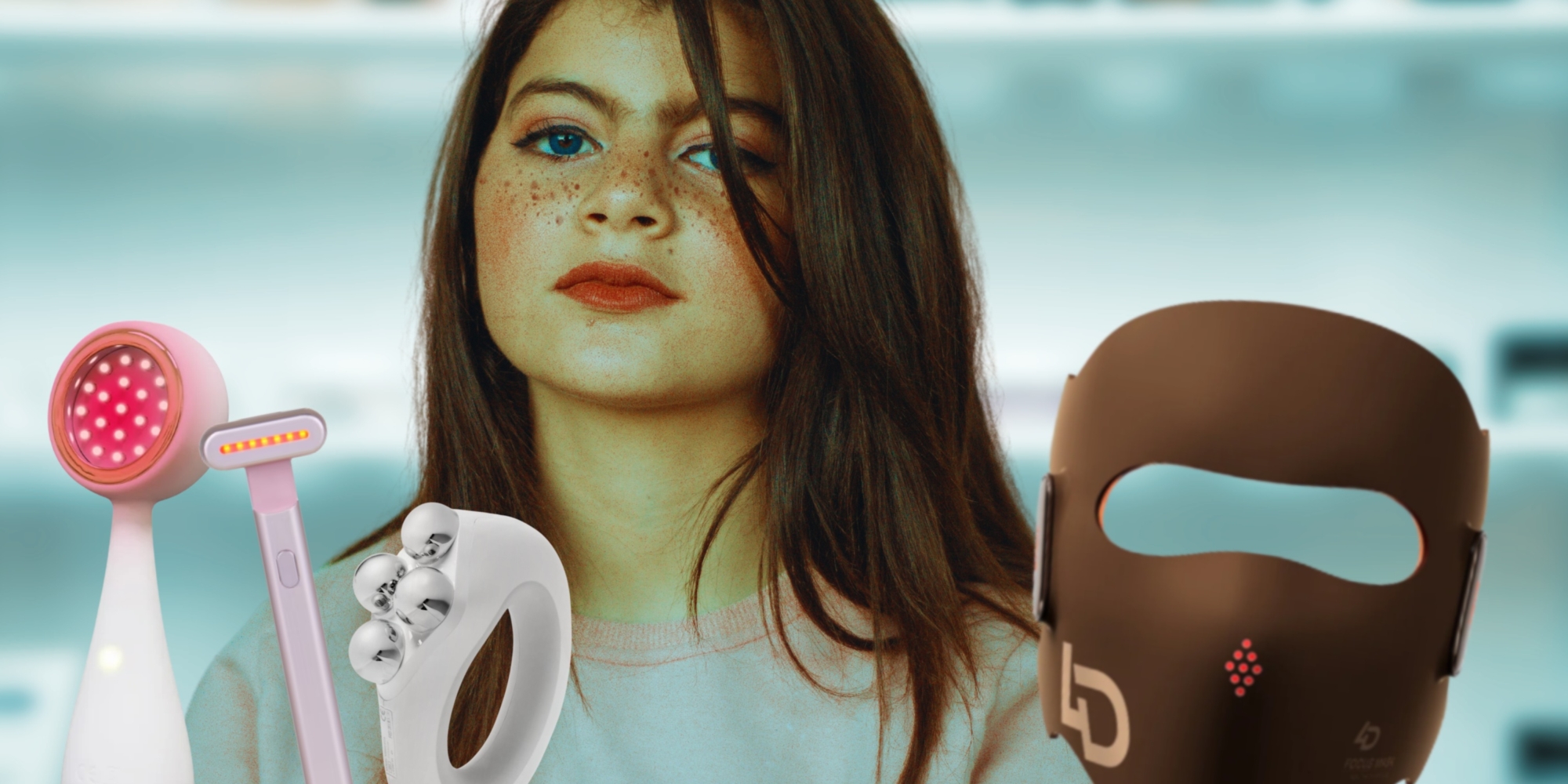
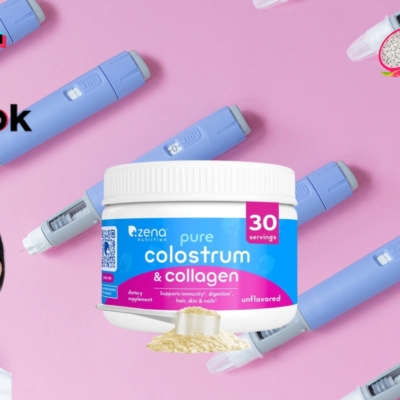
Pefferman predicts related claims will cascade into skincare. The new cellulite-busting products, for instance, combat skin laxity. Topical skincare products will make these claims, but Pefferman presages a flood of at-home devices that make them, too. She describes both the topical skincare products and devices as bridges to medical aesthetics procedures or extenders of the results of those procedures.
6. Melting Pot Beauty
The U.S. beauty industry has lagged South Korean beauty innovation. Pefferman doesn’t think Americans should imitate South Korea to raise its competitive profile. Instead, she argues they should borrow from the best of beauty breakthroughs from around the world, including countries spanning Asia, Europe, Africa and more.
To illustrate, she envisions a product combining K-Beauty ingredients with Scandinavian minimalist, quiet luxury design or a classic American self-tanning product with the eye-popping textures K-Beauty is known for.
“I would bring in these global influences and focus on the highest performing, least sensitizing, results-based products with amazing textures that solve real problems to push the limits of what’s possible in product delivery,” says Pefferman. “Make it super fun to touch and feel.”
7. Live Commerce
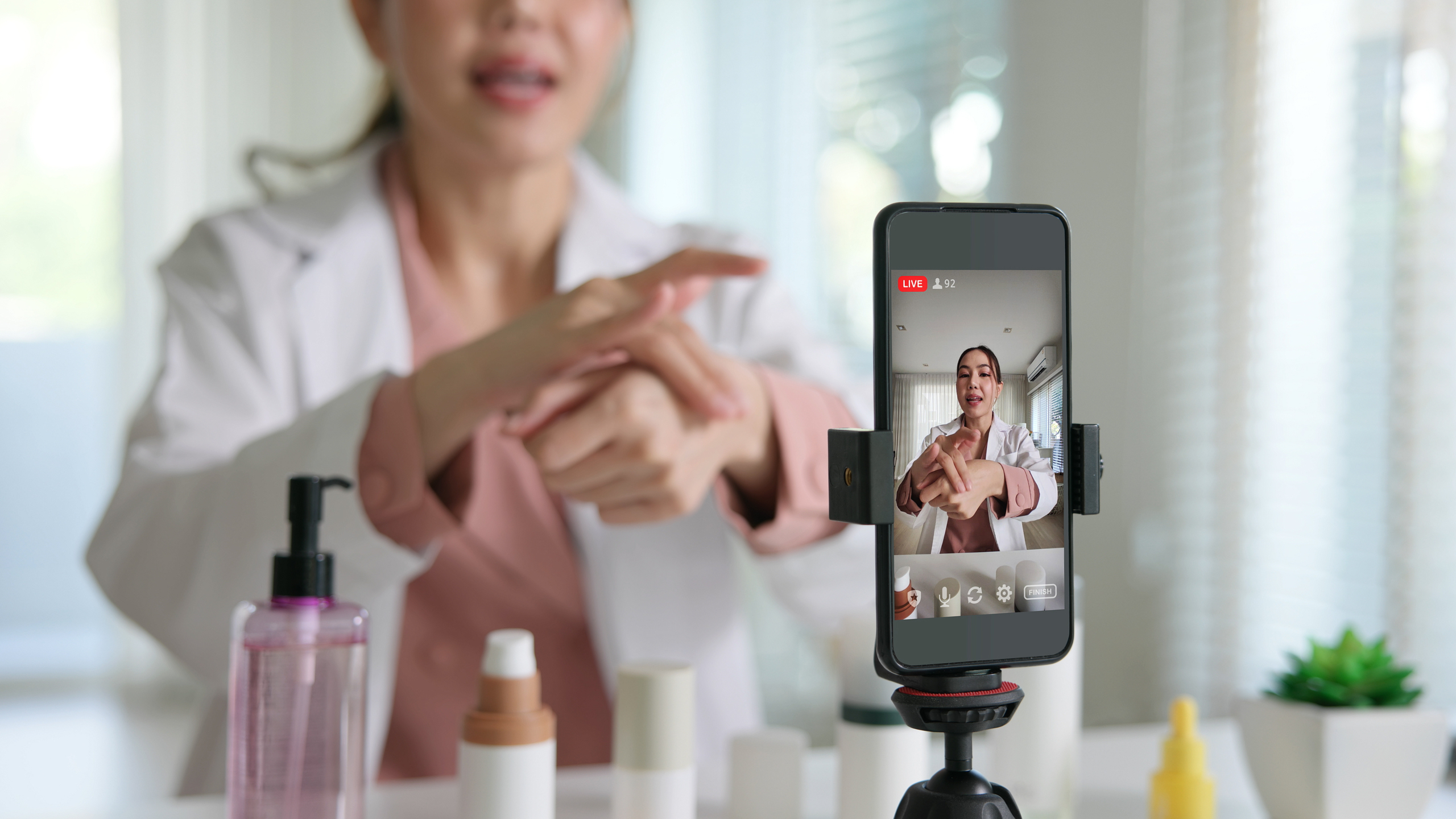
In a year or two, Pefferman prophesizes that live commerce will become table stakes for brands. Long popular in Asia, it’s been an open question whether live commerce will penetrate the U.S. in a meaningful way, but Pefferman concludes the time is right now because of the momentum of platforms like TikTok and the diminishing trust in influencers and brands. She advises brands to strategize for and be ready to incorporate live commerce into their workload, even if they’re stretched thin.
In live commerce, Pefferman mentions founders can capture themselves producing their products and present how those products work, bolstering consumers’ faith in their performance and cultivating a relationship with the companies behind the products they use. “It doesn’t feel like an influencer was paid,” says Pefferman.
8. Luxe Sun Care
The sun care segment faced a critical breach with consumer trust this year when the Australian publication Choice uncovered SPF inflation in sunscreens from several well-known brands. In the trust crisis, Pefferman sees an opportunity for premium sun care brands picking up the mantle of rigorous sunscreen testing, high-performance formulas that truly pair skincare benefits with sun protection and transparency around testing and formulation.
“If you made video content of going to the lab and getting proof and put that up on your website, that would go a long way,” says Pefferman. “You don’t want to pay for a sunscreen that you’re not getting results from. It feels like the emperor’s new clothes.”


Leave a Reply
You must be logged in to post a comment.