
To win the next generation of online beauty shoppers on TikTok Shop, the platform’s top beauty brands are proving that creator-led storytelling, scroll-stopping content and consistent experimentation matter more than traditional marketing playbooks or retail distribution alone.
Brands like Laneige, Medicube, Missha and Peter Thomas Roth are leaning heavily into affiliates, educational content and product demonstrations that show dramatic before-and-after results, using TikTok Shop not just to build awareness, but to drive sales and momentum across their direct-to-consumer websites, Amazon and retail channels. For many, TikTok Shop has become a launchpad and a product testing ground as the platform collapses discovery and conversion into a single feed.
Ajay Salpekar, head of beauty at TikTok Shop, explains that brands that win on TikTok Shop understand the modern beauty discovery journey and distribute content that feels engaging and exhibits real-life use. “These brands also recognize the role creators play as trusted voices,” he says. “By working closely with creators who can educate and answer questions in real time, they help shoppers feel more confident in their purchase decisions at the moment they are inspired.”
In just over two years, TikTok Shop has become one of the most consequential digital platforms in the United States as beauty purchases increasingly migrate online. According to market research firm NielsenIQ, it’s now the sixth-largest health and beauty e-commerce platform in the country, with sales climbing 100% to surpass $2 billion in its most recent 52-week period. It generated $500 million during Black Friday/Cyber Monday weekend last year alone. TikTok has about 170 million users in the United States.
Its market share is expected to grow. According to global investment bank TD Cowen, TikTok Shop will account for 4% of the total U.S. beauty market by 2030. It held about 1% in 2023. Amazon, beauty’s largest retailer, currently controls nearly 23% of the market, according to NielsenIQ.
Amorepacific-owned K-Beauty brand Laneige operates at a massive scale on TikTok Shop, partnering with a network of about 200,000 affiliates to maintain visibility on the platform. It hosts monthly webinars to keep top creators up to date on new formulations and launches and is quickly scaling its livestreaming efforts on the platform.
Gio Valentini, CEO of Amorepacific North America, underscores that the best-performing content on TikTok Shop grabs attention in the first few seconds through compelling imagery or promotion. He says, “The key is to ensure the content is delivered in an authentic voice to the creator, so it feels on-brand to their audience and is a native TikTok format.”
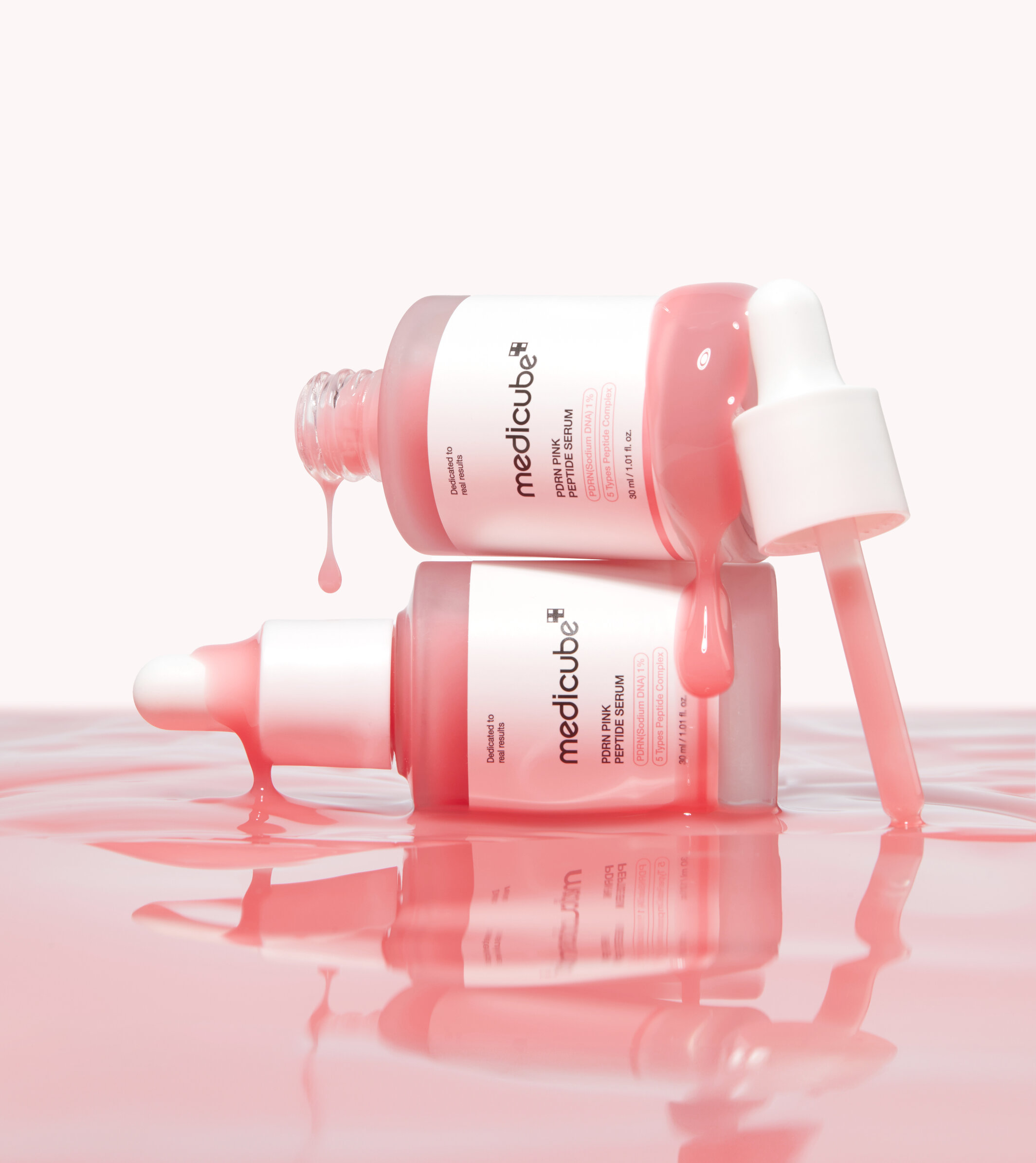
Medicube has built blockbuster success on TikTok Shop through celebrity endorsements from the likes of Kylie Jenner, Hailey Bieber and Alix Earle. Get ready-with-me style content from high-profile beauty influencers like Mikayla Nogueira and Jeffree Star and livestreams featuring beauty educators and professionals like Michalle Phan and Sir John have helped to boost the South Korean skincare brand’s awareness and conversion. Medicube is owned by Korean company APR Corp., owner of another popular K-Beauty brand, Aprilskin, as well.
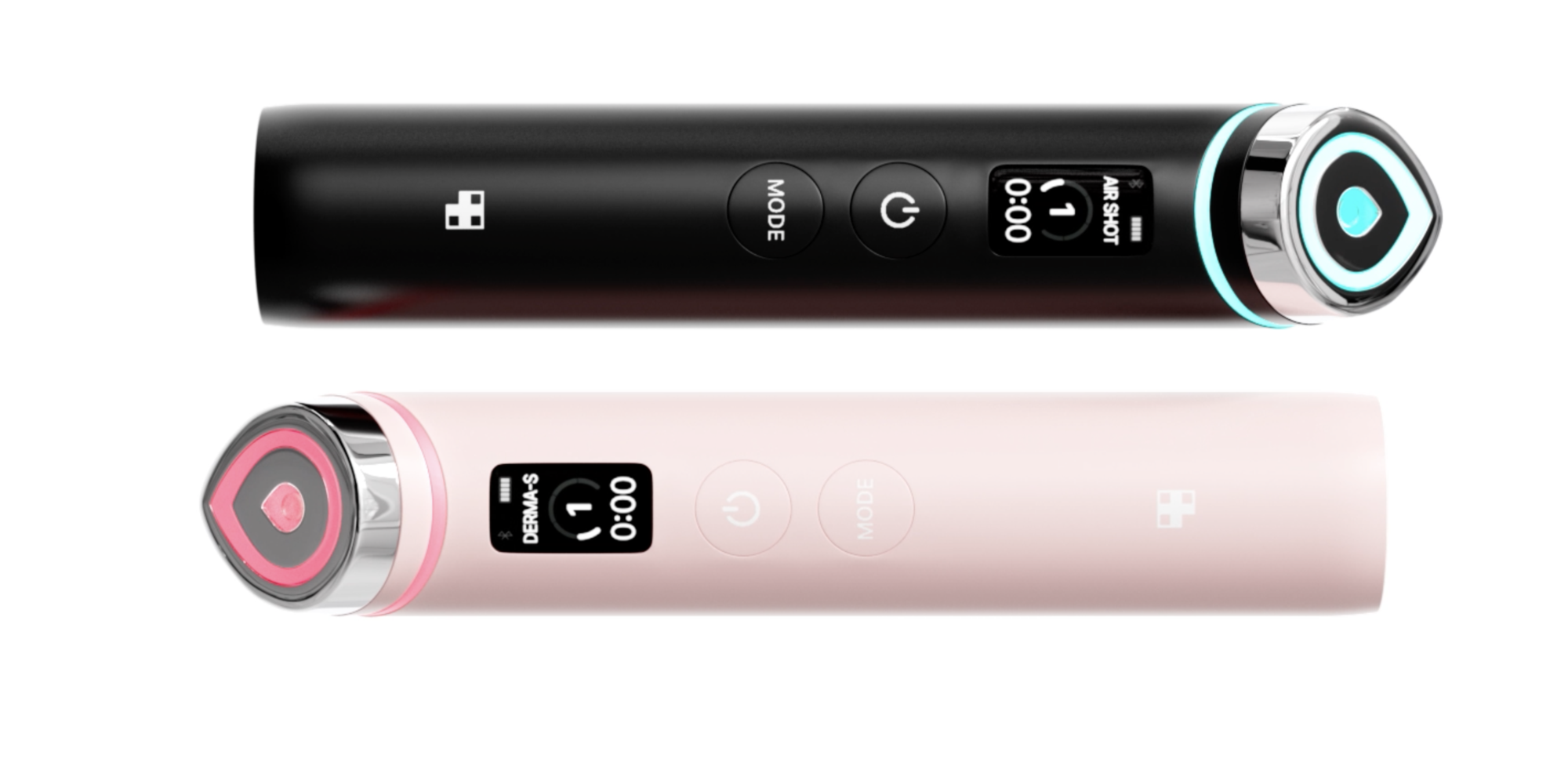
Known for its Booster Pro skincare device, Medicube goes for a balance of volume and depth when it comes to extracting the most value from its vast network of tens of thousands of creators. It taps enough of them to keep the platform sufficiently populated with content but goes deeper with its partnerships with top-performing creators. A brand spokesperson says, “This approach allows Medicube to stay agile, avoid content fatigue and efficiently scale what’s working while continuously onboarding new voices to reach new audiences.”
So far, the approach has been highly effective. According to the publication Vogue Business, Medicube has racked up $100 million in TikTok Shop revenue since 2023. In November alone, the brand generated approximately $21 million on the platform, propelled by a month-long Black Friday/Cyber Monday promotion. Between Nov. 27 and Dec. 1, the brand registered $6.8 million in sales on the platform.
South Korean makeup and skincare brand Missha has leveraged notable figures like K-pop star Sana to promote its products on TikTok Shop, but it primarily follows what the brand refers to as “a bottom-up diffusion” approach with creators that targets micro and mid-tier creators and affiliates. The key is in being flexible and adjusting strategies quickly in response to TikTok’s fast-moving algorithm.
“Our core strength lies in our agility,” says Hyun-Kyoung Park, marketing team lead at Missha. “We analyze market trends and platform dynamics for each campaign, adjusting the content format and creator mix to match what works best at that specific moment.”
TikTok Shop’s algorithm has come into question as the platform has assumed new leadership in the U.S. Last month, TikTok’s Chinese owner ByteDance finalized a deal to hand over majority ownership of the app to a consortium of American investors, including Oracle, Silver Lake and MGX, to avoid the long-standing threat of a U.S. ban. Following the change, the platform has been rocked by censorship claims and technical glitches tied to a major power outage.
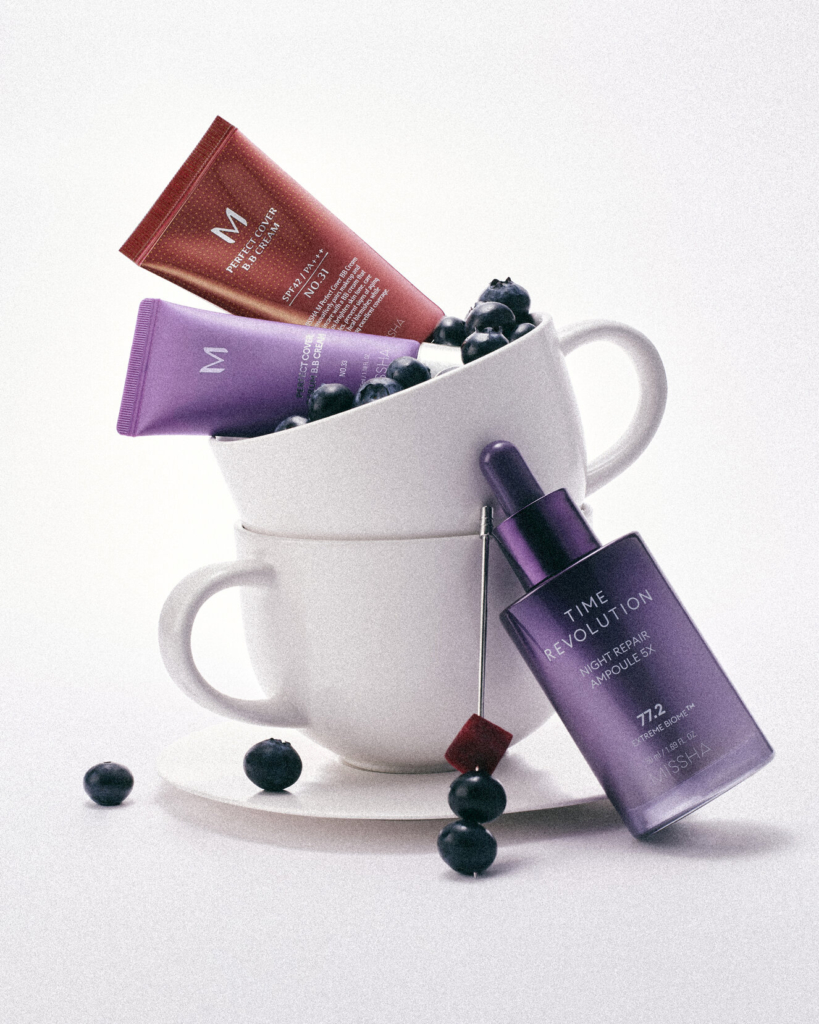
For Missha, which is owned by South Korean beauty company Able C&C, TikTok Shop has been critical in heightening its profile in the U.S. Its TikTok Shop sales grew 9,528% during last year’s Black Friday/Cyber Monday period, and it’s one of the brand’s fastest-growing core channels in terms of new customer acquisition and revenue. It’s been beneficial to Missha’s Amazon business, too, where hero products like its M. Perfect Cover BB Cream and Time Revolution essences and serums often experience tailwinds due to increased interest on TikTok Shop.
The TikTok Shop halo effect doesn’t extend across every product, though. For skincare brand Peter Thomas Roth, TikTok fuels awareness and conversion for its hero products, but it doesn’t automatically lift the entire line or mirror retail performance. Ryan Roth, director of brand growth and consumer acquisition at Peter Thomas Roth, points out that the skincare brand’s top-selling product at Sephora is the $75 24K Gold Pure Luxury Lift & Firm Hydra-Gel Eye Patches. On TikTok Shop, it’s the $39 Instant FIRMx Eye Temporary Eye Tightener, a product that went viral in 2021 when a user with the handle Trinidad1967 posted a video showing dramatic before-and-after results from application.
An early adopter of the platform, Peter Thomas Roth adapted its TikTok Shop strategy based on learnings from its early viral hit. Subsequent success has come from testing creators and reacting to virality rather than following an elaborate preset plan. The brand has enlarged its creator network from just four in 2023 to a couple hundred today. It registered $100,000 in sales on its fourth day on TikTok Shop.
“The fun part about TikTok is there is no strategy. There is no rule book,” says Roth. “It’s really a startup way more than any of our other retailers.”
TikTok Shop’s fast, experimental nature enables beauty brands to test product launches with audiences for quick feedback. Medicube balances its assortment on the platform between newness and hero products like its Booster Pro and Collagen Jelly Cream that keep conversion consistent. Learnings from TikTok Shop are then adopted across channels. According to the brand, TikTok is Medicube’s most experimental channel that’s focused on top- and middle-funnel awareness. Other platforms have a greater focus on brand storytelling, community building and long-term equity.
@beautybay There’s a reason this broke the internet @trinidad1967 using the @peterthomasrothofficial Instant Firm X Eye! Grab yours now 💥 #peterthomasroth
Similar to how they engineer content strategy, TikTok Shop’s top beauty brands hone their assortments on the platform around products that are visually transformative and easy to explain instantly in short-form content. Direct-to-consumer, Amazon and retail channels tend to have broader offerings. For Laneige and Missha, color and complexion products yield the best results, like with Laneige’s viral Neo Blurring Powder and Glaze Craze Tinted Lip Serum and Missha’s BB Cream. For Peter Thomas Roth, it’s about treatment-driven products like Even Smoother Instant Reveal Facial Peel, along with bestseller Instant FIRMx Eye.
Brands must adopt flexible strategies when budgeting on TikTok Shop due to the unpredictability of virality and demand spikes on the platform. Medicube and Missha typically lean into performance-based spending that scales around content that has clear return on investment, giving them agility to move quickly on trends and maximize their budgets. For beauty brands looking for advice, Roth counsels, “You have to really look at things in quarters and years. They average out much better than when you look at things through a very narrow lens.”
Moving into 2026, Salpekar recommends brands approach TikTok Shop with a long-term mindset. “The biggest opportunity is not chasing one-off viral moments, but building consistency through content and creator partnerships that evolve over time,” he says. “Brands that listen closely to their audience, remain flexible, and use tools like live shopping to support education and engagement will be best positioned to grow as shopping behavior continues to shift.”