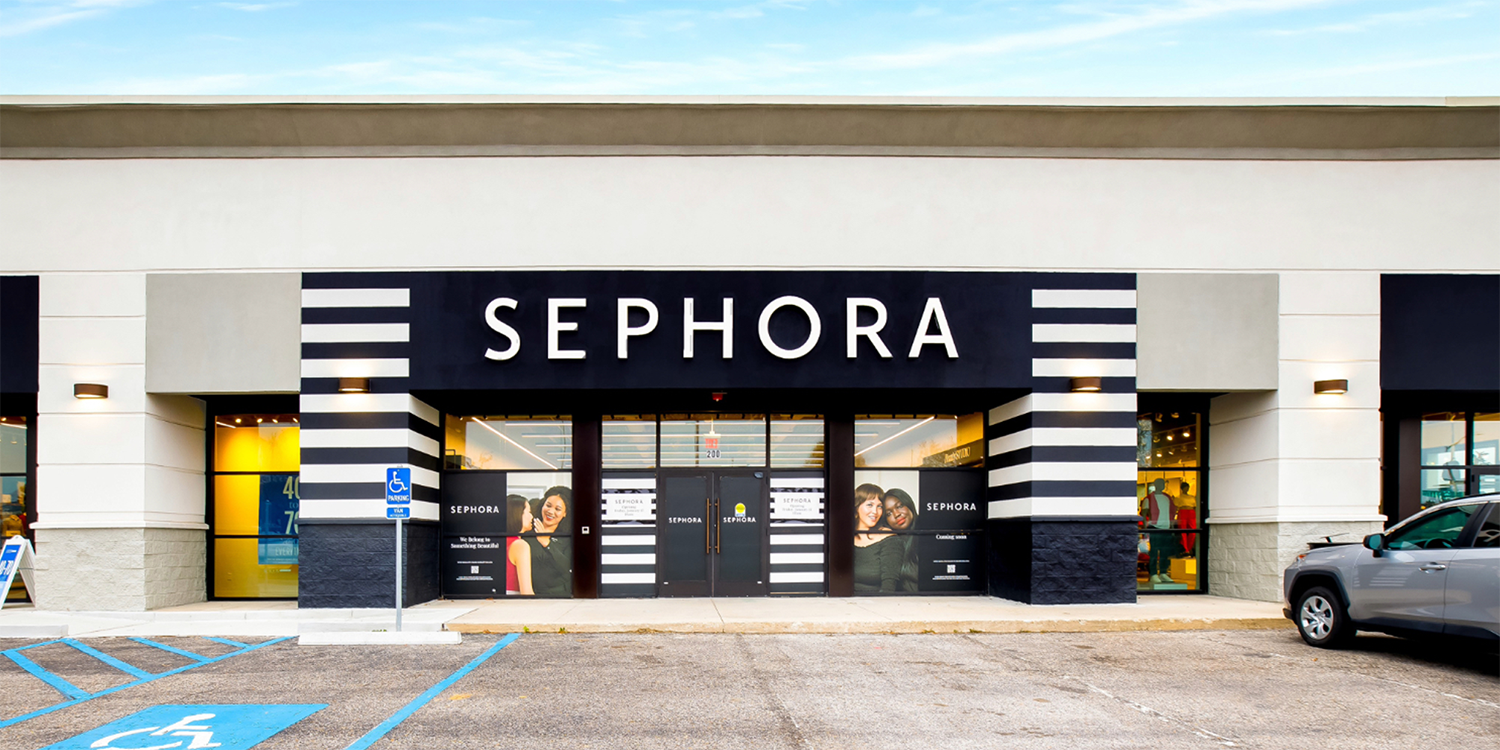
Sephora EVP Carolyn Bojanowski On Bold Makeup’s Return, Value-Driven Shopping And Beauty’s Holistic Evolution

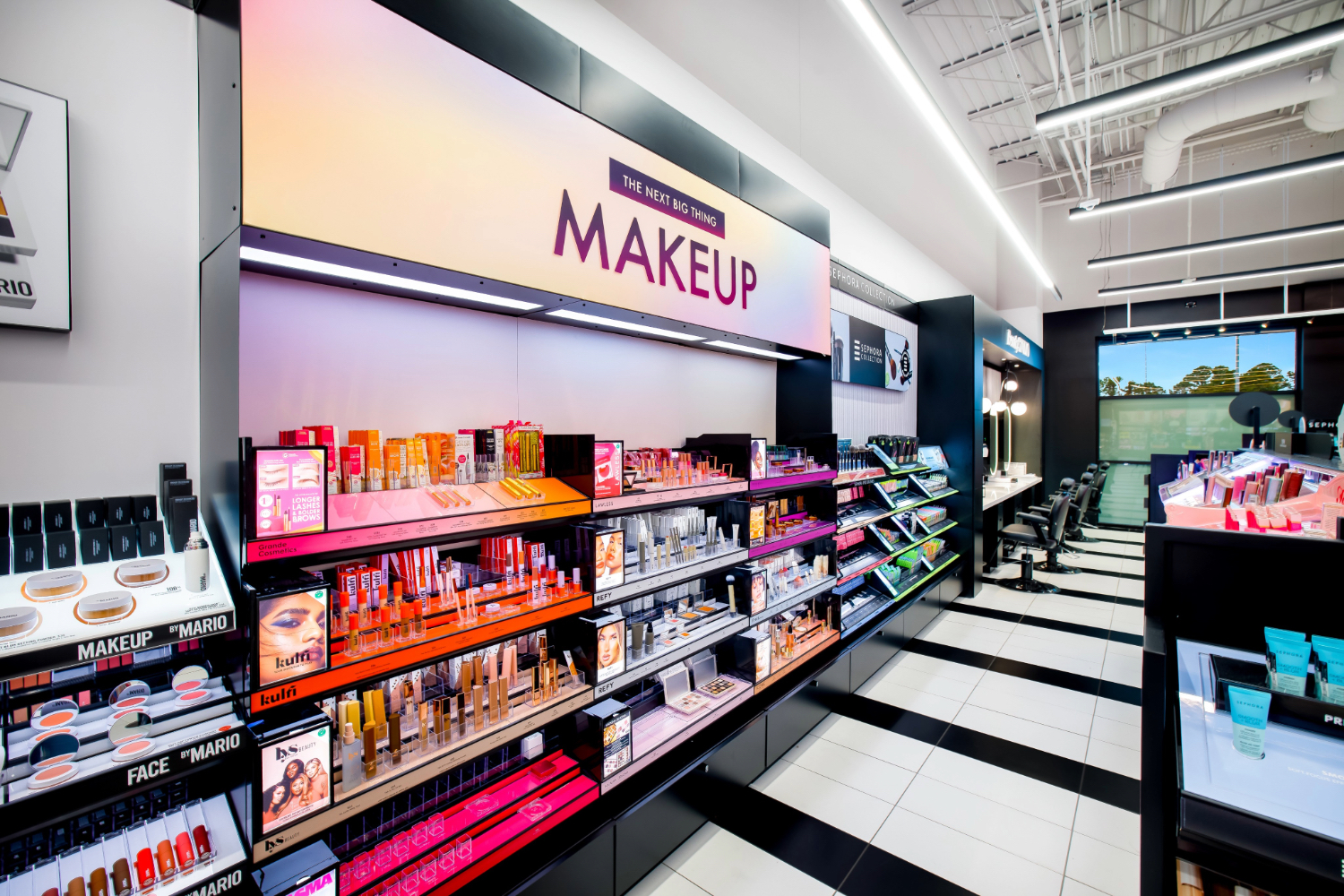
This past holiday season, Sephora saw demand rise for makeup brands like Makeup by Mario, One/Size, Charlotte Tilbury, Hourglass and Sephora Collection, setting the stage for what the beauty specialty retailer expects will be a return to bold color in 2026.
“It’s one of the most exciting trends we’re seeing,” says Carolyn Bojanowski, EVP of merchandising at Sephora in the United States. “There’s been a slight shift away from the minimalist ‘clean girl’ aesthetic. Clients are hungry for application tips and willing to invest more time in their routines.”
Last year, Sephora broadened its makeup selection with several artistry-led brands including Fara Hamidi, M.ph by Mary Phillips and Hung Vanngo Beauty. The retailer also picked up Wonderskin, the Amazon bestseller known for its viral peel-off lip stains, Range Beauty, a makeup line for customers with acne- or eczema-prone skin, and Laura Geller Beauty, the over-40s favorite.
An important driver of loyalty, complexion will be a critical catalyst for the makeup category this year. Brands like Dior and Estée Lauder are being tested by regulatory changes that have forced them to reformulate foundations. Meanwhile, newer brands like M.ph by Mary Phillips are looking to make statements in the foundation space. Priced at $49 and available in 35 shades, M.ph by Mary Phillips’ new Le Skin Weightless Serum Foundation promises sheer to medium buildable coverage for a second-skin appearance.
Through nine months of 2025, prestige makeup growth trailed beauty growth overall, according to data from market research firm Circana, but showed encouraging signs. Sales increased 3% to $7.9 billion, and there were sales lifts across sets, lip, face, nail and eye, which returned to growth after a lackluster 2024. Still, lip product sales exceeded all other makeup categories. For comparison, prestige skincare sales were up a modest 1% during the same period last year.
Selective Retailing, the division that Sephora sits in within LVMH Moët Hennessy Louis Vuitton’s portfolio, continued to underpin LVMH’s performance. Last year, it expanded 4% in terms of organic growth to nearly 18.4 billion euros or roughly $21.9 billion at the current exchange rate and remained stable based on published figures, while Sephora’s growth accelerated, particularly in Europe, the Middle East, Latin America and North America.
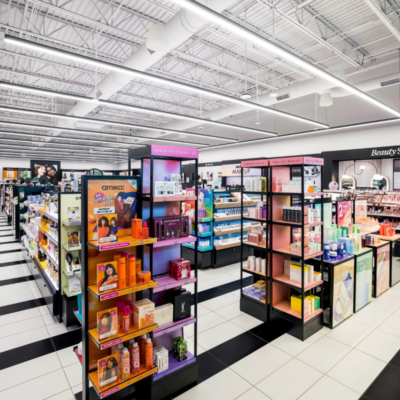
Makeup was Sephora’s top category by sales volume in 2025, followed by skincare, fragrance and haircare. However, fragrance grew the fastest last year, fueled by eau de parfums and hair and body mists from brands like Prada, Chloe, Versace, Kayali, Sol de Janeiro and Phlur. Sephora operates over 700 stores across North America. They’re in the process of being redesigned as part of a massive five-year capital investment project. Operating about 3,400 locations globally, the retailer opened about 100 new stores around the world last year.
Exclusive brands were the most significant growth propellant for Sephora in 2025. Constituting nearly half of Sephora’s brand matrix, exclusives are a crucial competitive moat as the chain faces intensifying pressure from Ulta, TikTok Shop and Amazon, now the largest beauty retailer.
Rhode is making a vivid case for Sephora’s exclusive brand strategy. The Hailey Bieber skincare and makeup brand is the retailer’s top-selling North American brand after a September 2025 launch estimated to have exceeded $10 million in retail sales in its first two days, according to analytics firm YipitData. Per industry sources cited by publication Women’s Wear Daily, Rhode racked up $65 million in sales during the last four months of the year.
Beauty Independent spoke with Bojanowski about the return of eyeshadow, whether the lip product fever will break, what the Sephora customer values and the rebalancing of the retailer’s core demographic following the “Sephora kids” craze.
How did the categories perform during the holidays last year?
The holiday season was incredibly strong across the board, and our exclusive gift sets saw strong demand. Makeup was our No. 1 performer in terms of both sales volume and growth over last year. Clients were really leaning into color and self-expression.
Fragrance was another standout, particularly for gifting. Our “Fragrance for All Event” drove significant excitement, with brands like YSL, Valentino and Dolce & Gabbana being favorites alongside newer names like Kayali.
Skincare remained strong, too, with emerging brands like Rhode, Summer Fridays, Laneige and Caudalie generating considerable buzz across face, body and lip sets. Sephora Collection continues to resonate, too. The combination of value and quality really shows up during the holidays, especially in products like brush sets and lip liners.
What trends are you seeing take off within each category?
We’re seeing a return to bold makeup in 2026, for sure. Skincare is seeing a continued focus on self-care, as clients extend their routines to areas beyond just facial care. We also expect Korean skincare innovation to continue driving growth.
Haircare is showing promising growth, focused on hair health and styling. Clients are hyper-focused on achieving visible results.
It seems eyeshadow could be poised for a comeback.
As I mentioned, a bold look is definitely back. Clients are rediscovering the artistry and creativity that eye makeup allows. The palette format makes sense for this moment because it gives clients the tools to create looks, not just apply a single shade.
We’re also seeing clients seek out education and application guidance, which our beauty advisors are perfectly positioned to provide, as well as our brand founders. Eye makeup requires more technical skill than other categories, so the in-store experience and education becomes even more valuable.
Will lip products continue to dominate in 2026?
The lip category is absolutely continuing its momentum. Clients aren’t abandoning treatment benefits. They’ve just raised the bar.
They expect their lip color to hydrate and care for their lips while delivering on color and finish. The brands winning right now are solving for both the aesthetic evolution and the skincare expectations simultaneously.
How do you see shopping trends at Sephora taking shape this year? Do you anticipate any shifts in consumer preferences or spending patterns?
The focus on value will continue. Clients are narrowing down to the best of the best for their specific needs.
Personalization will become even more critical. Clients expect products and experiences tailored to their individual needs, preferences and goals. They want to feel understood and want solutions for their specific skin, hair, lifestyle and aesthetic.
Overall, I’m incredibly optimistic about 2026. Our clients are engaged, educated and excited about beauty. They’re investing time in routines, open to innovation and treating beauty as essential to their well-being.
What does the Sephora customer value right now?
They’re highly responsive to innovation and trends. They’re informed, selective and have high expectations. At the same time, there’s also a strong emphasis on value. The success of Sephora Collection shows that clients appreciate luxury but are also smart about where they invest. They’ll splurge on certain items but also want professional quality at accessible prices.
The strong performance across multiple categories suggests clients are taking a holistic approach to beauty now. It’s not just about makeup. It’s about feeling good, smelling good and investing in overall self-care.
Are you seeing a return of the more mature, 40-plus customer in stores now as the “Sephora kids” craze quiets down?
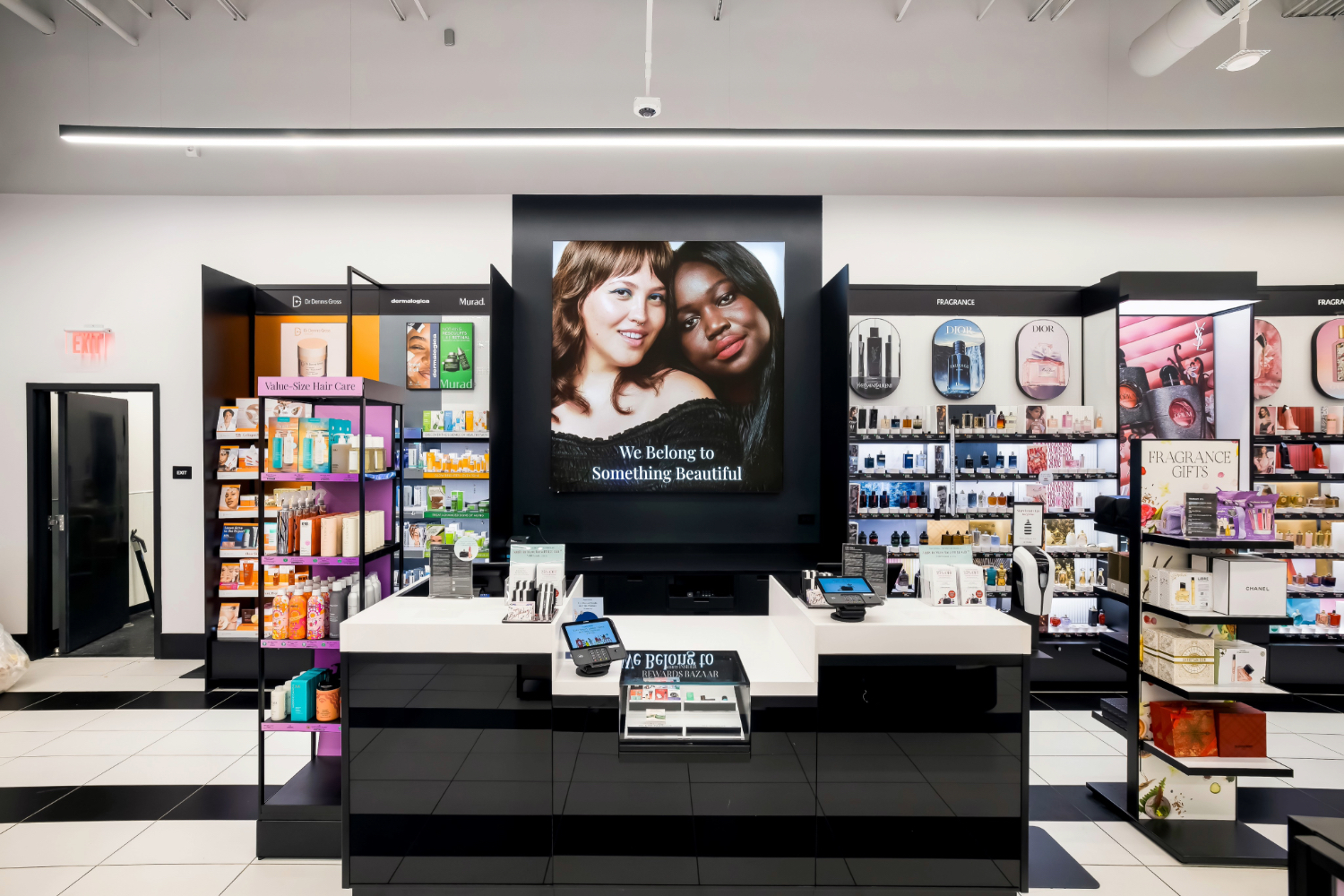
What we’re seeing is really a rebalancing across demographics. We’ve always served clients across every age group and that continues to be true.
The trends right now actually have broad generational appeal. What’s consistent across ages is that clients want education, quality, innovation and to feel good about their beauty choices. The in-store experience—trying products, getting color-matched, learning techniques—is valuable to everyone.
The conversation has shifted from focusing on one demographic to recognizing the breadth and diversity of our client base. That’s always been our strength.
Do customers shop differently between stores and digital channels at Sephora? If so, how?
There are nuances, but what’s most notable is how interconnected the experiences have become for us. Clients move fluidly between digital discovery, in-store trial and omnichannel purchase.
Digital is strong for research, reviews and exploring trends. Clients discover products on social media, read reviews on our app, watch tutorials and build knowledge before purchasing. Digital also excels for replenishment and convenience with offerings like same-day delivery.
In-store shopping skews toward experience, education and sensory discovery. You can’t experience fragrance the same way through a screen, and color-matching or personalized skincare advice from a beauty advisor creates confidence that’s hard to replicate digitally.
But these channels reinforce each other. A client might discover a product on TikTok, add it to their Loves List, come in-store to try it, and then purchase it online for same-day delivery. Our job is making that journey seamless with consistent access to Beauty Insider benefits and a personalized experience regardless of where they engage with us.
There’s been a lot of discussion around the K-shaped economy and shopper bifurcation. Are you seeing any manifestation of that at Sephora?
What we’re seeing is more about intentionality in how clients allocate their beauty budgets. Clients are absolutely willing to invest in products that deliver meaningful results: that hero serum with clinically-proven technology, that signature fragrance or that perfect foundation. When something works and matters to them, they’ll invest at higher price points. We’re seeing continued strength in prestige and luxury brands.
At the same time, they’re being strategic. They’re curating routines to splurge where it matters most and optimize value where quality alternatives exist.
Clients are doing their research and making informed choices. They expect more from products: better performance, better results. The beauty of Sephora’s assortment is that we serve clients across the entire spectrum, and they take advantage of that range to build routines that reflect their priorities.

Leave a Reply
You must be logged in to post a comment.