How Nearly 50-Year-Old WishGarden Herbs Resonates With Everyone From MAHA Followers To Erewhon Shoppers
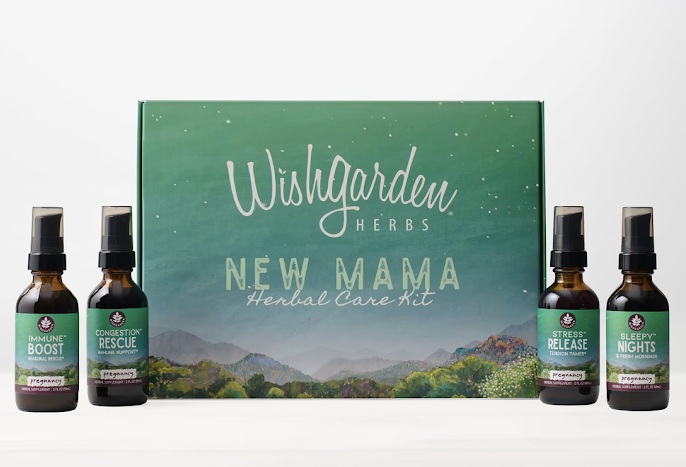
Family-owned and -operated wellness brand WishGarden Herbs has already gone through an acquisition—way back in 1987. That year, Boulder, Colo.-based midwife Catherine Hunziker bought the women’s wellness business, a literal closet’s worth of herbal tinctures designed to support women during pregnancy and postpartum, from fellow midwife Barbara Wishingrad, who launched the brand in 1979. When Wishingrad was ready for a new venture, Hunziker borrowed about $5,000 from her mother to scoop up WishGarden Herbs.
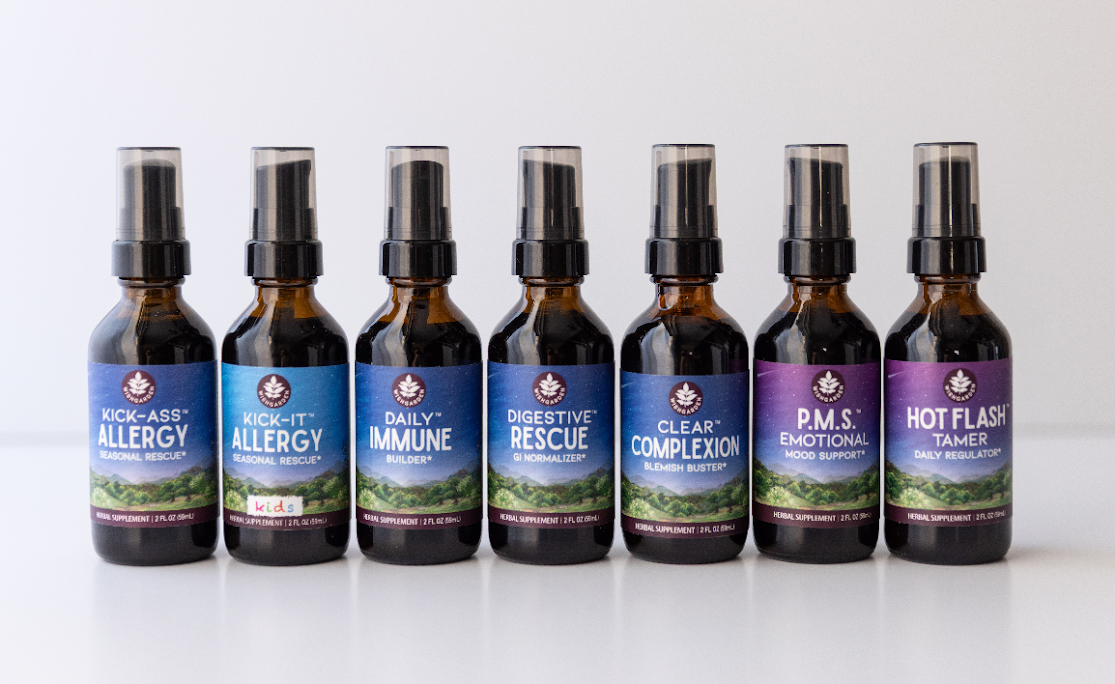
Over the decades, the brand has expanded beyond women’s wellness to remedies for the whole family, including over 50 tinctures and topical skincare products ranging from $13 to $27. WishGarden Herbs is sold in around 2,000 doors, including Sprouts, Erewhon, Whole Foods, Fresh Thyme, Kroger, King Soopers, City Market, Fred Meyer, Natural Grocers by Vitamin Cottage and other grocers. It’s also available on Amazon and through naturopaths and midwives. The brand has doubled its sales from 2021 to 2025.
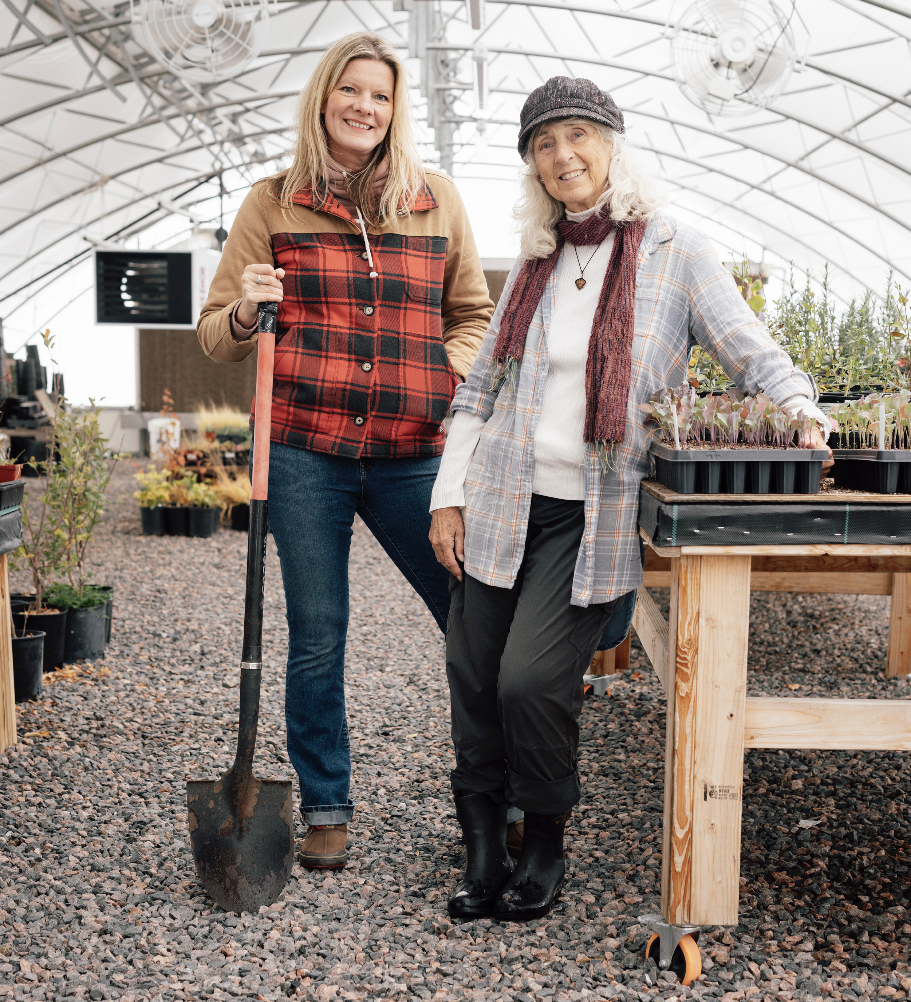
Hunziker retired from her role as WishGarden Herbs founder and chief formulator, and her daughter, Anna Harshman, who’s worn many hats at the company throughout the years, is officially its director of customer experience. Beauty Independent spoke to Harshman about stepping into a leadership role shaped by her mother’s legacy; serving the brand’s wide consumer base, spanning MAHA followers, coastal moms, Hasidic Jews and the Amish; supplement assortments at natural grocers and much more.
How did WishGarden Herbs start?
My mother was a trained midwife and self-proclaimed back-to-the-land hippie. She met Barbara, a midwife who had a small amount of tinctures she was selling by mail order to different midwives around the United States. They were not licensed practitioners at the time. They couldn’t carry prescription drugs. It was also part of the legacy of midwives around the U.S. to carry herbal tincture formulas.
My mom bought the business. She started to put her imprint on it pretty quickly as we children had ailments. My whole class got the whooping cough, and the teachers asked her to make a remedy. She made one of our formulas that we still have today, Kick-It Cough, for my class and the school. My brother got this bad digestion thing and that’s how our Digestive Ease came out.
She branched out from having formulas for birth and postpartum and brought it to the whole family. What really changed, too, is she was not just using single herbs. She started making blends with cool names, which other emerging herbal companies at the time were not doing. It made it more accessible for the average person that didn’t know what echinacea was for to be able to use herbs for themselves and their families.
In the early ’90s, she decided to rename the basic immune formula Kick-Ass Immune. Back then saying “kickass” was kind of risqué. That exploded in Colorado. The wonderful thing is it really worked. It wasn’t just a name. That was a nice gateway for us.
The business was mail order when your mom took it over. How was it expanded?
We still, to this day, do a lot of mail order to Amish and Hasidic Jewish communities, but, from there, getting into local co-ops and natural food grocers is where she went. Back then, there wasn’t Whole Foods, but there were Alfalfas and Wild Oats. She was able to get into the local ones and eventually Whole Foods did come around.
What really brought us national was being in Sprouts locally in 2009. They opened up stores all across the U.S. It wasn’t like Whole Foods had been previously, where you would just be regional. If you were in Sprouts, you were in all Sprouts. All of a sudden we [had] to get a national sales team. It marked a new era for WishGarden.
Before COVID, we were probably 80%, 90% brick-and-mortar and practitioner-based, and now we’re more like 50/50 with DTC/online. We were really able to pivot. We hired an e-comm director, a new website and started putting money into marketing. We had this rinky-dink website for a long time. We were really just word of mouth and people doing in-person trainings before that. I can’t even believe we got to where we were.
When did you join the company?
I always worked at WishGarden, helping label bottles or doing odds and ends when I was a kid, but I never truly worked at WishGarden until about 13 years ago. I never thought that I would work for WishGarden because it was my mom’s thing. When I was younger, I went to some of her herb classes that she taught. Seeing the type of folks that were going to herb school, I was like, “That’s not me. I don’t want to be this crunchy hippie type. I want to be a badass world adventurer and get into NGO work.”
I ended up going to UCSD and getting a degree in international studies and political science. I studied in Chile to learn Spanish and ended up staying there for a year. I moved to Spain and stayed there for three years teaching English and volunteering at an NGO. It just wasn’t really my bag. The NGO had this big building with a pool and a fancy bus, and it just seemed not very NGO-ish.
I moved back home and needed a job. This was about the time that Sprouts had taken off. She [Hunziker] needed somebody to help put together a demo program. I helped. I started finding yoga, music and vegetarian events that we could go to. From there, I was working in sales, and our manager of customer service left, so I became the manager of customer service. At some point during COVID, we needed a manager of our shipping and receiving, so I did both of those things. After that, I got into marketing until Tracy [Van Hoven, CMO] came on. I wanted somebody that had experience outside of WishGarden that I could learn from.
After that, I wanted to move over into impact and development, making sure my mom’s vision and mission for WishGarden moves forward. Also, bringing forth some of these projects we’ve been working on, protecting herbs that are at risk and conserve their environment.
What are WishGarden’s bestsellers? Do they vary between your site and retail?
Our top seller omnichannel is definitely Kick-Ass Immune. The second one after that depends on if we’re talking about retail or online. At the retail level, it’s Deep Lung and online it’s AfterEase, which is for after-birth cramps. Interestingly enough, even though it doesn’t outsell these other ones, we do have the top-selling natural allergy remedy in the market for the United States, Kick-Ass Allergy.
Online, the next one after that is Happy Ducts, which is for clogged ducts when you’re breastfeeding. Stores don’t really sell those specialized formulas as much. It’s crazy because those postpartum formulas were so low in the ranking even six years ago.
What changed?
Several high-profile influencers that we did not pay. Other than Advil, there really wasn’t anything else like AfterEase on the market. It worked and was natural, especially for this time in your life where you’re really not wanting to put chemicals in your body. I see why it took off.
Eileen Fisher was one on YouTube really driving the spike in attention. YouTube is a great place for influencers. One lady was in her $10 million home in L.A., not the type of person you would think is loving tinctures for postpartum.
Who is the Wish Garden customer, and how has the customer base shifted?
I’ve seen it change a lot. In the beginning, it was these crunchy families living in Boulder, driving a Subaru, taking their kid to Waldorf like me and my family. That has expanded to more mainstream people, a lot more of these glamorous California young mothers. A lot of young mothers these days are into organic food, natural things. While they’re at their natural grocer, they’re being recommended these things or looking for them online.
Another area is this new wave of young people that are interested in herbs and this back-to-the-land movement, which is so reminiscent of when my mom started the company. We’ve got a lot of homesteader influencers that talk about us, which is kind of ironic that they’re influencers and doing this natural homesteader thing. It’s a lot more than I would have imagined, and I think it has to do with our political environment, the MAHA thing, which we really had to understand quickly because you don’t want to offend anybody on accident.
The depth of consumers we have is widely different. It’s crazy to think about, but it’s also really wonderful and exciting that so many different types of people from all these different walks of life are turning to herbs, something so simple, so non-synthetic that we’ve been working with for thousands of years to take care of families.
How do most people discover the brand?
Up until like a year-and-a-half ago, it was word-of-mouth and sampling from Sprouts. Then, Tracy came on. That’s the first time we started doing social media ads. We did paid search before that with Google, but, for the most part, I don’t even know how people found us. I think it’s a lot of people telling other people, which is wonderful.
With this resurgence of the back-to-the-land movement and more people getting into herbs, there are a lot more young, new, smaller herb companies popping up, which is great as long as they’re sourcing ethically and putting out a quality product. A lot of them are, but it’s also taking a lot of market share. It was the perfect moment to bring on marketing because I think, if we hadn’t, we would have started to be in trouble.
We’re reminding ourselves we’ve got to tell our story and talk about all the things that we’re doing right, which are also part of getting B Corp certified. I’m glad we’re embracing talking about ourselves. We were more humble before, and it’s not a world in which being humble works.
How many formulas do you have? Do you ever trim the number?
We have way too many formulas, over 50 distinct formulas. We have a formula for everything. We do cut them sometimes, and it’s terribly difficult because there’s always somebody that can’t live without it and you just ruined part of their life that you got rid of it, but, being a business, it doesn’t make sense, and it drags down production and marketing time and effort.
There’s been some slow sellers. We do not call it a termination, we call it putting it in the parking lot, so that we don’t have to emotionally totally disconnect with it. Maybe one day it comes back, but, for all intents and purposes, it’s no longer in the system or being produced.
What’s your top grocery account?
Natural Grocers by Vitamin Cottage out of Colorado, family-owned, super quirky. They have all organic produce [and] a very large supplement department for a grocery store. They always have a naturopath on staff that helps people with supplements. I think that’s one of the reasons we do so well there.
It seems like grocers are leaning into wellness. Have you seen that?
Yes and no. Sprouts and Whole Foods have actually reduced their supplement categories recently. They must be moving through older brands. They reduced the size [of our assortment]. Luckily for us, it wasn’t as impactful. I think what they’re doing is the newer stores that they’re putting out have a reduced sized supplement area. I wonder if it’s because more people are getting it online.
How does WishGarden approach Amazon?
We brought it in-house, so we manage it ourselves, which has been great. It saved us a ton of margin than when we were basically selling wholesale to someone else to sell through them. One thing that is really difficult is staying on top of the marketing and having the right marketing agency.
Some marketing agencies for Amazon are using AI to, literally, in the moment, change keywords on their products. We go and try to change. You can’t. You have to have that relationship. So, the little guys are not be able to play in the same ballpark with the big players. We’re in the process right now trying to find a new agency that is up to the task, but, of course, that has a large margin price tag on it.
What is your mom’s role now?
She basically is retired except for formulation because that’s her special sauce. Now, she’s working on her nonprofit, which is an herbiculture project focused on trying to get local farmers to grow medicinal herbs domestically because WishGarden sources a lot of our herbs domestically, but most larger herbal supplement companies don’t. They get their herbs from India, China or Europe, which is fine, but there’s a huge carbon footprint issue with that.
Not only that, there’s all this dead dirt that we could be growing things on here. Also, farmers can potentially make more money per acre with these herbs that are sold at a higher rate than crops. She’s trying to make a market for that in an organic regenerative way. It’s a big mission.