
For many emerging beauty brands, landing a national retail account is a defining milestone. Months or even years of product development, brand building and community engagement culminate in the moment a purchase order arrives.
But the reality is that moment is less like a finish line and more like the beginning of a new operational phase. Moving from direct-to-consumer fulfillment to national retail distribution introduces a new set of demands: tighter timelines, stricter compliance standards, complex forecasting and larger production volumes. For brands unaccustomed to operating at that level of precision, the transition can quickly expose operational gaps.
“Brands celebrate the launch and then immediately start thinking, ‘OK, now what?’” says Julie Ann Lemke, chief revenue officer at contract development and manufacturing organization SV Labs. “Getting into a retailer’s warehouse is a long, uphill process, but sustained retail success requires constant momentum.”
Lead time is a major early pressure point that many brands encounter after the arrival of the purchase order. When a brand secures a national retail account, the window to launch is often six to nine months. On paper, that timeline can appear generous. In practice, the requisite operational milestones within that window compress the available runway.
At SV Labs, the process begins immediately once a retail partnership is confirmed. Project management teams map out detailed timelines covering everything from production and packaging updates to kitting instructions, warehouse delivery schedules and greater manufacturing volumes. Lemke says, “When those steps are stacked against the launch date, brands often realize they need to start moving much sooner than expected.”
Forecasting is another crucial component of effective retail planning. Many emerging brands are accustomed to managing minimum order quantities and production cycles primarily around DTC demand signals. Retail distribution introduces a different dynamic.
Retail partnerships frequently call for earlier commitments to raw materials and packaging while offering less visibility into future demand. According to SV Labs’ supply chain team, ingredient commitments may need to be secured eight to 12 weeks in advance or longer for specialty materials. At the same time, retailers may only forecast six to eight weeks ahead, with projections adjusting as consumer demand fluctuates.
Navigating that mismatch requires disciplined forecasting and close coordination between brands, manufacturers and suppliers. Some brands address that uncertainty by aligning with retail partners on both high-side and low-side forecasts, allowing manufacturing partners to prepare for various demand scenarios and remain agile.
Compliance stipulations become significantly more complex. Retail supply chains operate with elaborate vendor guidelines covering packaging configuration, labeling requirements, routing instructions and pallet specifications. Small errors in any of these areas can trigger chargebacks or costly expedited freight.
“Retailer chargebacks and expedited freight are often the quiet killers of margin that brands don’t anticipate,” says Fara Pejman, SVP of supply chain at SV Labs. “Missed resets can be catastrophic. If a brand misses a reset window, products may never make it onto shelves.”
For emerging brands navigating retail for the first time, those operational disciplines can represent a steep learning curve.
“Retail has a way of exposing your true margins very quickly. Between third-party logistics (3PL) costs, chargebacks and expedited freight, small operational gaps can add up fast if you’re not tracking them closely. Ultimately, getting on shelf is just the beginning — success comes down to sell-through,” says John Li, founder and CEO of Body Restore.
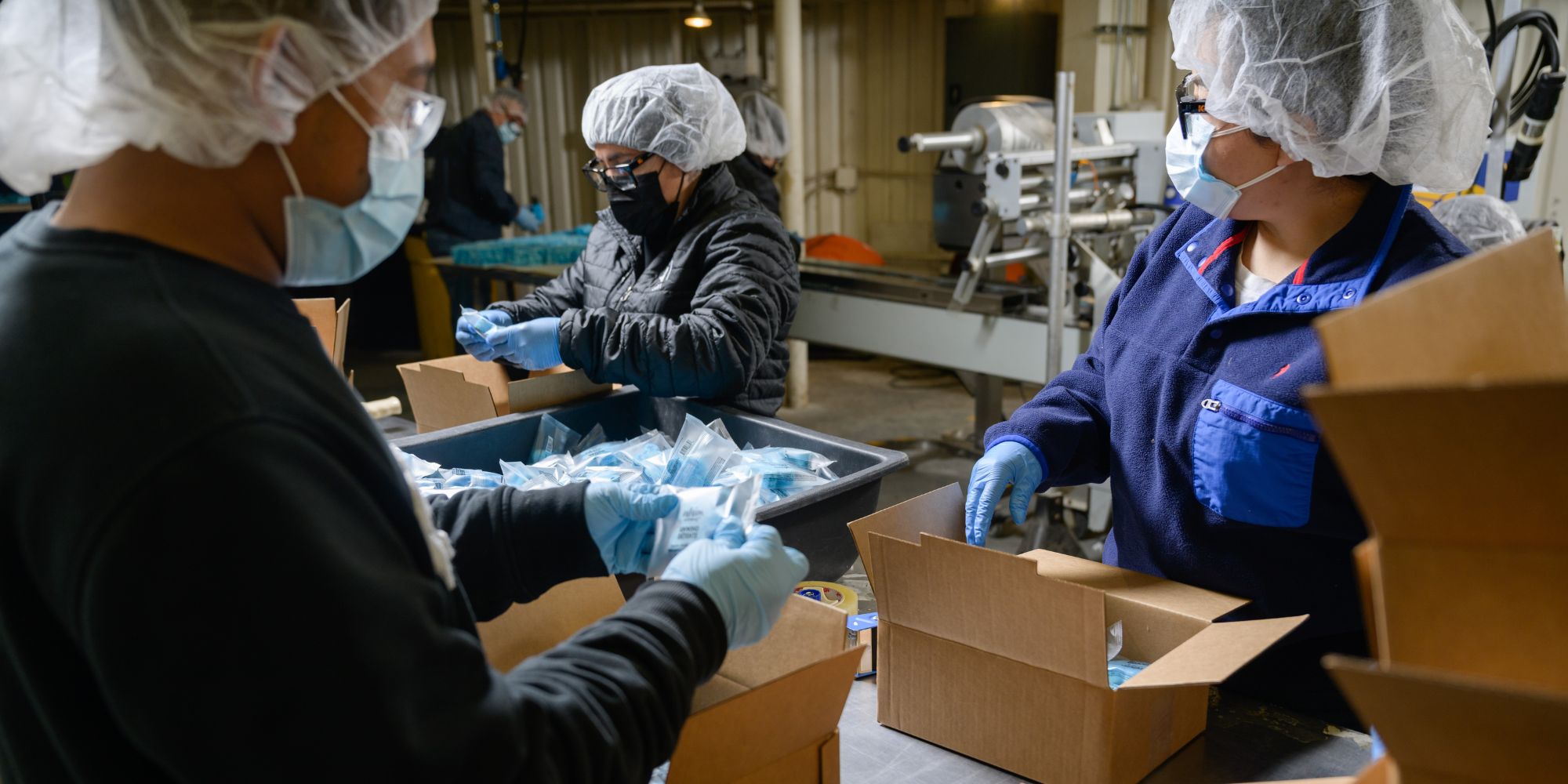
Retail expansion also raises a more fundamental question: Can a brand’s manufacturing infrastructure scale alongside its distribution? Volume increases associated with national retail partnerships can happen quickly. Brands need the ability to ramp production and must maintain consistency across formulations, packaging and quality standards.
For contract manufacturers, supporting that kind of growth requires more than simply adding production lines. “Being built for growth at the manufacturing level is as much a mindset as it is a physical capability,” says Graham Orriss, CEO of SV Labs.
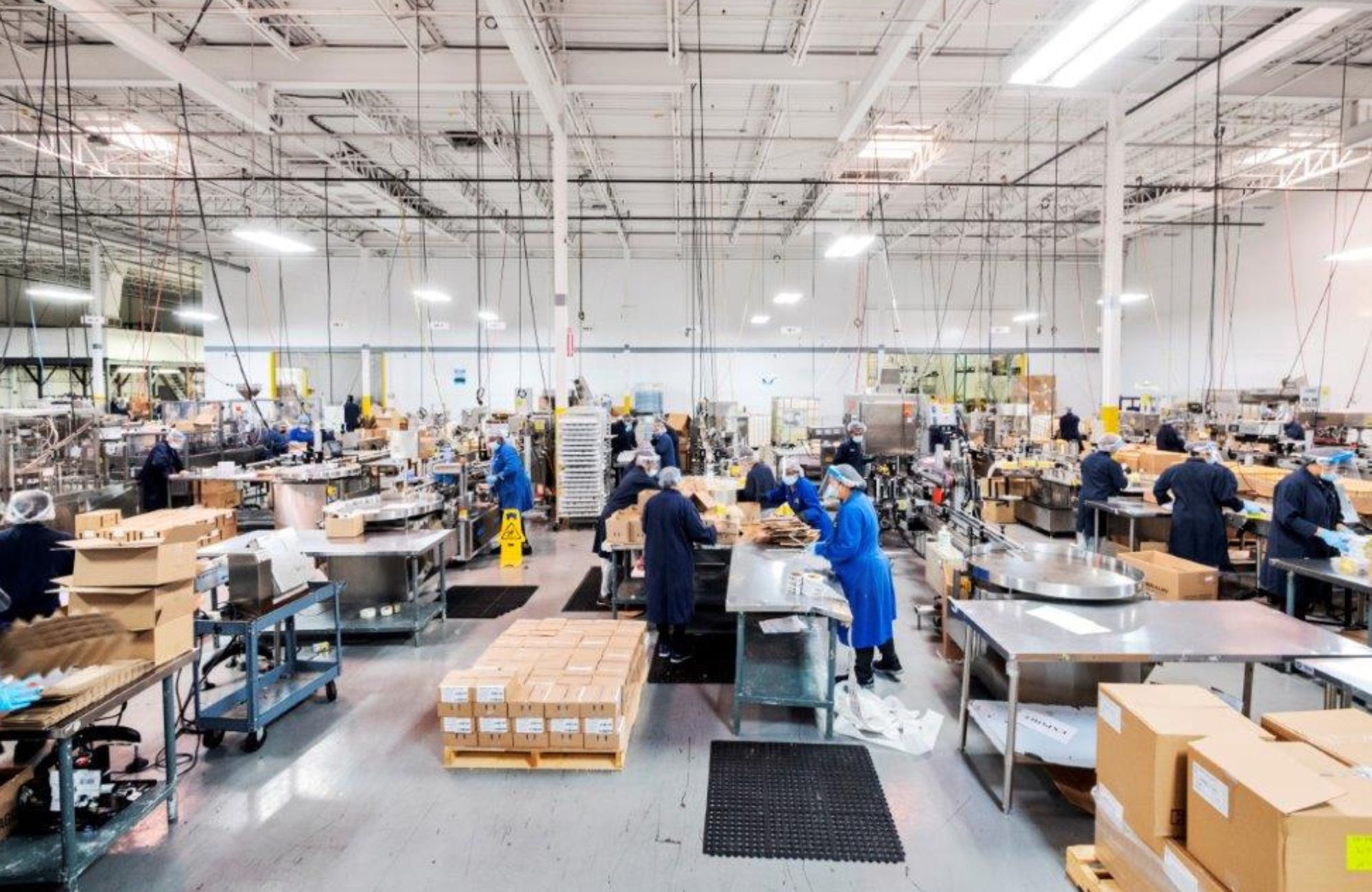
Being built for growth involves continuous investment in equipment, automation and facility infrastructure along with long-term capacity planning designed to anticipate partner needs before they arise and ensure manufacturers can support them as they scale. “Anyone can buy equipment,” says Orriss. “The real differentiator is combining that investment with an organization that continuously adapts and innovates.”
SV Labs operates four integrated manufacturing facilities supported by a centralized supply chain organization, allowing production to shift between sites as demand evolves. The company has invested in business continuity planning that extends beyond finished manufacturing into upstream suppliers.
That broader visibility has become increasingly important as supply chains contend with geopolitical volatility, tariffs and fluctuating raw material availability. Rather than relying solely on dual manufacturing sources, Orriss says continuity planning today entails deeper insight into the entire supplier network, from ingredient manufacturers to packaging providers.
Retail partners bank on ongoing innovation, including product line extensions, exclusive launches and packaging updates aligned with merchandising strategies and promotional calendars. Lemke says, “Retailers typically expect innovation, exclusives and margin optimization all at once.”
Those expectations can accelerate product development timelines and compel brands to move quickly from concept to commercialization. Simultaneously, brands must balance that pace with regulatory compliance, ingredient sourcing and manufacturing scalability. Even small formulation changes can create ripple effects across the supply chain, particularly if documentation required to substantiate product claims such as vegan or palm-free designations isn’t nailed down in development initially.
To mitigate risks, SV Labs integrates formulation, regulatory and supply chain teams throughout the development process. That coordination facilitates the surfacing of potential sourcing constraints or claim substantiation issues before commercialization timelines tighten.
The company’s Launch Lab platform is designed to further accelerate development by aligning formulation, testing and production capabilities within a single integrated workflow, enabling brands to bring launch-ready products to market in as little as 12 weeks. For brands navigating retail expansion, that integration can help reduce delays that tend to occur when development and manufacturing operate in separate silos.
Retail success ultimately depends on more than getting products onto shelves. It requires building the operational foundation to stay there.
To learn more about SV Labs’ capabilities and Launch Lab, click here or reach out via email at [email protected] to get started.




Leave a Reply
You must be logged in to post a comment.