Kayali, Odele, Dieux, Danessa Myricks And More CEW Visionary Awards Honorees Reflect On Entrepreneurship
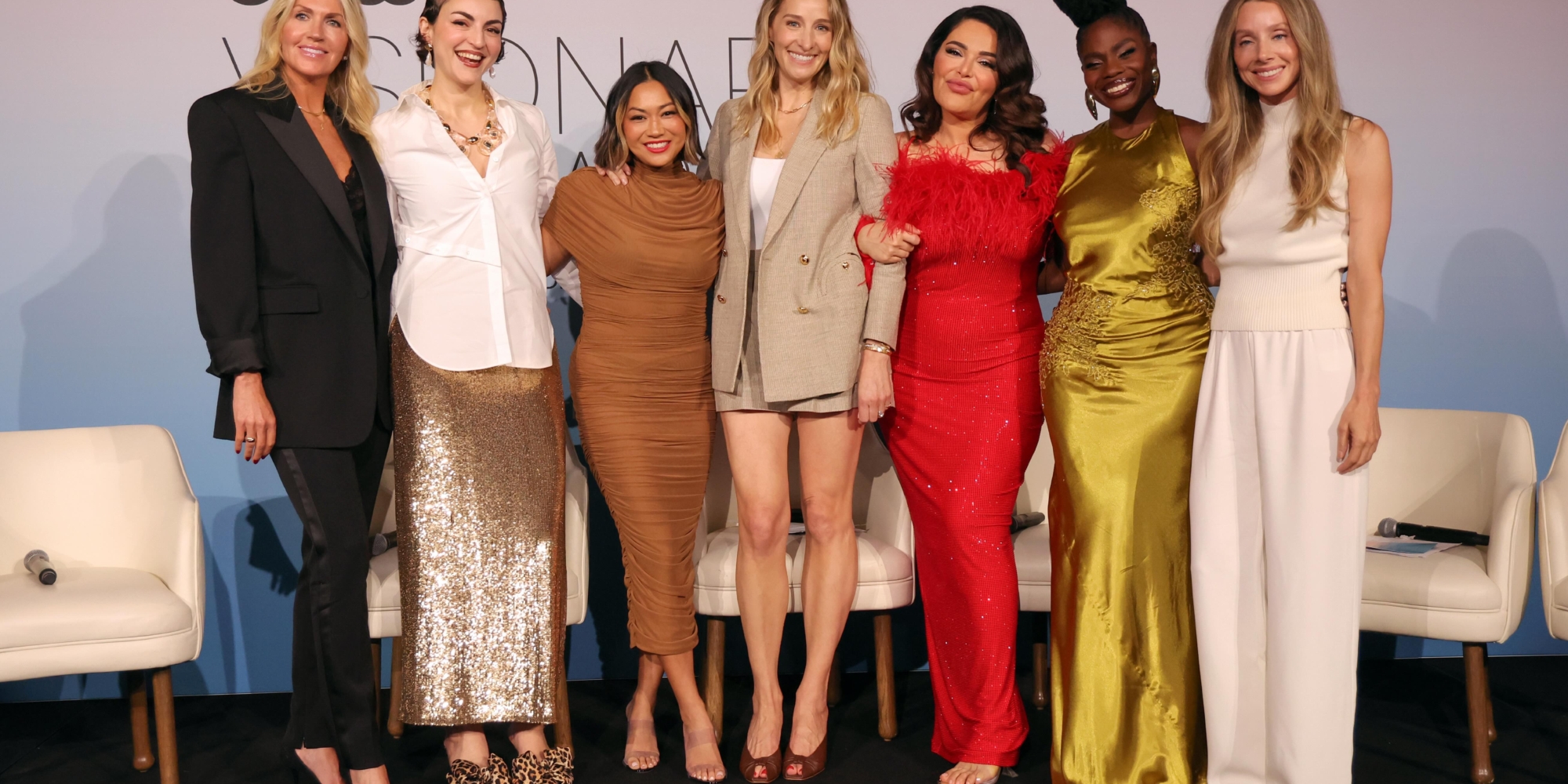
Female founders and entrepreneurs seized the spotlight at CEW’s eighth annual Visionary Awards at The Maybourne hotel in Beverly Hills on May 7.
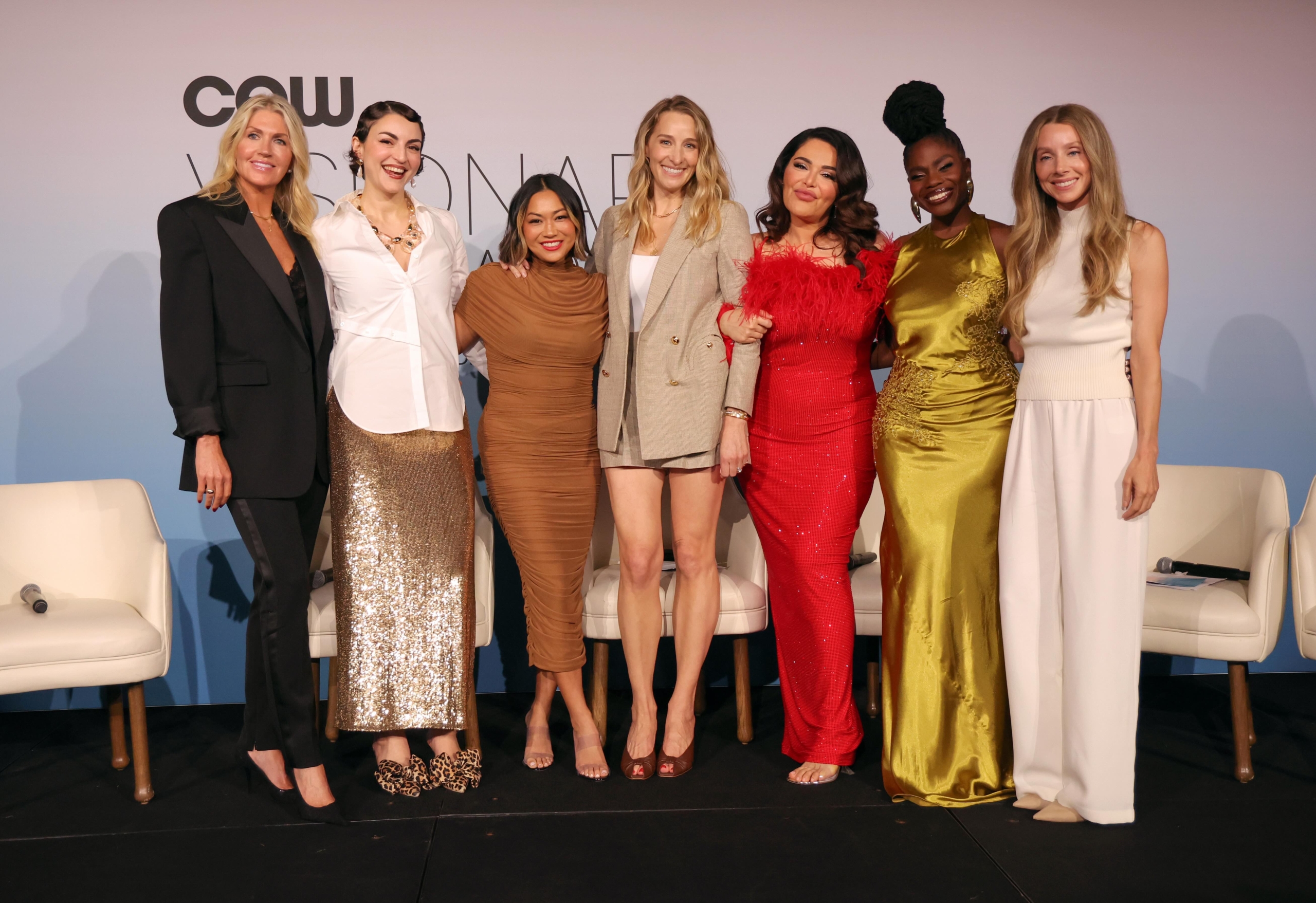
The brands started by this year’s honorees—Sarah Creal Beauty, Odele, Kayali, Danessa Myricks Beauty, Dieux Skin and Kitsch—represent not just business savvy and a knack for building an engaged community, but also innovation, persistence and resilience, all crucial for succeeding in a global beauty industry that’s increasingly complicated, costly and competitive.
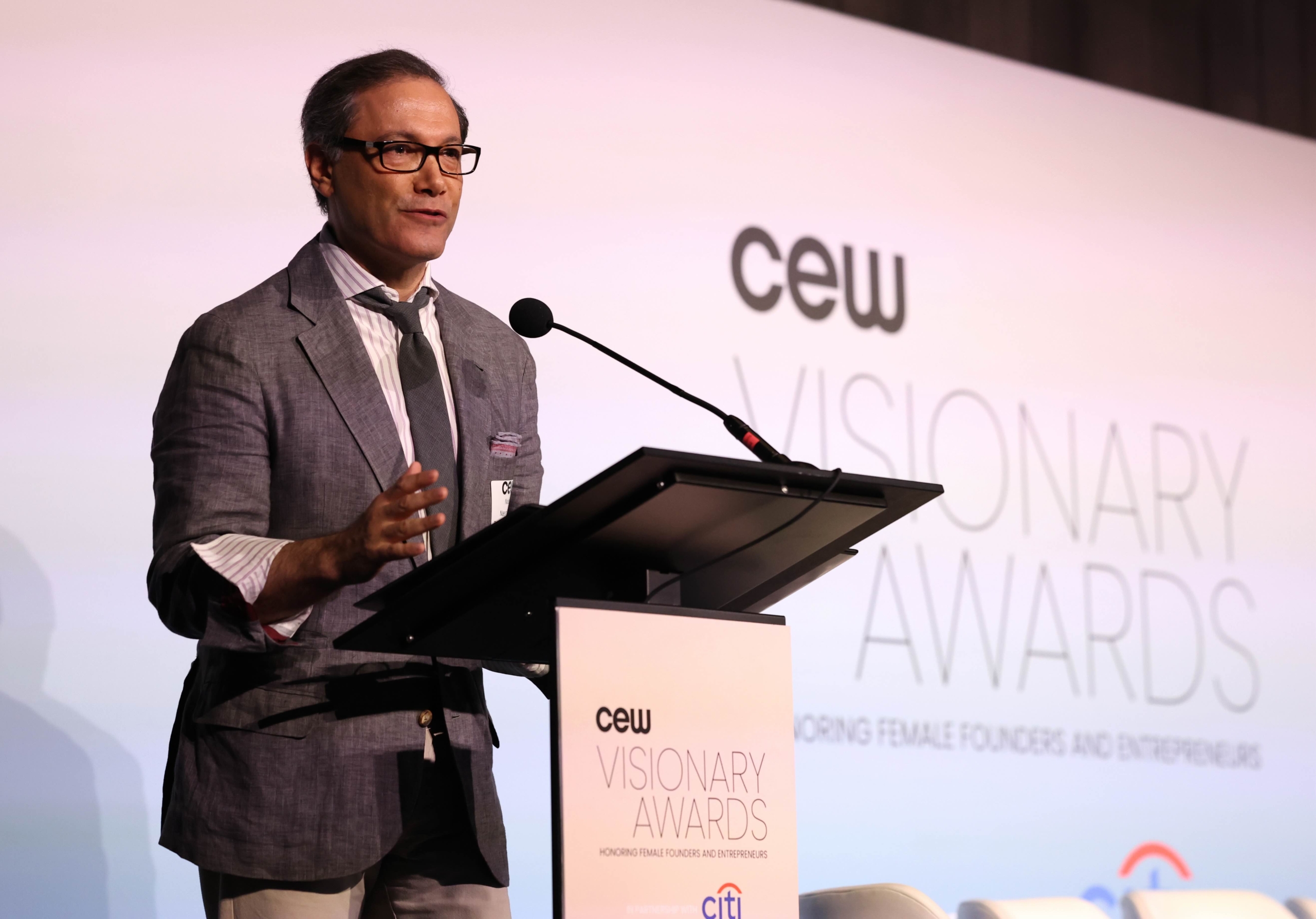
“It’s a more complex era. If you look at customer acquisition costs, they’re a lot higher than they were before,” said Nader Naeymi-Rad, founder and publisher of Beauty Independent, in a keynote speech. “If you look at competitive density, it’s higher than it was ever before.”
Naeymi-Rad gave a brief history of the modern beauty industry, chronicling its move from an age of empires, when approximately a dozen companies dominated the sector for a quarter century beginning in the 1980s and accounted for more than 90% of sales, to an age of rapid change, when beauty specialty retail and direct-to-consumer distribution took hold, and finally to the current age of champions, when leading independent powerhouses drive cultural capital and sales, with independent brands capturing nearly 30% of the market.
“Almost all of the growth that we witnessed in this market has come from young disruptor brands,” said Naeymi-Rad. He added that there’s been a professionalization of beauty entrepreneurship, and “the visionaries that are entering the industry today are markedly different than the people that I first met 10 or so years ago that were starting brands.”
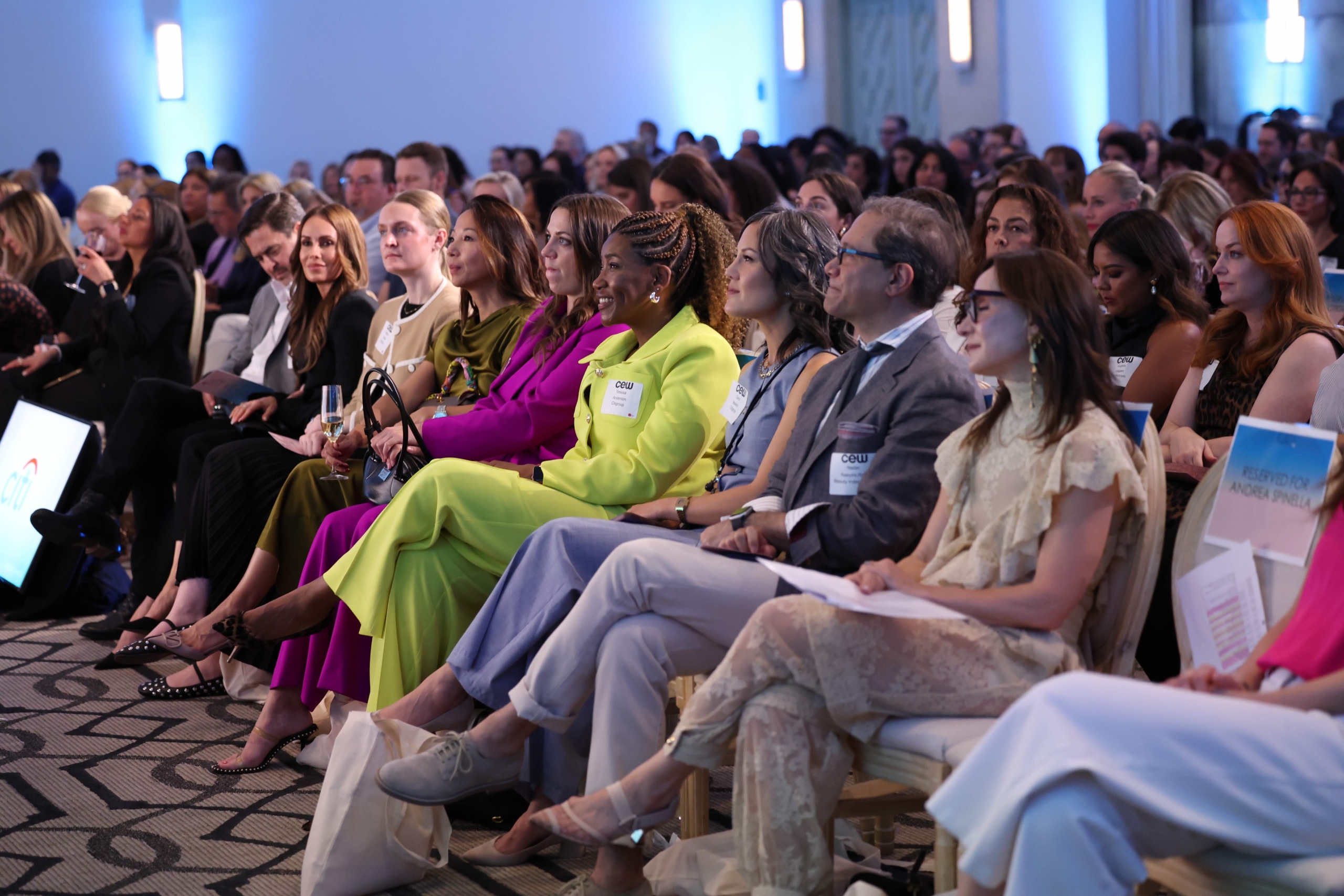
Among the Visionary Awards attendees who’ve witnessed their industry’s transformation were representatives from major beauty retailers, including Amazon, Macy’s, Nordstrom, Sephora and Ulta Beauty. Along with them, there were attendees from investment firms, brands, trade groups and supply chain companies such as True Beauty Ventures, Elevation Labs, Latinas In Beauty, McKenna Labs, Octavia Morgan, Evolvetogether and JB Skrub.
“Sometimes we forget that there’s a person behind the brand, and we forget to take care of her.”
In the panel capping the event and moderated by Kelly McPhilliamy, head of health and beauty in Citigroup’s consumer and retail investment banking division, the seven honorees attested to the changes and challenges in the beauty industry. Having quickly signed up Nordstrom as a retailer after launching Kitsch in 2010, founder Cassandra Morales Thurswell recounted that it took six years to secure distribution at Ulta and 14 years to land at Target. With sales estimated at over $500 million, she described expanding from hair accessories and pillowcases into solid shampoo and other personal-care products as a natural transition.
Thurswell said, “We grew sustainably and slowly over the years to the point where we could afford the growth that we were doing…One of the hardest things is sometimes saying no to opportunities that you can afford, and that takes a lot of discipline. It takes a lot of courage to say, ‘I’m going to just focus on this channel right now.’”
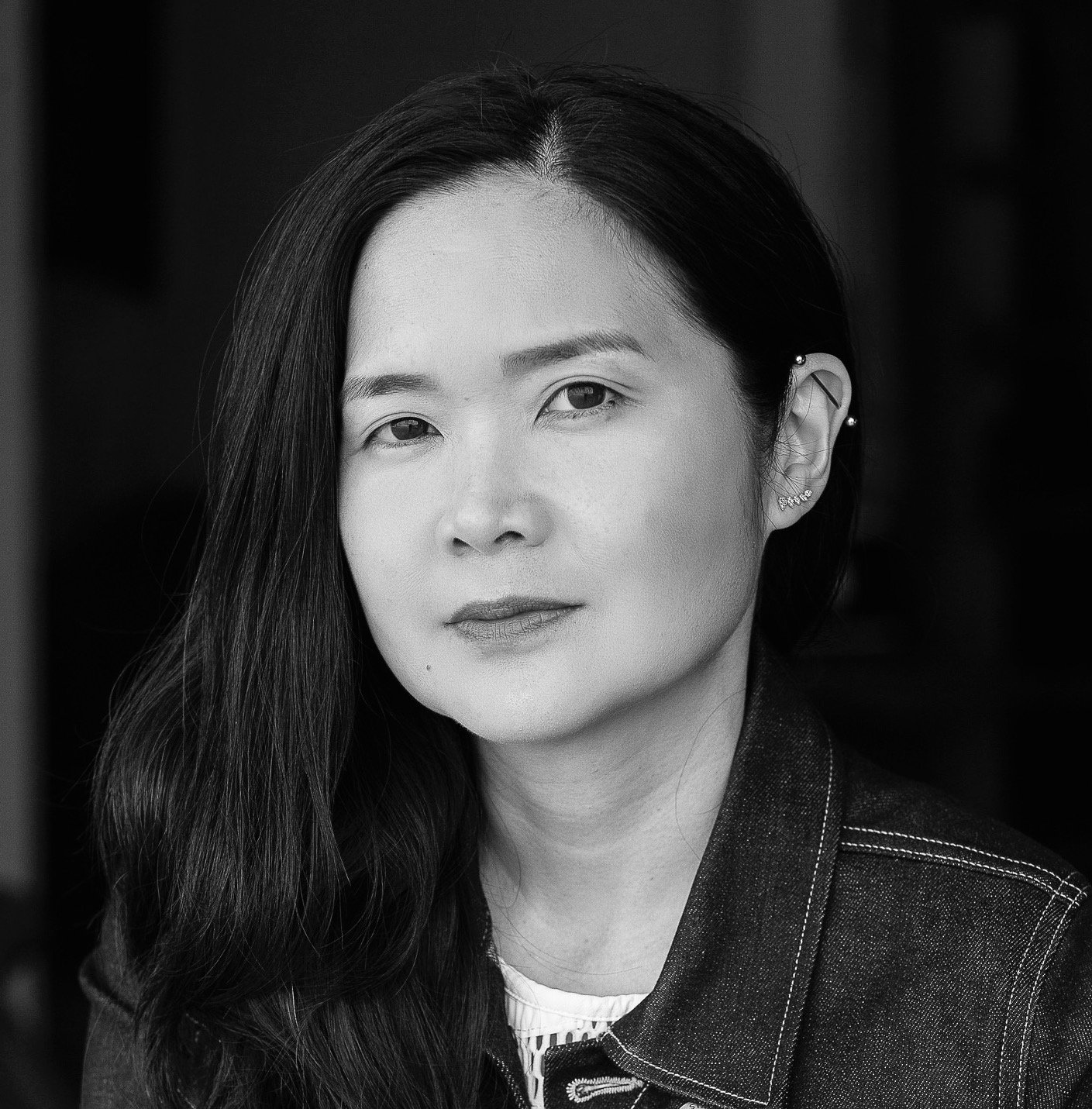
Even after starting her makeup artist career with $200 and building her first kit with drugstore cosmetics 26 years ago, Danessa Myricks never underestimates the importance of connecting with her community, whether it’s on social media or through spending 300 days a year traveling around the world. She said she uses TikTok for “having conversations with people who are using the products, answering their questions [and] solving problems.” Then, Instagram is for “telling the stories of the products and the education around that.”
Plus, the founder and CEO of Danessa Myricks Beauty said, “I just use my personal platform to just make it very clear to our community who I am and what I believe in.” At the same time, she reminded entrepreneurs to tend to their personal growth, for instance, through therapy. She said, “Sometimes we forget that there’s a person behind the brand, and we forget to take care of her.”
Joyce de Lemos, co-founder and chief of product at Dieux Skin, said her brand focuses on “radical transparency,” develops numerous iterations for its products (roughly 52 for its Instant Angel Lipid-Rich Firming Moisturizer by her count) and invests hundreds of thousands of dollars on clinical testing. “We’ve created this community that’s hyper-curious, hyper-engaged, and one that really stays connected with us,” she said. “They tell us what they like, what they don’t like, and it’s like having the ultimate playbook.”
De Lemos’ co-founder, Charlotte Palermino, who’s also Dieux’s chief brand officer, emphasized the value of centering customers. “You really need to respect your customer, but you also need to understand where she is and where they are at,” she said. “You need to be talking about, yes, of course, skincare—we’ll always be geeking out over that—but also culture, also, potentially even politics, maybe some things that you’re not super comfortable in doing, but it’s really impacting their lives.”
“Success is not linear.”
For Lindsay Holden, co-founder of clean haircare brand Odele, a recent expansion into Walmart was aided by grasping who’s shopping at the mega-chain and the retailer’s plans for the category. Six years after leaving her merchandising career at Target and establishing Odele, the brand has reached roughly 15,000 doors, including Target, CVS and Ulta, and fuels double-digit growth at all its retail partners.
Founder Mona Kattan’s fragrance brand Kayali wasn’t an instant hit. The former banker and publicist introduced the brand in 2018 as part of Huda Beauty, and its fragrance layering concept was ahead of the market. By 2025, its concept had fully caught on, and it was the No. 1 fragrance brand at Sephora, according to consumer insights firm YipitData. Last year, Kattan and private equity firm General Atlantic assumed control over Kayali. Now, Kattan said, “What do we do to keep the growth up and keep it sustainable and interesting and still be very innovative?”
Sarah Creal has firsthand knowledge of the constant need to innovate and adapt in the industry. Prior to launching her namesake makeup brand for women over 40 in 2024, Creal developed products for 30 years for brands like Prada Beauty, Tom Ford Beauty, Bobbi Brown Cosmetics and Victoria Beckham Beauty. She continues to hustle, especially in fundraising.
Discussing conversations with investors, Creal said, “In one week, I had three dudes say to me, ‘I just don’t think older women really want to look at other older women.’ Over my career, and certainly in the last few years, I have to say, it’s been the women who have shown up. They’ve made this brand what it is.”
As female founders forge ahead toward a new era in the beauty industry, Holden’s advice for aspiring entrepreneurs came down to this: “Be curious, have a bias for action and a whole lot of conviction. Learn from others, but trust that there is no one right way to do this, and success is not linear.”
Feature photo credit: Chelsea Lauren/Shutterstock