As beauty brands scramble to cope with 2025’s tariff increases, the conflict with Iran and disruptions in the Strait of Hormuz have introduced a new layer of instability. Shipping delays are stretching timelines by months, freight and fuel costs are soaring, and rising oil prices are rippling through the beauty supply chain, inflating the cost of everything from plastic pumps to ingredient sourcing.
Beauty conglomerates are already warning about the financial fallout. Shiseido has factored in an impact of around $32 million due to the war and is looking to swap out its oil-based inputs for plant-derived materials. E.l.f. Beauty is projecting a $15 million to $20 million hit from surging freight and oil prices. Kiko Milano has also estimated roughly $1.7 million in additional logistics expenses this year as shipping delays and container shortages intensify.
While large corporations have greater scale and financial flexibility to absorb rising costs, indie beauty brands are feeling the effects more acutely as thinner margins, smaller production runs and tighter cash flow leave less room to navigate sudden increases. Unlike conglomerates with diversified supply chains and greater purchasing power, smaller brands often have fewer manufacturing partners and less flexibility to reroute production or absorb higher logistics costs.
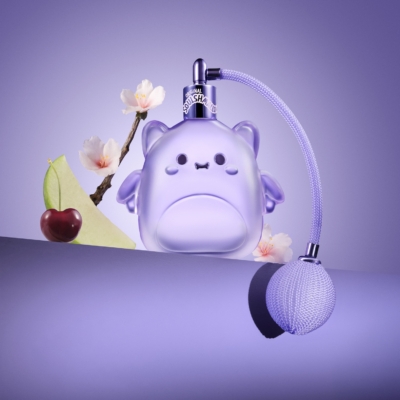
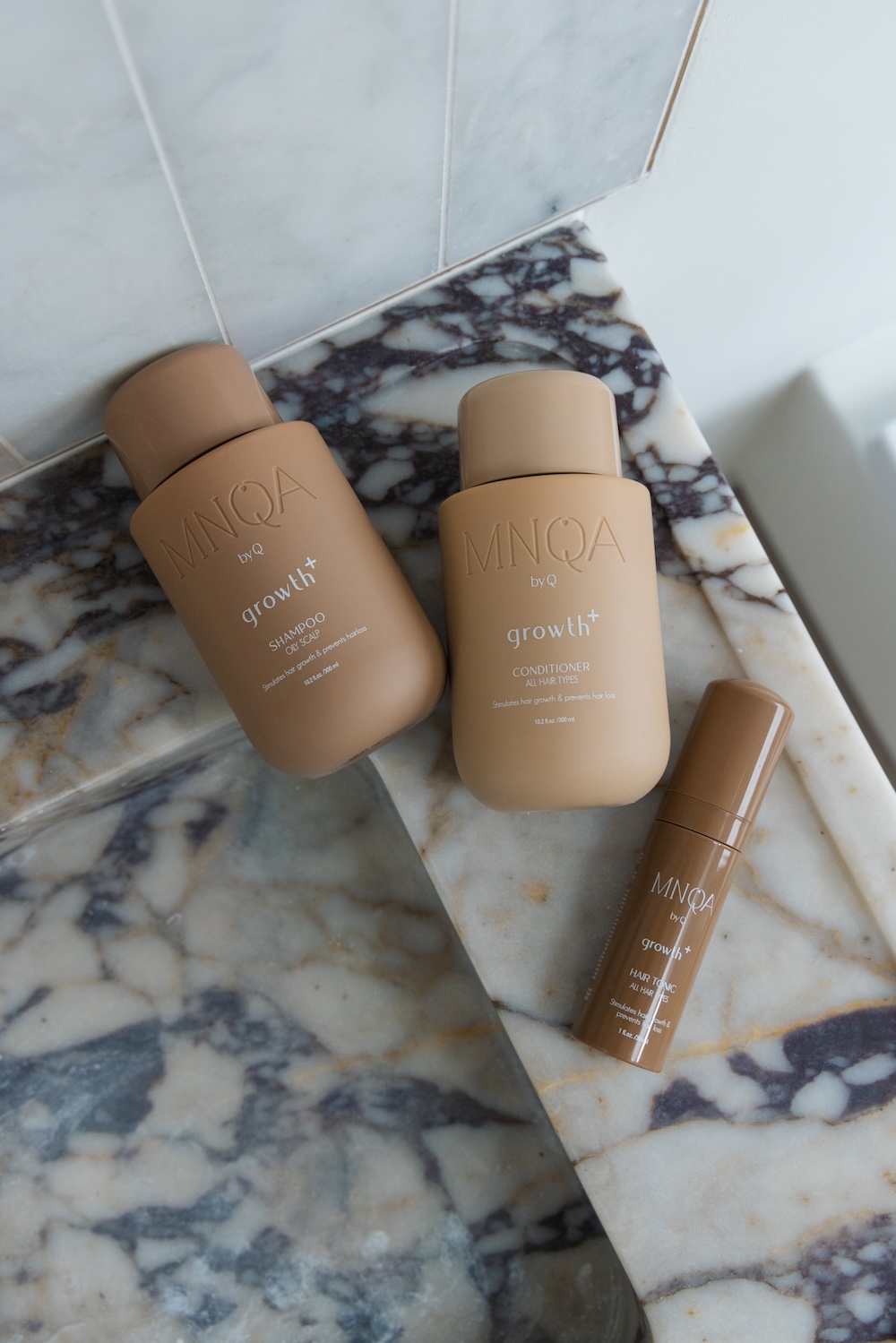
MNQA, a haircare brand headquartered in Kuwait, entered the year preparing for a major rollout tied to its first anniversary, with plans to launch a new product every month. The brand formulates its products in South Korea and sources packaging from China, leaving it heavily dependent on East Asian manufacturing and Middle Eastern shipping routes. Then the conflict with Iran began, shutting down sea and air transit routes for nearly two months and throwing the brand’s entire calendar into disarray.
Shipments that once took roughly 40 days to arrive are now taking between 60 and 80 days, while freight costs have doubled and, in some cases, tripled. Instead of following a carefully planned launch cadence beginning in January, MNQA has been forced to release products whenever inventory arrives, often months later than intended.
Amid K-beauty’s latest popularity surge, the conflict is creating fresh complications for South Korean brands. Then I Met You founder Charlotte Cho, who sources all of her skincare brand’s products from South Korea, called the Korean peninsula an “innocent bystander” in an April Instagram video. In it, she explains that the country gets 70% of its energy imports from critical routes affected by the conflict. As a result, citizens are experiencing heavy inflation along with mandated caps on energy consumption.
Similar to Alturaif, Cho has had to push back Then I Met You’s launch timelines and product seeding efforts. Shipment and business travel costs have gone up dramatically, and she’s worked to build in additional “buffer weeks” to account for production delays and mounting costs of goods sold.
She says, “There’s a total crisis in Korea, and every day the war goes on, it’s worrisome for me for the future of Korea.”
As disruptions tied to the Strait of Hormuz have pushed up oil costs, they’ve driven increases in the costs of petrochemical-based plastics that much of the beauty industry relies on for packaging. According to market data tied to the Dalian Commodity Exchange, polyethylene prices are up roughly 14% year over year, and polypropylene prices have climbed nearly 23%. Polypropylene is commonly used for caps and pumps, and polyethylene is frequently used in tubes and droppers.
Jason Wong, founder of packaging manufacturer Paking Duck, which primarily specializes in plastic and paper, says his prices have gone up by as much as 30%. He bought a stockpile in March in anticipation of the hike, but has since gone through it and has had to increase prices mostly by 10% to 15%. Paking Duck’s clients include indie brands such as Om Organics and Educated Mess, but also larger brands that generate $80 million to $150 million in annual revenue.
Of the larger brands, Wong says, “They’re a bit more resilient to price hikes, but no one will ever be happy about paying more due to uncontrolled circumstances.”
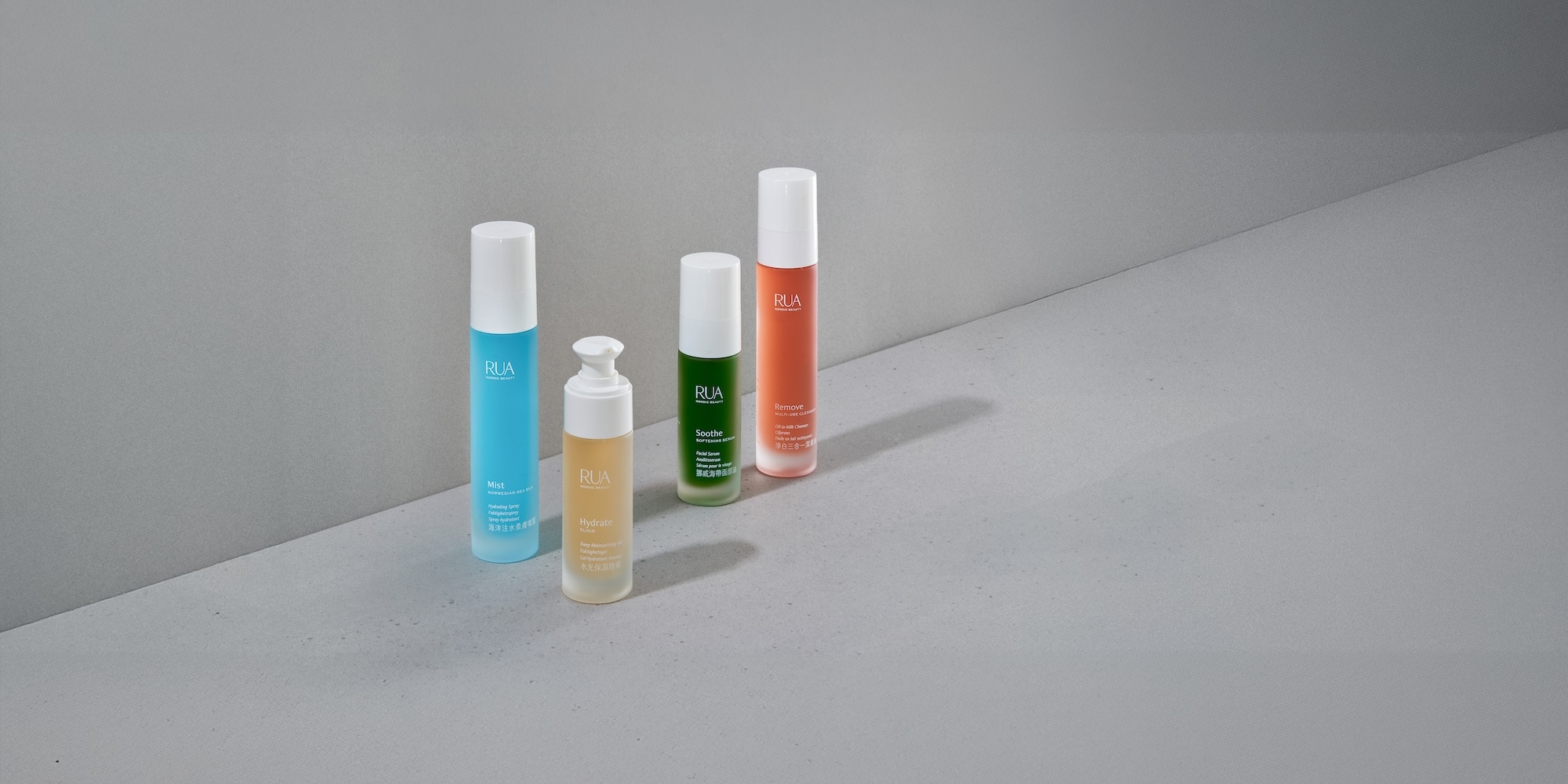
Brands dependent on plastic packaging are taking the hardest hit, but sustainability-focused companies that try to steer clear of plastic aren’t escaping the impacts either. Oslo, Norway-based skincare brand Rua uses glass and aluminum packaging for its products and has seen a 143% increase in fuel prices tied to transportation and manufacturing costs.
Founder Kristina Dunn raised Rua’s prices by 7% to 12% at the beginning of the year in response to the tariff increases and to compensate for rising raw material and shipping costs. At one point, Rua was hit with a 75% tariff from the U.S. for its aluminum caps.
“Being that we are a small indie brand, we already have really tight margins because we’re not producing in the massive quantities that mega corporations would be doing,” says Dunn. “It’s really difficult for businesses to strategize when literally it seems to be rapidly changing within even 24 hours.”
For now, MNQA is absorbing the increased costs rather than passing them on to consumers, particularly because the brand is still new to the market. Instead, Alturaif is considering doubling its MOQs from 10,000 to 20,000 and increasing her backup stock from 15% to 30% to avoid future stockouts and shipping uncertainty.
“It’s going to be an extra investment, but then again, I won’t have to have this loop of going back and forth of not knowing if it’s going to get shipped, if it’s going to get stuck, if the prices of the shipping are increasing,” she says. “This helps to avoid all of that.”
Dunn is choosing to reorient her business closer to home by focusing on local customers rather than pursuing global distribution and sales. She’s looking to host skincare workshops and foster community building, something she believes has gotten lost in the explosion of indie beauty post-pandemic.
She says, “Hopefully this will be a return to what indie beauty really represents, and that is a community-based, customer-based experience versus having goals to be in major retailers such as Sephora, for example.”
As the war continues to expose beauty’s packaging problem, particularly its reliance on plastic, Dunn sees this moment as a wake-up call for brands to rethink the industry’s infrastructure altogether. “Hopefully, this is the demise of this really destructive and deathly industry for our planet and for humankind,” she says. “Rua, she is the daughter of Mother Earth, so she’s out here fighting every way she can to protect our planet and to protect human beings.”