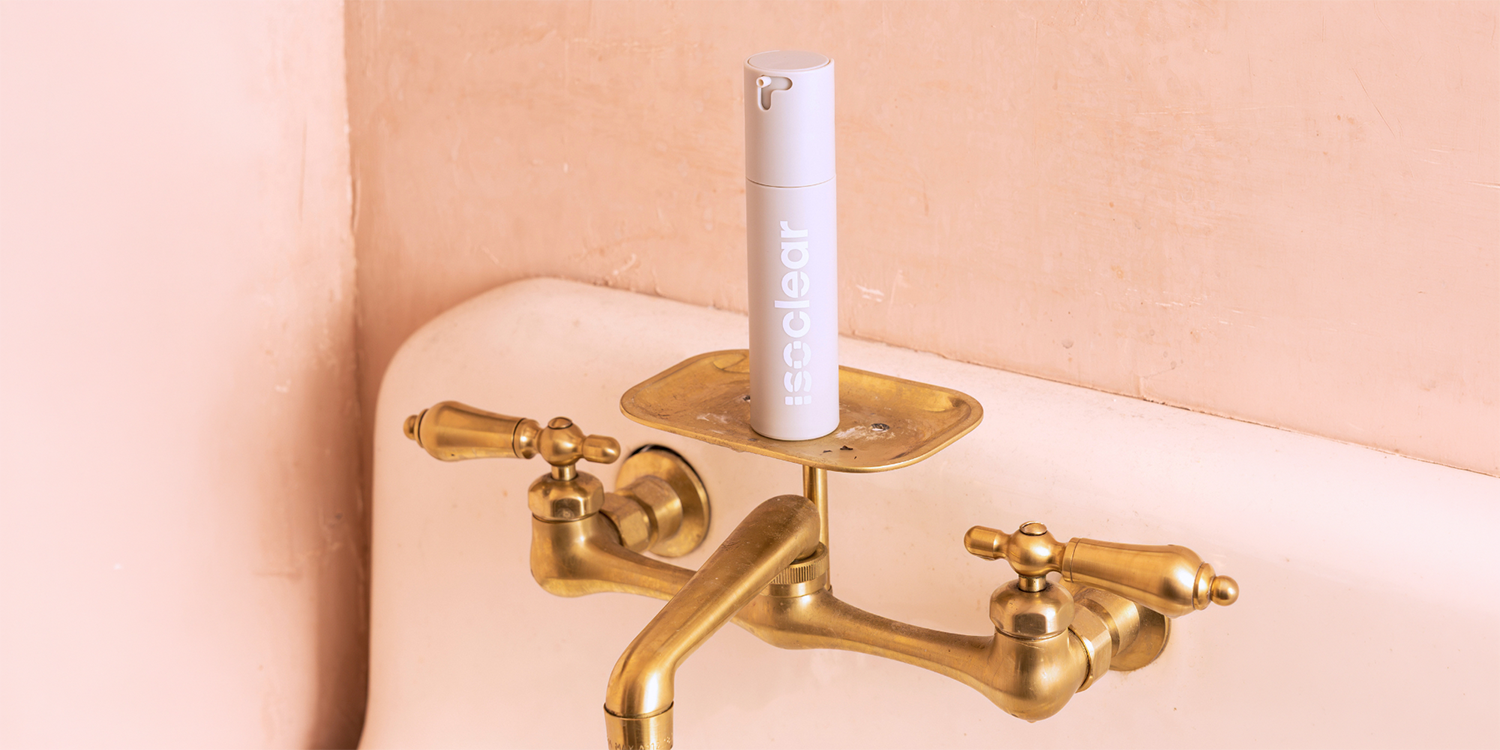

Clear Health is launching a topical skincare regimen featuring isotretinoin, the active ingredient in Accutane, as it seeks to address concerns about oral treatment, reach more patients and differentiate itself in a crowded telehealth sector.
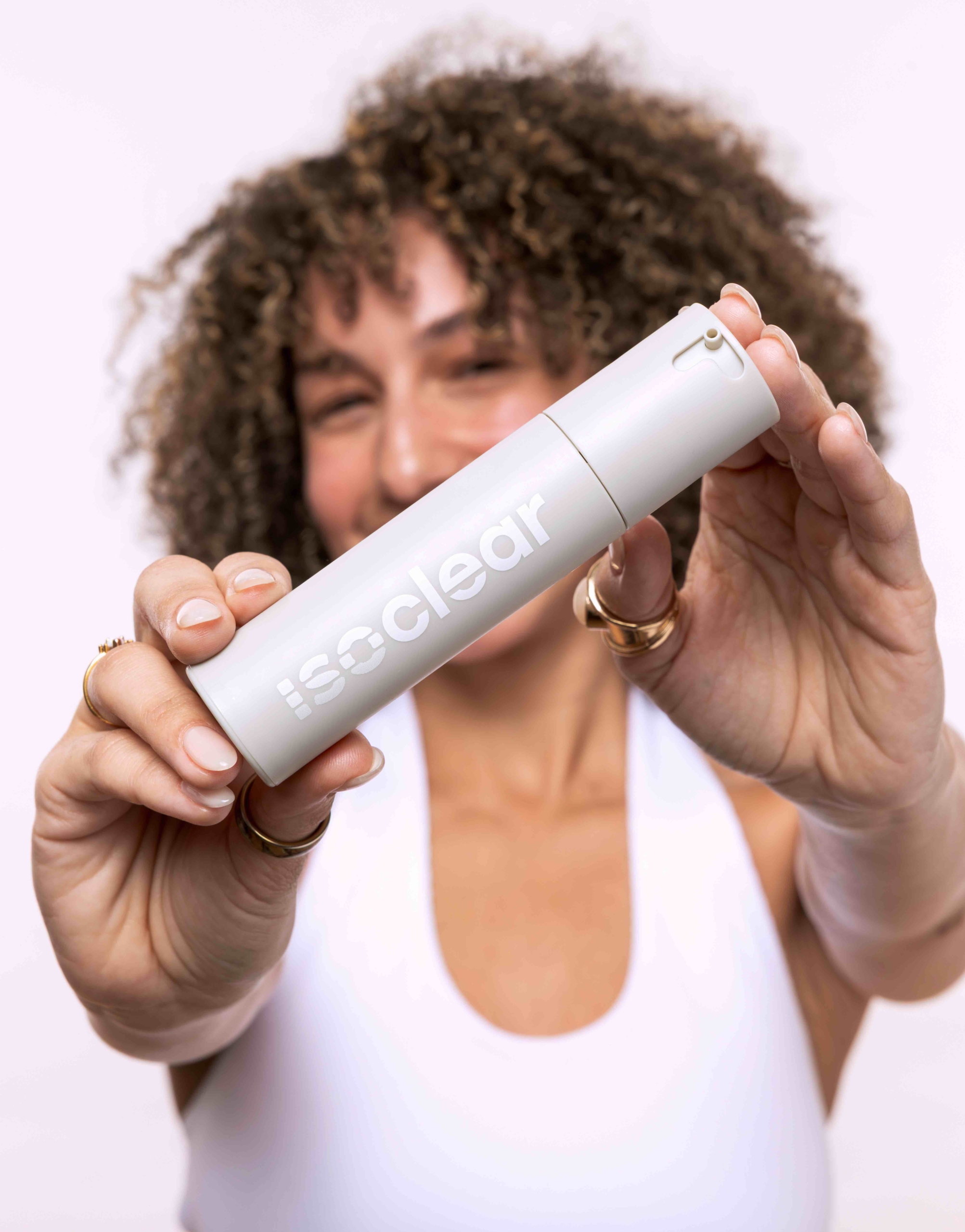
Called IsoClear, the company describes it as the first topical isotretinoin regimen in the United States. It consists of three components: Clear, which targets breakouts by reducing clogged pores, bacteria and inflammation; Fade, which addresses discoloration and uneven skin tone related to acne; and Renew, which supports ongoing skin health. Clear Health charges $100 for a two-month supply or $480 annually, equivalent to $40 per month.
After years of controversy over its side effects and strict safety protocols, isotretinoin has been attracting renewed interest as dermatologists and patients revisit the drug’s risk-benefit profile and increasingly embrace lower-dose regimens, often referred to as microdosing, in which patients take smaller amounts of the medication over a longer period.
Even with microdosing, however, some patients discontinue isotretinoin because of iPLEDGE, the U.S. Food and Drug Administration’s safety program, which includes regular pregnancy testing for patients who can become pregnant because the drug can cause birth defects. IsoClear provides patients with a way to try isotretinoin without enrolling in iPLEDGE.
“We view this as that real next big step,” says Michael Chang, CEO and co-founder of Clear Health. “Accutane works. That’s why people go on it. It’s probably the best acne drug we’ve had. It’s essentially a cure for a subset of patients, but a lot of patients who come through the platform, they say they just don’t want to go on iPLEDGE.”

IsoClear remains a prescription medication, and patients must consult with a dermatologist before it is prescribed. However, unlike oral isotretinoin, it doesn’t require ongoing monitoring through iPLEDGE or regular pregnancy testing, making it an attractive option for patients who are uncomfortable with those requirements or are planning to become pregnant. Clear Health facilitates access to dermatologists in all 50 states in less than 24 hours.
“People know isotretinoin,” says Chang. “They’ve seen so many people around them get clear from it. The friction is all the requirements that people don’t want to go through.”
He points out IsoClear expands Clear Health’s potential patient base from the estimated 5 million to 10 million Americans with acne severe enough to warrant Accutane to the roughly 50 million Americans affected by acne. He notes that about 85% of people experience acne during adolescence and that as many as 30% of adults deal with it. The median age of Clear Health’s patients is 29 or 30, and they’re equally split between male and female. Many have spent years cycling through products in search of a lasting solution.
“Clear Health is now reimagining how isotretinoin itself is delivered by bringing one of dermatology’s most effective acne therapies into a personalized topical format.”
Clear Health expects patients to notice results from IsoClear within several weeks, but Chang stresses that the regimen isn’t intended to deliver the same outcomes as oral isotretinoin and isn’t a cure for acne. Still, he believes it could introduce patients to isotretinoin who might otherwise avoid oral treatment, with a select number ultimately choosing to transition to the oral medication for stronger results. To encourage that progression, Clear Health guarantees that patients who use IsoClear for four months without achieving satisfactory results can have their first oral isotretinoin consultation and initial month of medication covered if they’re deemed appropriate candidates.
Although IsoClear opens the door to topical isotretinoin in the U.S. market, formulations containing the ingredient have previously been available in other countries. Chang explains earlier attempts to commercialize topical isotretinoin in the U.S. were hampered by formulation instability and the availability of tretinoin as an established prescription topical retinoid. He argues topical isotretinoin is better tolerated than tretinoin, which is associated with skin irritation, and contends advances in formulation technology have made it possible to overcome stability challenges.
Corresponding with the launch of IsoClear, Clear Health is rolling out an advertising campaign across YouTube, Meta and TikTok, with streaming television potentially to follow. Starring Chang, who struggled with acne for a decade, and dermatologist and Clear Health medical director Aaron Farberg, the campaign targets patients who aren’t ready or interested in oral isotretinoin but are looking to elevate their acne treatment. Clear Health worked with creative producer Anneka Bunnag and videographer Will Streissguth on the campaign.
Clear Health has raised undisclosed funding from Mana Ventures, Republic Capital, XRC Ventures, family offices and angel investors. In the packed telehealth market where providers can appear interchangeable, the company has ambitious plans for IsoClear. Chang predicts the topical regimen will eventually become a larger part of Clear Health’s business than its oral isotretinoin prescriptions. The company previously expanded into cosmetic skincare, but it has yet to become a substantial contributor to its business.
As Clear Health extends further beyond oral prescription medications, Diana Melencio, general partner at XRC Ventures’ Brand Capital Fund, suggests IsoClear reinforces the firm’s belief that the company can forge broader relationships with patients throughout their skincare journey rather than only during a limited course of oral isotretinoin. “Clear Health is now reimagining how isotretinoin itself is delivered by bringing one of dermatology’s most effective acne therapies into a personalized topical format,” she says. “By combining customized formulations, dermatologist-guided care and a digital-first patient experience, the company is creating a differentiated treatment platform that has the potential to expand access to isotretinoin while strengthening long-term patient engagement.”
To Chang, differentiation is particularly important because he’s convinced the winners in the telehealth space will be companies that spark brand affinity and recognition. “The long-term moat is always the brand itself versus some kind of intellectual property defensibility,” he says. “I actually think those are pretty weak. I think brand is the thing that sustains over time.”

Leave a Reply
You must be logged in to post a comment.