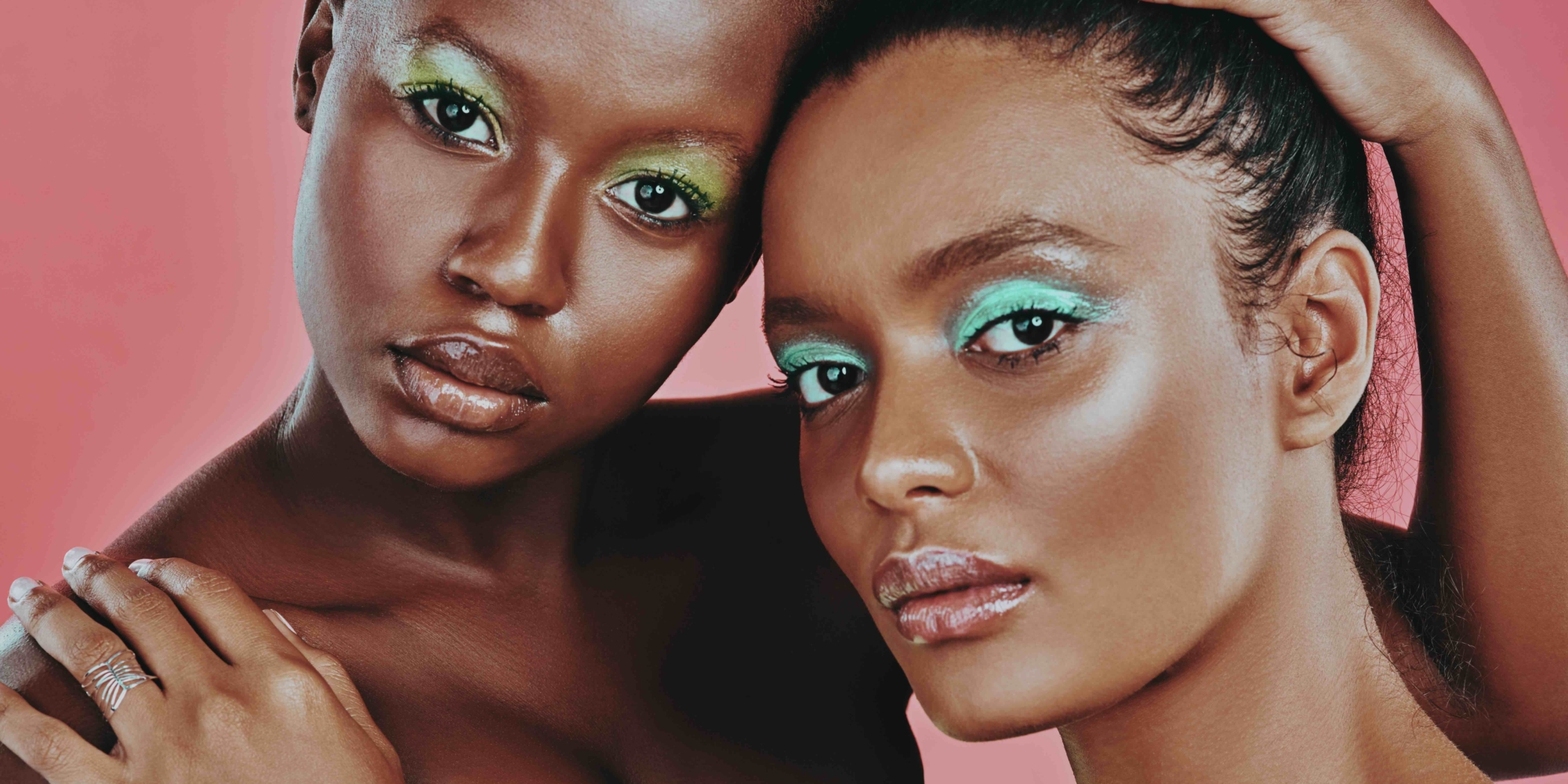
In 2025, the makeup category owed a lot to the mouth.
Without lip products, it would have slumped. Instead, growth was modest in the first nine months of the year, with Circana estimating the makeup category posted a 3% gain in prestige and a 1% increase in mass. While lip products outperformed every other segment, the market research firm also spotted early signs of life in eye makeup, with the subcategory up in prestige, a reversal from its decline in 2024.
Makeup brands and retailers are hoping those green shoots in eye makeup signal the start of a stronger makeup cycle ahead. Some expect a return to boldness and experimentation after the dominance of the “clean girl” aesthetic, which emphasized effortlessness, glow and skincare-infused formulas.
POV Beauty, the makeup brand launched by TikTok mega-influencer Mikayla Nogueira in 2025, is built for a post–clean girl moment. Its enviable out-of-the-gate sales—$1 million in just eight minutes—suggest there’s real appetite for that point of view. Sephora appears to be positioning for a potential glam revival as well, stocking expert-led brands like Hung Vanngo Beauty and M.Ph by Mary Phillips that lean more full beat than barely there.
Against that backdrop, we wondered which shifts founders and executives believe will reshape makeup next. For this edition of our ongoing series posing questions relevant to indie beauty, we asked 16 of them the following: What makeup trends will rise in 2026? What trends will be over?
-
 KJ Miller Brand President, Mented Cosmetics, Beauty Bakerie, Blossom Beauty and Blue Cross
 The word on everyone's lips in 2025 was "relatable." Everything needs to be relatable, the content we consume, the pop stars we admire, the recipes we follow. It wasn't the year for overly showy or stuffy. In 2026, this trend will spread into beauty. That means products with attainable prices and innovation that simplifies your routine will be the big winners.
While others have been calling for the return of ‘90s makeup, I see that trend staying mainly in apparel. With the exception of the occasional blue eyeshadow, we're seeing people opt out of ‘90s-inspired 10-step routines and instead opt for a single swipe of color on the eye and cheek, a workhorse foundation formula that's light enough for summer, but provides the coverage needed year-round and easy accoutrements like eyeshadow sticks and my-lips-but-better gloss shades.
That doesn't mean there's no room for full-blown glam. We'll always pull out all of the stops for special occasions, but, for everyday beauty, less is more, and less is totally relatable.
- Esme Mancia Founder, Libertad Vida and Esme Beauty Labs
In 2026, innovation will focus on sheers, tints and luminous finishes, with formulas that feel light, breathable and natural. Consumers are looking for sheer washes of color, soft tints and radiant textures that enhance the complexion rather than cover it. This shows up through the entire face, with cheek, eye and lip formulas that offer flexible pigments, balmy textures and a luminous, skin-first finish.
There is also a stronger demand for purposeful formulas designed for healthy skin. Products are expected to replenish moisture, support the barrier, calm irritation, brighten or improve long-term radiance. The line between skincare and color will continue to blur as makeup begins to behave like skincare and skincare becomes comfortable enough to use in place of makeup.
Eco-consciousness will remain a priority, with an emphasis on refillable formats, reduced waste packaging and plant-based or biotech-derived ingredients that still perform at a high level. Individuality will guide product development, since consumers want formulas that allow personal expression instead of following a single trend.
And, more than anything, beauty will move toward products and imagery that feel human. With AI creating a culture of visual perfection, consumers are craving authenticity, real skin, real results and a connection to products that look and feel like they belong in everyday life.
What is being left behind in 2025 is the fast-fashion model in beauty, where quick and inexpensive formulas were created solely for viral moments. Consumers are tired of the constant churn and want fewer products that offer true value and longevity.
Heavy, full coverage, mask-like formulas are also losing momentum as people gravitate toward softer, healthier finishes. Complex 12-step skincare routines have been and are still fading as well, replaced by streamlined rituals built around intentional and multifunctional products that create real results without unnecessary steps.
- Kia Brinkley Senior Director of Marketing, The Lip Bar
I can see bold eyes and pop-color lips returning in a major way. The beauty community is clearly looking to express themselves through makeup again. They want to be seen and acknowledged for their expressions.
I believe we’ll embrace this resurgence, while still remaining highly in tune with our skin. Skincare-infused makeup will continue to grow and expand as consumers become more knowledgeable about what they’re using and the ingredients behind their products.
Now, I don’t want to get everyone overly stirred, but I honestly think we’re approaching the end of the no-makeup makeup and clean-girl aesthetic trend. I see a growing contrast between those who choose to go barefaced or very naturally styled and those who embrace full glam. The dichotomy is widening.
Many are missing the simple pleasures of a bold lip. We’re overdue to bring out those multi-pan eyeshadow palettes and create full eye looks again, while others will continue to lean into an effortlessly natural, skin-first routine. I believe there will truly be two sides to the makeup coin; those who do and those who don’t. And those that do are upping the ante again.
- Nikki DeRoest Founder and Celebrity Makeup Artist, Ciele
The biggest shift I see is toward what I’d call expressive, but intelligent beauty. Cheeks are becoming the focal point of the entire face, not just a finishing step. People are using color to lift, warm and shape the features in ways that feel fresh and effortless, bringing blush higher on the cheekbones, blending it into the temples or sweeping it across the bridge of the nose. It’s a move away from the sculpted, contour-heavy looks of the past and into something more alive and emotive.
And lips are quietly reentering the conversation, too. After seasons of minimalism, I’m seeing people bring back bolder lip colors in a way that feels confident, but still relaxed, with softer edges and more lived-in application. Collectively, these rising trends point toward makeup that feels expressive, modern and comfortable, beauty that enhances personality without overwhelming it.
At the same time, several trends feel like they’re naturally losing momentum. Sharp contouring and heavy sculpting are definitely on their way out. The appetite for harsh lines just isn’t there anymore. People want definition that feels blended, believable and more in sync with their natural bone structure.
The overly glossy finishes that dominated for a while are also dialing down. While shine will always have its place, especially in editorial settings, most consumers are gravitating toward illumination that works across more environments and feels less theatrical day to day.
On the business side, the landscape is shifting in ways that are just as meaningful. Authentic dialogue between brands and their communities is now absolutely essential. Consumers want transparency, real voices and brands that evolve based on genuine feedback.
At the same time, in-person experiences are more important than ever. After years of digital-first everything, people are craving physical connection—opportunities to touch, try, learn and feel a brand’s personality in a way you simply can’t replicate online. Events, pop-ups and IRL education aren’t just marketing moments anymore; they’re a way for brands to express who they are, to build trust and to create memorable interactions that deepen loyalty.
I’m also seeing the rise of authentic community and more meaningful, long-term creator partnerships rather than quick influencer campaigns. People can immediately sense whether a partnership feels aligned or transactional. And consumers are looking for real communities. Strengthening our makeup artist community is a big focus for Ciele.
- Camille Bell Co-Founder and CEO, Pound Cake
From a consumer standpoint, I think we’ll see a continued departure from the “fun” trends that defined the past four years and a lean into subconscious and conscious acts of resistance. Beauty lovers aren’t insulated from any of the discourse, imagery and rapidly changing living conditions we all see when we take our beauty caps off.
At a time where you’re unsure about your own safety, you tend to turn inwards to things you can easily control, whether they be added pops of color or obsessive skin regimens.
I envision two branches that exist on racial lines reflective of today’s America:
1. White and white-passing women will shell inwards, striving for perfection as a means of safety. Ever-evolving skincare regimes not only provide a sense of individual control over something, but also a level of “private” beauty participation that fulfills the desire and ability to fit into an increasingly conservative, traditionalist, sexist and anti-Black/brown American landscape (see Sydney Sweeney’s AE ad).
2. Black women will continue to go back to pops of color, realizing “clean girl” aesthetics and subtle beats would never allow them to genuinely fit into society. They will be othered, memed, degraded and insulted regardless. Some will stop a self-committed refusal to wear color, and others will ignite a new desire to resist the atmosphere that continues to tell them it’s unsafe to stand out.
So, granular consumer trends will be hard to narrow down and split across demographics/psychographics. There are no universal experiences in beauty, and points of trauma (like the many experienced this year) have a way of highlighting/accentuating that. Ultimately, companies will just have to deeply know the audiences they serve and hope they were made for the moment. However, until the depression happens, product quality and money will reign in all directions.
Short answer = We’re so fucked, and every trend will be a response to that.
- Tara O'Kelly Founder and CEO, TOK Beauty
My makeup trend predictions for 2026 are:
Merging of beauty, wellness and lifestyle. People are focusing on healthy skin, healthy eating, moving their body more, avoiding alcohol, using clinically backed and results-driven skincare, and with that, I predict they will also look for skincare-forward formulas in their everyday makeup routine.
Focusing more on cleaner products and dissecting ingredient lists. Looking for base makeup and foundations with light to medium coverage, not heavy coverage, that gives them that radiant youthful glow. We have also seen a rise in the conversation and openness around perimenopause and menopause. Women are focusing more on balancing their hormones and with that making sure they aren’t using products that may have endocrine disruptors.
Mom and daughter. In 2025, there was an uprise with the number of teens in retailers like Sephora wanting the latest and trendiest products. I noticed that moms were looking for recommendations on cleaner products that they could purchase for their daughters. I think that will be a trend that continues into 2026 since many parents are focusing on the wellness of their teen first, while also understanding that they might want to experiment with makeup.
Inclusivity. Not just with skin tones, but also age. Mature women are looking for a simple everyday routine that they can use, and I feel this demographic is often forgotten about. They are looking for foundations that don’t sit in fine lines, lip glosses that don’t bleed, mascara that looks more natural, etc.
More color. Finally, I think that people will begin to experiment more with color, keeping a simple base routine, but maybe putting on a bold lip, using different shades of mascara, adding a bit of eyeshadow, wearing eyeliner again.
- Marylia Scott Founder, Marylia Scott Cosmetics
Consumers are increasingly rejecting makeup that performs beautifully for an hour only to collapse in real life. They want reliability. With climate unpredictability, longer workdays and more content being filmed outdoors, products must withstand real-world conditions, not just look good in a swatch.
At the same time, we’re seeing a major return to high-impact color: bold, expressive pigments like reds, neons and metallics delivered in soft, blendable, everyday wearable textures. Packaging is also evolving toward a futuristic minimalism defined by sleek, nongendered designs, reflective or translucent components and ergonomic applicators that actually solve functional problems.
And, in terms of finish, the “play aesthetic” is back: micro-glitter, wet-look shine and glass-skin effects across blush, lips and highlighters, driven by a desire for fun, nostalgia and self-expression.
On the flip side, several dominant trends are losing steam. The “clean girl” aesthetic isn’t disappearing, but its once-tight grip on the industry is fading as consumers push back against looks that feel overly prescriptive or exclusionary, opting instead for visible texture and individuality.
Overly complicated routines are also declining. The 10-step era and even multi-product no-makeup makeup routines are giving way to streamlined choices due to economic pressure, limited time and a rising expectation that products should deliver true performance, not just promises.
- Anisa Telwar Kaicker Founder and CEO, Anisa International and Anisa Beauty
Nowhere is the power of pairing more evident than in complexion. Hybrid base formulas—blushes, concealers and foundations that begin as creams and finish as soft-focus powders—are giving consumers the best of both worlds: blendability and longevity.
The tool innovation has evolved right alongside the textures. Dual-ended, multitasking brushes, engineered with one side specifically optimized for cream pickup and laydown, and the other for diffusion, polish or setting, have become the new standard of performance.
We’re seeing this reflected across editorial recognition as well. Allure’s 2025 Best of Beauty list included dual-ended complexion brushes as category leaders, signaling a shift: Your tool is now part of how your formula is judged, not an optional accessory.
In 2026, makeup doesn’t stop at the formula. The tool must be co-designed to unlock the finish the brand promises.
In 2026, the beauty industry isn’t just innovating, it’s integrating. We’re entering a moment where pairs are more powerful than single products: tool and formula, texture and texture, brand and partner, digital and physical. Consumers are telling us very clearly that beauty works better when things are designed to work together.
As the global beauty market, now well past the $450 billion mark, moves from hyper-growth into a more disciplined, value-driven era, there is increasing pressure on brands to deliver visible performance, simplified routines and a stronger return on every dollar spent. One of the most compelling answers emerging is the rise of intentional pairing: two complementary elements designed to elevate one another.
For independent and founder-led brands, this isn’t about novelty or “2-in-1” gimmicks. It’s about building ecosystems, duos, tools and textures that create a complete experience and deepen loyalty in a marketplace where consumers are more discerning, inflation-sensitive and skeptical of overpromising.
- Melanie Petschke Co-Founder, Crunchi
In 2026, makeup and skincare are converging in a way that’s driven by real performance, emerging science and technology rather than fleeting aesthetics. Consumers are increasingly savvy as they’re learning to differentiate marketing from meaning, and that’s reshaping what wins and what won’t next year.
Ingredients once relegated to wellness culture such as adaptogenic mushrooms will continue to graduate into foundational beauty staples. No longer just supplements, adaptogens are being integrated for barrier support and preventative aging at a deep biological level, helping skin resist inflammation and environmental stressors rather than just masking symptoms.
The line between skincare and makeup will continue to blur, but with higher standards. Consumers now understand that ingredient presence doesn’t equal performance. Actives like peptides will increasingly appear in cosmetics such as mascara, but only formulations using clinically relevant levels will stand out. “Label-claim” actives without function will lose credibility.
Transparency in 2026 goes beyond clean claims. Consumers are learning to differentiate real science from buzzwords and are demanding clinically tested ingredients, third-party verification, and clear explanations of formulation choices. Brands that communicate clearly, confidently and without fear-based messaging will earn trust. In 2026, makeup isn’t just about how it looks; it’s about how it performs, protects and proves its value.
- Kim Wileman Co-Founder and CEO, No Makeup Makeup
The consumer has evolved dramatically, and the industry is being pushed to evolve with her. “Clean” is no longer a marketing badge. People want proof. They want formulas that are genuinely safe, transparent and effective, and they expect brands to explain why their products work.
Minimalism continues to reshape routines. Consumers are exhausted by unnecessary steps, and products that multitask and deliver real results without complexity are becoming the new essentials.
One of the most important shifts is the rise of true age inclusivity. It’s not simply about offering more shades. It’s about designing products, messaging and experiences that acknowledge the needs of mature consumers, who increasingly refuse to be erased or overlooked.
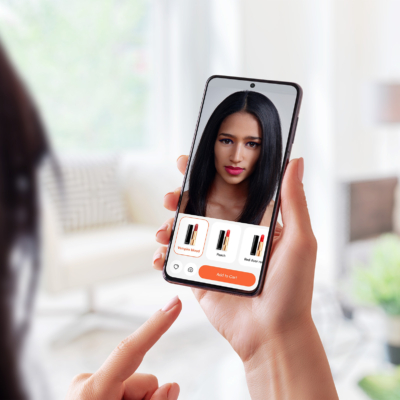
And, with technology becoming embedded in every stage of discovery, AR, AI and virtual try-on tools are quickly moving from novelty to expectation, especially as gen Z drives a more interactive and intuitive way of shopping for beauty.
On the opposite end of the spectrum, several long-standing industry habits are losing relevance. Over-engineered influencer marketing is one of them. Audiences are fatigued by the polished, hyper-produced content that feels disconnected from their reality. They want real people, real results and real opinions.
The rapid-fire launch cycle is also wearing thin. The market is oversaturated, and consumers can immediately identify when a product is simply a repeat formula in new packaging. There is a renewed appetite for originality, for meaningful innovation and for brands that create with intention rather than volume.
And the industry’s fixation on price competition is fading fast. Competing solely on cost has become a losing game. Consumers want value, quality and long-term performance, not a temporary discount.
Overall, 2025 felt like a reset year for beauty. Post-pandemic behavior has settled, and we’re now dealing with a far more educated, values-driven consumer. She is less brand loyal, more wellness oriented and increasingly focused on sustainability and ethical behavior. She is asking harder questions, expecting honest answers and choosing brands that align with her worldview.
The mandate for 2026 is clear: do better, show your work and create with intention. The brands that meet this moment with substance and sincerity will be the ones that thrive.
- Shan Berries Founder and CEO, Shades By Shan
Makeup that really works like skincare is only going to keep growing next year. People are much more aware of how their makeup feels on their skin, how it wears throughout the day and how their skin looks once it comes off. Saying a product has skincare benefits isn’t enough anymore; consumers want to actually feel and see the difference.
A lot of that innovation is coming from Korea. Korean labs have been leading the way for years when it comes to skin-first formulas and thoughtful ingredients, especially in complexion products. More brands are working closely with Korean manufacturers to create foundations and concealers that hydrate, support the skin and still perform like makeup should.
At the same time, some trends are starting to feel tired. Products that rely on skincare buzzwords without real results are losing trust. Heavy, mask-like base makeup and viral formulas that only look good on camera aren’t as appealing as they used to be. People want makeup they can live in, not just to post about.
We’re also seeing consumers pay closer attention to the values behind the brands they support. Being socially conscious isn’t a “nice-to-have” anymore, it actually matters. People want to know where their products come from, who the brand supports and whether it’s actually giving back in a real way, not just talking about it.
Consumers don’t want to choose between good makeup, good skin and doing good anymore. And brands that focus on real formulation, real partnerships and real impact are the ones that will earn long-term trust.
- Elaine Sack Chief Strategy Officer, RMS Beauty
What I feel happening for 2026 is a move away from the idea that one big trend defines the entire year. People are filtering their feeds in a much more personal way now. Their social media experience is becoming almost individual. That means trends are forming in smaller pockets of people who respond to the same look or technique. It is no longer about everyone being pushed toward the same style at once.
The consumer is paying closer attention to what actually works on their skin and for their age. They are trusting their own instincts rather than copying whatever is loudest online. What they respond to most are honest techniques that make sense in real life. They want to see skin behaving like skin. They want to learn something useful rather than chase a look that falls apart the moment you step outside.
I see this on our RMS Beauty channels all the time. When we post a simple video showing something very practical like Rose-Marie’s tips for blush application above the nostril instead of dragging down the face by placing it lower, people immediately start sharing how they adapt the technique for themselves. It becomes a conversation rather than a tutorial. That is where I think makeup is going. Small, connected groups of people taking a basic idea and making it feel true to their own face.
This is the future of trend creation. It is more human. It is more intuitive. It respects individual taste rather than telling everyone to chase the same look.
- Katherine Bauer VP of Product Development and Quality, RMS Beauty
Beauty is shifting even more toward individual taste and genuine personal expression, but people still want makeup that feels effortless and lasts. What we’re seeing in the labs right now is a real sense of fun and joy, with new textures and a willingness to play with color through vibrant eyeshadow palettes and bright blush.
There is also growing excitement around lip blur formulas and long-wear stains, including transformative chameleon lip oils that deliver all-day impact with minimal effort.
And running through all of these trends is a stronger focus on skin health. A resilient skin barrier, intentional skin prep and makeup infused with skincare benefits like eye brighteners are shaping a future where healthy-looking skin is the starting point for every look.
- Caroline SeongMarketing Manager, Clio Cosmetics
Trends Rising In 2026
- Quick beauty, long wear: fast results with fewer steps
Across our brands, consumers are telling us the same thing: They want speed and longevity at the same time. Products that deliver visible results quickly, but remain lightweight, hydrating and long-wearing are outperforming. The desire for efficiency is pushing brands toward multifunctional formats and all-in-one products that simplify routines without sacrificing payoff.
- Soft-focus, healthy-skin finishes (“faux natural”)
We’re seeing a shift away from both extremes—ultra-matte and ultra-dewy. Consumers want skin that looks healthy, even and softly radiant, almost like a filtered finish in real life. This is driving the rise of “skinifying makeup”: formulas that sit between skincare and color, offering treatment benefits with a natural, glowy payoff.
- Playful color as a form of identity
While base makeup is becoming more minimal, we’re seeing the opposite in color cosmetics. Bold, joyful shades, especially across lips and eyes, are becoming a tool for expressing individuality. Consumers are keeping the complexion natural and using pops of color to add edge, personality and energy.
- Blush takes the spotlight
Blush will continue to outperform traditional contouring categories. Consumers are gravitating toward blush as a way to sculpt, warm and energize the face without heaviness. From tonal draping to monochrome looks, blush is becoming the new statement feature.
Trends Over In 2026
- Heavy, multi-layered routines
Both in skincare and makeup, the era of layering six or seven steps to achieve a look is fading. Consumers are scaling back and opting for products that work harder with fewer layers. Instead of dramatically reshaping the face, people are choosing to enhance their natural bone structure with lighter, more strategic application.
- Dramatic lashes
Ultra-voluminous or overly architectural lash looks are losing momentum. Consumers and even lash extension wearers are asking for lighter, more fluttery, wispy styles that complement the eye rather than overpower it. The shift mirrors a broader move toward softer, more effortless beauty.
- Jessica Parker Founder, Kusshi
Trends Rising In 2026
Consumer habits and spending—Consumers are busy, and they want a one-stop shop to find everything they need and also reduce mental load. There has been a giant influx of beauty on Amazon, and that is only going to increase next year and beyond.
We have really leaned into Amazon and have seen major growth year-over-year with the anticipation of continued growth next year. Amazon and other online retailers like Nordstrom and Revolve make it easy to shop and receive items quickly, which draws consumers.
Supporting small business—With so many small businesses struggling this year to stay afloat and many going out of business, it is so important to support small growing businesses. Whether you are shopping direct, which is the most supportive, or shopping at a retail partner, spending your dollars with a small business will go a long way.
Power of traditional PR—Everyone wants the notoriety and validation of news outlets writing about their products. This takes a lot of effort and patience and definitely doesn’t happen overnight. Playing the long game with traditional PR for us has led to much press success. When the economy is suffering, brands should look to invest in the right publicist for more traditional PR, events and relationship-building.
Trends Over In 2026
Buying multiple products trying to achieve the same thing—Consumers want to find products that do it all. We all want products that make day-to-day life easier and more efficient. At the end of the day, we need to listen to what consumers want: more functionality, quality products with the right color variety. Buying less and getting more from one product versus multiple products, not only saves time but money.
- Alisha Gallagher Co-Founder and Chief Brand Officer, MOB Beauty
I anticipate that, in uncertain economic times, consumers will become even more discerning and intentional with their spend. While product quality will remain king, shared values and brand ethos will matter more than ever.
Performative efforts and aesthetics simply aren’t enough. In this environment, it’s essential that your community knows authentically who you are and what you stand for.
At MOB Beauty, transparency is foundational. Inviting our community into our MOB Lab, both IRL and online, is just one way we build trust and foster an ongoing dialogue around our commitments such as conscious formulations and sustainability.
If you have a question you'd like Beauty Independent to ask beauty brand founders and executives, send it to [email protected].

Leave a Reply
You must be logged in to post a comment.