Bite Beauty Founder Susanne Langmuir Returns To Sephora With Skin-First Makeup Brand Lixr
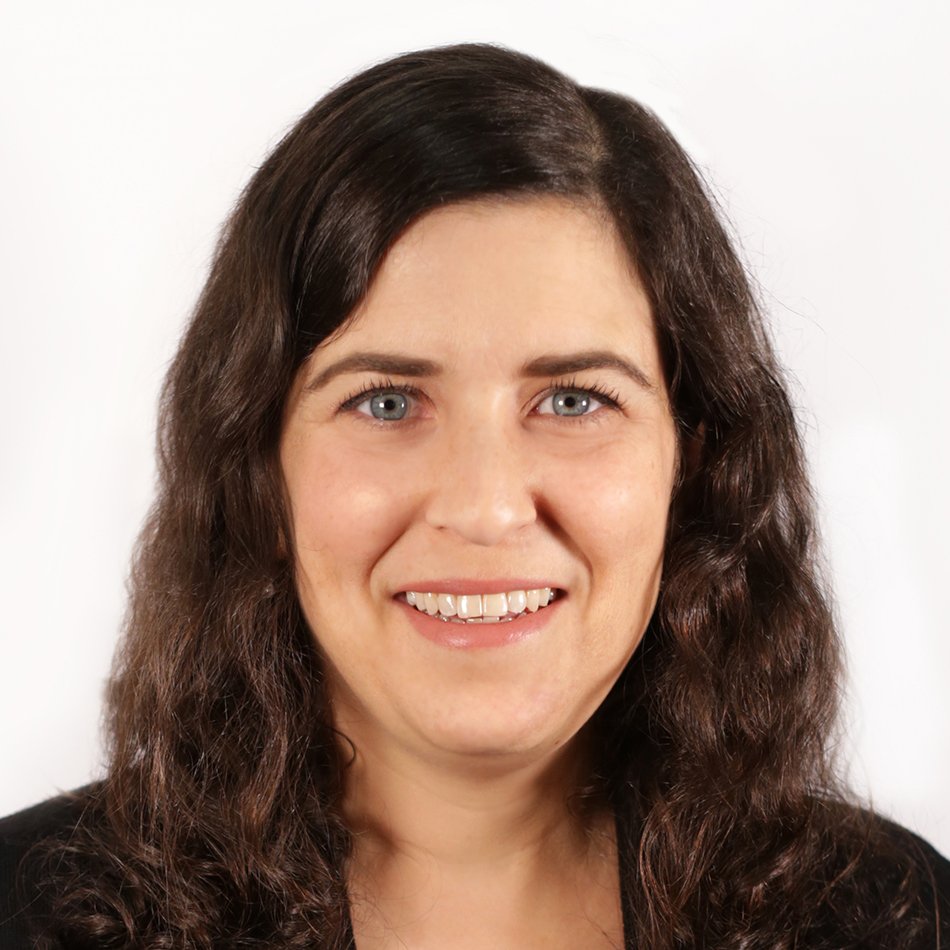
In May last year, Susanne Langmuir emailed Alison Hahn, then SVP of makeup and fragrance at Sephora, about a new project, cautiously testing her readiness to reenter the knife fight of beauty specialty retail.
“These are my best formulas yet, and I would regret not showing them to you,” Langmuir recounts writing Hahn, who retired from Sephora in August.
Four days later, Langmuir was on a plane from Toronto to San Francisco to pitch Sephora’s tough gatekeepers on Lixr, a brand describing itself as “skincare disguised as makeup” that eliminates water and silicones in favor of concentrated formulas made without synthetic preservatives. She was familiar with the process. Langmuir previously founded Bite Beauty, which launched at Sephora in 2012, was acquired by LVMH Moët Hennessy Louis Vuitton-owned incubator Kendo two years later and ultimately shuttered in 2022.
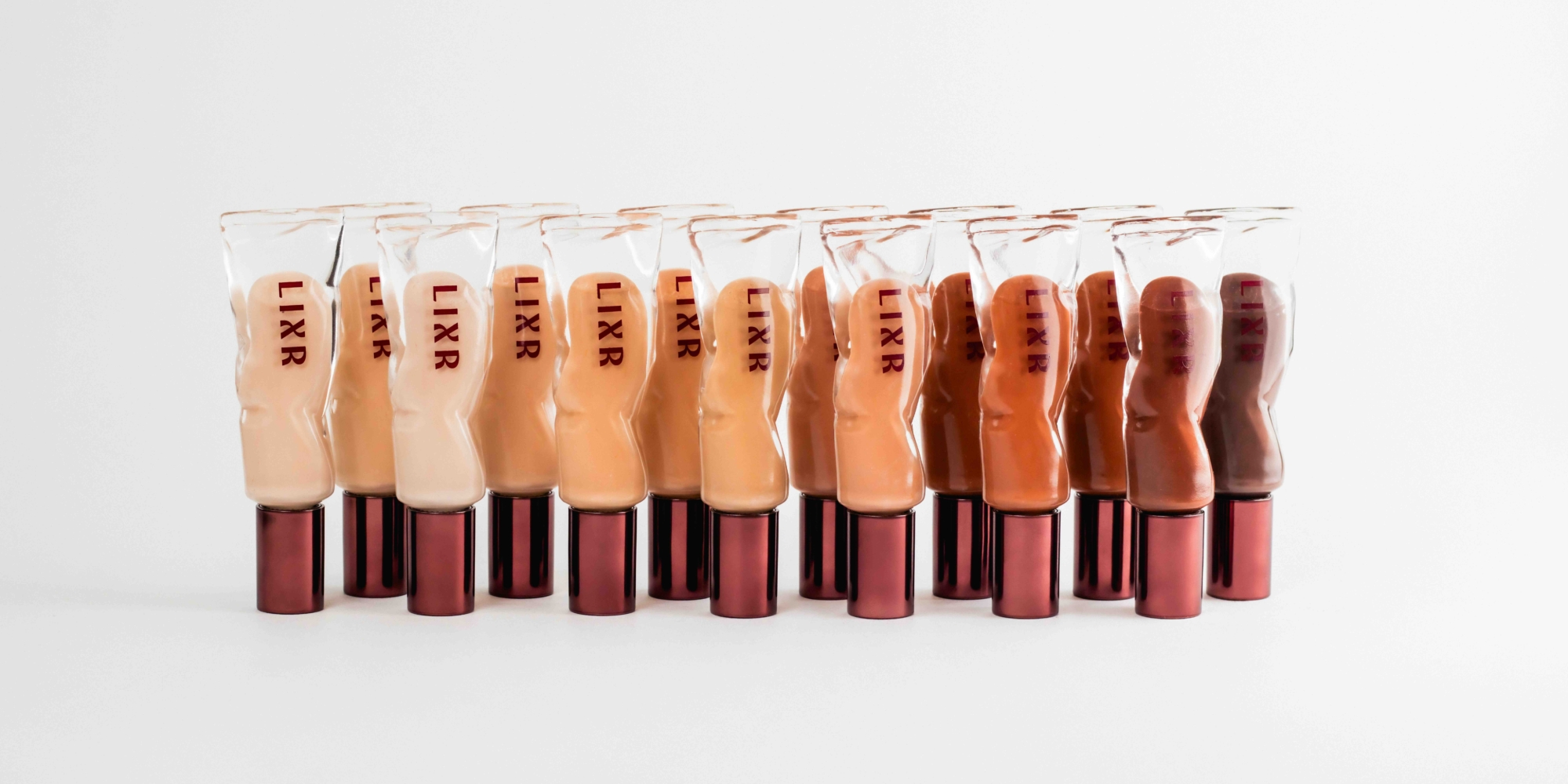
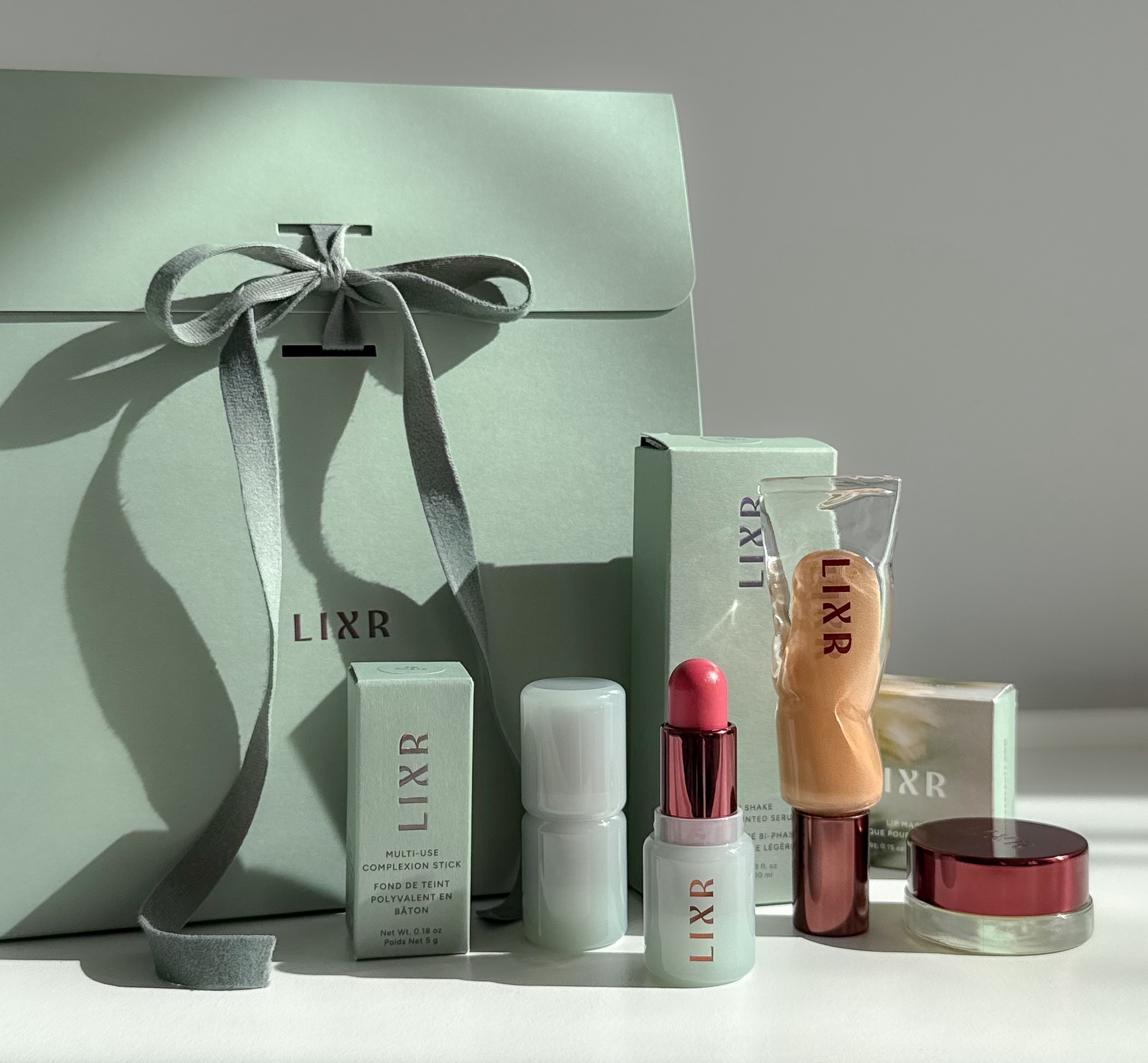
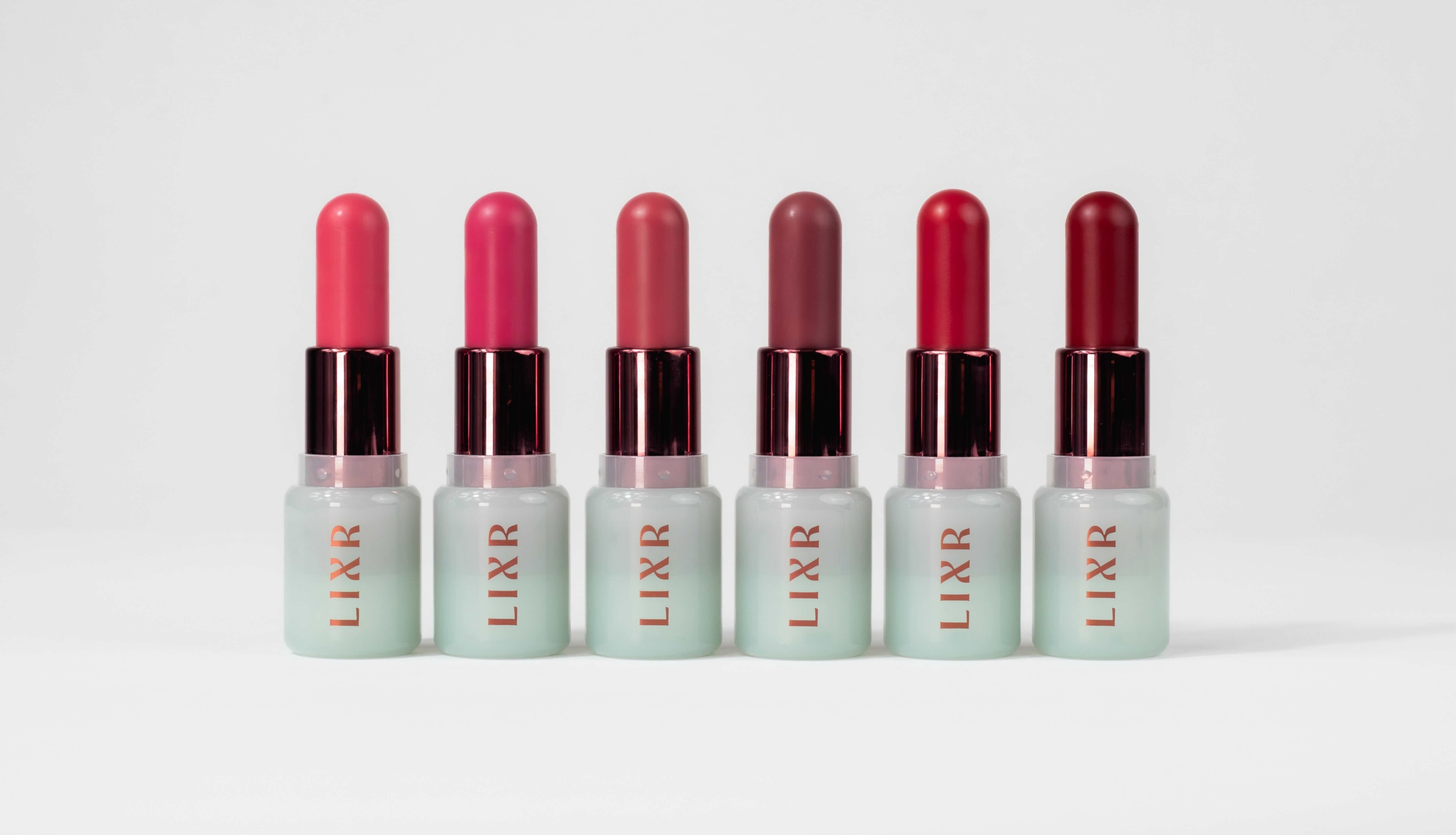
Now, nearly a year later, Lixr is making its debut at Sephora, arriving online today in the United States and Canada before expanding to 30 doors in a deliberately measured rollout for a 59-stockkeeping-unit brand heavily weighted toward complexion. In Canada, the brand will start at roughly 80 stores with its Hydrating Tinted Lip Mask on Next Big Thing displays. Products are priced between $28 and $49, with the Skin Shake Bi-Face Serum Skin Tint retailing for $49, the Multi-Use Cream-to-Powder Concealer & Foundation Stick at $36, the Lixstick Creamy Lip + Cheek Tint Stick at $36, and the lip mask at $28.
Lixr’s Sephora debut coincides with beauty product reformulations as the European Union prepares to restrict concentrations of cyclopentasiloxane, a silicone that gives formulas a silky texture, in leave-on cosmetics beginning in 2027. The reformulations, including those of foundations from Armani and Estée Lauder, are turning up the volume on ingredient awareness in makeup among already ingredient-savvy consumers. Simultaneously, there’s been a shift toward skincare-oriented complexion products that promise to enhance the results of skincare maintenance rather than counteract it. Complexion products from brands like Ilia, Kosas, Hourglass, M.Ph Beauty and Merit exemplify this shift.
“Complexion, in particular, is undergoing seismic change in formulations and consumer preferences,” says Langmuir. “I look at other launches that have happened recently from beauty founders with this skin-like finish and better ingredients. I feel like I’m in good company for a category. You’ll always have the consumer that wants super high, artistry coverage. People are mad about giving up their Armani foundation knowing that there’s a need to reformulate, but I believe that there is a very quickly growing consumer that wants to look like themselves and they want healthy, radiant skin.”
“These are my best formulas yet.”
The value and definition of waterless and preservative-free formulas are the subject of intense debate in the beauty industry. Some cosmetic chemists are vocal about warning that such claims can blanketly imply traditional preservatives are unsafe, even as brands tout environmental, health and formulation benefits.
Langmuir’s interest in waterless formulation stems from personal experiences rather than marketing purposes. “The No. 1 reason for me to go down this path was when my son Thomas had cystic acne, and it was suggested he go on prednisone. I was also diagnosed with an autoimmune disease, and I really went down a deep dive on preservatives,” she says. “Waterless is how you avoid preservatives. Because there is zero water, there’s a need for antioxidants, but not for preservatives.”
But Langmuir emphasizes that waterless, preservative-free formulas have performance advantages, too. Lixr’s skin tint contains 20 shades and skincare ingredients like squalane, jojoba oil, avocado oil and tocopherol. The brand meets the criteria for Sephora’s Clean + Planet Aware seal that excludes select ingredients and mandates certain sustainable sourcing, packaging and corporate choices.
“When you take water out, which can be as much as 60% in a foundation, maybe higher, and you remove silicones, the concentration of the pigment is extraordinary, but it still looks like skin,” she says. “You can control the coverage, and you don’t need much.”
“I have more to lose by getting this one wrong.”
However, removing water can alter how formulas behave and force consumers to adjust their application habits. True to its name, Lixr’s Skin Shake Bi-Face Serum Skin Tint must be shaken ahead of use to activate the formula. Prior to being shaken, the product appears separated. The skin tint is housed in glass packaging resembling a lip product component and features a rollerball applicator. “Something that looks like it’s separating that you have to shake requires education,” acknowledges Langmuir.
Langmuir is hardly a neophyte when it comes to introducing an unfamiliar concept that requires education. At Bite Beauty, she built a brand around lipstick formulated with food-grade ingredients good enough to eat. An offshoot of Bite Beauty, Kendo still operates Lip Lab stores where shoppers can have custom lip colors made. Eighteen stores in the U.S. and Canada are listed on Lip Lab’s site.
Earlier, Langmuir founded waterless skincare brand An-hydra and fragrance brand Susanne Lang Fragrance based around the idea of scent layering that’s become widespread. Lixr premiered in 2023 through a standalone Toronto retail space centered on customized complexion.
Langmuir’s second go at Sephora is part of a broader pattern of serial beauty entrepreneurs revisiting Sephora with second or third ventures informed by their preceding runs. Urban Decay co-founder Wende Zomnir returned to Sephora with Caliray in 2022, and Farmacy founder David Chung launched scalp care brand The Rootist at Sephora last year after selling Farmacy to Procter & Gamble.
Discussing Sephora, Langmuir says, “I know this is going to be hard. They’re amazing partners. It is fast, it’s not the lazy river for launch. It is the rapids. The thoughtfulness, intention and strategy that goes into launching brands is unmatched. Maybe I missed the adrenaline and high cortisol levels.” While some might assume the pressure eases in a second effort at Sephora, she adds, “I think I care more. I think I feel I have more to lose by getting this one wrong.”
To date, Langmuir estimates she’s committed about $1.6 million into self-funded Lixr. She’s open to investors and has talked to a few, but the idea of ceding control, financially or otherwise, to outside forces hasn’t been appealing. That’s why she’s also kept Lixr’s manufacturing in-house so far, too, although she might secure a contract manufacturer when Lixr’s scale outstrips the capacity of the brand’s team, currently sitting at 14 employees across functions. What she won’t outsource, she insists, is innovation.
“It is not just that I’m a control freak, it is that the type of innovation that I create doesn’t happen outside of my Willy Wonka-like thinking,” says Langmuir. “A big cosmetic lab may not think to create a waterless foundation.”