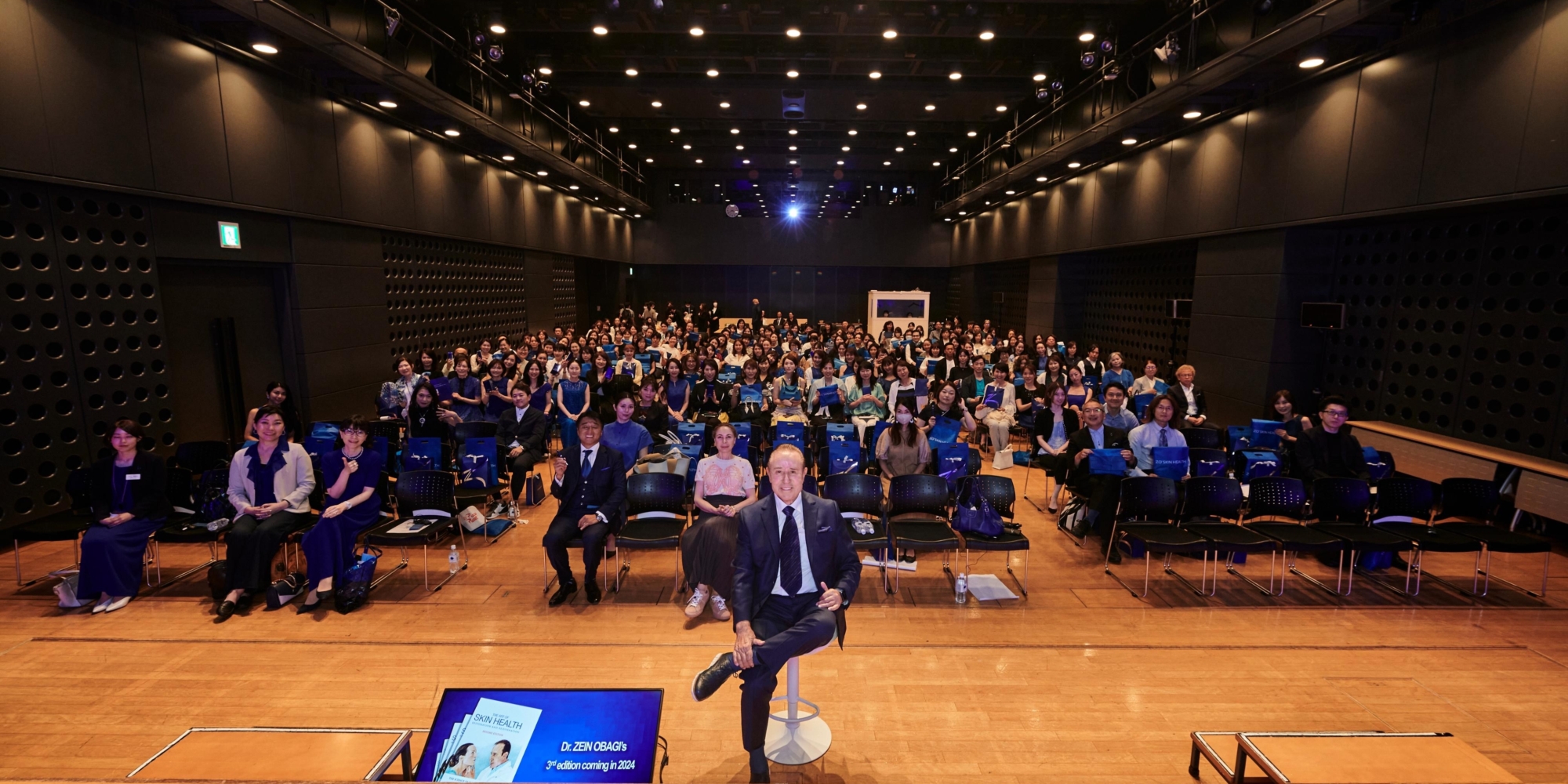
The Courage To Care: Zein And Samar Obagi, The Partnership That Helped Shape Modern Skin Health

History has a way of smoothing disruption. What looks inevitable in hindsight rarely felt that way in real time, especially to the people doing the disrupting.
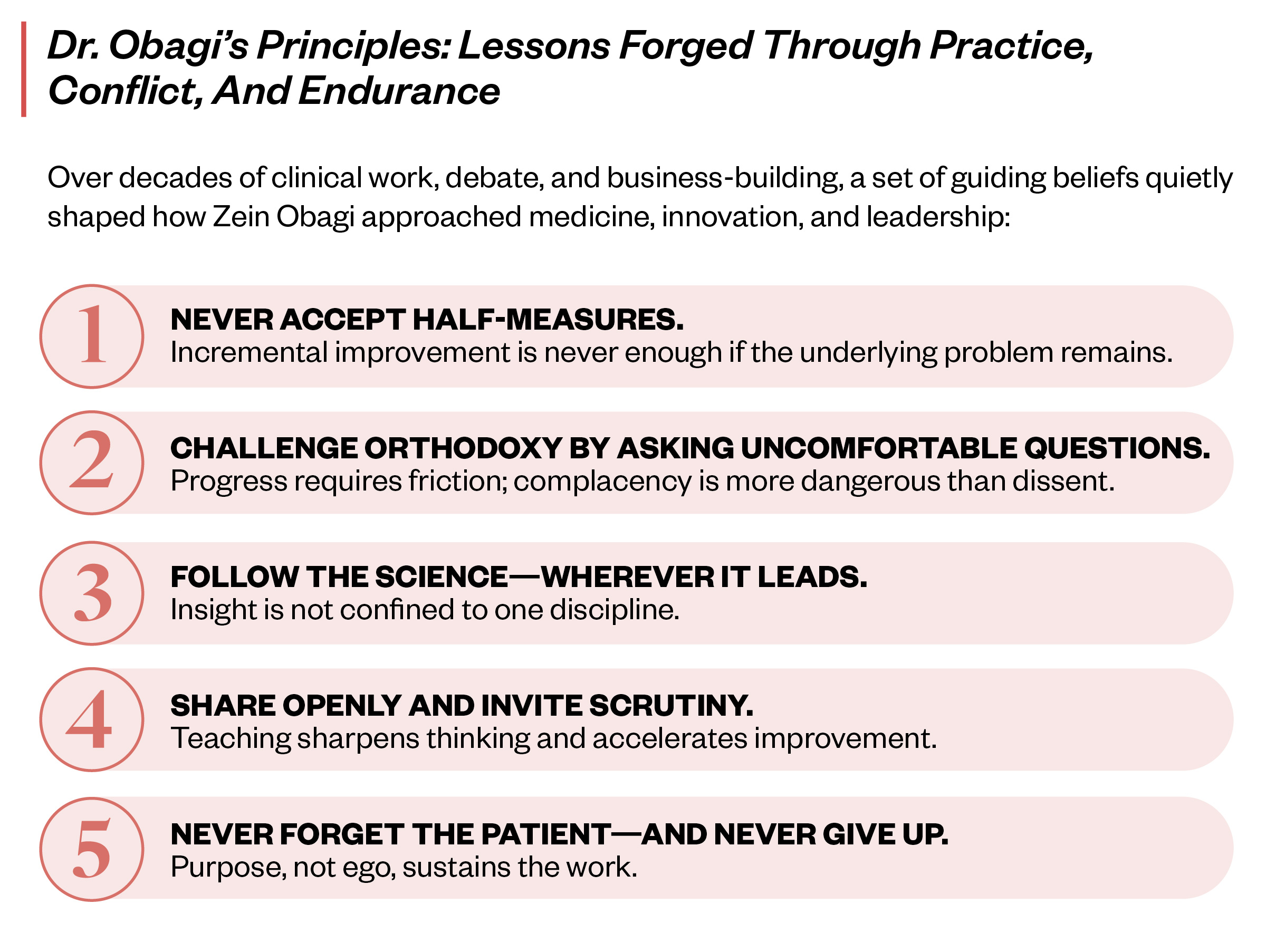
Long before “skin health” became a category, before physician-dispensed skincare was normalized and before aesthetics matured into the sophisticated clinical-commercial ecosystem it is today, Dr. Zein Obagi was practicing medicine in a way that unsettled many of his peers. Not because he was reckless, but because his approach refused to accept half-measures, challenged entrenched orthodoxy and followed science wherever it led.
He consistently questioned accepted limitations, rejected complacency in treatment approaches and pushed beyond the status quo to advocate for active restoration of skin health.
What followed was not the clean ascent of a brand, but decades of resistance, missteps, reinvention and endurance. And critically, it was not a solo journey. The lasting impact of Dr. Obagi’s work on patients, practitioners and the business of aesthetics itself was forged through partnership, most notably with his wife, Samar Obagi, whose role in translating vision into a durable enterprise is inseparable from that legacy.
Together, the Obagis didn’t just build companies. They helped shape modern aesthetic practice serving patients from around the world and lived through many of the same challenges that beauty entrepreneurs continue to face today.
A Physician Unwilling to Settle for “Good Enough”
Dr. Obagi came to the United States with just $27 in his pocket, driven by ambition and a commitment to excellence. He later trained in the United States Navy, where he refined his clinical skills and developed the discipline and precision that would define his future innovations in dermatology. Trained first in pathology, he was conditioned to think at the cellular level, to ask why disease behaved the way it did, not simply how it appeared.
When he entered dermatology, he was struck by how readily the field accepted limited outcomes as success. Treatments often reduced symptoms without addressing underlying causes. Incremental improvement was framed as victory, even when patients remained visibly, psychologically and socially affected by their conditions.
For Dr. Obagi, “better than nothing” was not a medical standard. If a solution did not meaningfully resolve the problem and did not restore the normal appearance of skin, it was not finished work, it was unfinished thinking.
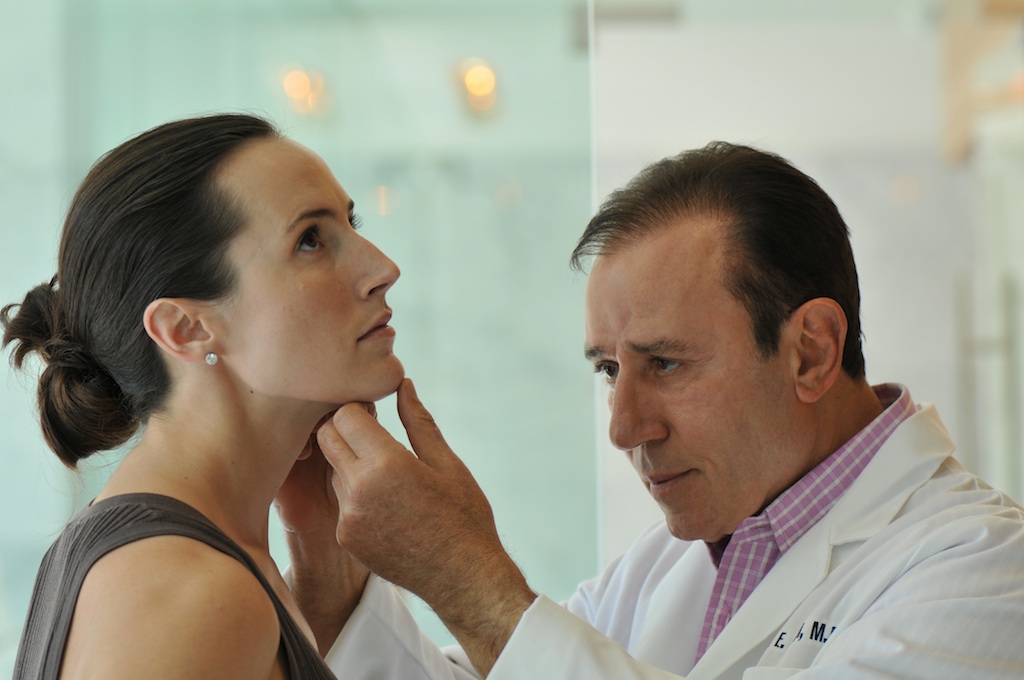
Obagi says, “If you accept good enough, you stop looking for the right answer, and, in medicine, that’s when patients suffer.”
That conviction defined his career. Rather than accept the field’s constraints, he began asking questions many peers avoided: What if pigmentation disorders were biological dysfunctions, not cosmetic inconveniences? What if surface treatment without cellular correction was the real risk? And what if the right solution existed—even if no one had yet found it?
Those questions put him at odds with a specialty that had grown comfortable with its norms.
Responsibility Over Permission
An early episode crystallized Dr. Obagi’s worldview. After pathology residency, Dr. Obagi went on to OB/GYN residency. During this time, he wanted to maintain his pathology knowledge and would frequently review pathology slides.
During one such review, he came across a slide tied to an upcoming surgery. The diagnosis was melanoma and yet Dr. Obagi, with his past training, believed it was not. He was now faced with the decision of speaking up, violating protocol and risking dismissal or staying silent and allowing a life-altering surgery to proceed unnecessarily.
Dr. Obagi spoke up despite the immense risk to his early career. The surgery was halted. The case escalated. An independent review confirmed his assessment. The patient was spared radical intervention. Dr. Obagi, however, was not rewarded. The episode ended quietly, without acknowledgement.
For him, the lesson endured. Medicine could not be practiced as an exercise in permission. Responsibility to the patient in front of you had to outweigh hierarchy behind you.
Dr. Obagi later reflected, “I wasn’t thinking about rules or consequences. I was thinking about the patient in front of me. Everything else was noise.”
That principle would surface repeatedly, often at significant professional and personal cost.
The Patients No One Else Would Treat
In 1981, practicing near San Diego, Dr. Obagi encountered patients who exposed dermatology’s blind spots. One case proved pivotal. A white woman who had undergone a chemical peel procedure in Tijuana, Mexico returned with severe post-inflammatory hyperpigmentation, which made her skin look black.
She had exhausted her options. Other physicians declined to treat her, citing risk. Dr. Obagi saw something else. Not an unsalvageable patient, but an incomplete approach.
Drawing on pathology, inflammation science, and cellular biology, he applied a tightly controlled, aggressive protocol designed not to mask discoloration, but to reset cellular function through deliberate acute inflammation followed by healing. It worked.
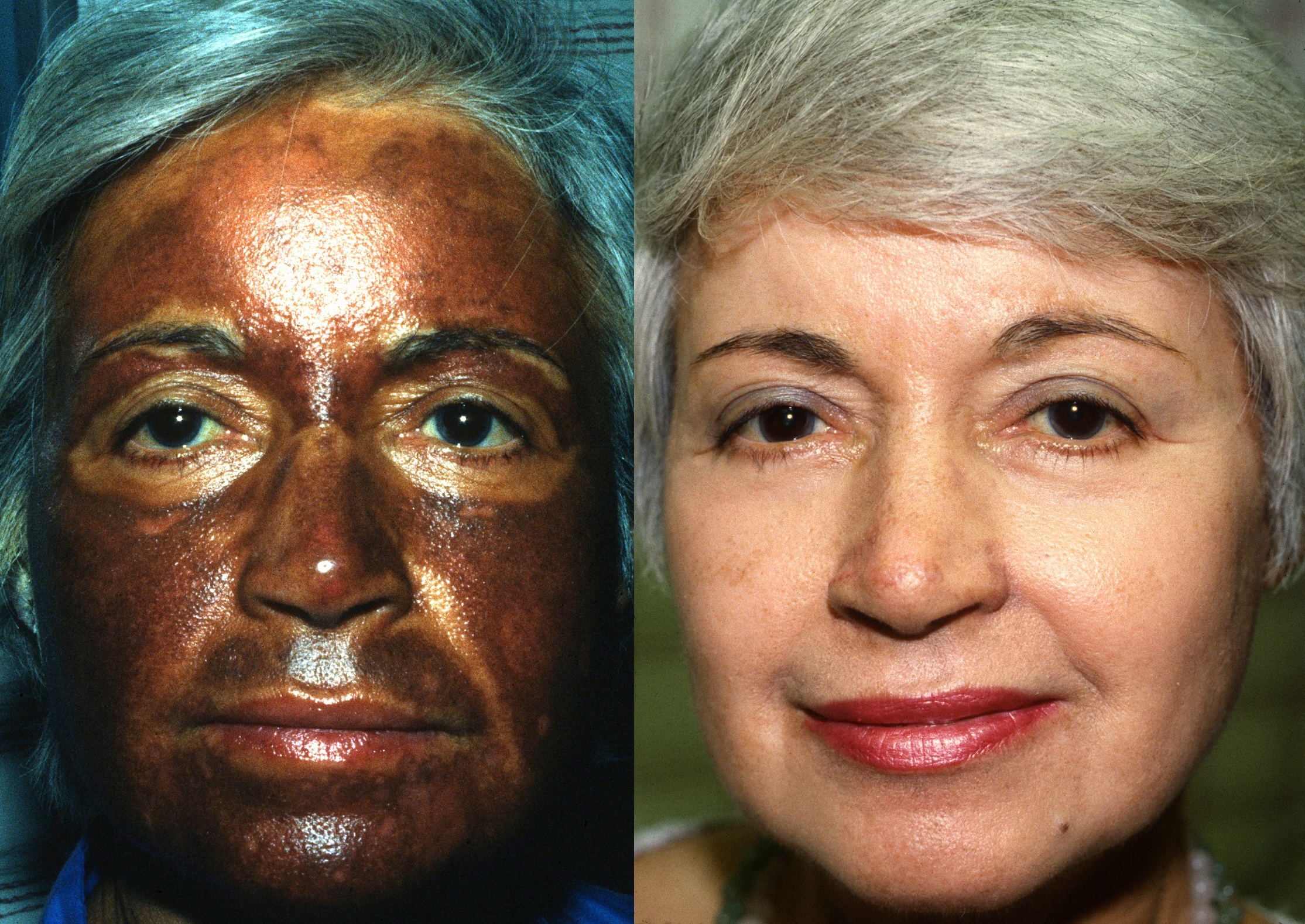
Within months, her skin normalized. The transformation was unmistakable and deeply unsettling to a field that, at the time, had long accepted far less, particularly for Black or dark-skinned Hispanic individuals.
Again, Dr. Obagi challenged longstanding norms in dermatology by eliminating discrimination based on skin color when determining treatment options.
Dr. Obagi did not stop here. He developed successful treatment protocols to treat acne, melasma and rosacea. His control depth peel methods revolutionized chemical peel procedures. Today, Dr. Obagi is often called the “king of peels.”
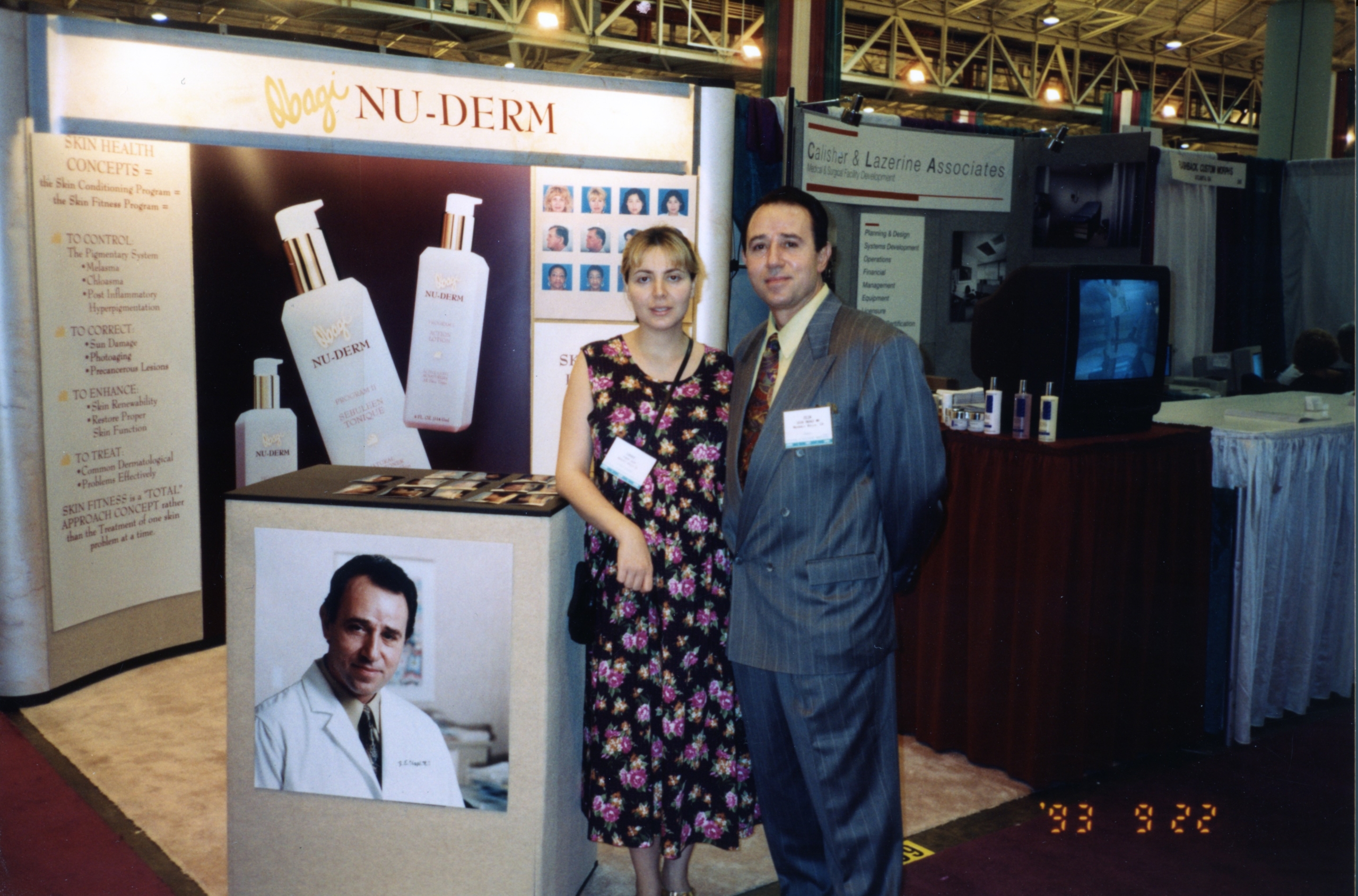
By the mid-1980s, he founded one of the first eponymous skincare companies. This work coalesced into what would become the original Nu-Derm System, a pioneering protocol-based system for skin health, conceived not as a cosmetic fix, but as a method for restoring normal cellular function. Patients followed. Doctors followed. So did scrutiny.
When Results Threaten Orthodoxy
As Dr. Obagi’s outcomes became known, skepticism hardened into resistance. His methods were described as unsafe. His science was questioned. Colleagues warned patients away. In some cases, malpractice actions were encouraged, not always by patients, but by peers unsettled by his growing influence.
Dr. Obagi understood that entrenched systems rarely resist change with evidence alone. They resist with process, hierarchy and warnings about what is “not done.” Challenging those norms meant inviting conflict, which lasted for decades – not because his work lacked rigor, but because it disrupted comfort. He persisted anyway.
He debated publicly. He showed his work. He presented results across skin types many practitioners avoided treating aggressively. Pictures and results, he believed, were harder to dismiss than opinion. He lectured extensively around the world, presenting clinical outcomes on Black, Asian, White, Hispanic and darker combination skin types, demonstrating that advanced resurfacing procedures could be performed safely and effectively when guided by proper skin preparation and protocol.
For younger dermatologists and plastic surgeons, these moments proved formative. Dr. Obagi wasn’t just offering techniques. Hwe was modeling intellectual independence in a field that often rewarded practicing within the accepted industry norms.
Following the Science Wherever It Led
What distinguished Dr. Obagi was not instinct alone, but synthesis. He did not confine his thinking to traditional dermatology borders. His grounding in pathology trained him to view skin disease as a function of cellular behavior, of inflammation, DNA damage and melanocyte dysfunction. If insight came from another discipline, he embraced it. Biology, after all, did not recognize departmental boundaries.
As Dr. Obagi succinctly put it, “Disease doesn’t care what specialty you’re in. Biology is biology. If the answer is there, you go there.”
Dr. Obagi went beyond the traditional skin classification system and developed a highly specialized Zein Obagi Skin Classification system allowing practitioners to deliver more precise treatment plans.
This willingness to integrate science across fields led him to a controversial yet groundbreaking conclusion that he has been preaching for decades: chronic skin conditions were driven by chronic inflammation and that resolving them required not endless suppression, but controlled interruption. Acute inflammation, carefully induced and managed, could reset dysfunctional systems.
At the time, he lacked the language to explain it. He only knew it worked. Explanation followed practice, not the reverse. He coined the term “Skin Health,” created the definition of healthy skin and pioneered the science of skin health. In doing so, he was often referred to as the godfather of modern dermatology.
When Skincare Products Became the Treatment
As demand for Dr. Obagi’s methods grew, a practical reality emerged. His approach could not be replicated without consistent formulations. Skincare products were not accessories; they were instruments.
This idea ran directly counter to prevailing norms. Skincare was considered consumer territory and a department store commodity. Dermatologists and plastic surgeons were not expected to dispense products directly to patients. To suggest otherwise was widely considered unethical. Dr. Obagi disagreed.
If skincare functioned as treatment, it belonged in clinics. That belief opened the physician-dispensed skincare model, and in parallel, to the founding of the Obagi Skin Health Institute, created to formally train other dermatologists in a comprehensive, systems-based approach to skin health.
The early companies that followed were not conceived as lifestyle brands. They were born of clinical necessity, and they bore the marks of urgency. Names changed. Leadership shifted. Strategic missteps occurred. Infrastructure lagged innovation.
Many of these challenges mirror what beauty founders experience today. The difference is that the Obagis were navigating this terrain without precedent, without institutional support, university funding or formal mentorship to guide the way.

Samar Obagi and the Work of Making Vision Endure
When Samar Obagi stepped more fully into the business, she encountered a familiar founder dilemma. Extraordinary intellectual capital housed within fragile operational scaffolding. There were too many informal arrangements. Too few controls. Too much reliance on trust where systems were required.
With an engineering background, Samar brought a different discipline. She focused on building structure, installing accountability, professionalizing operations, and ensuring that vision did not collapse under its own weight. She explains, “Zein had the vision, but vision alone doesn’t survive. Someone has to build the structure that allows it to last.”
These were not glamorous decisions. They involved removing people, enforcing boundaries and prioritizing sustainability over sentiment, but they were essential. Where Zein pushed the frontier, Samar stabilized the foundation. Where he challenged institutions, she helped him build one.
The Cost of Being Early
The Obagis’ journey unfolded in cycles of progress and retrenchment. Expansions were followed by painful contractions. Leadership hires did not always work out. Strategic directions required correction. Each misstep carried real consequences, not just financial, but emotional. Being early meant being exposed. There was no category to hide behind. No playbook to follow.
Yet, education remained central. Dr. Obagi trained thousands of practitioners through seminars, in-clinic programs and global symposiums. He taught openly, believing that explanation forced clarity and that debate improved outcomes. Teaching was not a marketing tactic; it was a feedback loop. Through education, his philosophy spread. Through persistence, it endured.
A Partnership Built on Purpose
What sustained the Obagis through years of resistance was not ego or ambition, but memory, a clear sense of why the work began. For Zein, the patient always remained real. When pressure mounted, it was the individual sitting across from him who anchored his resolve. For Samar, endurance meant ensuring that conviction survived contact with reality, that innovation became institution and disruption matured into discipline.
She reflects, “What kept us going was believing in the message and believing in each other when it would have been so much easier to stop.”
Their partnership was not incidental to success. It was foundational.

Why the Obagis’ Story Still Matters
For today’s beauty and aesthetics entrepreneurs, the Obagis’ story feels strikingly familiar. Having a vision before the language exists to describe it. Facing skepticism before validation. Making mistakes, often in public, and learning from them. Balancing science, commerce and care. Everything earned goes back into the mission. Absorbing the personal sacrifice required to do all of the above long before the outcome is clear.
The Obagis’ journey, while ultimately rewarding, exacted a real toll. On time. On relationships. On family life. On friendships stretched by uncertainty and stress. Samar says, “People see the outcome, not the years it took or what it cost. This wasn’t just work; it was our life.”
Zein Obagi’s legacy is not confined to skin health protocols or products. It lies in how he expanded the field’s imagination, about what skincare could be, who it could serve and how seriously it should be taken. His thinking was first articulated in “Obagi Skin Health Restoration and Rejuvenation” (1999) and revisited more than a decade later in “The Art of Skin Health Restoration and Rejuvenation” (2014), and “Skin Health Restoration and Rejuvenation: Ultimate Edition,” scheduled for release in 2026, reflecting both continuity and evolution in his philosophy.
Samar Obagi’s legacy lies not only in endurance, but in wisdom and strength, ensuring that vision became durable, teachable and scalable. With unwavering support, she nurtured both the family and the enterprise through seasons of growth and challenge.
Together, they offer a reminder that transformative impact in beauty rarely comes from inspiration alone. It requires conviction, openness and the refusal to settle, sustained over time and reinforced through partnership.
In an industry that often celebrates speed, the Obagis’ journey stands as a case study in something harder and rarer: the long work of changing practice, culture and belief one patient, one question and one uncompromising standard at a time.
Zein Obagi’s legacy and passion for dermatology will live on through his three youngest children. Serene, Zaidal and Sabine, have each pursued careers in the specialty. Together, they carry forward the dedication to research, education and continual advancement of skin health science.





Leave a Reply
You must be logged in to post a comment.